A day that feels huge because the route is smart. This full-course Tokyo tour stacks 15 major sights plus smaller local streets into one efficient plan, with a born-and-raised English-speaking guide and lots of walking. I like the clear structure, and I like the way the guide focuses on public-transport know-how so you’re not just staring at famous spots.
Two things stand out for me: first, the promise that all stops are free to enter, so you don’t get ambushed by surprise fees. Second, the small group size (up to 7) keeps the pace humane and the explanations personal, with guides noted for excellent English like Yasuko and Michiko. The main drawback is also the obvious one: you should expect around 20,000 steps, so comfortable shoes are not optional.
In This Review
- Key highlights
- A Tokyo Day Built for First-Time Confidence
- Starting at JR Yoyogi: Your Simple Launch Point
- Meiji Jingu, Harajuku, and Shibuya: From Calm Forest to Trend Streets
- Tsukiji: Hongan-ji Architecture and the Outer Market Grind
- Imperial Palace Grounds and Marunouchi: The City’s Polished Edge
- Akihabara, Ueno Park, and Ameyoko: Tech, Art, and Street-Level Tokyo
- Asakusa Finale: Sensō-ji and Asakusa Shrine, Plus the Izakaya Finish
- Price and Value: What $90 Buys (and What It Doesn’t)
- Getting Ready: IC Card, Cash, Rain, and the 20,000-Step Reality
- Shoes and clothing
- Metro payment
- Cash matters
- Rain plan
- Who should skip it
- What You’re Actually Learning: Etiquette and Local-Route Thinking
- Should You Book This Tokyo Full Course?
- FAQ
- Where does the tour start and where does it finish?
- How long is the tour, and how big is the group?
- Are the attractions free to enter?
- What is the approximate cost for transportation?
- Do I need an IC card for metro travel?
- Is the tour guided in English?
- What should I bring?
- Is it suitable for children or people with mobility limitations?
Key highlights
- 15 stops in one day, mixing iconic landmarks with quieter side streets
- All attractions free to enter, plus time saved by organized routing
- English live guide, with strong organization and patient pacing
- Metro and short train hops, then walking where it matters most
- Konbini to temples, from Seven-Eleven culture to Senso-ji and Asakusa Shrine
- Small group up to 7, which helps with questions and staying together
A Tokyo Day Built for First-Time Confidence
Tokyo can overwhelm fast. The streets change character every few blocks, the signage isn’t always where your eyes expect it, and the subway feels like a giant puzzle when you’re new. This tour is designed to reduce that pressure: you spend the day seeing major places, while the guide handles the route logic and the rhythm of moving.
You start in Yoyogi, then work your way toward Shibuya, Tsukiji, the Imperial Palace area, Akihabara, Ueno, and finally Asakusa. The “full course” idea is real, but what makes it work is the pattern: short rides between neighborhoods, followed by time on foot where you can actually feel the place.
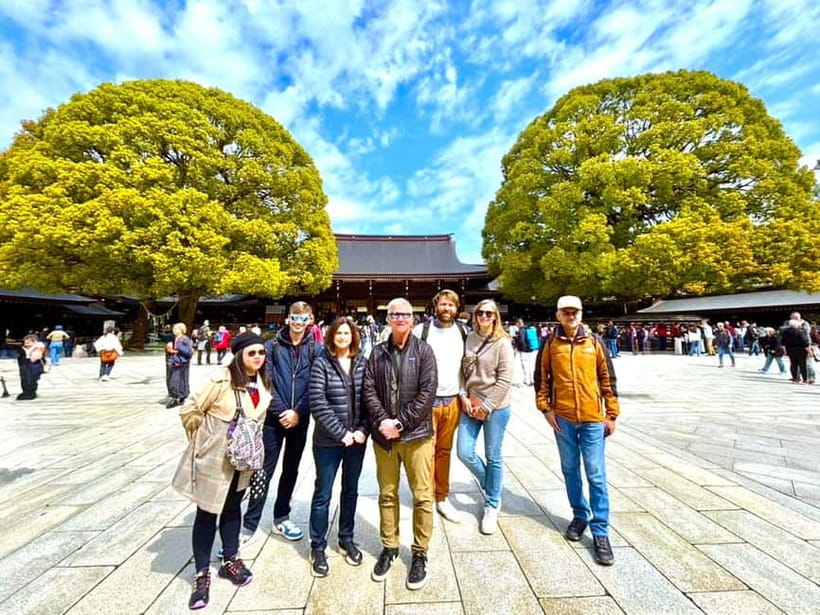
It’s also good that this is a small group experience (maximum 7). With a group that size, you’re not constantly waiting for ten different people to catch up. And because the guide is trained to top standards, you get practical guidance along the way, not only location announcements.
You can also read our reviews of more tours and experiences in Tokyo.

Starting at JR Yoyogi: Your Simple Launch Point
The meeting point is JR Yoyogi Station, West exit, outside the ticket gate. It’s a solid choice because JR and nearby subway lines make Yoyogi easier to reach than some hotel-focused meeting spots. You’ll kick off with the group together, then move toward the first highlight with a plan that keeps you from wasting time figuring out which direction to go.
From the start, the tour makes it clear what you’ll need for a smooth day:
- Comfortable shoes (this is a long walking day)
- Cash in JPY (some shops and small stops take cash only)
- A pre-charged IC card like Suica, Pasmo, or Icoca for metro use
If you show up late, you can’t join once the tour departs on time. That matters because the schedule is tight. If you’re traveling with a tight connection, build buffer into your morning and plan to arrive early.
Meiji Jingu, Harajuku, and Shibuya: From Calm Forest to Trend Streets
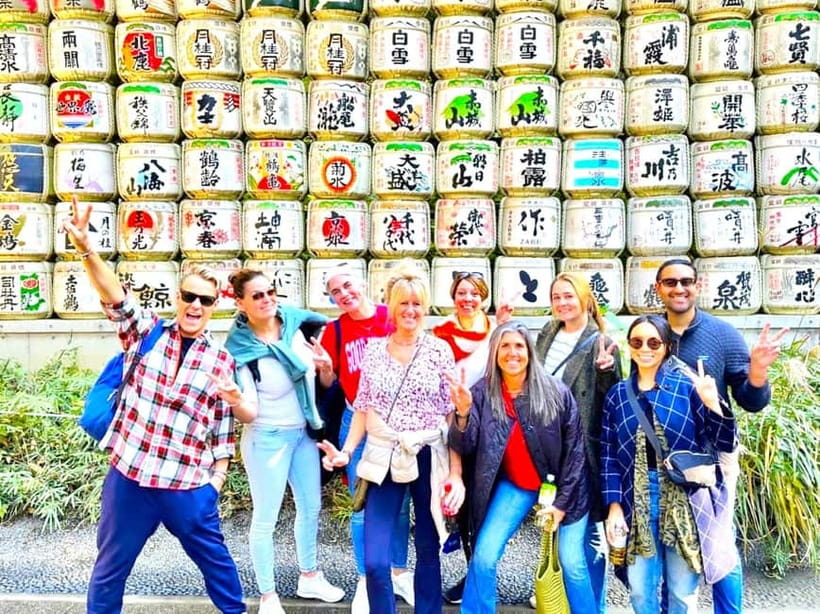
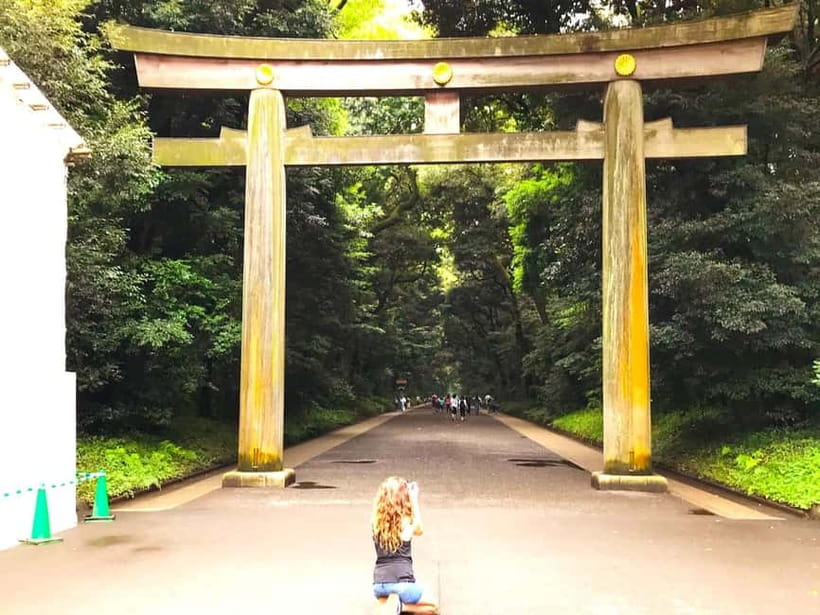
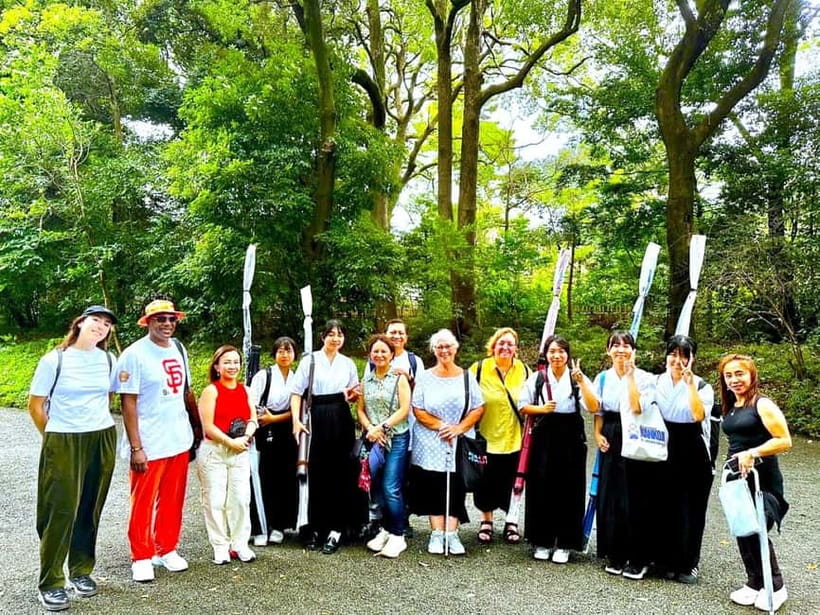
Your first “big contrast” stop is Meiji Jingu Shrine for about 30 minutes. This is a rare kind of Tokyo moment: a serene forest setting that softens the city noise. Even if you’ve seen photos, standing near the shrine grounds feels different because the space pulls you in and slows your attention. For many people, it’s the best way to reset before the more chaotic districts.
Then you head to Harajuku for about 30 minutes. This is where youth culture shows up loud and clear: fashion streets, street snacks, and the energy of people watching. You get time to look around without feeling rushed, and the guide can point you toward the side alleys that don’t always make it into the first-page tourist photos.
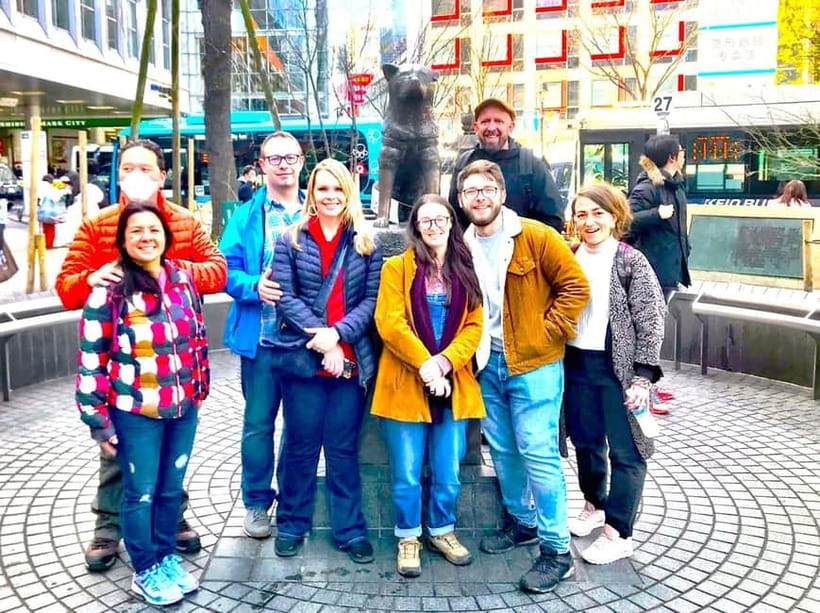
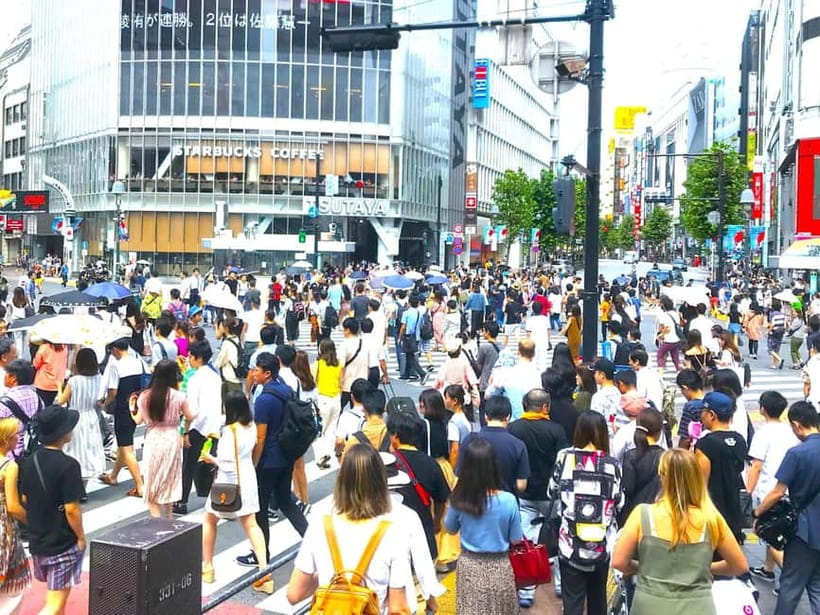
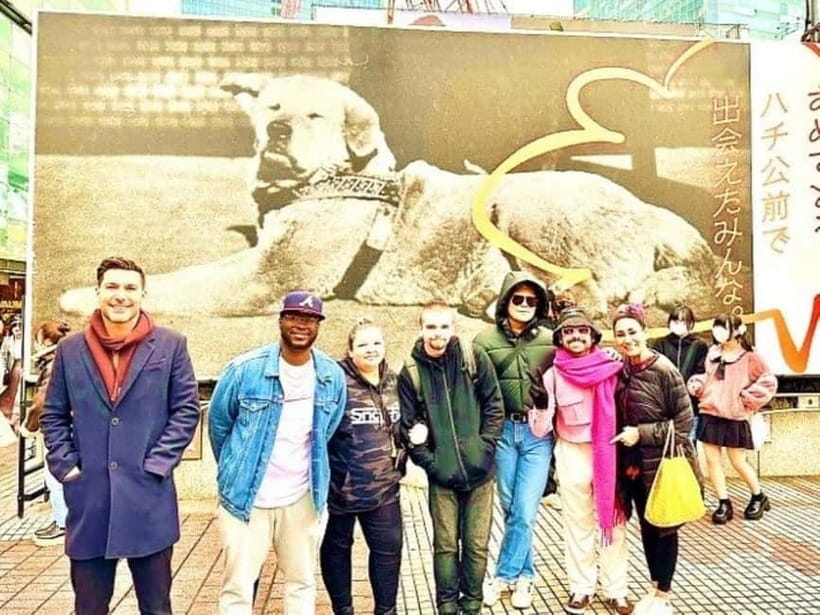
After Harajuku comes Hachikō (about 10 minutes) and then Shibuya Scramble Crossing (about 10 minutes). Hachikō is brief, but it’s worth it because the story adds meaning to the statue you’ll later see everywhere on social media. Then you’re straight into the famous crossing for your iconic photo moment.
A practical tip here: Shibuya is a magnet for crowds. The short time block is intentional. It gets you the classic view without swallowing your day. And since you’ll be moving by metro immediately after, you avoid spending too much time stuck in the middle of the busiest area.
Tsukiji: Hongan-ji Architecture and the Outer Market Grind
The next section shifts from trend and movement to history and food. You’ll take a short subway ride, then visit Tsukiji Hongan-ji Temple for about 30 minutes. This stop is interesting because the architecture includes Indian-inspired design elements and stained glass. It’s not just a pretty backdrop; it’s the kind of detail most first-timers miss unless someone points it out.
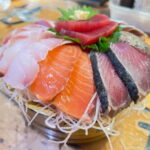
After that, you get Tsukiji Outer Market for about 1.5 hours. This is the time slot where your senses do the work: seafood counters, snack bites, and stalls that feel built for frequent repeat visits. Even if you skip a full sit-down lunch, this is one of the best places on the route to grab small items and keep moving.
One note that helps your day: lunch here and other meals are not included. You’ll want to plan for that. If you’re hungry at the Tsukiji block, it’s better to treat it as your main food window and then keep snacks minimal later.
Imperial Palace Grounds and Marunouchi: The City’s Polished Edge
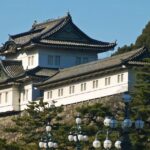
Next up is a quick metro move, then the Imperial Palace area (about 15 minutes). You’re walking the grounds of what used to be the Edo Castle, plus the walls and open space that give this part of Tokyo a different mood than the commercial districts you just left.
From there, you slide into Marunouchi (about 15 minutes) and Tokyo Station Square (about 15 minutes). Marunouchi is where sleek office towers sit close to older structures, so you get a sense of how Tokyo layers eras without treating history like a museum exhibit.
Then there’s the centerpiece: Tokyo Station’s red-brick landmark. It’s a short stop, but it’s worth using your time to look up and take in the façade. It’s also one of the easiest photo opportunities because you don’t need to chase a moving crowd the way you do in Shibuya.
A practical detail: you’ll take a train hop (about 10 minutes) as you transition toward the next neighborhood. Those short rides are the tour’s secret weapon. They keep you from turning the whole day into transit fatigue.

Akihabara, Ueno Park, and Ameyoko: Tech, Art, and Street-Level Tokyo
Akihabara is next for about 30 minutes. If you like anime, gaming, or Japanese pop culture, this block delivers the visuals fast: neon, electronics shops, and the feeling of walking through a theme world that Japan owns confidently.
Then you ride again briefly and head to Ueno Park for about 30 minutes. Ueno works well because it’s not only a park; it’s also a cluster of museums and historical sites. Even without museum entry, simply walking this area gives context for why Ueno is a cultural hub.
You then hit Ameyoko (Ameyokocho) for about 15 minutes. This is a more gritty, market-feeling stretch where local street food and shopping appear in a concentrated, no-fuss way. It’s short by design, since you still have temple time ahead in Asakusa.
One thing I appreciate about this middle-late segment is pacing. You’re not locked into one type of Tokyo all day. You get pop culture, then art/culture grounds, then market energy, then you gradually steer toward the spiritual old-city finale.
Asakusa Finale: Sensō-ji and Asakusa Shrine, Plus the Izakaya Finish
The last stretch is the old Tokyo side, and it’s the emotional payoff for many people. You’ll walk to Sensō-ji Temple (about 30 minutes) and then Asakusa Shrine (about 10 minutes) near the end.
Sensō-ji is Tokyo’s best-known temple area, and the reason it works on a tour day is that it’s visually readable. You know what you’re looking at, yet the details keep unfolding at your own pace. Asakusa Shrine inside the wider Sensō-ji grounds adds a quieter tone, which helps balance the busiest scenes.
At the end, you finish at Asakusa Shrine. You’ll also have a Goal Celebration Party at an Izakaya on the tour description, and dinner drinks are not included. Translation: this is your chance to add an informal local-food moment at the end of the day, without forcing it into a timed sit-down meal.
After a long route, it’s smart to plan your energy. If you’re doing the izakaya stop, consider eating something small earlier in the day so you can enjoy the final meal rather than rushing it.
Price and Value: What $90 Buys (and What It Doesn’t)
At $90 per person for about 10 hours, the big value is the organization. You’re paying for:
- A professional English live guide
- A route designed to hit 15 key stops
- Time-efficient movement via metro and trains with guided walking
The tour also claims all attractions are free to enter, which matters because it reduces the usual “I didn’t expect that fee” problem that can creep into Japan tours.
What you still need to budget for:
- Transportation fares (about 1,500 JPY / 10 USD, not included)
- Meals and drinks (lunch at Tsukiji, snacks, dinner at the izakaya)
In other words, this is not a full-board package. But it’s a strong fit if you like controlling your food choices and you’re comfortable carrying a little cash. If you’re the type who hates being herded into one restaurant, you’ll likely appreciate that flexibility.
Getting Ready: IC Card, Cash, Rain, and the 20,000-Step Reality
This is where you make or break the day.
Shoes and clothing
The tour calls for sporty shoes and easy-to-move clothes. Expect about 20,000 steps. If your feet are already tired from travel, plan to treat your day-one outfit like a walking outfit, not a sightseeing outfit.
Metro payment
You’ll need an IC card (Suica, Pasmo, or Icoca) that’s already charged. Without it, metro segments can become more time-consuming, especially when the group is moving.
Cash matters
Even in a modern city, some places take cash only. The tour specifically asks for cash in JPY for shops and items, so it’s worth having some on hand rather than relying on card everywhere.
Rain plan
Bring an umbrella or raincoat. The route keeps going if it’s rainy, and Tokyo weather can switch quickly.
Who should skip it
The tour isn’t suitable for people who are pregnant, use a wheelchair, have mobility issues, have back problems, or are dealing with a cold. It also doesn’t work for kids under 13 unless you’re on a private tour route. If any of these apply, you’ll save yourself stress by choosing a different style of sightseeing that’s less walking-heavy.
What You’re Actually Learning: Etiquette and Local-Route Thinking
This isn’t just a slideshow of landmarks. The tour includes an “insider’s manual” style focus on Japan’s daily values and public transport etiquette. You’ll also learn how to navigate the city like someone who lives here, not like someone who’s guessing.
That kind of guidance pays off after the tour ends. The next day, you’re less likely to lose time at stations, confuse line transfers, or stand in the wrong place while trying to work out an exit. It also makes your later visits smoother because you’ll understand which neighborhoods flow together.
The guides seem to put a lot of effort into keeping the group comfortable and informed. Past participants have praised the attention to individual needs and a considerate pace, including how guides like Yasuko and Michiko kept things organized while still getting everyone engaged with stories.
Should You Book This Tokyo Full Course?
Book it if you want a first-day plan that covers a lot without feeling like chaos. It’s especially good for:
- First-time Tokyo visitors who want structure and guidance
- People who like mixing iconic landmarks with smaller street-level scenes
- Anyone who appreciates free-entry sights and hates surprise fees
- Small-group travelers who don’t want a large bus crowd
Skip it if you need minimal walking or you fall into the tour’s “not suitable” categories. Also skip it if you expect this to be a relaxed, sit-down-heavy day. This is a walking day with short photo windows, so your energy management matters.
If you’re ready for 10 hours, comfortable shoes, cash, and a good metro mindset, this is a solid way to get your bearings fast and see a wide slice of Tokyo in one go.
FAQ
Where does the tour start and where does it finish?
The tour starts at JR Yoyogi Station, West exit (outside the ticket gate). It finishes at Asakusa Shrine.
How long is the tour, and how big is the group?
The tour lasts about 10 hours. It is a small group limited to 7 participants.
Are the attractions free to enter?
Yes. The tour states that all attractions on the tour are free to enter.
What is the approximate cost for transportation?
Transportation fares are not included. The tour estimates about 1,500 JPY (about 10 USD).
Do I need an IC card for metro travel?
Yes. A pre-charged IC card such as Suica, Pasmo, or Icoca is required for metro travel.
Is the tour guided in English?
Yes. The tour includes a live English-speaking guide.
What should I bring?
Bring comfortable shoes, cash (JPY), and a public transport ticket/IC card for metro travel.
Is it suitable for children or people with mobility limitations?
It is not suitable for children under 13 (unless a private tour). It is also not suitable for pregnant guests or people with mobility issues, back problems, or wheelchair users.