REVIEW · TOKYO
Tokyo: Calligraphy Experience with yukata or Samue
Book on GetYourGuide →Operated by 日本書鏡院 · Bookable on GetYourGuide
Your kanji starts on day one.
In Tokyo, this 90-minute calligraphy class pairs hands-on brush practice with a professional instructor, plus the meaning behind the characters, all in a small group setting. You’ll leave with a finished piece you can actually keep, not just a few swipes of ink. The vibe is calm, focused, and hands-on with a brush.
I love the step-by-step guidance for beginners. You get coached on line spacing and brush control in a way that makes the strokes feel learnable, not mysterious. I also like that the experience often includes trying on yukata or kimono (or samue) before the writing, so it feels like culture, not a rushed craft stop.
One consideration: 90 minutes means you’ll make one main artwork well, not do lots of extra projects. And since you’ll use ink and tools, plan on clothes that can handle a little mess.
In This Review
- Key things to love about this Tokyo calligraphy class
- More than a souvenir: why the class format works
- Getting set up: where you meet and what to wear
- The first strokes: learning brush control without intimidation
- Tea break, then focus: why the pace feels good
- The meaning behind the characters: spirituality and history, explained simply
- Your finished calligraphy: what you take home
- Price and value: is $64 worth it in Tokyo?
- Who this class suits best (and who might not)
- Practical tips to make your session smoother
- Should you book it?
- FAQ
- How long is the Tokyo calligraphy class?
- What languages are available?
- What is included in the price?
- What should I bring?
- What is the group size?
- Is it suitable for children or older adults?
Key things to love about this Tokyo calligraphy class
- Small group (up to 10), so you’re not lost in the crowd
- Professional instruction as you practice basic strokes and brush technique
- Yukata/kimono or samue at the start for a more authentic feel
- Insider explanations on spirituality and history behind the characters you write
- Tea break included, so your brain gets a breather between strokes
- You take home your finished calligraphy as a keepsake
More than a souvenir: why the class format works
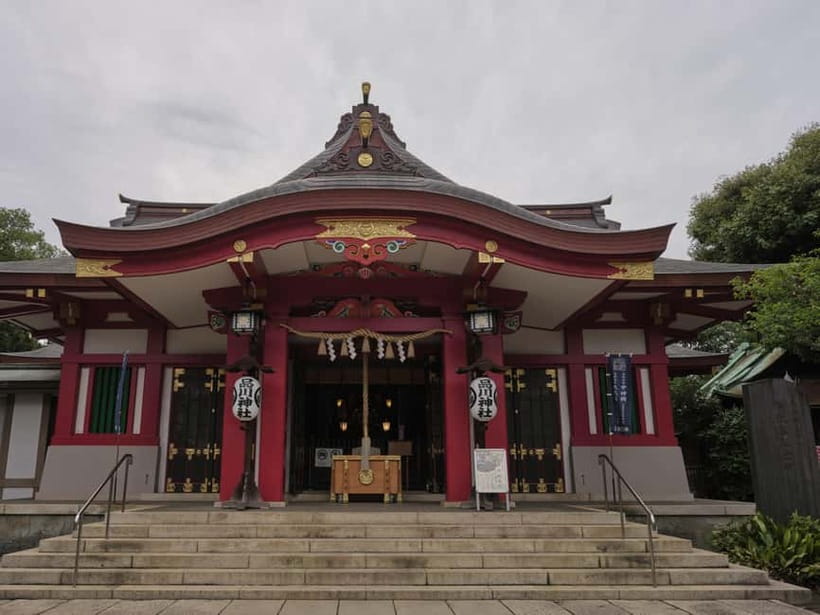
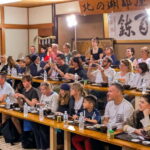
Tokyo is full of “do-it-and-leave” activities. This one is different because the time is structured around learning how Japanese classical calligraphy is built stroke by stroke. You’re not just copying a sample and hoping it looks right. You’re shown the method, then you practice it until your hand starts to understand the pressure and flow.
That structure matters. When you learn even a few rules about brush movement, your final work looks better and your brain starts to connect characters with intention, not randomness. And because the group stays small, the teacher can adjust when your lines run too thick, too faint, or off-balance.
There’s also a quiet emotional payoff. In the class, you’ll hear about the spirituality and history behind the characters, which helps explain why calligraphy is treated as more than decoration in Japan. Even if you’re not trying to become an artist, that context makes the experience feel respectful, not surface-level.
You can also read our reviews of more tours and experiences in Tokyo.



Getting set up: where you meet and what to wear
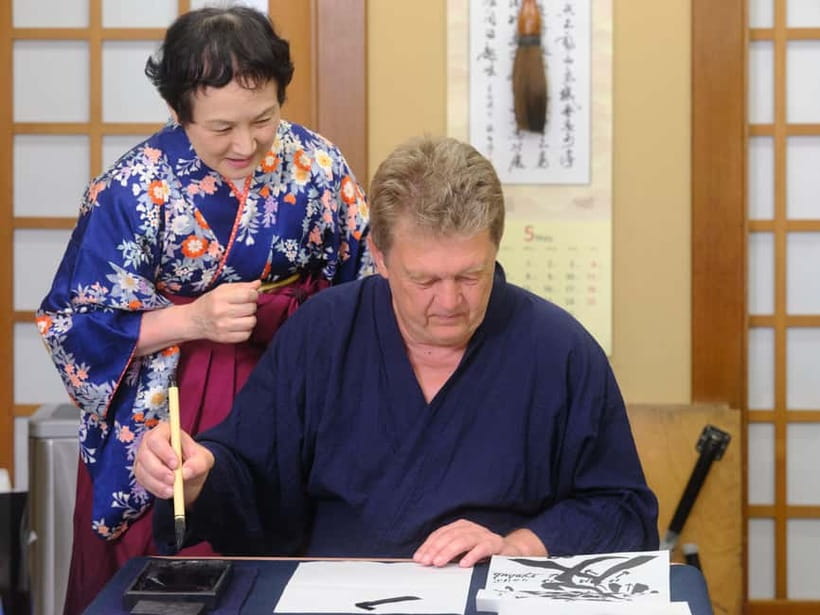
You meet near a local childcare center, with 海德寺 (Kaide-ji) next door, so you’re not walking into a big anonymous building. The location is set up for a calm cultural experience, not a production line.
Dress code is simple but important: wear clothes that can get dirty. Calligraphy is messy in the best way. Ink and tools can splash if you’re careful one minute and human the next. The class provides the tools, but you supply your outfit.
Many sessions start by trying on a yukata/kimono or samue. If you’ve ever wanted that “I’m really in Japan” moment without turning it into a photo-only stop, this is the right approach. The clothing also helps you slow down. When your body feels different, your hand often follows.
Languages are covered with an English-speaking guide, and the instructor support includes English and French. One standout detail from past classes: people praised the clarity of the teaching in French and the way assistants help explain things after the main instructions.
The first strokes: learning brush control without intimidation
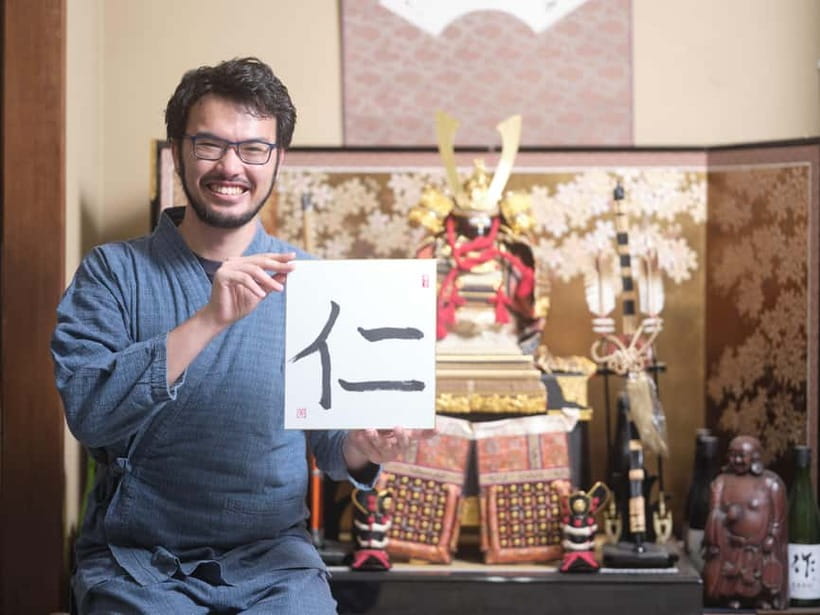
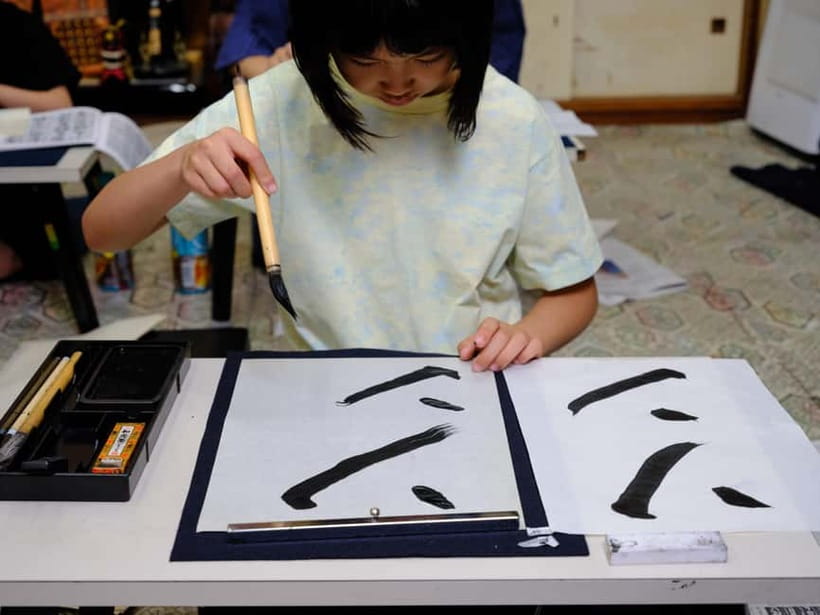
The heart of the class is the basics. You’ll learn how to hold the brush and how to use it to create clean, intentional lines. Most beginners think the hardest part will be writing the character. Usually it’s the brush technique first. Pressure and speed change everything.
Expect a step-by-step rhythm:
- You’re taught a basic stroke pattern
- You practice it multiple times
- Then you apply that stroke logic to the character you’ll create for your final piece
This is where good teachers really show. In particular, instructors such as Hana, Koushi, and Tomo have been praised for teaching in a way that feels patient and practical. One person specifically noted the teacher helped them learn how to trace lines, use the brush correctly, and even guided them through writing a kanji character with confidence.
You may also get extra coaching tailored to your pace. In small groups, that kind of correction is possible. And when you get feedback early, you don’t waste the whole class practicing the wrong motion.
Tea break, then focus: why the pace feels good
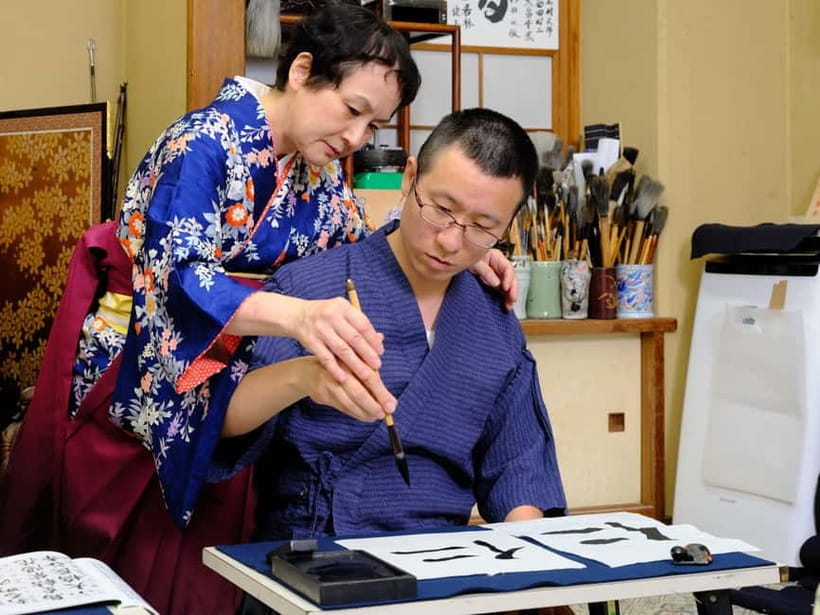
A lot of workshops cram all the learning into a nonstop hour and a half. This one includes a cup of Japanese tea, which works like a reset button. It’s not just a nice perk. It gives you a mental pause so you can absorb what you just learned and then return to your next stroke with better control.
In the early moments, that tea also helps your nerves. Calligraphy can feel intimidating if you expect perfect results on the first try. The tea and the quiet atmosphere lower the pressure. You can pay attention instead of performing.
One more thing: the class is designed as a relaxed cultural break, not a frantic desk session. People described the mood as warm and considerate, which matters when you’re learning a technique where your eyes and hands need time to sync.
The meaning behind the characters: spirituality and history, explained simply
Here’s what makes this experience feel more respectful than a standard craft. The class doesn’t stop at technique. You’ll get insider knowledge of the spirituality and history behind the characters.
You don’t need to be an expert to benefit. In fact, for many first-timers, this is what turns the lesson from a skill into a story. You start to understand that the character has form, history, and intent. The strokes are not random; they’re a way of expressing something with discipline.
That context changes how you write your final work. It’s easier to slow down and aim for clean motion when you know why the strokes are treated carefully in Japanese culture. Even if you only catch the main ideas, the takeaway sticks.





Your finished calligraphy: what you take home
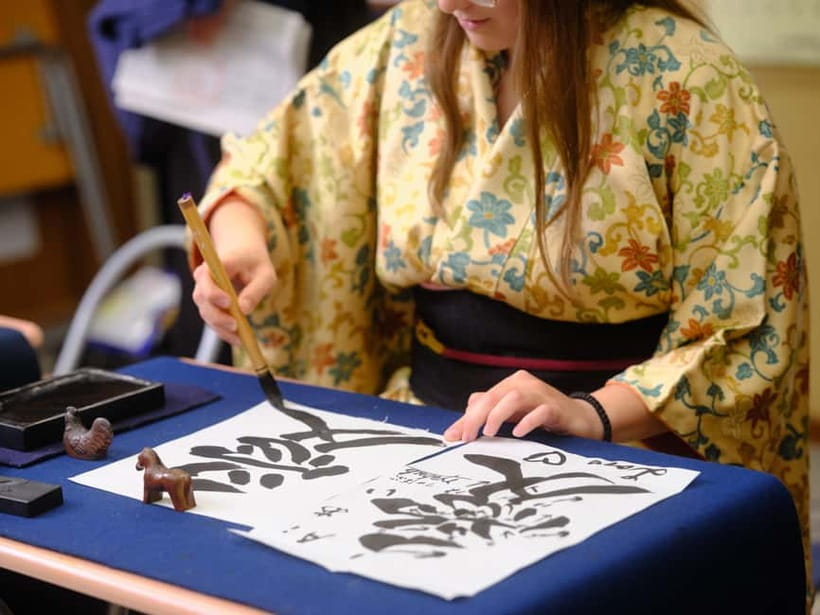
The payoff is the final piece. You’ll create an artwork during the class and take it home as a souvenir. The tools are provided, and you’ll leave with your work ready to keep.
In multiple experiences, participants noted that the teacher sometimes personalizes the outcome, including writing names. That’s a memorable touch, especially if you’re traveling with family or celebrating something like a birthday. If you’re going as a couple or solo, a customized character can also make the piece feel uniquely yours, not like a generic souvenir sheet.
One practical tip: treat the final artwork like something you care about. Ink dries, but you still want to protect it during transit. Plan how you’ll carry it back through your day in Tokyo.
Because the class is only 90 minutes, the final piece is usually the central “main event.” You’ll likely practice enough to feel satisfied, but the session remains focused.
Price and value: is $64 worth it in Tokyo?
At $64 per person for a 90-minute class, value depends on what you compare it to. Here’s the logic that matters.
You’re paying for:
- Instruction by professional calligraphers
- All necessary calligraphy tools
- Your finished calligraphy work to take home
- Japanese tea
- An English-speaking guide (and support in English/French)
That means you’re not buying supplies on your own, then trying to learn from scratch later. If you’ve ever priced calligraphy tools and lessons in Japan, you know the cost can climb fast once you include materials and time with a real teacher.
Also, the small group size (up to 10 participants) is part of the value. More attention usually means fewer mistakes and a better final result.
So yes, the price can feel like a splurge until you realize what’s included. If you want an authentic skill-based experience with a tangible keepsake, this is one of the more sensible ways to spend an evening in Tokyo.
Who this class suits best (and who might not)
This experience fits best if you like calm, hands-on learning and you enjoy a cultural activity that has a clear outcome. You don’t need artistic talent. What you need is patience and a willingness to repeat basic strokes.
It’s also a great match for:
- Beginners who want guided brush technique
- Families with older kids (the class is not suitable for children under 4)
- Travelers who want something meaningful beyond photos
- People who enjoy crafts with real cultural context
Two limits to keep in mind:
- Not suitable for children under 4 years
- Not suitable for people over 70 years
If any of those apply, it’s worth choosing another activity that’s easier on time, pace, and physical comfort.
Also, if you hate messes, you may find calligraphy stressful. Ink and brushes aren’t for spotless perfectionists. Wear the right clothes and you’ll be fine.
Practical tips to make your session smoother
If you want to get the most out of those 90 minutes, do these small things:
- Wear ink-friendly clothes. Even careful people end up with tiny spots.
- Arrive ready to slow down. Your best work usually happens when you stop rushing.
- Ask questions early. If something feels unclear about brush control or stroke order, it’s easiest to fix right away.
- Take your time during the tea break. Use it to reset your posture and grip.
- Bring a plan for transporting your artwork. You’ll want it protected on the way back.
One more note: the staff and assistants have been praised for being helpful beyond the actual writing time, including guidance after the class. In at least one instance, people mentioned help with arranging a taxi and finding a calligraphy set for a child. That’s not something you should count on every time, but it’s a sign of the service style here.
Should you book it?
Book this calligraphy class if you want an activity that’s calm, guided, and genuinely cultural, with a take-home result that feels personal. The combination of professional instruction, a small group, a clothing option like kimono/yukata or samue, and a real finished artwork makes it a strong value at $64.
Skip it (or consider another option) if you need constant action, or if the idea of ink and slightly dirty clothes sounds like a dealbreaker. And if you’re very limited by age or mobility needs, respect the stated suitability limits.
If you’re open to learning a traditional art form in a respectful setting, this is the kind of Tokyo experience that gives you more than a photo. You’ll bring home a piece of your own handwriting, plus the meaning behind it.
FAQ
How long is the Tokyo calligraphy class?
The experience lasts 90 minutes.
What languages are available?
The instructor support is available in English and French.
What is included in the price?
Instruction by professional calligraphers, all necessary calligraphy tools, your finished calligraphy work to take home, Japanese tea, and an English-speaking guide are included.
What should I bring?
Wear clothes that can get dirty, since ink and tools are part of the class.
What is the group size?
It’s a small group limited to 10 participants.
Is it suitable for children or older adults?
It is not suitable for children under 4 years or for people over 70 years.