REVIEW · TOKYO
Kamakura Temples Private Guided Tour from Tokyo
Book on GetYourGuide →Operated by Nippon PLUS · Bookable on GetYourGuide
Old temples, one easy day trip from Tokyo. This private Kamakura temples tour from Tokyo strings together Hase-dera’s 11-faced Kannon and the 13-meter Great Buddha in a smooth, guided flow that makes the sights easier to understand and enjoy. One thing to plan for: you’ll pay extra on the day for transport, entrance fees, and lunch.
You get a hotel pickup and drop-off on foot, then a train ride into Kamakura with a licensed English guide and a private group format. The day runs about 8 hours and includes 3–4 km of walking, so comfortable shoes really matter.
In This Review
- Key highlights you’ll feel right away
- Why Kamakura temples work so well on a Tokyo day
- The day plan from Tokyo: train timing and what you actually do
- Hase-dera (Hase-dera Temple of Flowers): the Kannon and the Jizo-do Hall
- Kotokuin Temple and the Great Buddha: 13 meters of scale
- Lunch on Komachi Street: refuel without losing the flow
- Tsurugaoka Hachimangu: Shinto calm at the city center
- Price and logistics: what you pay, what you add on
- Guide quality: where the tour really earns its stars
- Who this Kamakura private guided tour suits best
- Should you book this tour?
- FAQ
- FAQ
- How long is the Kamakura temples private guided tour from Tokyo?
- Is this tour private, and is the guide English-speaking?
- What sites are included in the itinerary?
- What should I budget for entrance fees and transport?
- Is lunch included?
- How much walking is involved?
- Where are pickup and drop-off points in Tokyo?
Key highlights you’ll feel right away
- Private, English-guided pacing that helps you move through temple and shrine areas without getting lost
- Hase-dera and Hase Kannon, including the story of the 11-faced Goddess of Mercy and the Jizo-do Hall with many small Jizo statues
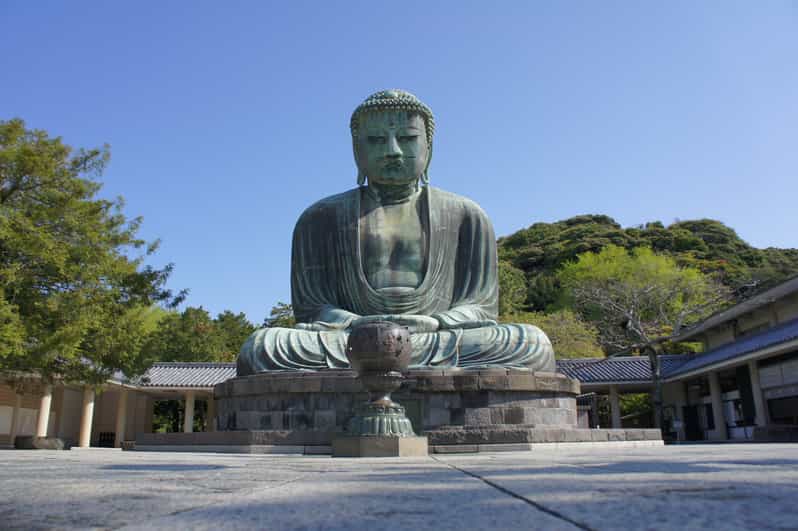
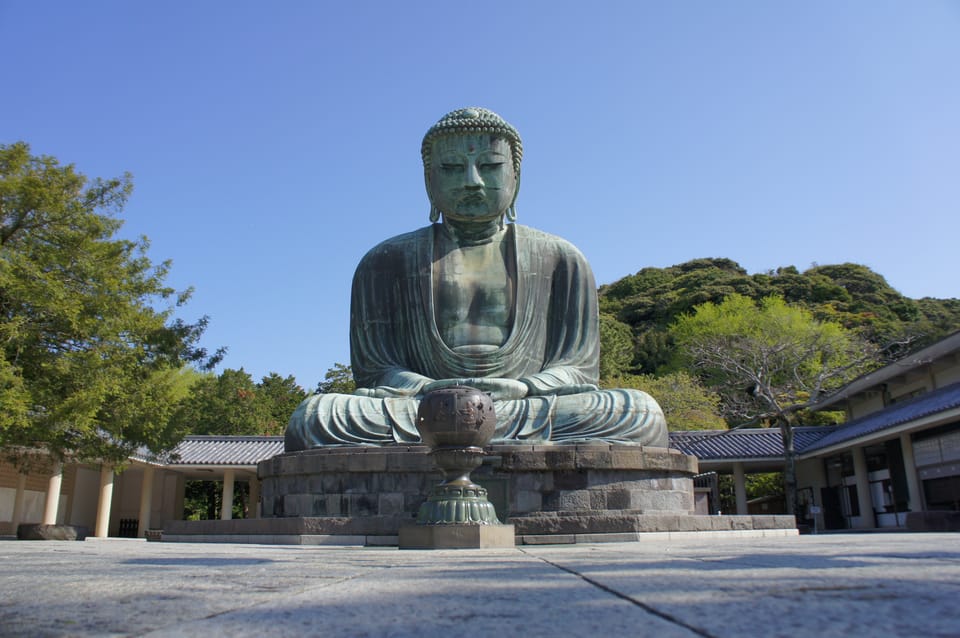
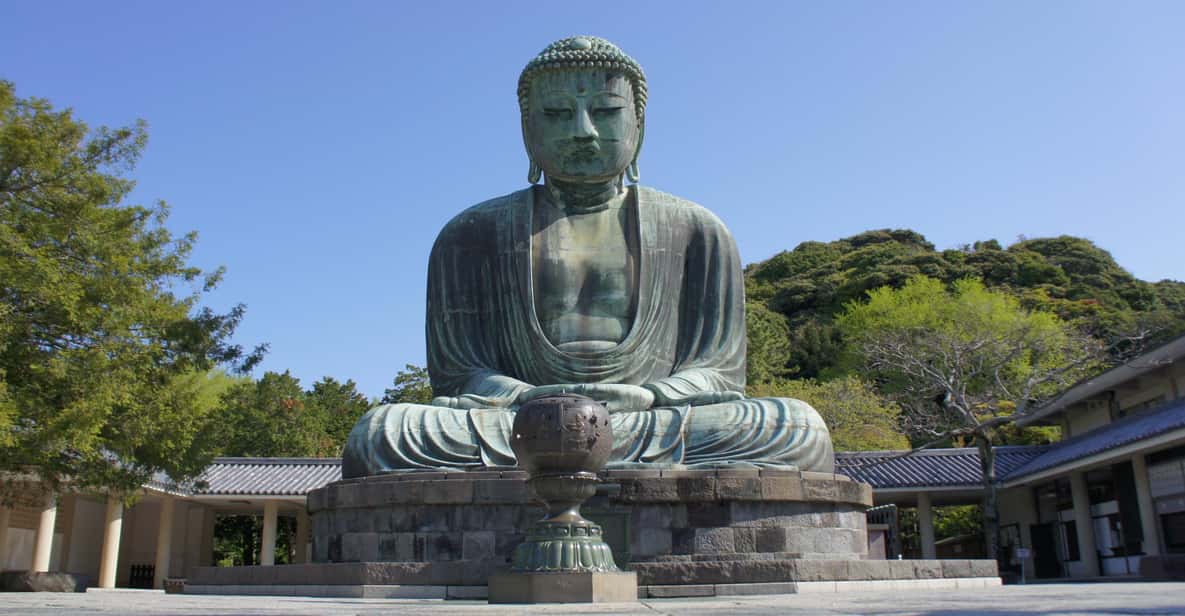
- Kotokuin’s Great Buddha: a huge 13-meter statue with significance and history dating back to 1292
- Tsurugaoka Hachimangu Shrine: built in 1063 and dedicated to Emperor Ojin, with a tranquil, central-city setting
- Komachi Street time (about 1.5 hours) for lunch and shopping, so you’re not rushed after the temples
Why Kamakura temples work so well on a Tokyo day
Kamakura is the kind of place where a guided route pays off fast. You’re moving between temples and a major Shinto shrine in one day, and a guide helps you connect what you’re seeing to the meaning behind it.
This tour is built around three major stops that balance Buddhist and Shinto traditions. You start at Hase-dera (often called the Temple of Flowers), move to the iconic Great Buddha at Kotokuin, then finish at Tsurugaoka Hachimangu, the city’s most important Shinto shrine.
The value here is time. Instead of figuring out routes, ticket lines, and what to pay attention to, you get a planned order, photo stops, and guided sightseeing segments.
You can also read our reviews of more guided tours in Tokyo

The day plan from Tokyo: train timing and what you actually do
The tour begins with pickup from select Tokyo locations: Tokyo Station, Tokyo (area), Shinjuku City, or Shinjuku Station. After that, the transport to Kamakura is by train, with about a 70-minute ride each way.
Once you arrive, the schedule is straightforward:
- Hase-dera first, with a guided visit and photo stop (about 30 minutes)
- a short transfer period on foot (about 10 minutes)
- Kotokuin Temple next (about 30 minutes)
- Tsurugaoka Hachimangu after lunch (about 30 minutes)
- then return to Tokyo, arriving around 4 or 5 pm
A practical note: pickup and drop-off are described as on foot. That usually means you’ll walk a bit around your hotel area rather than meeting at a doorstep for a vehicle.
Also plan for a mix of “look, walk, look again.” The tour includes 3–4 km of walking, so you want shoes that work for temples and uneven ground.
Hase-dera (Hase-dera Temple of Flowers): the Kannon and the Jizo-do Hall
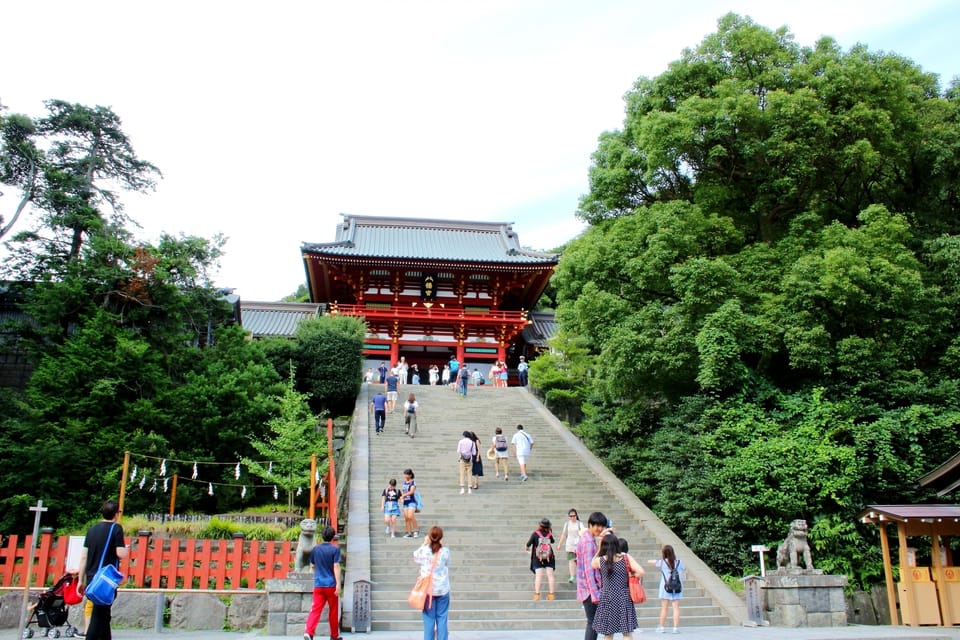
Hase-dera is your first big visual payoff. You’ll see temple architecture up close, and you’ll spend time specifically on the Hase Kannon, a Buddhist statue of Kannon (the Goddess of Mercy).
The guide focus here is worth it: the statue is described as an eleven-faced form of Kannon, representing different phases in the search for enlightenment. Even if you’re not steeped in religious symbolism, that kind of guided explanation changes how you look at the statue rather than treating it like a photo stop.
Outside the main area, you can wander through the gardens and also visit the Jizo-do Hall, which features hundreds of small Jizo Bodhisattva statues. This is one of those places where speed can ruin the experience. The tour format gives you a defined window to take it in without rushing you like a checklist.
Photo tip: at Hase-dera, take your time choosing where you stand. Temple grounds can be crowded, and a good guide helps you find sightlines for photos without constantly backtracking.
Kotokuin Temple and the Great Buddha: 13 meters of scale
Next comes the stop most people remember later: the Great Buddha at Kotokuin Temple.
This is a 13-meter-high statue, and the tour includes time to admire it while learning its significance and history, which dates back to 1292. That year anchor matters because it turns the Great Buddha from a landmark into something with a long timeline.
You’ll get a photo stop and guided sightseeing here (about 30 minutes). The time is long enough to look up, walk around your viewing area, and absorb the explanation, but not so long that you’ll feel stuck in the same spot.
Entrance planning: admission to the Great Buddha is listed as 300 yen per person, and it’s not included in the tour price. You’ll also want to keep track that entrance fees are paid on the tour day.
If crowds swell during the day, a guide’s job becomes more than facts. One practical strength that shows up in guide praise is the ability to navigate through busy temple areas while keeping the group moving toward the most important viewing moments.
Lunch on Komachi Street: refuel without losing the flow
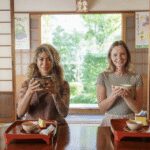
After Kotokuin, you’ll have lunch time in Kamakura around Komachi Street. You get about 1.5 hours for lunch, guided orientation, and then free time for shopping.
That balance is a big deal in practice. Temples and shrines can work your legs and attention. The schedule gives you a reset before the final shrine stop, so you don’t feel like you’re powering through while hungry.
What’s not included is lunch and drinks for both you and the guide. So you’ll want some ready cash or payment method for the day.
I also like that Komachi Street is positioned as the “transition zone” between the heavy visual hits and the quieter end. It’s a chance to grab food, browse, and then return to a more contemplative pace at Tsurugaoka Hachimangu.
You can also read our reviews of more private tours in Tokyo

Tsurugaoka Hachimangu: Shinto calm at the city center
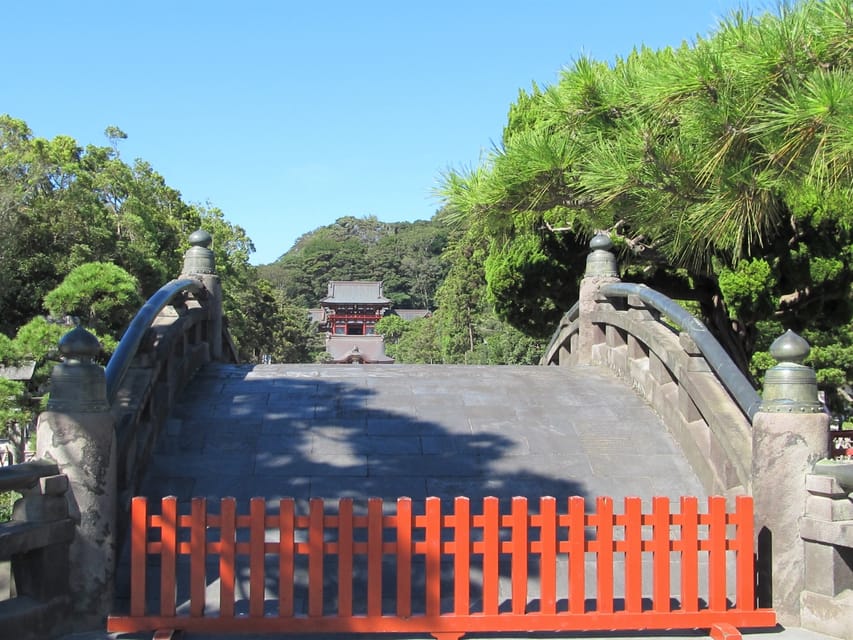
Your last temple-and-shrine anchor is Tsurugaoka Hachimangu Shrine, described as the most important Shinto shrine in Kamakura. It sits at the geographical center of the city, so it feels like the natural endpoint after exploring the Buddhist sites.
The shrine’s background is given clearly: it was built in 1063 and dedicated to Emperor Ojin, who is also known as the God of War. A guide helps connect that dedication to what you see as you explore the complex.
You’ll get guided sightseeing and a photo stop (about 30 minutes). Even with time constraints, this structure helps you catch the bigger picture: where the shrine sits, why it matters, and what to notice as you move through the site.
One more practical reason this stop lands well at the end: after a busy morning, you’re not scrambling for details. The tour pacing sets you up to slow down a bit and enjoy the tranquil atmosphere the route is described as having.
Price and logistics: what you pay, what you add on
The headline price is $145 per person for a full day (about 8 hours) with a private, English-speaking guide. Hotel pickup and drop-off on foot are included.
But here’s the part you should plan for: entrance fees and transportation for you and the guide are listed as not included. The tour also notes transportation fees are around 2000 yen per person, and one-way train tickets are around 1200 yen.
Entrance fees listed as not included:
- Hase-dera: 400 yen per person
- Kotokuin / Great Buddha: 300 yen per person
Lunch and drinks are also not included (for both you and the guide).
So is $145 good value? It can be, because you’re paying for:
- a private, licensed English guide interpreter
- an organized route with photo stops and guided explanations
- hotel pickup/drop-off on foot
- a structured day that gets you to the key Kamakura sites in one go
The caution is expectation. If you mentally treat $145 as all-in, you can end up feeling surprised when the yen amounts add up along with lunch. This is exactly why it helps to budget a rough extra amount before you go.
Also note: one lower score in the provided feedback pointed to a feeling of paying too much for what was seen as limited information. That doesn’t mean the tour always under-delivers, but it does tell you to speak up. If you want more explanation at each stop, ask your guide for it during the sightseeing segments.
Guide quality: where the tour really earns its stars
The biggest difference between a good and great day is the guide. And across the information you shared, the strongest praise centers on interpretation: history and culture explained in a way that sticks.
Names that show up in guide praise include Mizuma-san, Steve, Take, and Richie. The common thread is clear communication: using maps and pictures, giving context, and keeping momentum even when places get crowded.
There’s also a practical competence element that matters on a day like this. One highlighted strength was maneuvering through crowds while still reaching the key sights. That’s not just about speed. It’s about preventing the group from splitting visually and making sure you still get good viewing windows.
If you’re the kind of traveler who likes to understand what you’re looking at, this format fits you. If you’re more of a take-photos-and-go person, you may want to confirm how much time the guide spends explaining at each stop.
Who this Kamakura private guided tour suits best
This tour is a good match if you:
- want a guided day that connects temples and shrine symbolism to what you’re seeing
- prefer private pacing instead of managing timing in a crowd
- value an English interpreter with a licensed background
- like seeing the main icons of Kamakura without spending your energy on transport planning
It’s also a solid choice for families or mixed-age groups, since the itinerary avoids long, complicated transfers and keeps each stop to a manageable time block.
If your travel style is extremely detailed and you want a long lecture at every site, you might find the set time at each location a bit tight. In that case, you can still get more out of it by asking questions during the guided segments and using your lunch/free time to continue conversations with the guide.
Should you book this tour?
Book it if you want a structured, private Kamakura day from Tokyo that gets you to Hase-dera, the Great Buddha at Kotokuin, and Tsurugaoka Hachimangu with a licensed English guide. The payoff is clarity: you’ll understand what the tour wants you to notice, and the itinerary is built to keep the day moving.
Think twice if you dislike paying add-ons. Entrance fees (400 yen and 300 yen) plus transport (around 2000 yen per person) plus lunch and drinks can make the final day cost feel higher than the headline price. If you budget for those extras upfront, the value usually makes more sense.
FAQ
FAQ
How long is the Kamakura temples private guided tour from Tokyo?
The tour lasts about 8 hours, with pickup from your Tokyo hotel area and a return to Tokyo by around 4 or 5 pm.
Is this tour private, and is the guide English-speaking?
Yes, it’s a private group tour. The guide is an English live interpreter, and the guide is a National Government Licensed Guide Interpreter.
What sites are included in the itinerary?
You visit Hase-dera (Hase Kannon), Kotokuin Temple to see the Great Buddha, and Tsurugaoka Hachimangu Shrine. You also have lunch and time on Komachi Street.
What should I budget for entrance fees and transport?
Entrance fees are not included. Hase-dera is listed at 400 yen per person, and the Great Buddha at Kotokuin is listed at 300 yen per person. Public transportation to and from attractions for you and the guide is listed as around 2000 yen per person.
Is lunch included?
No. Lunch and drinks are not included for you or the guide.
How much walking is involved?
The tour includes about 3–4 km of walking during the day.
Where are pickup and drop-off points in Tokyo?
Pickup options include Tokyo Station, Tokyo (area), Shinjuku City, and Shinjuku Station. Drop-off options match those areas. Pickup and drop-off are described as on foot.
If you tell me your hotel area (Tokyo Station, Shinjuku, or somewhere else), I can suggest which pickup point usually saves the most time.