REVIEW · TOKYO
Tokyo: Matcha Tasting and Making Experience
Book on GetYourGuide →Operated by matcha trip · Bookable on GetYourGuide
Matcha tastes better with a plan. This 90-minute class in Asakusa gets you from first sip to first whisk, with Chisei guiding you through matcha tasting and making. You’ll taste multiple matchas from different production areas, then compare what you like for real, not just what you’ve heard.
I especially like the side-by-side format: you look at the color, smell the aroma, and taste in small portions so differences actually register. I also like the hands-on step—after picking your favorite, you make your own Ousucha with a bamboo whisk. One possible drawback: the whole experience is built for general tea curiosity, so if you want a long, formal tea ceremony vibe, this may feel a bit too time-compressed.
Chisei is a former tea farmer who grew tea for six years in Kyoto, and that practical background shows in how he explains what’s going on in your cup. The session is capped at a small group and runs for 90 minutes, so it moves at a friendly pace but doesn’t linger.
In This Review
- Key Things To Know Before You Go
- Matcha On Trial in 90 Minutes: The Point of the Class
- Finding the Spot in Asakusa: Henn na Hotel Asakusa Tawaramachi
- Welcome Drink and the Kyoto Tea Farmer Explanation
- Side-by-Side Matcha Tasting from Multiple Japanese Production Areas
- How to Read the Cup: Color, Fragrance, and What to Notice
- Choosing Your Favorite and Making Ousucha with a Bamboo Whisk
- Matcha Latte, Hojicha Latte, and Matcha Sweets: Where Flavor Changes
- Who This Tour Fits Best (and When It Doesn’t)
- Price and Value: Is $63 Worth 90 Minutes in Asakusa?
- Should You Book This Matcha Tasting and Making Class?
- FAQ
- FAQ
- How long is the matcha tasting and making experience?
- What is the price per person?
- Where is the meeting point?
- Is transportation included?
- How many people are in the group?
- What language is the instructor?
- What will I taste during the class?
- Do I make matcha myself?
- Are matcha latte and sweets included?
- Can I cancel for a full refund?
- Is there an option to pay later?
Key Things To Know Before You Go
- Kyoto tea-farmer perspective: Chisei shares how tea is grown and what you’re tasting when you sip.
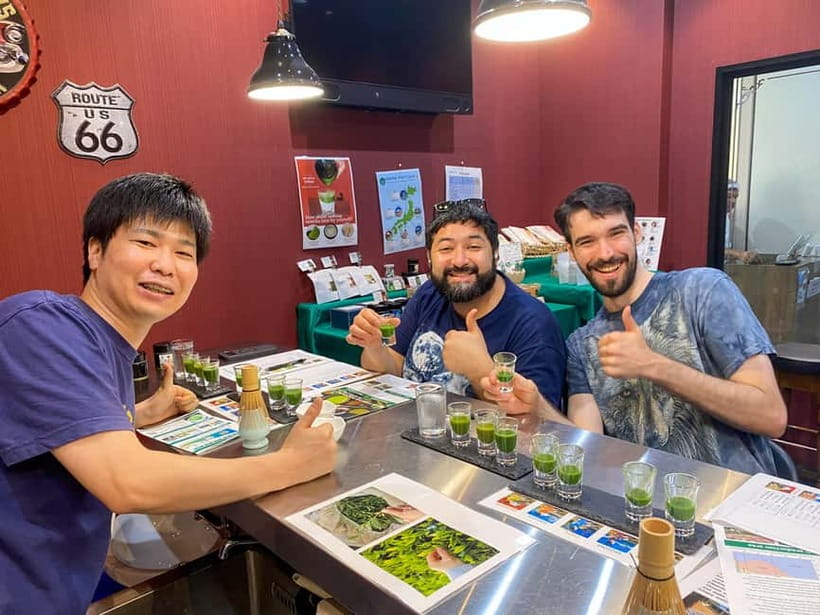
- Multiple regions, real comparisons: matcha from five production areas, with a guided tasting set built around multiple types.
- Color + aroma + taste: you’ll see the shades, then watch and taste as the guide prepares each cup.
- Hands-on Ousucha: you choose your favorite and make your own matcha using a bamboo whisk.
- More than straight matcha: you finish with matcha latte, hojicha latte, and matcha sweets.
- Small group size: limited to five participants, so questions don’t get lost in the shuffle.
Matcha On Trial in 90 Minutes: The Point of the Class
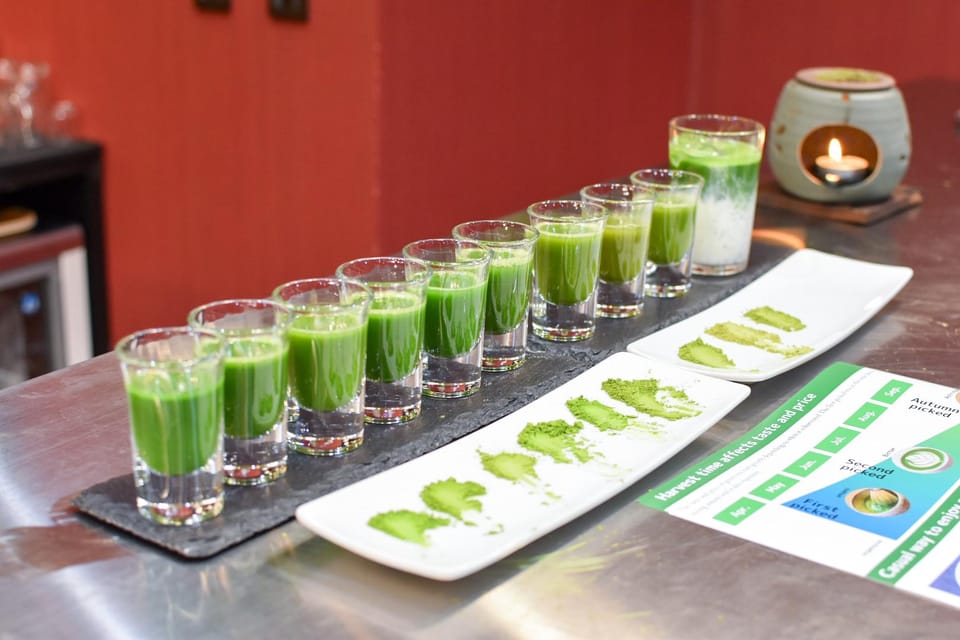
This isn’t a lecture where you nod politely and hope matcha makes sense later. The goal is simple: help you taste differences and connect them to what farmers do—cultivation, processing, and even the grade style you’re drinking.
You’ll start with a welcome drink, then move through guided tasting portions from different areas. After you compare, you choose a matcha you like best and make your own Ousucha with the same kind of bamboo whisk you’d use at home. Finally, you switch gears into drink-and-snack mode with matcha latte and hojicha latte alongside matcha sweets.
If you like learning by doing, this format is great. If you’re expecting a full ceremony with strict steps and long pauses, you might want to treat this as an education and tasting class first, and a ceremony second (if at all).
You can also read our reviews of more food & drink experiences in Tokyo

Finding the Spot in Asakusa: Henn na Hotel Asakusa Tawaramachi
The meeting point is inside the Henn na hotel Asakusa Tawaramachi. There’s a FamilyMart on the first floor; you enter the hotel and head up to the second floor.
This is the kind of meeting point that can be either easy or annoying depending on your sense of direction. The good news: once you find the hotel entrance, the rest is straightforward—go to the second floor and look for the experience area.
If you’re coming from sightseeing in Asakusa, I’d plan a little buffer time. You don’t want to sprint while you’re trying to pay attention to aroma and color.
Welcome Drink and the Kyoto Tea Farmer Explanation
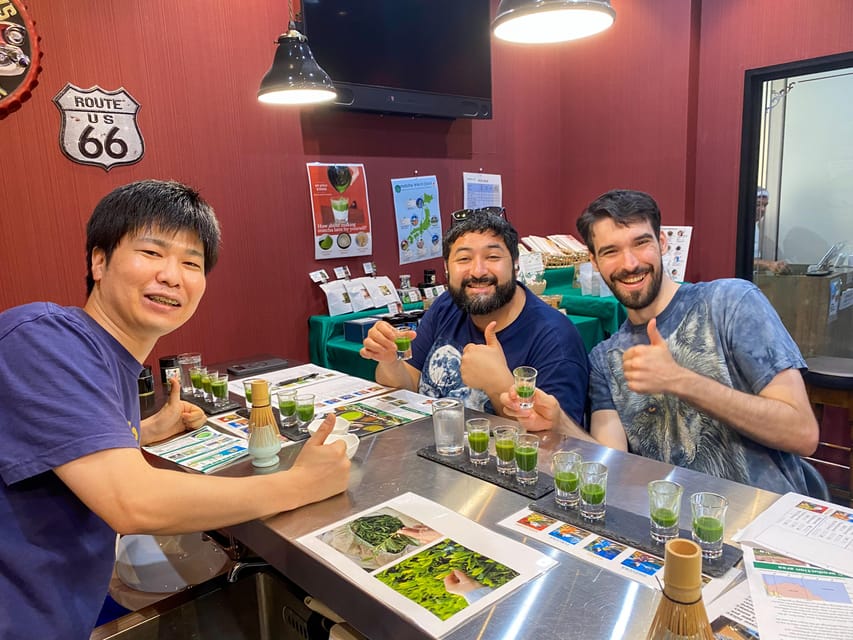
Right away, you’ll sip a welcome drink while your guide sets the stage. You’ll hear about what matcha is, plus how it’s produced and why it ends up tasting the way it does.
Chisei’s background matters here. He’s a former tea farmer who grew tea for six years in Kyoto, so his explanations tend to connect directly to real farming choices rather than just describing matcha as a concept. That connection is what makes the tasting portion easier to understand.
You’ll also get the practical mindset the class runs on: look closely, smell first, then taste. It’s not about being fancy. It’s about training your senses to catch differences that most people miss when they’re drinking only one matcha at a time.
Side-by-Side Matcha Tasting from Multiple Japanese Production Areas
This is the heart of the experience. You’ll taste matcha from five representative production areas, with the overall tasting set designed around multiple types (including up to ten varieties). During the guided comparison portion, you’ll work through a smaller set in small portions so you can compare clearly.
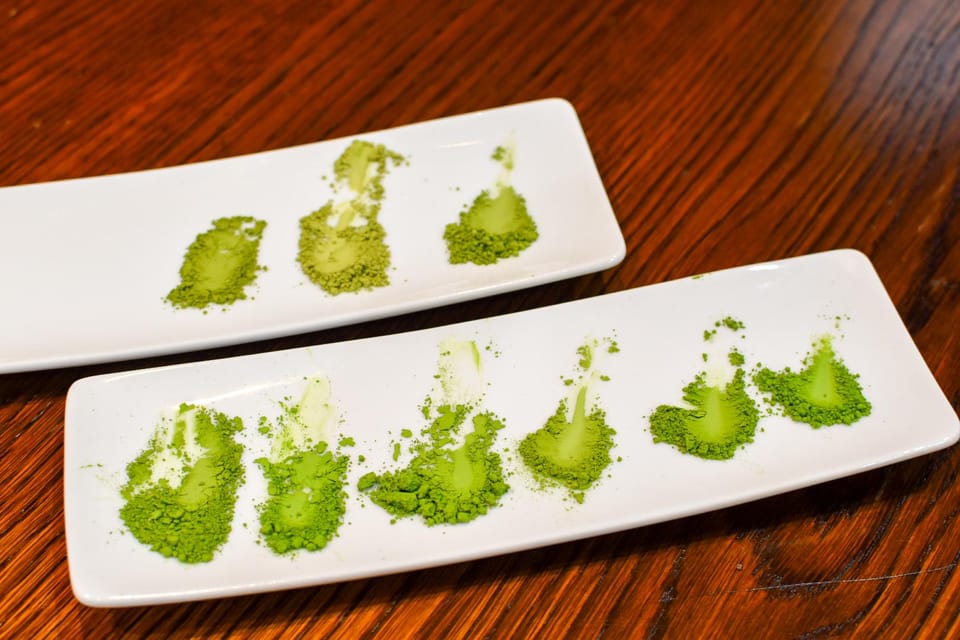
A helpful detail: you get to see the matcha first, then the guide prepares the tea and serves it. That means you’re not just tasting blindly—you’re building a mental picture of how color and texture show up in each cup.
You’ll also hear a key distinction during the tasting: some are ceremonial grade, while others are not defined as matcha in the strict traditional sense, even though they’re often sold as matcha overseas. The class doesn’t treat this as a gotcha. It gives you language for what you’re drinking and why it behaves the way it does.
One more practical thing: because you’re tasting in small portions, you get variety without feeling totally overloaded. You can still enjoy the final drinks and sweets without turning matcha into a punishment.
How to Read the Cup: Color, Fragrance, and What to Notice
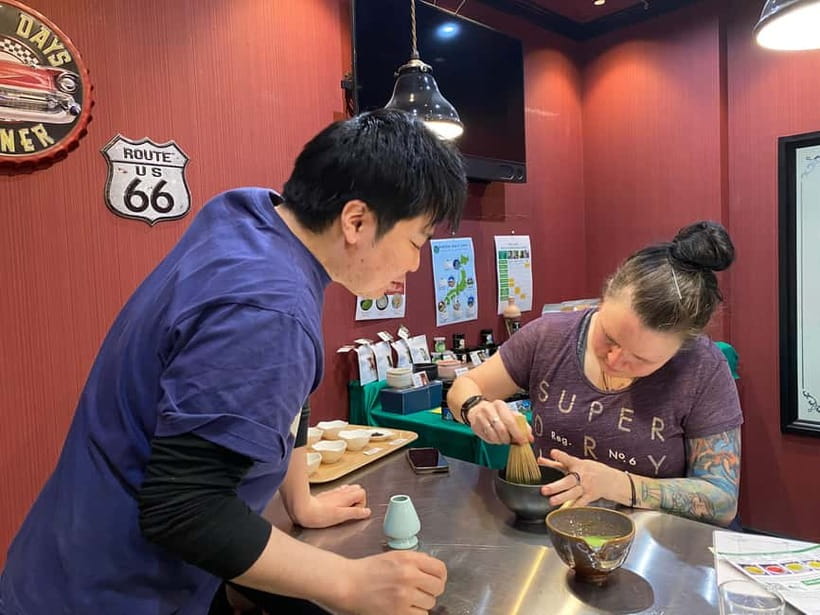
The class nudges you toward three things that make matcha comparisons feel real: color, fragrance, and taste progression.
Color first. Matcha isn’t one shade. You’ll notice differences that can signal how it’s processed and what style it targets. Don’t worry about being exact. Your goal is pattern recognition: which cups look closer to what you imagine matcha should be, and which ones look different in a way you can taste.
Fragrance second. When the guide prepares each cup, take a moment to smell before you drink. You’re trying to catch the aroma profile that fits the taste—grassy, mellow, or more nutty depending on what’s in the cup.
Taste progression third. Matcha can start with one impression and end with another. The class setup encourages you to take small sips and pay attention to how bitterness, sweetness, and umami feel as it moves across your palate.
And here’s a small tip: since you’ll later choose one matcha to make at home, start thinking early. Don’t just pick what’s strongest. Pick what you can imagine drinking again.



Choosing Your Favorite and Making Ousucha with a Bamboo Whisk
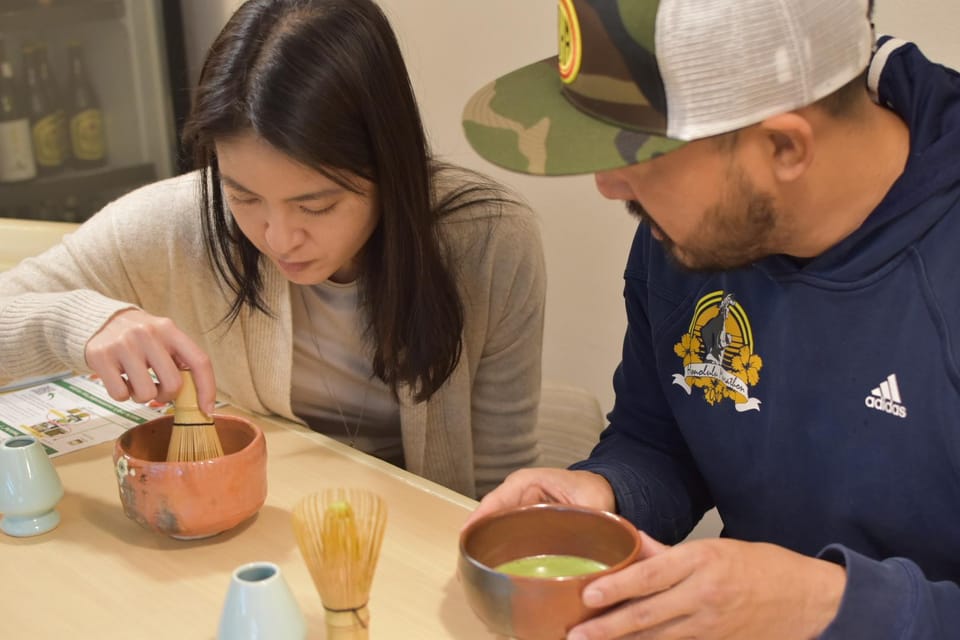
After the comparison, you’ll choose the matcha you like best from what you tasted. Then comes the hands-on part: making your own matcha using a bamboo tea whisk.
You’ll end by making Ousucha (matcha) with that whisk. The practical value here is huge. Tasting teaches you preferences, but making teaches you method. Even if you never become a tea hobbyist, you’ll learn how the whisking step affects texture and overall enjoyment.
Since this is a class for general guests, the instruction is designed to be doable in a real-life setting. You should leave with a sense of what to replicate at home, not just a memory of green tea.
Also, if you’re the kind of person who always wants to try cooking classes but worries you’ll fail in the kitchen, this part is reassuring. You’re making one focused drink, not a multi-step feast. That’s time-efficient, and it helps you succeed.
Matcha Latte, Hojicha Latte, and Matcha Sweets: Where Flavor Changes
Once your whisking is done, the experience shifts into pairing mode. You’ll enjoy matcha latte and matcha sweets, and you can also drink a hojicha latte.
This portion matters because it teaches you that matcha is flexible. Some matcha that tastes intense on its own becomes smoother and rounder with milk. The class uses an original blend matcha that’s described as going perfect with milk, so you’re tasting matcha in a more everyday format, not just a traditional cup.
Hojicha latte gives you another useful contrast. Hojicha is typically more roasted and can feel less sharp than standard green-tea style flavors. Trying it in latte form helps you understand what kind of matcha character you prefer: fresher and greener, or calmer and warmer.
For sweets, the goal is pairing. You’re not just eating something after a class. You’re testing whether your favorite tasting matcha is also a good companion to sweetness and milk-based drinks.
Who This Tour Fits Best (and When It Doesn’t)
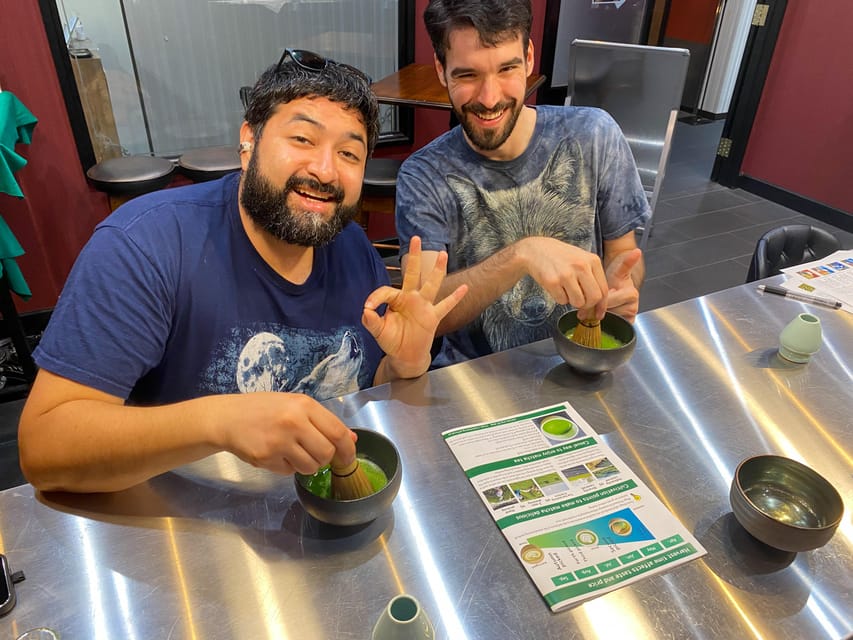
This is a strong fit if you want a guided way to learn Japanese tea without needing prior knowledge. The class is designed for general guests, and it’s taught in English, so you can focus on taste and technique instead of deciphering complicated tea vocabulary.
It’s also a good match if you’re traveling with someone who likes food and drinks but doesn’t want a whole day tied up in one place. Ninety minutes is a practical slot, and the small group size keeps the experience personal.
Where it might not fit: if you’re looking for an in-depth, ceremonial-style session with long meditation pacing and highly formal choreography. This class is structured for tasting, making, and then relaxing with latte and sweets. That’s the trade-off for a shorter time window.
Price and Value: Is $63 Worth 90 Minutes in Asakusa?
At $63 per person for 90 minutes, you’re paying for three big things: guided tasting (multiple matcha types from different areas), hands-on making with a bamboo whisk, and a sit-down finish with matcha latte, hojicha latte, and sweets.
If you tried to do this on your own, you’d face two costs: finding multiple matcha products from different production areas and figuring out how to compare them like a teacher would. This experience bundles the selection and the guidance, so you’re not just buying drinks—you’re learning how to taste.
The class also keeps the group small (limited to five). That matters because tasting differences are subtle, and you’ll benefit more if you can ask questions and follow the guide’s preparation steps.
If you’re the type who loves food education, this price can feel fair fast. If you only want one matcha drink and don’t care about comparisons or technique, you’d probably get less value.
Should You Book This Matcha Tasting and Making Class?
I think you should book if you want a practical matcha education you can use at home. The format is built around real tasting comparisons, a Kyoto tea-farmer perspective, and a moment where you actually whisk your own matcha.
You should pause before booking if you want a long, traditional tea ceremony experience above all else. This is shorter and more casual in spirit, even though it still teaches method and respects the drink.
One more deciding point: if you enjoy hands-on classes and you like variety—straight matcha, milk drinks, and roasted hojicha—you’ll leave with more than a souvenir. You’ll leave with a personal favorite and a process you can repeat.
FAQ
FAQ
How long is the matcha tasting and making experience?
It lasts 90 minutes.
What is the price per person?
The price is $63 per person.
Where is the meeting point?
It’s in the Henn na hotel Asakusa Tawaramachi. There is a FamilyMart on the first floor, and you enter the hotel and come to the second floor.
Is transportation included?
No. Transportation to the experience location is not included.
How many people are in the group?
The group is small, limited to 5 participants.
What language is the instructor?
The instructor is English.
What will I taste during the class?
You’ll taste matcha from multiple production areas, including up to 10 different types, with a guided comparison portion that serves multiple types in small portions. You’ll also enjoy matcha latte and can drink hojicha latte.
Do I make matcha myself?
Yes. After tasting and choosing your favorite, you’ll make matcha using a bamboo tea whisk and make Ousucha (matcha).
Are matcha latte and sweets included?
Yes. Matcha latte and matcha sweets are included.
Can I cancel for a full refund?
Yes. You can cancel up to 24 hours in advance for a full refund.
Is there an option to pay later?
Yes. You can reserve now and pay later.