REVIEW · YOKOHAMA
midnight Wangan attack & JDM car meet
Book on GetYourGuide →Operated by Rocket Crew · Bookable on GetYourGuide
Midnight Wangan energy in one night. This is a tight, small-group tour built around JDM car-meet icons and the specific parking areas where the Tokyo scene actually gathers. I like that it feels practical, not touristy, with a real focus on where the cars are. One thing to think about first: the vehicle uses bucket seats, so there are height and weight limits.
What I like most is the way the guide turns car-spot time into car-knowledge time. You get in-depth explanations of Japan’s tuning scene and history, plus a chance to chat and look closely at builds up close. I also like the flow: photo stop early, then quick self-guided time at each area so you can look, shoot, and move on without feeling rushed.
The only real drawback is that the plan is not designed for late-night wandering on your own. The stops are fixed, and Daikoku PA is not a place everyone can access easily by public transport—so if you’re hoping to improvise, this is more of a structured ride than a free-form hunt.
In This Review
- Key highlights worth caring about
- Why this night car-meet loop is such good value
- Tokyo Tower photo stop: fast, classic, and actually useful
- Tatsumi 1st PA: the warm-up before the main show
- Umihotaru: longer look time for details and variety
- Daikoku Parking Area: where the night becomes a car movie
- The guide factor: why explanations matter as much as the cars
- Logistics that keep the night from getting stressful
- What “small group” changes for your experience
- Who this suits best (and who should skip it)
- The bottom line: is it worth $193 for 150 minutes?
- Should you book this JDM night car-meet tour?
- FAQ
- How long is the experience?
- What is the price per person?
- Where does the tour start?
- What stops do you visit?
- Is the tour guided or self-guided?
- What is the group size?
- Are any vehicles or activities prohibited?
- Are there age requirements?
- Is the tour suitable for tall or heavier guests?
- What’s included in the price?
Key highlights worth caring about
- Daikoku PA focus: the legendary nighttime meeting spot for tuning and street-car culture
- Small group (3 max): easier viewing and more personal guide time
- Guide-led culture context: you’re not just watching cars, you’re learning why they matter
- Professional driving + good music vibes: guides are praised for keeping the ride smooth and fun
- Still lively on weeknights: even a Tuesday night can mean plenty of cars to see
- Photography friendly: neon reflections, wraps, and variety make it easy to get strong shots
Why this night car-meet loop is such good value
At $193 per person for 150 minutes, this isn’t priced like a generic bus tour where you mostly stare out a window. You’re paying for three things that add real value: access to the right places, a live guide who can explain what you’re seeing, and included vehicle transport along the fixed route.
That matters because Japan’s car-meet world isn’t always simple to navigate as a newcomer. Some of the famous spots are hard to reach by public transit, and car-meet time is short. Here, you’re getting pulled straight into the action route rather than spending your night figuring out routes and connections.
Also, the group size is small. Limited to 3 participants, the guide can keep you oriented, point out what’s worth your attention, and keep the ride comfortable. If you’ve ever felt lost in a larger group while everyone else races ahead, you’ll probably appreciate this setup.
You can also read our reviews of more tours and experiences in Yokohama.
Tokyo Tower photo stop: fast, classic, and actually useful
You start with a brief Tokyo Tower photo stop (about 15 minutes). This isn’t meant to replace sightseeing. It’s a quick “set the scene” moment that gets you oriented before you head toward the night car areas.
I like this kind of first stop because it helps you settle in. You see a landmark, you get your first photos, and you’re not yet trying to process the car-meet atmosphere. It also helps if you’re new to Tokyo at night; you’re getting a visual anchor before you shift into a totally different vibe.
If you’re the type who cares about photos, use this moment for clean tower shots and a couple of warm-up pictures of the streets at night. Then, when you arrive at the car areas, you’ll already be in photographer mode.
Tatsumi 1st PA: the warm-up before the main show
Next comes Tatsumi 1st PA for a self-guided window (around 15 minutes). Think of it as the pre-game. You’re not spending the whole night here; you’re getting an early taste of the scene and learning how the flow works on arrival.
Self-guided time is important. A guide can point things out, but cars don’t follow a script. If something catches your eye, you’ll want a little freedom to move, look under different angles, and get close enough for details like wheels, body kits, and decals.
This short stop also keeps the energy up. You don’t have to commit to a long watch before the bigger areas. It’s a smart way to help first-timers understand what kinds of cars and styles tend to show up.
Umihotaru: longer look time for details and variety
Umihotaru is your next self-guided stop (about 35 minutes). This is where the time investment starts to pay off. With an extra half hour compared to Tatsumi, you can slow down and do what most people miss: noticing the small stuff.
This is where you’ll likely spend time studying:
- how cars sit (stance, wheels, fitment)
- how paint and wraps catch the light
- how drivers park and cluster (it changes how you can photograph)
I also like Umihotaru because it’s a different kind of feel than Daikoku. You get more “scene scanning” time before you hit the famous parking area. If you want photos that show variety, this is a good place to gather them because you’re not only hunting one kind of car.
One practical note: it’s self-guided, so come ready to walk and stand. Bring the mindset that you’ll be moving from angle to angle fast.
Daikoku Parking Area: where the night becomes a car movie
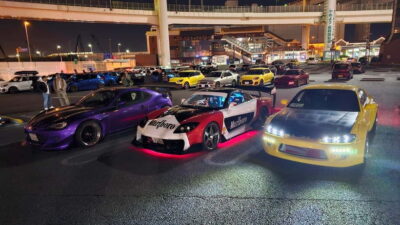
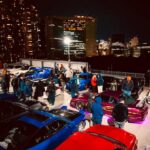
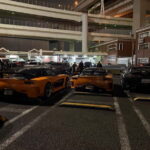
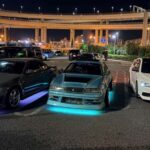
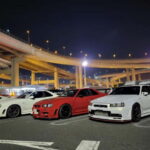
Then you reach the star of the show: Daikoku Parking Area (around 35 minutes self-guided). This is one of Japan’s most famous tuning gathering spots, and the atmosphere is often described as pure engine-night electricity.
Here’s what makes it special for real enthusiasts:
- You’re likely to see a mix of heavily modified Japanese cars and high-end exotics.
- You get close enough for details that don’t show up well on Instagram compression.
- The whole place is built for night viewing, with lights that make cars look dramatic.
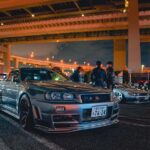
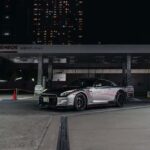
If you love JDM specifically, Daikoku is known for the kinds of legends tuning fans chase: Nissan GT-R models (including the R35 generation) and Toyota Supra builds show up in the scene you’re aiming for, along with rotary-powered Mazdas and customized Hondas. Even when you’re not hunting specific models, the variety helps—one moment you’re looking at aggressive bodywork, the next you’re noticing how exhaust setups and intercooler choices change the car’s character.
Also, this is where photography can really click. Neon reflections and wrap colors can look unreal on a night shoot. If you want one strong “I’m really here” photo, this is the place to prioritize it.
From the ride-side perspective, guides are praised for keeping the overall experience fun and focused, including professional driving and a good music taste that makes the night feel less like a checklist and more like a guided night out.

The guide factor: why explanations matter as much as the cars
A big difference between a car-meet visit and a great one is what you understand while you’re standing there.
This experience includes live explanations about Japan’s tuning scene and history. That helps you decode things like:
- what certain builds are trying to achieve (stance, power feel, handling style)
- why specific models are celebrated
- how the culture emphasizes craft and respect among drivers
And because the group is small, the guide can tailor attention to what you care about. If you’re more into JDM, you’ll get pointed toward the most meaningful cars and the stories behind them. If you’re more into photography or “what’s the point of this culture,” you’ll still get context that makes your photos feel smarter.
Language options are English and French, which is great if you want fewer gaps in the explanations.
Logistics that keep the night from getting stressful
You’re picked up at Arrow Parking Udagawachō, and the meeting instruction is specific: take the elevator to the 8th floor. That detail matters more than people think. In Tokyo, the difference between arriving on the correct floor and searching outside in the cold can decide whether your night feels smooth.
Transport is included as part of the experience along the fixed route, which removes the most time-consuming hassle: getting yourself to places like Daikoku without turning your evening into an app-and-subway puzzle.
Two small practical notes:
- No smoking in the vehicle.
- You’ll be in a bucket-seat setup, and there are limits listed for fit. If you’re over 100 kg or over 180 cm, this may not be comfortable or may not work for you.
What “small group” changes for your experience
Limited to 3 participants, you avoid two common problems:
1) you don’t get split up
2) you don’t wait for a guide to herd a crowd
In a small group, you can actually look at cars instead of standing in one spot while the group moves in chunks. It also makes it easier to ask questions without feeling like you’re interrupting.
If you travel with a friend, this can feel like a mini private tour. If you’re solo, it still stays social in a controlled way—more “group of enthusiasts” than “tour bus vibes.”
Who this suits best (and who should skip it)
This tour is built for people who want to see the Tokyo night car scene in a way that’s guided, structured, and focused on the actual car-meet hotspots.
It’s a great fit if you:
- love JDM and want to stand where the icons show up
- want a photography-friendly night with lots of different builds
- prefer a guide that explains the tuning world, not just a ride
It may not be ideal if you:
- need lots of flexibility to change stops on the fly
- hate walking/standing during self-guided viewing windows
- fall outside the fit guidance (over 100 kg or over 180 cm)
It also requires an adult for participants under 18.
The bottom line: is it worth $193 for 150 minutes?
For $193, you’re buying three key upgrades: access to hard-to-reach areas, a live guide who connects the dots, and the convenience of included transport. The self-guided windows also give you the freedom to photograph and explore at your own pace while still benefiting from the guide’s context.
If your priority is to get to Daikoku and you’re doing Tokyo during a busy schedule, this is a very efficient way to do it without spending your night playing logistics roulette.
If your priority is roaming randomly, spending hours in one place, or building your own route, you’ll probably feel constrained by the fixed stop plan.
Should you book this JDM night car-meet tour?
I’d book it if you want a tight, high-energy night where you hit the real car spots and understand what you’re seeing while you’re there. The best part is the combination: Daikoku-level car attention plus a guide who can translate the tuning culture into something you’ll actually recognize.
Skip it if you’re expecting a long, free-form street-racing-style wander, or if the fit limits (bucket seats, height/weight guidance) could be an issue for you.
If you’re a car person visiting Tokyo and you want one night that feels purpose-built, this is the kind of experience that turns into a “I remember that sound and that lineup” moment, not just a photo set.
FAQ
How long is the experience?
It lasts about 150 minutes total.
What is the price per person?
The price is listed as $193 per person.
Where does the tour start?
The meeting point is Arrow Parking Udagawachō. You take the elevator to the 8th floor.
What stops do you visit?
You’ll do a photo stop at Tokyo Tower, then self-guided time at Tatsumi 1st PA, Umihotaru, and Daikoku Parking Area, and return to the start.
Is the tour guided or self-guided?
You get a live English or French tour guide, plus self-guided time at each car-meet parking area stop.
What is the group size?
It’s a small group with a maximum of 3 participants.
Are any vehicles or activities prohibited?
Smoking is not allowed in the vehicle.
Are there age requirements?
Participants under 18 must be accompanied by a responsible adult.
Is the tour suitable for tall or heavier guests?
It’s not recommended for people over 100 kg or over 180 cm, since seats may be uncomfortable.
What’s included in the price?
The price covers the guided tour and the included transport along the fixed route, plus the in-depth explanations and time at the car culture spots. Food and drinks are not included.