REVIEW · FUJISAWA
From Tokyo: Kamakura, Great Buddha, and Enoshima Bus Tour
Book on GetYourGuide →Operated by LIMON Tours · Bookable on GetYourGuide
Great Buddha and the coast in one long day. This tour layers Kamakura’s towering Great Buddha with Enoshima’s seaside views and retro Enoden train, then finishes with Asakusa and Shibuya contrast. You’re also set up with built-in admissions and transit, so you can spend your energy on the places—not the planning.
I especially like how the day mixes big-ticket sights with quick-hit culture stops. You’ll hit Tsurugaoka’s samurai-era atmosphere, then step into Asakusa’s old-street shopping for Senso-ji and Kaminari-mon. The one real drawback to keep in mind: the schedule is packed, so time at the Great Buddha and Enoshima can feel tight if you want extra lingering or lighthouse views.
In This Review
- Key Things That Make This Tour Worth Your Time
- Why This Kamakura and Enoshima Day Trip Works Best from Shinjuku
- Getting There on Time: The Shinjuku Meet-Point Details That Matter
- Kamakura’s Great Buddha: 13.5 Meters of Gold-Leaf History
- How to get the most out of your Great Buddha time
- Enoshima Shrine and Nakamise-dori: Sea Gods and Snack Time
- The practical catch: views can be a timing issue
- The Enoden Train Along the Coast: A Retro Break from Walking
- Tsurugaoka Hachimangu: Samurai-Era Energy in a Quiet Garden Setting
- Asakusa’s Senso-ji, Kaminari-mon, and Shopping Streets
- Lunch note
- Shibuya Crossing at the End: Old Meets New in One Last Moment
- Price and Value: Does $75 Make Sense?
- Guide Quality and Pacing: The Trade-Off You Feel
- Who This Tour Suits (and Who Should Skip It)
- Should You Book This Tour?
- FAQ
- Where is the meeting point in Tokyo?
- What time does the tour depart?
- How do I find the right staff member?
- Is hotel pickup included?
- Is the tour walking-heavy?
- Does the tour run in the rain?
- What is included in the tour price?
- Is lunch guaranteed?
- Is there an extra fee for entering the Great Buddha?
- Are infants allowed, and what do they pay?
- What languages are offered?
Key Things That Make This Tour Worth Your Time
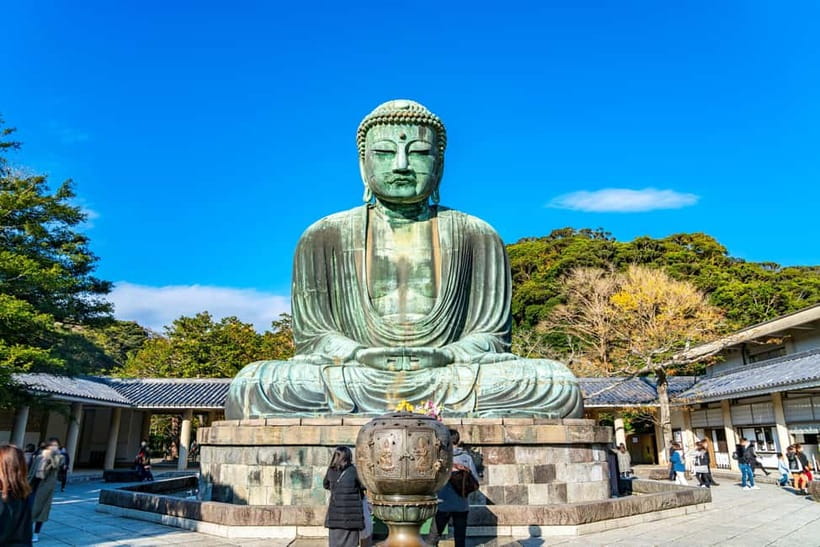
- Great Buddha of Kamakura: A 13.5-meter national treasure with a weathered copper patina from centuries of storms.
- Enoden seaside ride: A retro 1-car train along the ocean, with occasional Mt. Fuji sightings on clear days.
- Tsurugaoka Hachimangu: Samurai-era shrine grounds tied to the annual Yabusame horseback archery ritual.
- Asakusa classics: Senso-ji, Kaminari-mon, and the energy of Nakamise-dori shopping streets.
- Structured free time: Enough breathing room to wander, snack, and take photos—without needing constant navigation.
Why This Kamakura and Enoshima Day Trip Works Best from Shinjuku
This is a smart option if you want a classic Kanagawa day trip without juggling trains all morning. The itinerary stitches together several walkable, landmark-heavy areas: Kamakura → Enoshima → Tsurugaoka → Asakusa → Shibuya. From Tokyo, that sequence saves you time and reduces decision fatigue.
I also like that the tour isn’t just about temples. You get the human scale of shrine gardens and shopping streets, plus the spectacle of the Great Buddha and the ocean ride. It’s an easy way to see why Kamakura and Enoshima have stayed popular for generations.
You can also read our reviews of more tours and experiences in Fujisawa.
Getting There on Time: The Shinjuku Meet-Point Details That Matter
You’ll start at Shinjuku Center Building, a red brick entrance in front of a taller white building. It’s about a 7-minute walk from JR Shinjuku Station, and the meet time is 7:30 with a strict 7:40 departure. A LIMON staff member wearing a yellow jacket/vest/shirt will help you find the right group.
Bring comfortable shoes and water, because this day includes a meaningful amount of walking. Also plan for the weather: the tour runs rain or shine unless severe weather forces changes.
Kamakura’s Great Buddha: 13.5 Meters of Gold-Leaf History
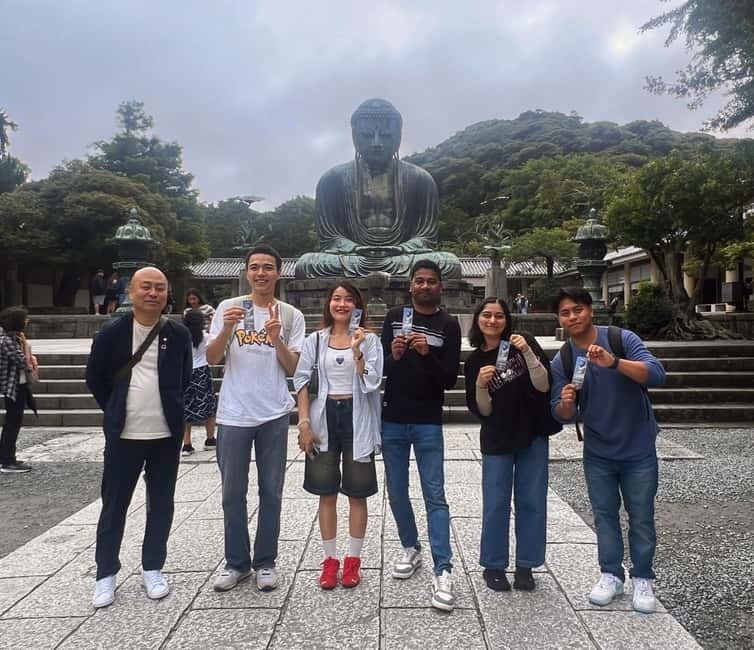
The main star is the Great Buddha of Kamakura, a 13.5-meter-tall statue that’s been standing for around 750 years. It was originally covered in gold leaf, but earthquakes and typhoons have left it with that distinctive aged look—a copper patina you can’t fake with a photo filter.
If you’re curious about the craftsmanship, there’s an optional add-on: 50 yen on-site to enter the statue and read about how it was made. That’s not required to enjoy the visit, but it’s a nice extra if you like details and want something more hands-on.
How to get the most out of your Great Buddha time
This is one of those places where it’s easy to rush. If you like taking your time—zooming in on the texture, reading plaques, or walking around—arrive with a plan for what you want to see first. Some people find the time allocation a bit tight, especially if you also want the observation opportunities beyond the statue.
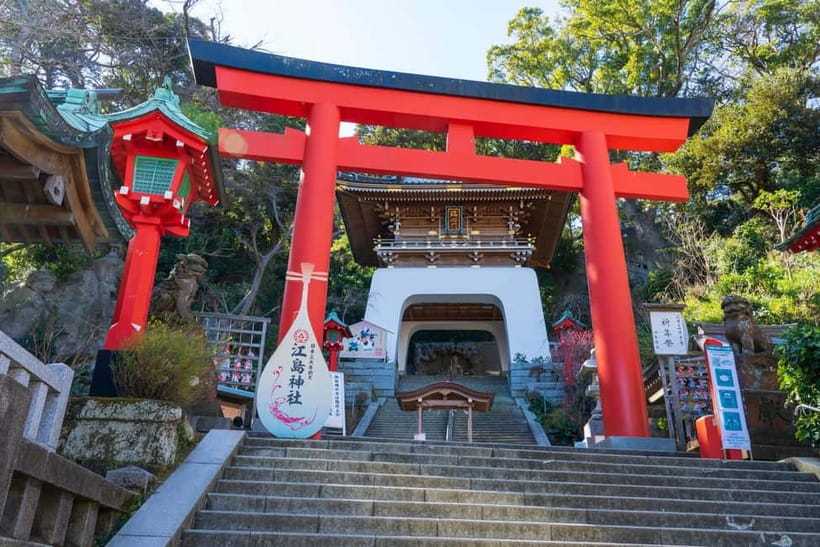
Enoshima Shrine and Nakamise-dori: Sea Gods and Snack Time
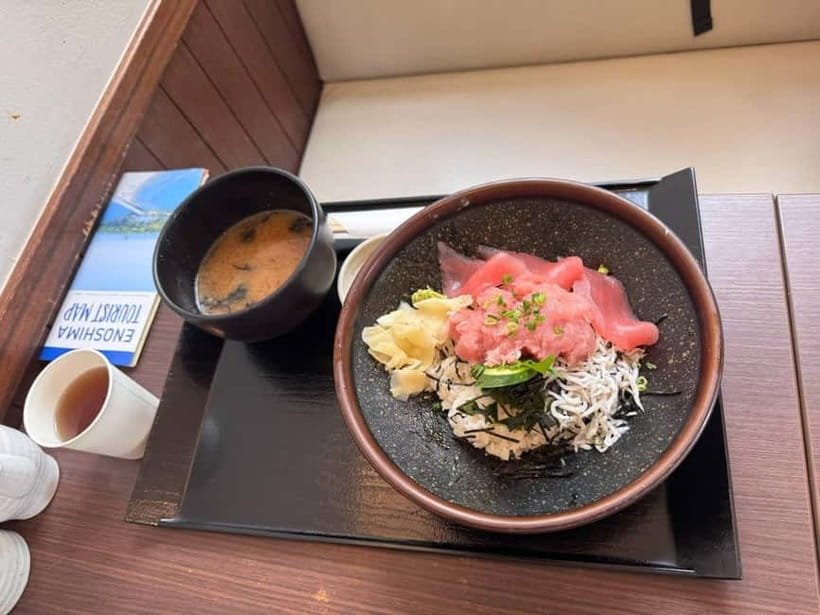
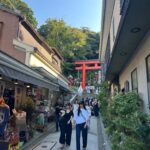
After Kamakura, the day swings toward Enoshima with time at Enoshima Shrine and the surrounding shopping street. Nakamise-dori is the lively approach, where you can browse souvenirs and grab local food while you slowly climb and orient yourself.
Enoshima Shrine is associated with three sister goddesses of the sea and more—linked to water, good luck, finance, and the arts. You don’t have to understand every detail to enjoy the atmosphere. The payoff is the mix of shrine calm and the bustle of people moving between snacks, stalls, and viewpoints.
The practical catch: views can be a timing issue
One thing to watch: if your priority is lighthouse-style panorama viewing, you might find the schedule doesn’t leave enough slack. The tour includes shrine and shopping time, but there isn’t guaranteed room for every extra viewpoint option.
The Enoden Train Along the Coast: A Retro Break from Walking
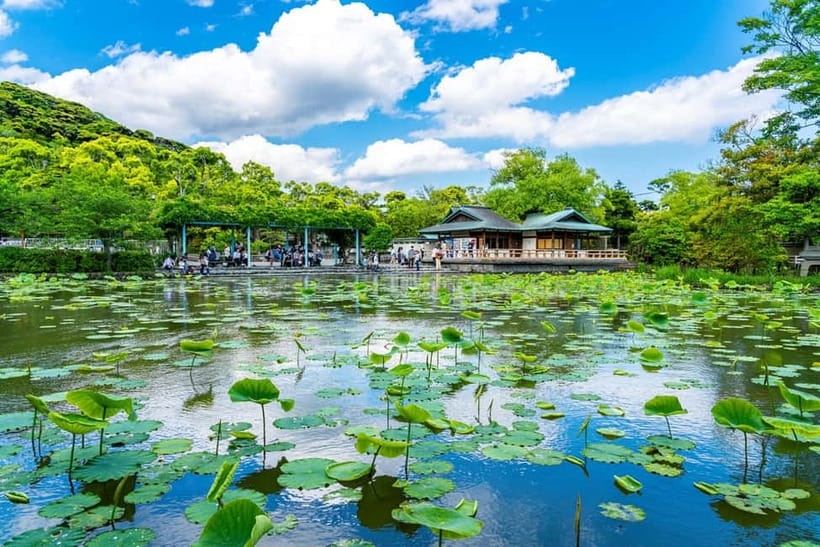
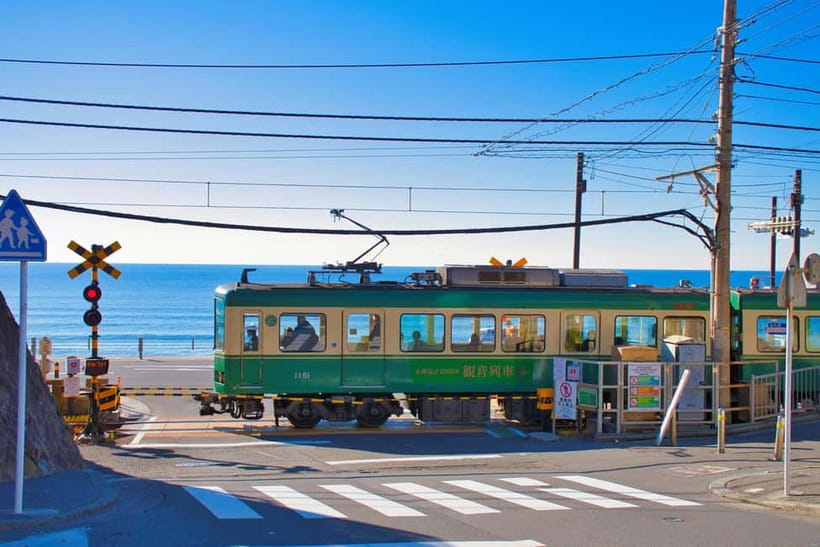
Then comes one of the best mood-changers of the day: the Enoshima Electric Railway (Enoden). It’s described as a retro 1-car train running along the seaside, so you get to slow down while the ocean slides past.
On clear days, you may even spot Mt. Fuji in the distance. And yes, there’s a fun pop-culture nod too: the route includes the famous railroad crossing associated with the Slam Dunk animation.
I love train rides like this on a sightseeing day because they do two things. They break up the walking, and they make the scenery feel like part of the experience—not just a photo background you rush past.
Tsurugaoka Hachimangu: Samurai-Era Energy in a Quiet Garden Setting
Next is Tsurugaoka Hachimangu Shrine, built more than 800 years ago in the Kamakura Period. This shrine is tied to the time when samurai power shaped the city, and the grounds still carry that sense of importance and ceremony.
A key tradition is Yabusame, the annual horse archery ritual. Even if you’re not there during the event, knowing that it’s part of the shrine’s living calendar helps you read the space with more meaning.
You’ll also see the tranquil pond and garden areas. That contrast—big historical weight plus calm landscaping—is one reason this stop feels more than just another temple photo-op.
Asakusa’s Senso-ji, Kaminari-mon, and Shopping Streets
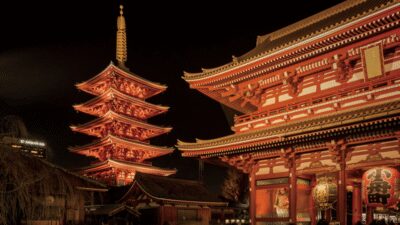
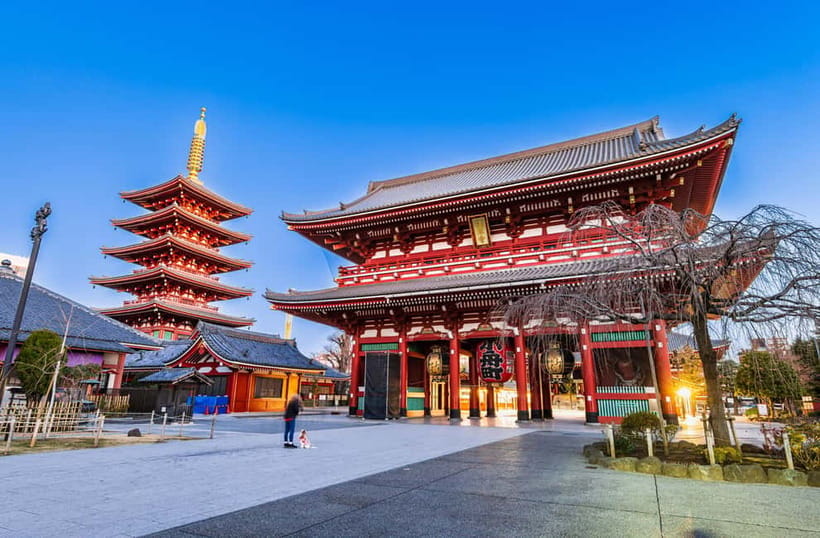
From Kamakura/Enoshima, you head back toward the Tokyo-side classics with Asakusa as the hub. This is where the tour taps into real downtown sightseeing energy: Senso-ji, the thunder gate area, and the shopping streets that make the neighborhood feel lived-in.
You’ll get time at Kaminari-mon and Senso-ji, with Tokyo Skytree visible in the distance in many views. It helps that Asakusa’s layout is so walkable once you get your bearings. And if you enjoy browsing, you’ll have opportunities around the popular shopping streets, including Nakamise-dori and the nearby shopping vibe tied to the day’s Kamakura connection.
Lunch note
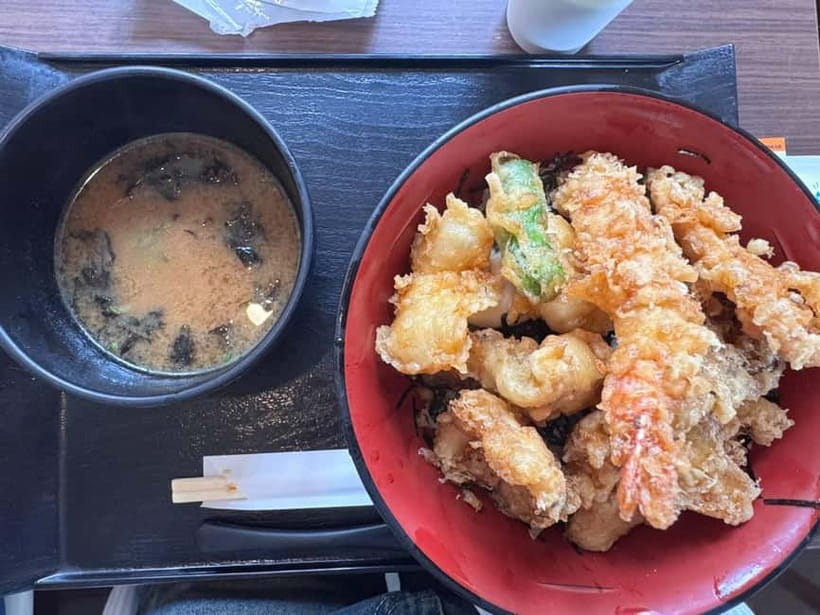
Lunch is included only if you choose the lunch option. When it is included, the lunch experience is described as delicious and filling, which is exactly what you want on a long day when you still have Shibuya ahead.
Shibuya Crossing at the End: Old Meets New in One Last Moment
The itinerary finishes with Shibuya Crossing, after using Tokyo Metro from Asakusa to Shibuya. This is the clean contrast button: you go from shrine atmosphere and old-street textures into Tokyo’s neon, fast-foot traffic, and modern skyline vibe.
Also, the tour ends after getting you to the area—so I’d treat Shibuya like your personal wrap-up time. If you want snacks, photos, or a quick rest before heading back, this is a good place to do it.
Price and Value: Does $75 Make Sense?
At $75 per person, this tour is best understood as a bundle of transportation plus several paid elements. You’re covered for guided Kamakura time, Great Buddha admission + visit, the Enoshima Electric Railway ticket, and the Tokyo Metro ride from Asakusa to Shibuya.
You’re also riding in air-conditioned transportation, with the vehicle type depending on group size. That kind of included comfort matters on a day that involves both walking and long travel legs.
Lunch is an extra variable: it’s only included if you select that option. So if you’re trying to evaluate value, check whether your booking includes lunch, and think about how much you normally spend on a Tokyo day outing.
Guide Quality and Pacing: The Trade-Off You Feel
This tour can feel like two different experiences depending on your group dynamic and the guide’s speaking style. Some people loved the guide’s patience and ease, especially when English communication was difficult. Others felt they wanted a little more landmark context and smoother narration.
Pacing is the other theme. Most stops include time for wandering, which is a win if you don’t want to be rushed like a checklist. Still, some people felt the time at the Great Buddha and Enoshima wasn’t enough for every viewpoint they hoped to add.
If you’re the type who hates rushing, go in with realistic expectations. Prioritize one main thing at each stop—then enjoy the rest without getting frustrated.
Who This Tour Suits (and Who Should Skip It)
This tour is a strong match if you want a single-day Kamakura + Enoshima plan with built-in transit and major sights done in the right order. You’ll like it if you enjoy walking, shrine culture, seaside scenes, and Tokyo neighborhoods that feel different from each other.
It may be less ideal if you want lots of downtime or you’re a lighthouse-views-first type. With this schedule, you’ll likely need to choose between deeper time at fewer spots versus hitting everything broadly.
Should You Book This Tour?
I’d book it if your goal is to see the Great Buddha, ride the Enoden, and still get real sightseeing time in Asakusa and Shibuya without planning the route yourself. The $75 price feels fair because the tour includes several concrete components: rail ticket, admissions, Metro transit, and guided time.
Skip it—or at least adjust expectations—if you know you need long, slow time at the Great Buddha and multiple Enoshima viewpoints. With a packed day, you’ll get a satisfying mix, but not every extra option is guaranteed.
FAQ
Where is the meeting point in Tokyo?
You meet in front of the Shinjuku Center Building, the red brick entrance in front of a taller white building. It’s about a 7-minute walk from JR Shinjuku Station.
What time does the tour depart?
You meet at 7:30 and the bus departs strictly at 7:40.
How do I find the right staff member?
Look for a LIMON staff member wearing a yellow jacket/vest/shirt.
Is hotel pickup included?
No. Hotel pickup and drop-off are not included.
Is the tour walking-heavy?
Yes. There is a significant amount of walking, so comfortable shoes and water are important.
Does the tour run in the rain?
It operates rain or shine, unless severe weather conditions make it unsafe.
What is included in the tour price?
Included items cover guided Kamakura, Enoshima Electric Railway ticket, admission + visit to the Great Buddha of Kamakura, Tokyo Metro ticket from Asakusa to Shibuya, and lunch only if you select the lunch option.
Is lunch guaranteed?
Lunch is included only if you choose the lunch option. Otherwise, it’s not part of the package.
Is there an extra fee for entering the Great Buddha?
There may be. You can enter the statue and read about how it was made for an additional fee of 50 yen paid on-site.
Are infants allowed, and what do they pay?
Infants ages 0–2 may participate for free, but they won’t have lunch or a seat on the bus.
What languages are offered?
The tour is offered in English and Japanese.