REVIEW · TOKYO
Mt.Fuji Private SightSeeing Day Tour (From Tokyo)
Book on Viator →Operated by Thetokyotravel.com · Bookable on Viator
Mt. Fuji day trips should feel like a win, not a chore. This one works because it’s private (up to 6) and timed for big sight moments: 5th Station panoramas, shrine views, and Fuji Five Lakes stops in one long day. I especially like that the route mixes the obvious photo stops with a few calmer, more meaningful places, like Kitaguchi Hongu Fuji Sengen Shrine and Oshino’s spring-fed ponds. One drawback to plan for: it’s a 10-hour day with plenty of walking and stairs, and cave time means you’ll want warmer layers.
Comfort is a big part of why this tour is worth considering. You get an air-conditioned vehicle, bottled water, and onboard WiFi, plus pickup is offered, so you’re not wrestling trains and transfers when the goal is Fuji. If you’re lucky, your driver/guide could be someone like Moon or Imran—people specifically praised how smoothly they handled the day and kept things comfortable. The main tradeoff is simple: it’s priced per group ($564.68 up to 6), so you’ll get the best value when you’re filling most seats.
In This Review
- Key points at a glance
- Mt. Fuji Private Day Trip: Why This Route Works From Tokyo
- 5th Station at 2,300 Meters: Fuji Views Without the Climb
- Oshino Hakkai’s Snowmelt Ponds: Clear Water With a Volcanic Source
- Kitaguchi Hongu Fuji Sengen Shrine: A Real Climbing-Route Legacy
- Arakura Fuji Sengen Shrine and Chureito Pagoda Views
- Lake Kawaguchiko: Classic Reflections and a Good Place to Rest
- Oishi Park: Gardens, Charcoal Cone Soft Serve, and Mini Fuji Fun
- Aokigahara Lava Caves: Fugaku Wind Cave and the Ice Cave Experience
- Price and Value: What $564.68 per Group Buys You
- Comfort, Timing, and the Private-Vehicle Advantage
- Who This Tour Fits Best (and Who Might Want a Different Plan)
- Should You Book This Private Mt. Fuji Tour?
- FAQ
- How long is the Mt. Fuji private day tour?
- How many people are in a group?
- Is pickup in Tokyo included?
- Is the tour ticket mobile-based?
- What’s included in the price?
- What is not included?
- Are entry tickets included for the main sights?
- Is there lunch during the tour?
- What will the cave stop be like?
- What is the cancellation policy?
Key points at a glance
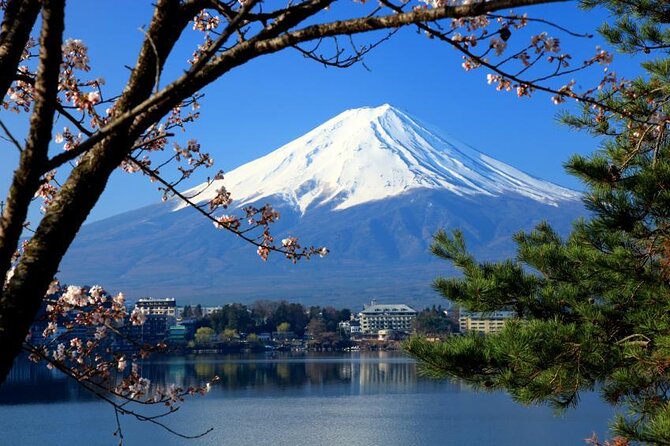
- 5th Station at 2,300 m for commanding views without needing to climb
- Shrine viewpoints tied to real Fuji climbing routes, not just scenic postcards
- Oshino Hakkai ponds fed by snowmelt filtering through porous lava layers
- Lake Kawaguchiko + Oishi Park for classic Fuji reflections and seasonal garden walks
- Fugaku Wind Cave and its ice features stay cool even in summer, with cave temperatures around 3°C
Mt. Fuji Private Day Trip: Why This Route Works From Tokyo
If you’re starting in Tokyo and only have one day, the hardest part is not the photos. It’s the time math. This private format helps because you’re not waiting on public schedules, and you can keep the day tightly packed with minimal fuss.
The big idea here is a “Fuji hits” loop. You go from altitude views (5th Station) down to the Fuji Five Lakes area, then into the volcanic surroundings near Aokigahara. Along the way you’ll see both the human side of Fuji worship—shrines, approaches, traditions—and the natural side—springs and lava caves.
Also, the day includes an observation mindset. You aren’t just driving past things; you’re given short stops that let you look around, take photos, and keep moving. It’s long, but it’s paced.
You can also read our reviews of more private tours in Tokyo
5th Station at 2,300 Meters: Fuji Views Without the Climb
The day begins at Mt. Fuji 5th Station, listed at about 2,300 meters above sea level. From here you get serious views of the Fuji Five Lakes region below, even if you’re not climbing at all. The altitude also makes it feel like you’ve stepped into a different layer of Japan—cooler air, big sky, and fewer crowds than you’d expect at lower lookouts.
You’ll have about 30 minutes at the station area. The route also points you toward an observation spot at Komitake Shrine behind the shops for unobstructed views of Fujiyoshida City and Lake Yamanaka. That little detail matters: it’s often the difference between generic “view of something” and a shot where Fuji actually dominates the frame.
Potential consideration: at higher elevations, weather can change how your day feels fast. Bring a light layer even if Tokyo feels warm, and plan for the fact that visibility can vary.
Oshino Hakkai’s Snowmelt Ponds: Clear Water With a Volcanic Source
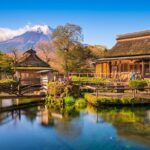
Next up is Oshino Hakkai, the village known for eight ponds. They’re set on the former site of a sixth lake that dried out centuries ago, and the key detail is how the water is supplied: snowmelt from Mt. Fuji filters down through porous layers of lava, then feeds the ponds for over 80 years.
That process is why the water is described as very clear, and why locals revere it. In practice, this stop is great for slowing your pace. You’re not trying to conquer the view; you’re strolling around ponds and letting the quiet do its job.
You get around an hour, and admission is listed as free. Since it’s a standard tourist area, you may still see crowds, but the layout and water-focused scenery tends to keep it from feeling hectic.
Kitaguchi Hongu Fuji Sengen Shrine: A Real Climbing-Route Legacy
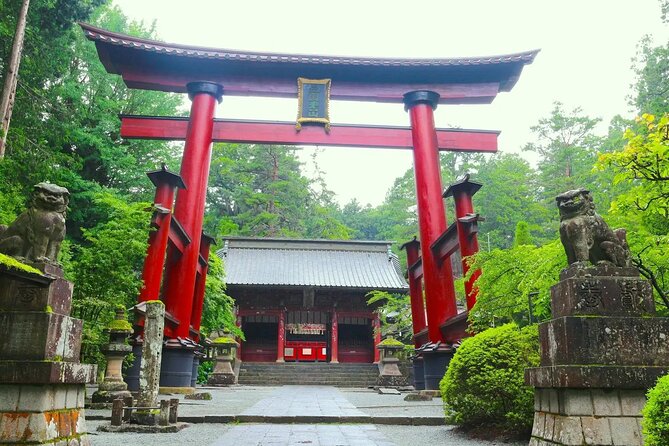
From springs and water, the day shifts into Fuji’s spiritual geography at Kitaguchi Hongu Fuji Sengen Shrine. This shrine is described as a historic starting point for climbing Fuji from the north. That kind of context changes how you read the place. You’re not just looking at a pretty shrine; you’re standing in a spot tied to how people historically prepared for a mountain journey.
The approach is part of the experience: a long walkway lined with stone lanterns, with tall cedar trees shading the route. Inside, you’ll find red-painted buildings, including a main hall dating to 1615, a dancing stage, and auxiliary buildings. You’ll have about 30 minutes, which is enough time for photos and a calm walk without turning the stop into a rushing sprint.
Admission here is listed as free, so you’re not losing time to lines or ticketing. The main thing you’ll want to watch is comfort on uneven ground and steps during the walk.
Arakura Fuji Sengen Shrine and Chureito Pagoda Views
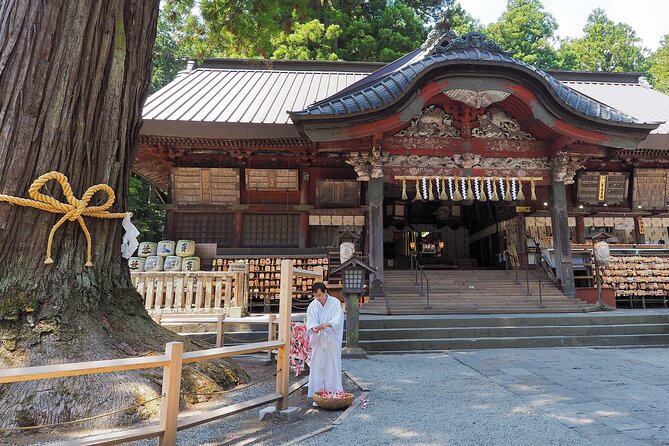
After Kitaguchi, you’ll also visit Arakura Fuji Sengen Shrine, described as established in 705. It enshrines the god of the Kai province (which corresponds to today’s Yamanashi prefecture area).
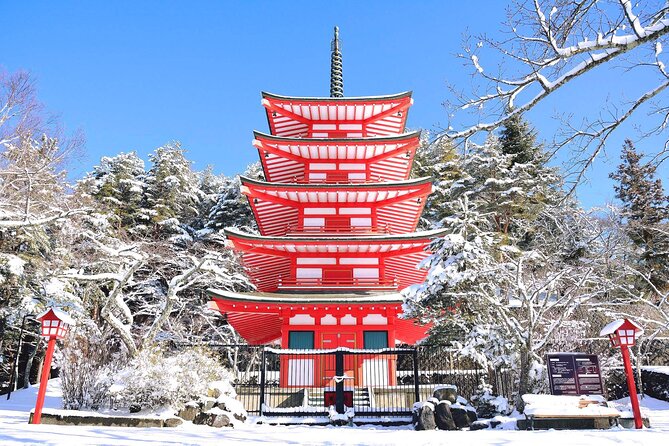
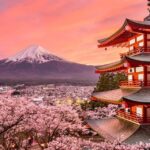
This stop is timed for visual variety. The shrine grounds include 650 cherry blossom trees that bloom in spring, and the park gives a breathtaking view of Mt. Fuji along with the goju no to (the five-storied Chureito pagoda). If you’re visiting in warmer months, you won’t get the cherry blossom effect, but the pagoda-and-Fuji framing is still the payoff.
You’ll have about 30 minutes. Admission is listed as free, so your time is mostly your own. Tip: if you’re chasing photos, arrive with your camera ready and take a few minutes to scan viewpoints before you settle on one angle.
Lake Kawaguchiko: Classic Reflections and a Good Place to Rest
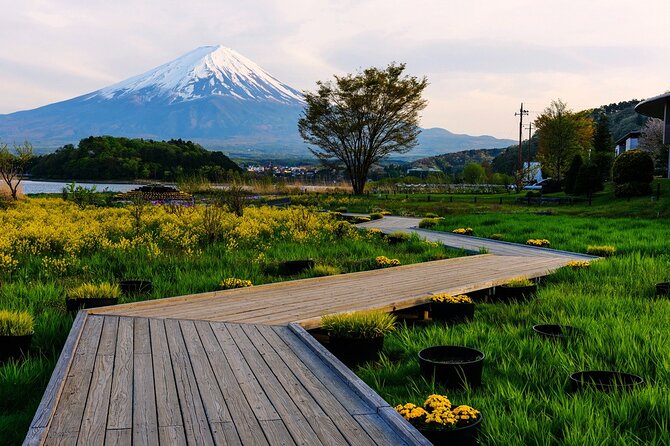
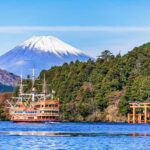
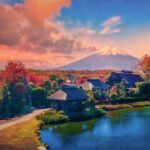
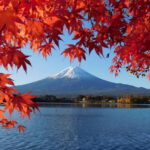
Then it’s down to the Lake Kawaguchiko area, and the tour gives you about an hour here. The northern shores are highlighted as a top viewing choice for Mt. Fuji, and this is where the famous reflections people talk about tend to be the big draw.
Even if you’re not doing intense photography, this is a relaxing pivot point in the day. You get time to breathe, walk at a comfortable pace, and enjoy the wider feel of the Fuji Five Lakes region instead of staying in altitude zones and shrine corridors.
Admission for this stop is listed as free. Translation: you’re paying for time and transportation, not for another entry gate. Expect it to feel busy if it’s a peak travel day, but it’s also a place where crowds don’t ruin the scenery.
Oishi Park: Gardens, Charcoal Cone Soft Serve, and Mini Fuji Fun
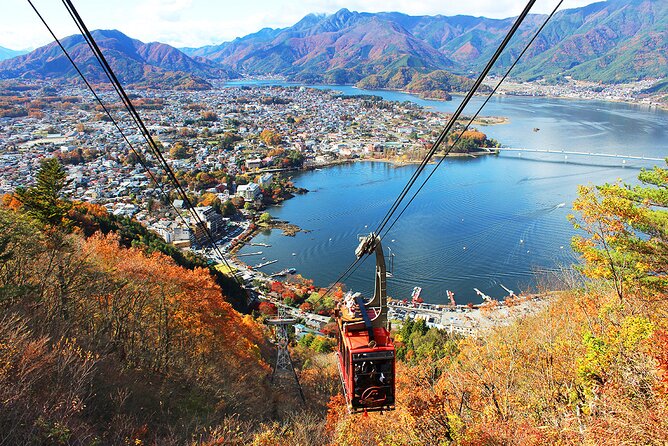
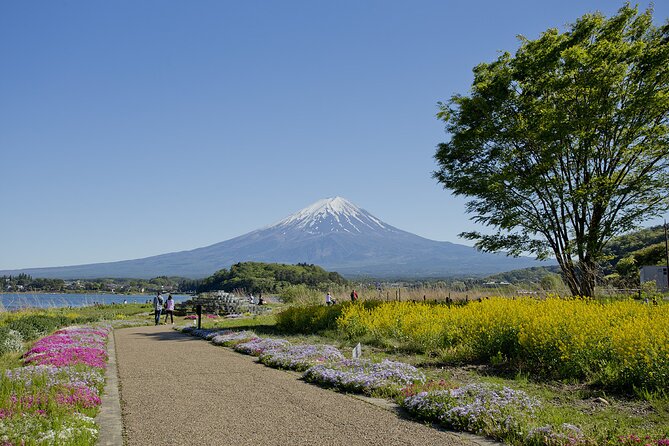
Just after Kawaguchiko, you’ll head to Oishi Park on the north shore. This is the stop that mixes views with actual stroll time. You’ll get a park setting with a panorama of lake and Mt. Fuji at once, plus flower blooms along the lakeside promenade that change by season.
One of the most fun details here is the food and the quirky souvenirs. The park is noted for charcoal cone soft serves and a small Mt. Fuji replica made from 256 volcanic rocks. That’s the kind of detail that turns a view stop into a memory stop.
You’ll have about 30 minutes, and admission is listed as free. Real talk: with only half an hour, you’ll want to choose your priorities fast—walk for views, then grab the snack. Trying to do everything at once can make the timing feel tight.
Aokigahara Lava Caves: Fugaku Wind Cave and the Ice Cave Experience
The last major highlight is Fugaku Wind Cave, surrounded by greenery in the Aokigahara Jukai forest. Once you enter, it’s described as pleasantly cool even in summer, with an average temperature of around 3°C. That’s a huge practical benefit on a long Japan day, especially if you’re traveling from Tokyo during hotter months.
Inside the cave, you’ll see volcanic features like lava shelves, rope-like lava, and ice pillars that do not melt even in summer. The itinerary also calls out an Ice Cave experience, which is tied to the cold environment you’ll encounter underground. This is not just about seeing Fuji from above or the lake below. It’s about seeing the volcanic engine that created the whole region.
Admission for this stop is listed as not included, so budget extra for cave entry. Time here is about 30 minutes, and you should plan for a bit of physical movement in cool air. Bring a light layer, even if you think you’ll only need one because you’re starting in Tokyo warmth.
Price and Value: What $564.68 per Group Buys You
Let’s talk money in a straight way. The price is $564.68 per group for up to 6 people. That means the value depends on how many people you can pack in comfortably. If you’re traveling as a pair, it can feel expensive compared to buses. If you’re traveling as a small family or a group of friends, the cost per person drops fast—and then the private vehicle becomes a big win.
What you’re paying for is not just transportation. You’re paying for reduced hassle. This day includes:
- an air-conditioned vehicle
- bottled water
- onboard WiFi
- parking fees and fuel surcharge
- highways and tolls
On the flip side, lunch and attraction entry fees are not included. The listed lunch option is Renge ramen, and cave entry is specifically marked not included. So you’ll want to carry some cash or card for the extras and snacks you decide you want.
Also, there’s a booking reality check. This tour is described as being booked about 92 days in advance on average. If you’re traveling during high season, earlier is smarter because private dates can tighten up.
Comfort, Timing, and the Private-Vehicle Advantage
This is a private tour, so your group is the only group in the vehicle. That matters for comfort and pace. You won’t feel like you’re rushing between stops to match someone else’s schedule. It also helps with photos, because you can take a bit longer at a viewpoint if the weather cooperates.
Duration is listed at about 10 hours, including travel time. That’s a lot for one day, but it’s also why this tour is structured around high-impact stops: you get a taste of multiple sides of Fuji without turning the trip into a train schedule.
Pickup is offered, and the tour uses a mobile ticket. The meeting point is in Tokyo, and the day ends back in Tokyo, which simplifies your planning at the end of the day.
One more comfort note from the feedback you can use to guide your expectations: people praised the way drivers kept the day smooth and adjusted to preferences, and they called out car comfort and clean vehicles. That’s exactly what you should hope for in a long day like this.
Who This Tour Fits Best (and Who Might Want a Different Plan)
This tour is a great match if you:
- want one day to hit the major Fuji sights from Tokyo
- like having control over pacing and photo time
- don’t want to coordinate trains, transfers, and multiple ticket counters
- travel with up to five others and can share the group cost
You might consider a different plan if you:
- want a shorter day with fewer stops
- hate long drives and cave visits in cool air
- prefer to DIY everything with public transport and flexible timing
The route also includes a mix of walking and indoor/outdoor variation: shrines, ponds, lakeside areas, and a cave. If you’re sensitive to cold, plan for the cave stop. If you’re sensitive to stairs or uneven ground, take it slow at shrines and observation areas.
Should You Book This Private Mt. Fuji Tour?
Book it if you want a Fuji day that feels organized, comfortable, and photo-friendly without the Tokyo-to-Fuji logistics headache. The best value comes when you fill the group size, and the itinerary covers the core “why Fuji matters” angles: high viewpoints, spiritual places tied to mountain routes, spring-fed water stories, lake scenery, and volcanic caves.
Don’t book it blindly if you’re only interested in one type of scene. This day blends views, culture, and geology, so you’ll enjoy it most if you’re curious about more than just a single iconic photo.
If you’re able to commit to the date early—since it’s often booked about 92 days ahead—you’ll have the best chance of getting your preferred day and time.
FAQ
How long is the Mt. Fuji private day tour?
It runs for about 10 hours, including travel time.
How many people are in a group?
It’s a private tour for your group, and the group size is up to 6.
Is pickup in Tokyo included?
Pickup is offered, and the tour starts and ends in Tokyo.
Is the tour ticket mobile-based?
Yes, the tour uses a mobile ticket.
What’s included in the price?
Included items are bottled water, an air-conditioned vehicle, WiFi on board, parking fees, fuel surcharge, and highways and tolls.
What is not included?
Lunch and attraction entry fees are not included. Fugaku Wind Cave admission is listed as not included.
Are entry tickets included for the main sights?
Mt. Fuji 5th Station admission is included. Oshino Hakkai and the listed shrine and park stops have admission listed as free. Fugaku Wind Cave admission is not included.
Is there lunch during the tour?
Lunch is not included in the price, but it’s described as lunch at Renge ramen.
What will the cave stop be like?
Fugaku Wind Cave is described as around 3°C on average, even in summer, with features like lava formations and ice pillars that don’t melt in summer. Plan for cool temperatures underground.
What is the cancellation policy?
You can cancel for a full refund up to 24 hours before the experience starts. Less than 24 hours before start time is not refundable.