REVIEW · TOKYO
Nikko Private Day Tour with English Speaking Expert Driver
Book on GetYourGuide →Operated by Japan Travelers · Bookable on GetYourGuide
Nikko feels worlds away from Tokyo. In one smooth private car day, you get major shrine culture and real mountain scenery, with stops timed for a relaxed pace. I especially love the craftsmanship at Nikko Toshogu Shrine and the raw drama of Kegon Falls. The main drawback is that the day can feel tightly scheduled, and extra costs like entrances and meals come on top.
This is the kind of tour that works when you want comfort and zero logistics stress: you’re picked up in Tokyo and driven out with an English-speaking expert driver-guide. If you end up with guides like Rana, Abdul, Musa, or Asad (yes, those names show up), you’ll likely get helpful on-the-go explanations, not just directions.
One more thing to weigh: this is built for people who can walk. It’s not suitable for wheelchair users, and it’s not designed for pregnant travelers.
In This Review
- Key Things That Make This Nikko Private Day Worth It
- Why Nikko Works as a Tokyo Escape (And How This Tour Helps)
- Private Pickup From Tokyo: What the 10-Hour Day Really Feels Like
- Toshogu Shrine: The World Heritage Stop Where Details Matter
- Shinkyo Bridge: Red-Color Icon With a Spiritual Side
- Kegon Falls (97 Meters): When Nature Turns the Volume Up
- Lake Chūzenji: The Quiet Pause That Makes the Day Feel Balanced
- Irohazaka Winding Road: 48 Hairpin Curves for View Chasers
- Tamozawa Imperial Villa Memorial Park: A Poised, Less-Hyped Royal Stop
- Narabi Jizo: The Short Stop That Adds Texture
- Price and Value: What You’re Paying for With a Private Group Tour
- Who This Tour Fits Best (And Who Might Be Happier Elsewhere)
- A Note on Guide Style: How to Make Sure You Get the Full Experience
- Should You Book This Nikko Private Day Tour?
- FAQ
- How long is the Nikko Private Day Tour?
- How much does the tour cost?
- Where does pickup happen?
- Is this tour fully private?
- What’s included in the price?
- Are meals included?
- Do I need to pay entrance fees?
- What languages are available for the live guide?
- What should I bring and wear?
- Is the tour suitable for everyone?
- When can I cancel?
Key Things That Make This Nikko Private Day Worth It
- Toshogu Shrine’s details: carvings, gold-leaf look, and the famous three wise monkeys motif
- Red Shinkyo Bridge: classic Nikko photos with a spiritual story behind the scene
- Kegon Falls at 97 meters: big views, and there’s a down-elevator option at the falls area
- Lake Chuzenji downtime: a quieter stretch that breaks up the sightseeing pace
- Irohazaka Winding Road hairpins: 48 curves that make the drive part of the attraction
- Tamozawa Imperial Villa: an elegant imperial residence stop with Edo-style rooms and gardens
Why Nikko Works as a Tokyo Escape (And How This Tour Helps)
If you’ve done Tokyo before, Nikko is the antidote. Instead of neon and tight streets, you get mountains, temples, and waterfalls in one day. The region sits in Tochigi Prefecture, and the drive alone starts the mental shift.
What makes this private setup click is simple: you skip the train puzzle and the “which bus is right” guessing. You’re in a clean, air-conditioned vehicle with water bottles and parking handled. For many couples, families, or small groups, that alone is the value.
You’ll also notice the tour has a balance: big-ticket culture at Toshogu, iconic nature at the falls, then quieter time by Lake Chuzenji. It’s not just a checklist run.
You can also read our reviews of more private tours in Tokyo
Private Pickup From Tokyo: What the 10-Hour Day Really Feels Like
The tour is priced per group (up to 6 people) and runs about 10 hours total, starting with pickup in Tokyo. You’ll wait in your hotel lobby about 10 minutes before pickup, and you’ll be routed from central Tokyo areas listed within the Tokyo 23 wards.
If you’re outside those wards, extra charges can apply (from 5,000 to 20,000 yen depending on where you are). The practical takeaway: if you want the smoothest day, plan for a pickup location that keeps the drive efficient.
This kind of private day has a rhythm: drive time, a guided stop, a walk/photo window, then the next location. With destinations like Toshogu and Kegon Falls, it helps to be ready to move at a steady pace. If you’re the type who needs long bathroom breaks or slow wandering at every stop, tell your driver early so they can adjust timing.
Toshogu Shrine: The World Heritage Stop Where Details Matter
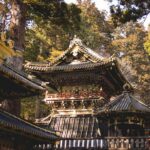
Toshogu Shrine is the reason many people pick Nikko in the first place. It’s a UNESCO World Heritage Site and the lavish mausoleum of Tokugawa Ieyasu, one of the most influential figures in Japan’s shogunate history.
Here’s what you’ll actually feel when you’re there: the place is loud in a visual way. The architecture and decoration aren’t subtle. You’ll see vibrant carvings, gold-leaf style elements, and the instantly recognizable three wise monkeys motif.
Your time is guided (about 1 hour at Toshogu), which is the sweet spot. If you arrive and just “look around,” you might miss what connects the symbols to the era. A good English-speaking guide helps you connect the art to meaning—why it was built, what it represented, and why it still pulls crowds.
One tip: if you care about photos, keep your walking shoes on and your expectations realistic. The best pictures often involve timing and small positioning, not just holding your phone up and hoping.
Shinkyo Bridge: Red-Color Icon With a Spiritual Side
Next up is Shinkyo Bridge, one of Nikko’s most photographed sights. The bridge is bright red, crosses the Daiya River, and carries local spiritual and legendary connections.
You’ll have around 40 minutes here, with guided sightseeing and a walk. That’s enough time to get the classic bridge views, check the area for viewpoints, and still avoid feeling rushed. It’s also a good breather after Toshogu—less about architecture and more about atmosphere.
If you want the calmest photo session, go with your guide’s suggestions on timing. In one experience, the driver helped people get to viewing spots for waterfalls and made the timing work. Even if your stop plan is fixed, your guide’s advice on when to move can change your whole mood.
Kegon Falls (97 Meters): When Nature Turns the Volume Up
Kegon Falls is big, and it doesn’t apologize. The falls drop 97 meters, and the experience is designed for you to watch from multiple angles as you get closer.
You’ll spend about 1 hour at Kegon Falls, including guided time and shopping/sightseeing. A useful detail: there’s an elevator option down around 100 meters in the area, which can put you in a better viewpoint position for the falls. If you’re aiming for photos, ask your driver-guide what viewing level gives the best angles for the time of day you arrive.
When should you go for best visuals? The tour information points out autumn foliage and winter snow as prime seasons. That matters because the surroundings can frame the falls and make the photos look like a different world than summer.
The watch-out is weather. If it’s rainy or slippery, you’ll want grippy shoes and you’ll move a bit slower. Also, allow time to stand back and let your eyes adjust—water noise is loud, and your brain needs a moment to actually see the scene clearly.
You can also read our reviews of more tours and experiences in Tokyo
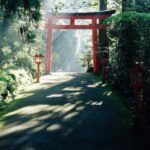



Lake Chūzenji: The Quiet Pause That Makes the Day Feel Balanced
After the falls, Lake Chuzenji brings the temperature down emotionally. It’s a serene lake at the foot of Mount Nantai, formed by volcanic activity.
You’ll have about 1 hour here for guided sightseeing and a walk. This stop is valuable because it’s not another “big monument.” It’s a chance to slow your pace, breathe, and enjoy mountain calm without trying to memorize symbolism.
If you like scenic walking, bring that energy. The shoreline offers space to step back from the tourist intensity and just look at the water and mountains. Even if you don’t walk much, sitting with the view for a few minutes can reset the day.
Irohazaka Winding Road: 48 Hairpin Curves for View Chasers
If you’ve ever wanted the drive to feel like part of the attraction, this is it. Irohazaka Winding Road is famous for 48 hairpin curves with panoramic views. Yes, you’re traveling through curves for the scenery, not just getting somewhere.
This stretch can be especially spectacular during fall when hills turn red, orange, and yellow. Your guide’s job here is practical too: they know where to position for safe stops and the best sight windows.
The main “consideration” is simple: if you’re prone to motion sickness, let your driver know. This is a long day with winding roads, and it helps to plan for comfort.
Tamozawa Imperial Villa Memorial Park: A Poised, Less-Hyped Royal Stop
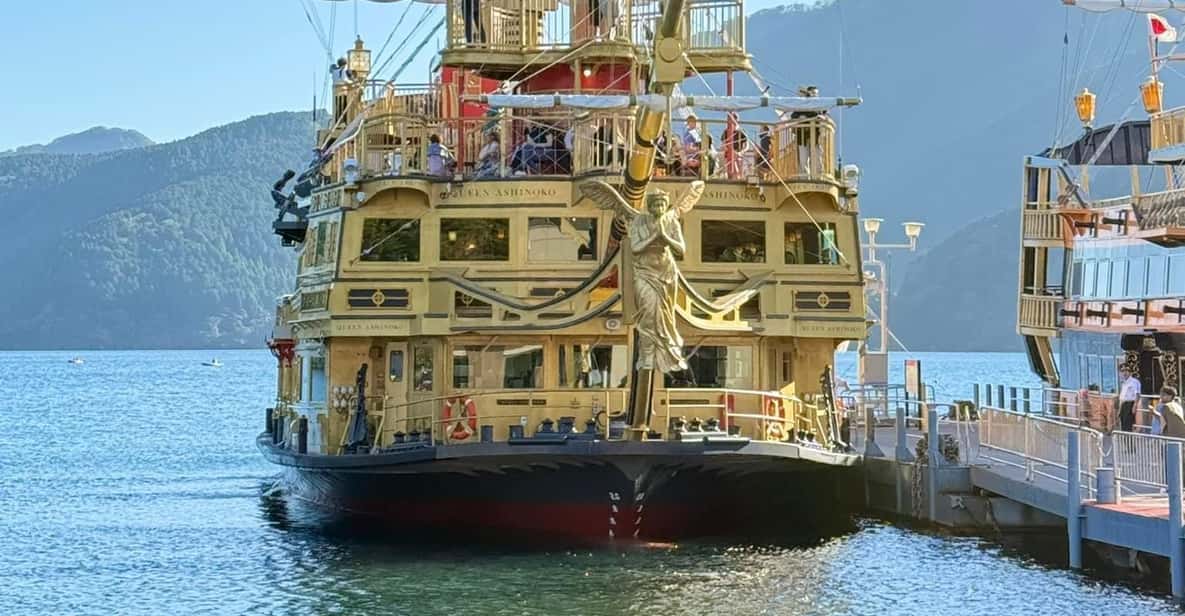
Tamozawa Imperial Villa is an elegant residence that was used by the Japanese Imperial Family. It’s preserved in a way that lets you see how refined life looked, with gardens, tatami rooms, and wooden corridors.
You’ll get about 1 hour here with guided sightseeing and walking. The value is that it’s different from the usual shrine-and-temple rhythm. You’re shifting from Tokugawa-era power (Toshogu) to imperial lifestyle (Tamozawa), and the experience feels like a smoother story arc.
Because the villa is indoors/outside in a controlled way, it’s also a good option if weather changes. If it’s cold or rainy, you might appreciate the chance to step away from the elements.
Narabi Jizo: The Short Stop That Adds Texture
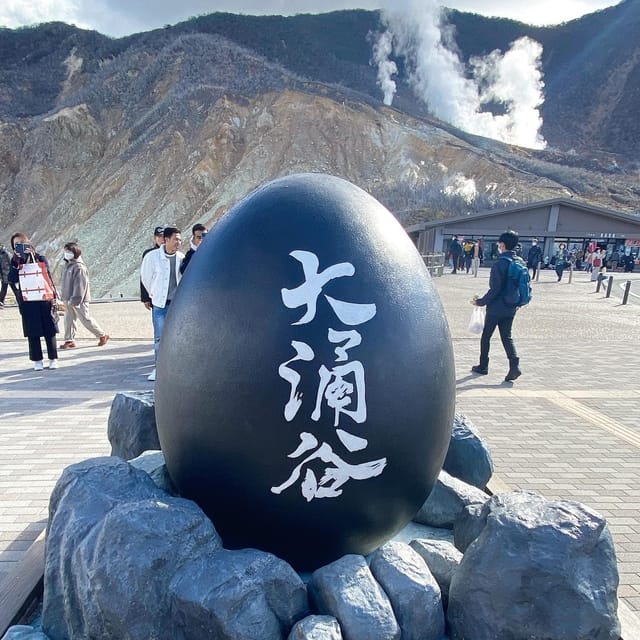
Narabi Jizo is the kind of stop that makes a tour feel real, not just photo hotspots. You’ll have around 30 minutes here for free time and walking, with sightseeing.
You don’t get a long lecture moment here in the plan, so it’s best as a reset: use it to stretch, grab a quick snack if needed, and enjoy a quieter scene. These shorter stops are often what you remember later, because they don’t feel like production lines.
Price and Value: What You’re Paying for With a Private Group Tour
At $409 per group up to 6, this tour is priced for shared value. For two people, it can still be a decent deal compared to multiple tickets plus taxi stress, but the math gets better as the group size approaches 6.
What’s included:
- Private transportation from Tokyo
- Customizable itinerary
- Water bottles
- Parking fees
What’s not included:
- Meals
- Entrance fees to attractions
- Personal expenses
That means your real cost is usually the base price plus entrances and food. It’s not unusual in Japan, but it’s good to plan for it. If you’re budgeting tightly, you might want to pack light snacks for the car and plan one meal stop you can afford comfortably.
The biggest value isn’t just the car. It’s the time saved and the fact that you’re not hunting schedules. You also avoid the mental load of transfers and navigation—especially on a day where you want to move from shrine to falls to lake without friction.
Who This Tour Fits Best (And Who Might Be Happier Elsewhere)
This is a strong match if you want:
- A peaceful escape from Tokyo in one day
- Clear, guided explanations at major sites
- Comfort of a private vehicle and door-to-door pickup
- Flexibility for small timing tweaks during the day
One practical match: go if you can handle walking and stairs. Comfortable shoes and warm clothing matter because mountains can be cool.
It’s not suitable for wheelchair users or for pregnant travelers, based on the tour’s stated suitability.
If you’re traveling solo and want maximum comfort, it can still work, but you’ll pay the private-group price. Couples often find the experience worth it when they value not dealing with buses and schedules.
A Note on Guide Style: How to Make Sure You Get the Full Experience
Most days, the guide component is a major part of the value. The tour is advertised with a live English-speaking guide-driver, and that can change everything: you’ll get context, timing advice, and help interpreting what you’re seeing.
Still, not every day runs the same. One experience described a driver who handled transportation without much guiding, which turned the day into mostly transport. To protect yourself, communicate clearly at pickup: tell your driver you want site context and not just directions. If you’re expecting a true guide role, ask for it early—then you’ll get what you booked.
Should You Book This Nikko Private Day Tour?
Book it if you want Nikko’s greatest hits without turning your day into a logistics project. The mix of Toshogu Shrine, Shinkyo Bridge, Kegon Falls, Lake Chuzenji, and the winding-road views is exactly how Nikko should feel in one day: cultural, scenic, and balanced.
Skip it (or consider an alternative) if you’re sensitive to tight pacing or you hate stairs and walking. Since entrances and meals are extra, also make sure you’re okay with that add-on cost.
If you’re set on comfort, small-group attention, and a guided route that’s designed to keep you moving on time, this private format is a smart way to do Nikko from Tokyo.
FAQ
How long is the Nikko Private Day Tour?
It runs for 10 hours.
How much does the tour cost?
The price is $409 per group, for up to 6 people.
Where does pickup happen?
Pickup is included from your hotel or location of choice within Tokyo’s 23 wards. Outside those wards, extra charges may apply (from 5,000 yen to 20,000 yen depending on the area).
Is this tour fully private?
Yes. It’s a private group experience.
What’s included in the price?
Private transportation from Tokyo, a customizable itinerary, water bottles, and parking fees are included.
Are meals included?
No. Meals are not included.
Do I need to pay entrance fees?
Entrance fees to attractions are not included.
What languages are available for the live guide?
The live tour guide can speak English, Japanese, Hindi, Urdu, Punjabi, and Arabic.
What should I bring and wear?
Wear comfortable shoes and bring warm clothing.
Is the tour suitable for everyone?
It’s not suitable for pregnant women or wheelchair users.
When can I cancel?
You can cancel up to 24 hours in advance for a full refund.