REVIEW · TOKYO
Tokyo: Street Kart Experience in Shibuya
Book on GetYourGuide →Operated by Reservation Center · Bookable on GetYourGuide
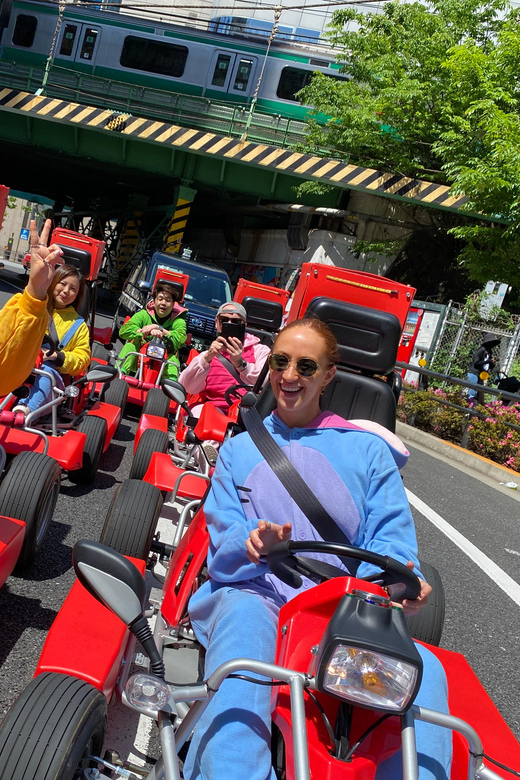
Shibuya Crossing, but make it yours. This street kart experience turns Tokyo’s busiest intersection into a thrill ride, with you cruising through the crossing more than once and heading toward Harajuku and Omotesando. It’s loud, fast (in a controlled way), and way more memorable than just walking and snapping photos.
What I really like is the focus on doing it safely and simply: you get clear safety info from an English-speaking guide, plus goggles and a raincoat when weather flips. And I love the photo angle—guides like Pedro, Mikael, and Yoshi are known for taking a ton of pictures so you don’t have to stress about your phone while you’re driving.
One thing to consider: you’re signing up for rules and paperwork. You’ll need the right International Driving Permit (IDP) in physical form (or the correct Japanese translation setup for certain license countries), and the experience isn’t suitable for everyone (including under-18s and people with certain mobility or hearing needs).
In This Review
- Key highlights to know before you go
- Entering The Semi-Underground Mirror Garage in Shibuya
- Shibuya Crossing + Harajuku and Omotesando: the Route Logic
- Safety First: what the guide covers (and what you must follow)
- IDP and License Rules: the one thing that can stop you
- Costumes, Goggles, and why the phone rules change the vibe
- Meeting the Guide: photos, pacing, and group control
- Price and value: is $74 per person worth it?
- Who should book (and who should skip)
- Should you book the Street Kart Shibuya experience?
- FAQ
- How long is the Tokyo Street Kart experience in Shibuya?
- Where is the meeting point?
- Is there an English-speaking guide?
- What’s included in the price?
- What extra gear options are not included?
- Do I need an International Driving Permit (IDP) to drive?
- What if my license is from Switzerland, Germany, France, Taiwan, Belgium, or Monaco?
- Are cellphones allowed during the activity?
- What is the cancellation policy?
Key highlights to know before you go
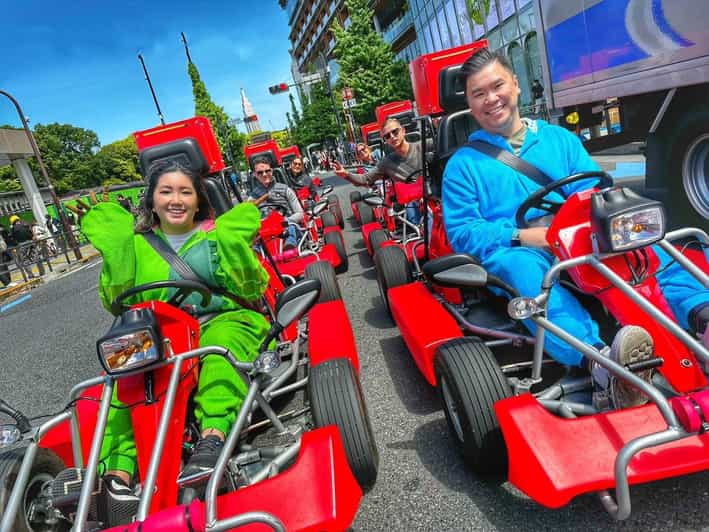
- Multiple passes through Shibuya Crossing: you don’t just look at it—you drive through it from different angles.
- Small groups (up to 6): more attention from the guide and less waiting around.
- Costumes + photos: you’ll get dressed up and walk away with guide-taken images from the route.
- Goggles and rain gear included: you’re set up to handle sudden weather changes.
- English live guidance throughout: built-in instruction, not guesswork.
- Strict driving eligibility: IDP rules are real, and you must carry physical documents.
Entering The Semi-Underground Mirror Garage in Shibuya
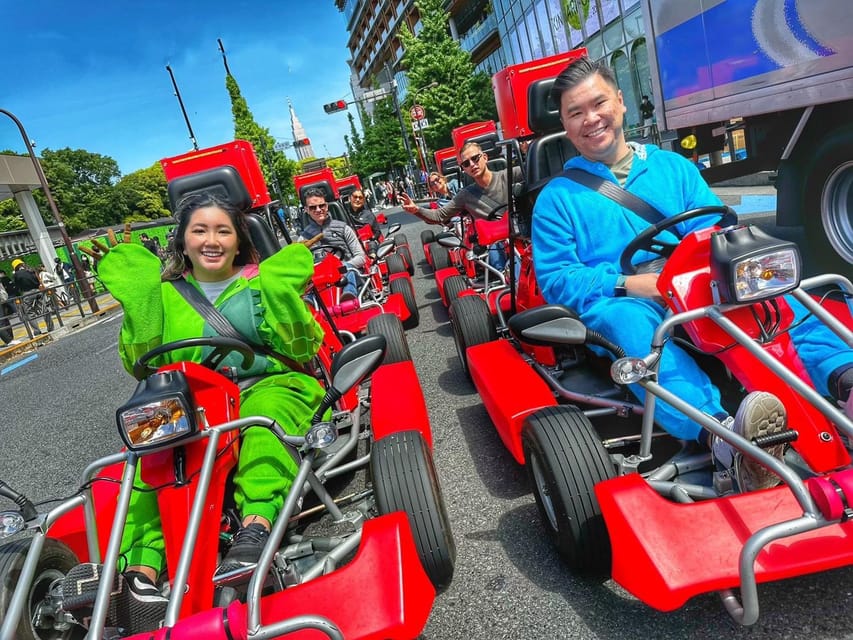
The meeting point feels more like a movie set than a typical tour shop. You’ll go into a building from the street, find an outside staircase on the side, and look for a neon logo on the wall outside. Inside, it’s a semi-underground garage with wall-to-wall mirrors, which makes the whole place feel bright and organized even before you drive.
There’s also a hot pot restaurant on the second floor of the same building, which is handy if you want to line up dinner after your karting session. Arriving a bit early matters here—not because it’s complicated, but because you’ll want time to get fitted, dressed, and briefed without rushing.
You can also read our reviews of more tours and experiences in Tokyo.

Shibuya Crossing + Harajuku and Omotesando: the Route Logic
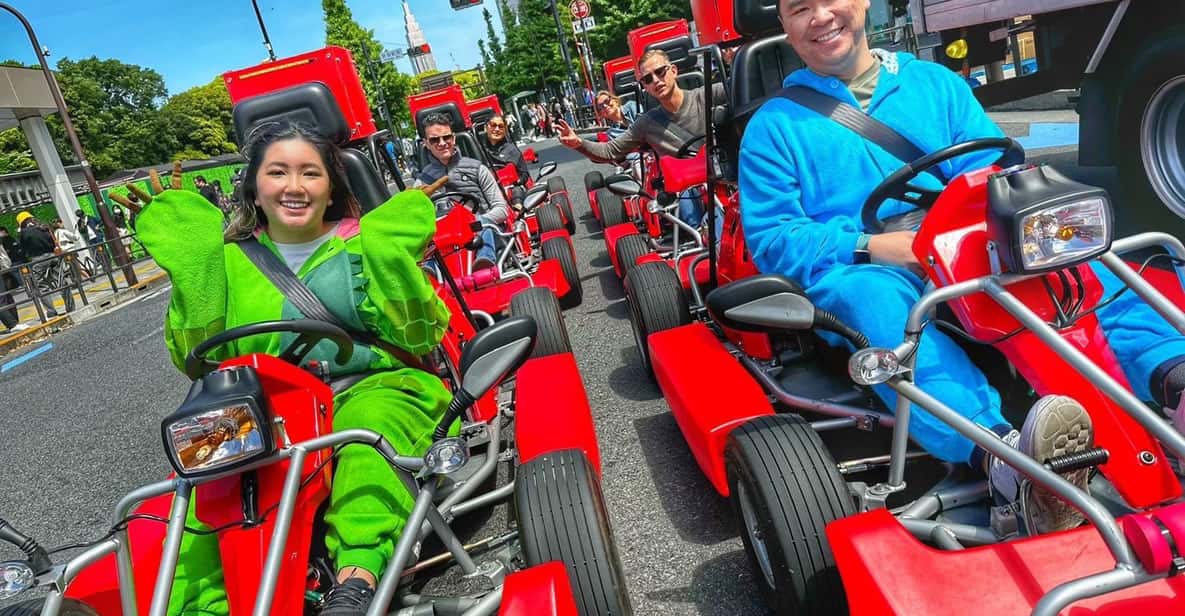
This isn’t a random joyride. The flow is designed to hit Tokyo’s “wow” zones in a short time.
First, you tackle the moment everyone came for: Shibuya Crossing. The experience is built around driving it multiple times and from different directions, so you get that disorienting crossing energy more than once. You also get guided pacing so you stay together, which is important because Shibuya isn’t quiet.
Then the route shifts toward Harajuku and Omotesando, Tokyo’s fashion hubs. The idea here is simple: Shibuya gives you intensity and chaos-on-demand; Harajuku and Omotesando add style and street-scene variety while you keep the motion going.
You’ll be out for about 1 hour total, which includes the whole setup rhythm—check-in, gear, instruction, riding, and photo handoff at the end. One guest even noted around 45 minutes actually on the go-karts, which helps you understand where your time is really going.
Safety First: what the guide covers (and what you must follow)
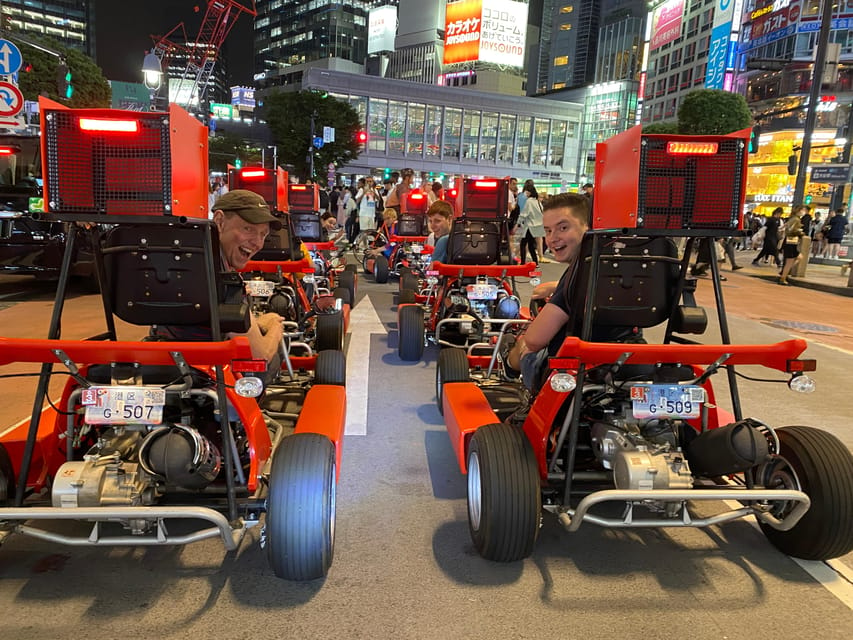
Street Kart’s whole approach is built on “you can have fun and still be careful.” Before you drive, you’ll receive the safety information you need, and the guide stays on top of the group so nobody wanders off or gets confused. That matters in Shibuya traffic, even when you’re not driving on the open highway.
Expect a controlled vibe: you’ll get instructions, you’ll ride as a group, and your guide’s job is to keep you moving in a predictable way. Many guests highlight that feeling—especially the ones who were nervous at first, then felt confident after the briefing.
And you’ll also be following hard rules during the activity:
- No cellphones
- No alcohol or drugs
- No slippers
- No high-heeled shoes
Bring footwear that’s stable and normal. The goal is quick, safe movement—not “fashion walking shoes” from your Tokyo shopping haul.
IDP and License Rules: the one thing that can stop you
If you remember one thing, make it this: driving in Japan has document rules, and you need the right physical paperwork.
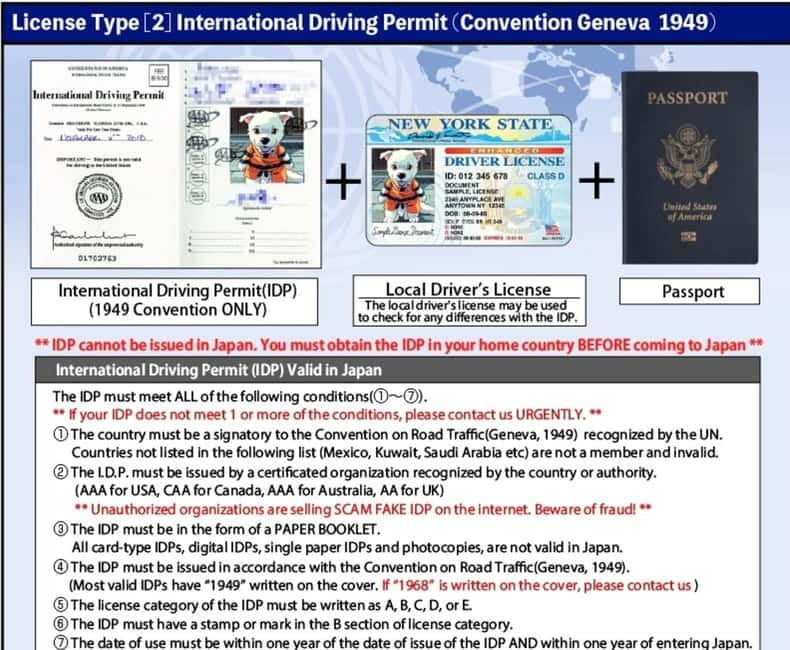
Street Kart emails you after booking with guidance on required documents, but you still need to do the work ahead of time. For most countries, you’ll need an International Driving Permit (IDP) in the booklet format compliant with the 1949 Geneva Convention.
Here’s the key practical stuff:
- The IDP must be issued by the same country that issued your domestic driver’s license.
- You cannot obtain it online while traveling.
- You must carry the physical IDP and your physical passport.
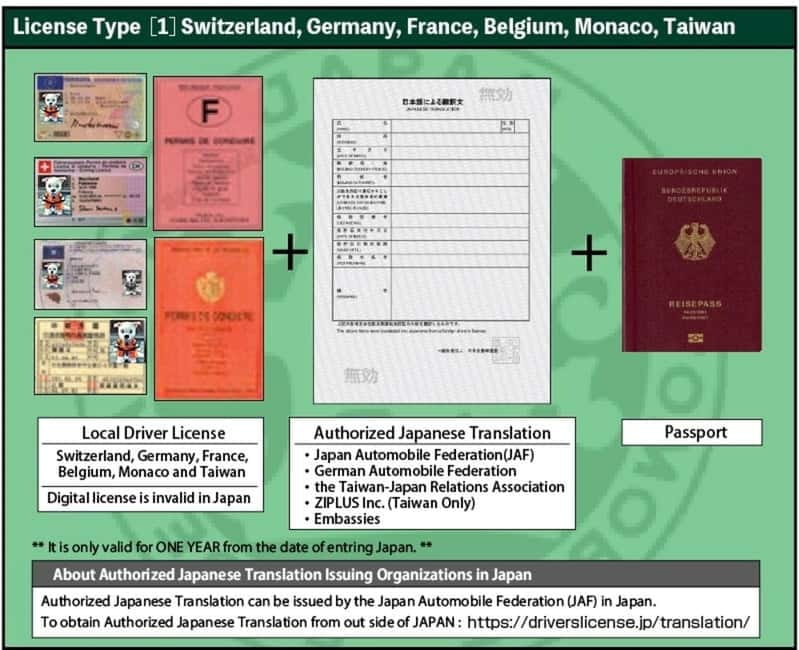
Some countries have a different setup. If your license is from Switzerland, Germany, France, Taiwan, Belgium, or Monaco, then you don’t use a standard IDP. You need a Japanese translation from the Japan Automobile Federation (JAF)—not an IDP.
If your license is from a country not covered by the 1949 Geneva Convention (examples given include China, Indonesia, Mexico, Qatar, Saudi Arabia), you’re not permitted to drive in Japan. So don’t wait until you land to figure this out—plan early and verify your IDP type.
Costumes, Goggles, and why the phone rules change the vibe
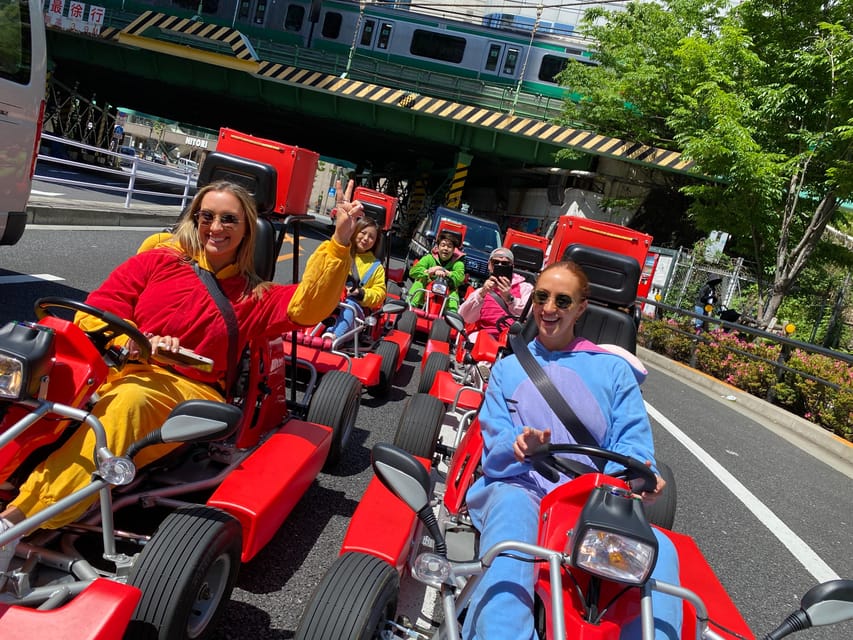
This experience feels silly in the best way. You get costumes, plus goggles, and you’ll be driving a street kart through real city streets. The costumes aren’t just for laughs; they help turn the moment into a memory you’ll actually keep.
Rain gear is also included. If it’s wet, you’ll get a raincoat for rainy days, which is practical. It also means you’re not stuck deciding whether you should tough it out or reschedule.
Now, about your phone: cellphones aren’t allowed. That’s a big deal because it shifts the entire experience toward the guide’s photography and your own “pay attention, don’t fumble” focus. In practice, guests often walk away feeling like they got the best shots without spending the ride staring down at a screen.
If you want video, an action camera rental is optional (with extra accessories available, like micro-SD and camera mounts). But for most people, the included guide photos are the main souvenir.


Meeting the Guide: photos, pacing, and group control
Your guide isn’t just there to point. They manage your spacing, your safety, and your photos—so you end up feeling like the ride is under control even while Shibuya is doing its thing.
Guides you might encounter—based on consistent guest comments—include Pedro, Mikael, Yoshi, Manuel, Alexis, Allen, Clinton, Riku, and Pime. Names aren’t the point, though. The pattern is: clear instructions, energetic guidance, and a real focus on getting good photos while keeping the group together.
There’s also a photo delivery element built in. Your guide will take as many photos as possible during the activity, then provide the data at the end of the tour. That turns the experience into something you can review later without needing to be the world’s busiest street photographer mid-drive.
A small group (up to 6 participants) helps a lot here. You get more attention, and the guide can keep everyone synced without turning the experience into a herd.
Price and value: is $74 per person worth it?
At $74 per person for about 1 hour, this isn’t the cheapest Tokyo activity. But it also isn’t “just sightseeing.”
You’re paying for several things at once:
- A guided route through Shibuya Crossing, not just a view of it
- Costumes and goggles
- A small group format (limited to 6)
- Guide-led safety pacing for real street driving
- Photos taken during your ride, with delivery at the end
- A rain solution (raincoat) included
If you’re the type who wants a Tokyo memory you can’t get from a museum ticket or a viewpoint, this delivers. The value is strongest when you treat it like a proper activity day: do it once, fully, and let the guide do the heavy lifting on photos and control.
Also, the “night vibe” factor comes up often. When it’s dark, Tokyo looks different—more neon, more motion, more energy—and the karting experience matches that mood. The tour’s start times vary by availability, but evening departures often make sense if your schedule allows it.
Who should book (and who should skip)
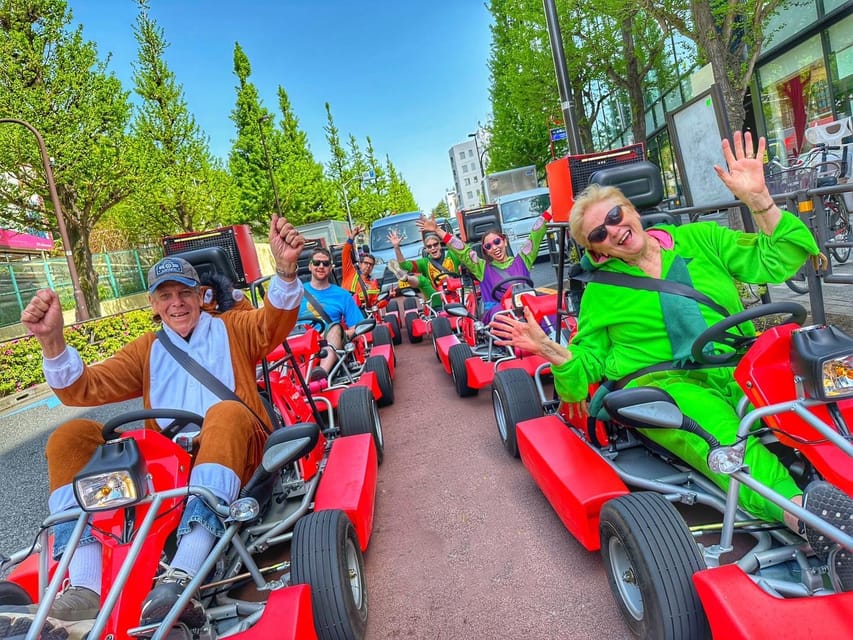
This street kart experience fits best if you want a hands-on, high-energy Tokyo moment with structure.
It’s not suitable for:
- Children under 18
- Pregnant women
- People with mobility impairments
- Wheelchair users
- People with back problems
- People with hearing impairment
So if you have any physical limitations that could affect sitting, turning, or staying stable, skip this one. It’s street driving, even with a safety-focused guide, and you want to go in comfortable and ready.
On the flip side, it’s great for:
- Solo travelers who want social energy without awkward group waiting
- Friends who want a shared “we did something wild” story
- Anyone tired of walking tours and shopping detours who wants motion and laughs
Should you book the Street Kart Shibuya experience?
If you’re comfortable with the IDP/document rules, want to drive through Shibuya Crossing (not just photograph it), and enjoy a guided, small-group ride with costumes and photo support, then yes—this is one of the most memorable ways to spend an hour in central Tokyo.
If paperwork sounds annoying, or you’re sensitive to any of the physical restrictions, it may be smarter to pick a different Tokyo thrill. But for the right person, this is exactly the kind of experience that turns Tokyo from “a city you saw” into “a story you can tell.”
FAQ
How long is the Tokyo Street Kart experience in Shibuya?
The duration is 1 hour.
Where is the meeting point?
The shop is in a semi-underground garage. You enter a building from the street, use an outside staircase on the side, look for a neon logo on the wall outside, and then go into a garage with wall-to-wall mirrors. There is also a hot pot restaurant on the second floor in the same building.
Is there an English-speaking guide?
Yes. The tour uses a live English-speaking guide.
What’s included in the price?
Included items are the kart, gasoline, an English-speaking guide, costumes, photos taken by your guide, a raincoat for rainy days, and goggles.
What extra gear options are not included?
An action camera to take video footage may be rented optionally, and there are optional purchases/rentals related to micro-SD and camera mounts.
Do I need an International Driving Permit (IDP) to drive?
For most countries, yes—you need a physical IDP booklet compliant with the 1949 Geneva Convention. It must be issued by the same country that issued your domestic license and cannot be obtained online while traveling. You also must carry the physical IDP and your physical passport.
What if my license is from Switzerland, Germany, France, Taiwan, Belgium, or Monaco?
In that case, you need a Japanese translation of your license from the Japan Automobile Federation (JAF). The instructions say this is not an International Driving Permit.
Are cellphones allowed during the activity?
No. Cellphones are not allowed.
What is the cancellation policy?
Free cancellation is available if you cancel up to 7 days in advance for a full refund.