REVIEW · TOKYO
Tokyo: Edo Castle and Imperial Palace Guided Walking Tour
Book on GetYourGuide →Operated by Happy Plus Corporation · Bookable on GetYourGuide
Some places feel like history on pause.
Here, Edo Castle’s gates and stone defenses lead straight into the Imperial Palace grounds, so you see how power was built, guarded, and then repurposed.
I especially love the way this tour uses a map of Edo in the 1650s to make the layout make sense fast.
And I like how you get more than scenery: you hear the human stories behind the Tokugawa shogunate and the shift to the Meiji Restoration.
One drawback to plan for: this is an on-foot walk in a compact area, so you’ll want comfortable shoes and patience for short stops in cool weather.
In This Review
- Key points you’ll actually remember
- Imperial Palace Grounds as Your Gateway to Edo Castle
- Finding the Meeting Point Near Tokyo Station Marunouchi South
- Mitsubishi Ichigokan Museum to Sakurada-mon Gate: Learning the Castle’s “entry logic”
- Kikyo-mon Gate, Sakurada Tatsumi Yagura, and Defensive Thinking
- Ote-Mon Gate and Ote-San’no Gate Ruins: Power with boundaries
- Hyakunin Bansho Guardhouse: The human scale of “security”
- Honmaru (Main Hall) Site: Where the Tokugawa system comes into focus
- Stone Walls, Moats, and Daimyo-Style Differences You Can Spot
- Sakurada to the Imperial Palace Center: Meiji’s shift and what it meant
- Finish at Hirakawa Gate: A useful wrap-up for the rest of your day
- Value and price: why this tour feels like a bargain
- Who should book this Edo Castle and Imperial Palace walk
- Should you book this tour?
- FAQ
- Where is the meeting point for the tour?
- How long is the tour?
- Is the tour guided in English?
- What size is the group?
- Is the tour wheelchair accessible?
- What should I wear?
- What is included in the price?
- Is transportation or food included?
Key points you’ll actually remember
- Imperial Palace gates as a living timeline: same ground, totally different era
- Stone walls and moats explained like a defense system, not a postcard
- Honmaru (Main Hall) stop with the governance story behind it
- Meiji Restoration context that connects to what you’re seeing right now
- Gate-and-guardhouse rhythm: checkpoints, access, and control
- Small group size (up to 8): easier questions, less crowd noise
Imperial Palace Grounds as Your Gateway to Edo Castle
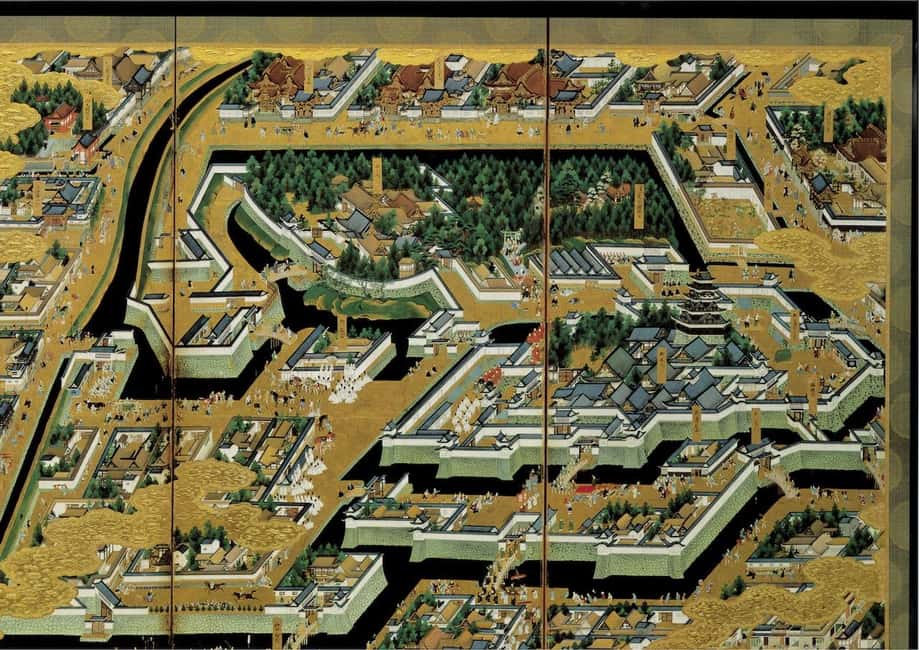
The magic here is that the Imperial Palace area is the former heart of Edo Castle. You’re not just looking at ruins from far away; you’re walking the edges of a site that shaped Japan for centuries.
You’ll learn that the Tokugawa shogunate ran Japan from this area for about 260 years. Then, after the Meiji Restoration, the grounds became the Emperor’s residence, so the meaning of the same spaces changed overnight.
Even if you think you know Japanese history, the tour’s approach helps you see structure. Gates, walls, and water aren’t decorative. They were part of how authority moved and how the castle stayed stable.
You can also read our reviews of more walking tours in Tokyo


Finding the Meeting Point Near Tokyo Station Marunouchi South
You’ll start at Tokyo Station, Marunouchi South Exit, at the ground floor. The easiest landmark is the western-style yellow dome nearby.
This location is practical: you can reach it quickly from most parts of central Tokyo, and you won’t waste time hunting for the group. It also means you can tack the tour onto the beginning or end of a busy sightseeing day.
Because the total time is about 150 minutes, plan to arrive a little early so your brain is ready when the walking starts. This is not a long sit-and-listen museum tour.
Mitsubishi Ichigokan Museum to Sakurada-mon Gate: Learning the Castle’s “entry logic”
The first walking segments are short, which is a good thing. You keep momentum, and each pause feels like it has a job—orientation, context, then a specific castle feature.
Right after the start, you pass the Mitsubishi Ichigokan Museum area briefly. Even in that short window, the guide uses it as a mental reset: you’re in a modern Tokyo zone, but your theme is Edo’s government center.
Then you move toward Sakurada-mon (Sakurada Gate). This is one of those places where it helps to understand how gates worked: they controlled access, guided movement, and acted like chokepoints rather than simple entrances.
If you like history that explains the why behind the layout, you’ll appreciate the guide’s focus on how people moved through controlled spaces. It turns the walk into a map you can hold in your head.
Kikyo-mon Gate, Sakurada Tatsumi Yagura, and Defensive Thinking
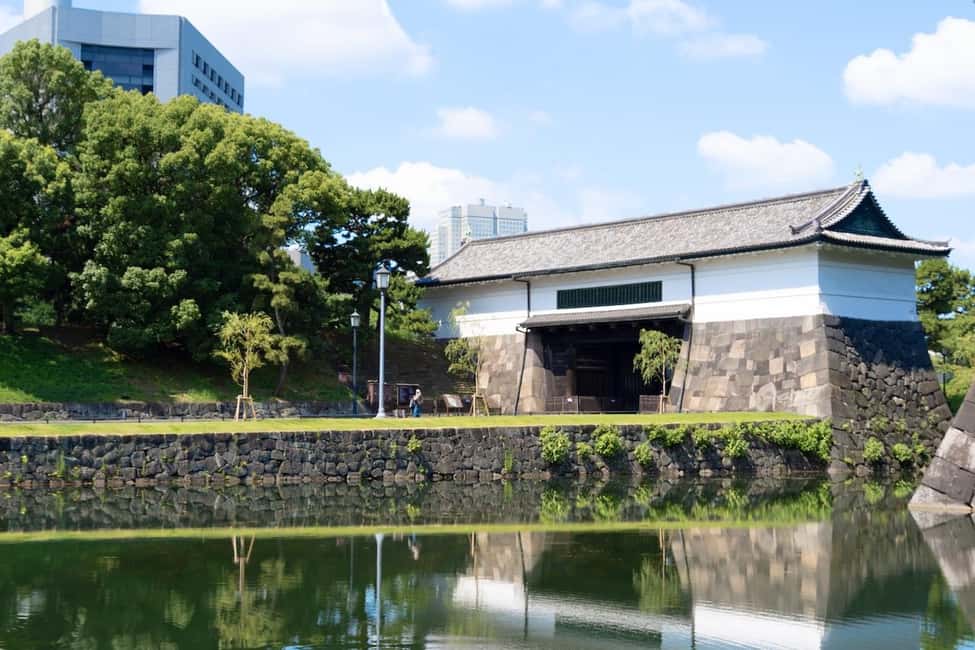
Next come key sections of the perimeter that help you understand the castle as a fortress. You’ll see Kikyo-mon Gate and get a sense of why gates were paired with observation points and strongpoints.
The tour also includes Sakurada Tatsumi Yagura. A yagura is more than a tower shape—it signals watchfulness and layered defense. You start noticing patterns: where high ground matters, where routes funnel, and where attackers would be forced to slow down.
One detail I liked in the way the guide explains this area is that it connects the physical design to decision-making. It’s not only about what the structure looks like; it’s about what it prevented.
A good practical tip: keep your photos for after you understand the viewpoint. Early on, you’ll get more out of watching your guide’s explanations than shooting random corners.
Ote-Mon Gate and Ote-San’no Gate Ruins: Power with boundaries
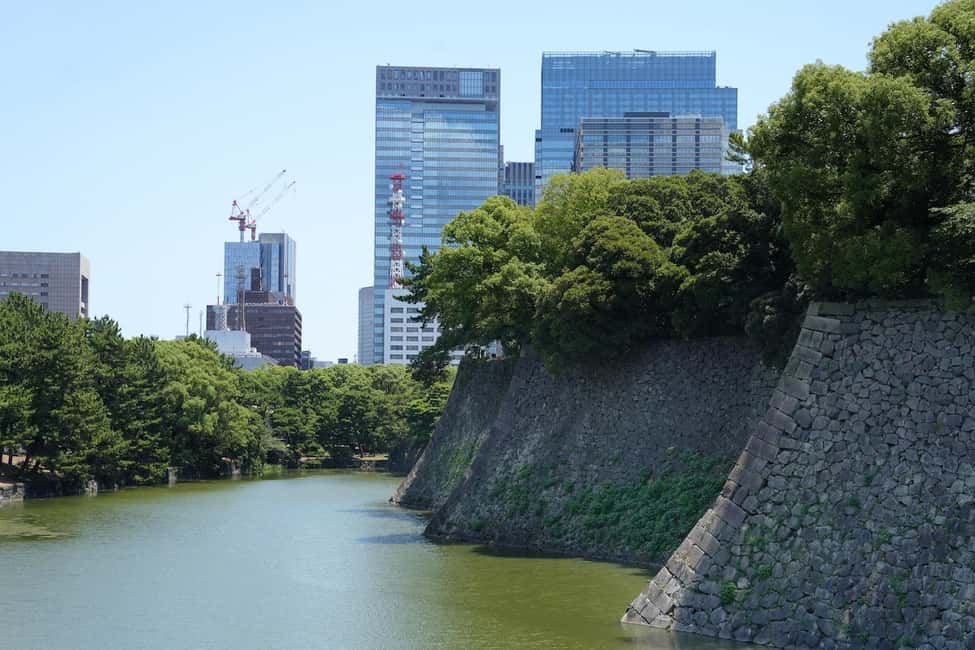
As you continue, Ote-Mon Gate becomes a key moment. Here, you’re learning the castle’s idea of public vs controlled movement, even before you reach the main hall area.
Then you stop at the Ote-San’no Gate Ruins. Ruins can feel vague if you’re only told “this used to be here.” On this tour, the guide ties the remains to a specific purpose: how entrances shaped what people could do and where they could go.
This is a good place for questions. If you’re curious about how rule-by-shogun actually worked on the ground, your questions will fit naturally with the gate-and-access theme.
Also, because the walk includes several short guided segments (often around 5–10 minutes), it’s easy to stay engaged without feeling stuck in one place too long.
You can also read our reviews of more guided tours in Tokyo

Hyakunin Bansho Guardhouse: The human scale of “security”
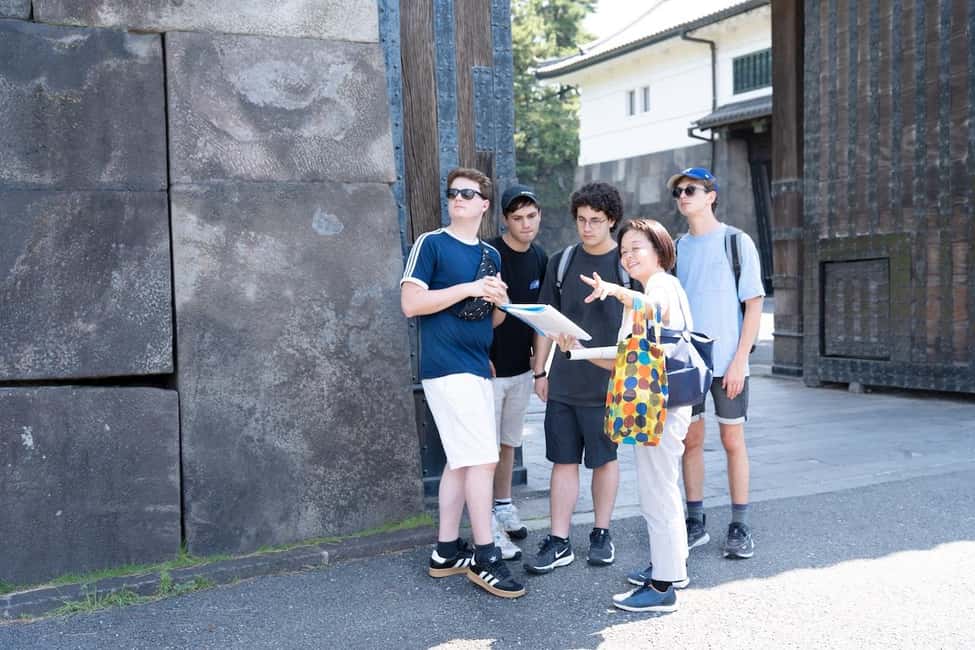
At the Hyakunin Bansho Guardhouse, you get a view of the castle as a daily system. It’s easy to think of Edo Castle only as grand power. This stop reminds you it was also constant work: guard rotation, checkpoints, and routine vigilance.
This kind of detail matters because it changes how you read the rest of the route. When you understand that security was organized, you stop treating every gate and wall as just an architectural feature.
The tour keeps this section moving, but the focus is clear: why guardhouses existed, how they supported the castle’s structure, and what that means for everyday life around political power.
If you’re the kind of person who likes “how things function,” this is a strong stop. It makes the site feel like it was used, not just built.
Honmaru (Main Hall) Site: Where the Tokugawa system comes into focus
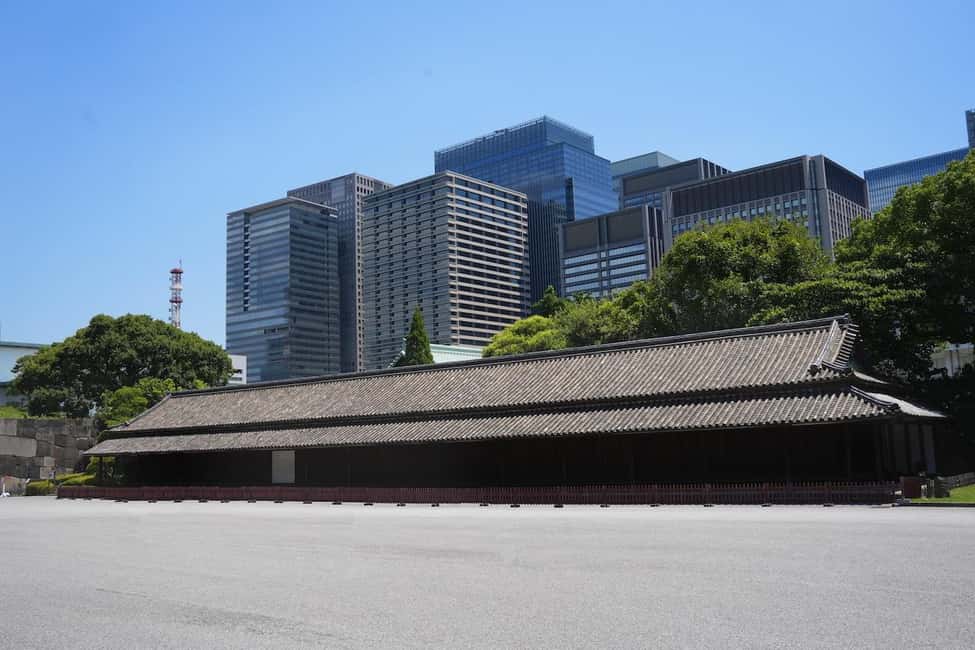
The tour’s centerpiece is the stop at the Site of Edo Castle Honmaru (Main Hall), with about 30 minutes of guided time. This is where you shift from “castle parts” to “the government machine.”
You’ll hear stories about how the Tokugawa shogunate ruled from this area, not just as a vague dynasty but through actual systems and decisions. If you’re hoping to connect physical landmarks to political reality, this is the moment.
One of the most memorable themes tied to this period is the way the guide explains the aftermath of catastrophe and rebuilding. For example, after the Meireki Great Fire, there was a choice to prioritize the revival of Edo’s city life over rebuilding the tenshu (the main keep). That kind of decision is history you can feel, because it links directly to what the city needed.
You also get context on court life through the Ōoku, including how it could be seen as having political dimensions rather than being only a private space. It’s a useful correction if your mental image of the era is too simple.
Stone Walls, Moats, and Daimyo-Style Differences You Can Spot
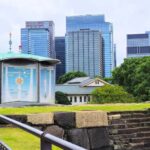
By the time you’re walking the lines of stone walls and moats, the tour’s earlier explanations start paying off. You begin to notice that defensive construction wasn’t one-size-fits-all.
The guide describes how Edo Castle’s stonework was tied to the idea of 天下普請 (large-scale mobilization of feudal domains). You also learn that the stone walls can show differences by domain—styles that vary, even within the same overall fortress concept.
That matters for your experience because it turns the walls into evidence. Instead of thinking, “Nice stonework,” you think, “This is a record of who built what, and why.”
The route is built for these observations. Short guided pauses help you match explanation to location, so you don’t miss the details while walking quickly between features.
Sakurada to the Imperial Palace Center: Meiji’s shift and what it meant
The tour naturally connects the dots between Edo’s shogunate era and the Meiji Restoration. You’re seeing a site that transformed from the center of government to the Emperor’s residence.
This is where the walk becomes more than a castle tour. It becomes a story about how political legitimacy changes—and how architecture and space help enforce that change.
You’ll also pass more gate points on the way, including Kita-Hanebashi Gate, Takebashi (竹橋), and Hirakawa Bridge. Each stop is a chance to review the same big idea: movement through the castle was controlled, and the meaning of that control changed when the political system changed.
If you’re visiting multiple sights in Tokyo, this tour is a good anchor. It helps you interpret the rest of the city with a clearer sense of how Edo’s geography shaped modern Tokyo.
Finish at Hirakawa Gate: A useful wrap-up for the rest of your day
You end at 平川門 (Hirakawa Gate), which gives the tour a clean closing point. From there, you’re well positioned to continue exploring nearby areas without feeling stranded across Tokyo.
Because the whole tour is about 150 minutes and uses frequent short guided segments, you’re likely to leave with a coherent mental map rather than scattered facts. And since it’s a small group (up to 8), it’s easier to get your questions answered without being squeezed out by a huge crowd.
This is also a smart tour to choose if you want something guided but not exhausting. You’ll be walking, yes, but the pacing is built around explanations that fit the scenery.
Value and price: why this tour feels like a bargain
The price is listed at $3.22 per person, which is remarkably low for a guided English walking tour in central Tokyo. Even if you treat the price as “too good to be true,” the real value here is what you get: an English guide, a tight small group, and a guided story that connects gates, walls, and political change.
The included small gift is a nice bonus, but the core value is the interpretation. Many people visit the Imperial Palace area and feel like they’re only seeing modern perimeter fencing. This tour helps you understand what used to be there and how the design worked.
Only keep in mind what isn’t included: meals and drinks and transportation to the start point. Plan your day so you have food and water nearby after the tour ends.
Who should book this Edo Castle and Imperial Palace walk
Book it if you want history you can walk through. The route makes sense even when you’re not a hardcore castle buff, because the guide keeps translating features into functions.
It’s also a great match if you enjoy asking questions. With a live English-speaking guide and a group capped at 8, you’re more likely to get direct answers and follow-ups.
If you dislike walking or you need long breaks, this may feel a bit quick-paced. The tour is designed to keep moving through many stops, so comfort and shoe choice are part of your success plan.
Should you book this tour?
Yes, if you want the easiest way to connect Edo Castle’s government life to the Imperial Palace today. The combination of gates, defenses, and a focus on how decisions shaped the city makes this more than sightseeing.
I’d skip it only if you’re looking for a slow, mostly seated experience or if you’re uncomfortable in colder weather while walking. Otherwise, this is one of those rare Tokyo tours that turns a complicated place into a clear story in just 150 minutes.
FAQ
Where is the meeting point for the tour?
The meeting point is at Marunouchi South Exit of Tokyo Station, at the ground floor. You can recognize it with the western-style historic yellow dome nearby.
How long is the tour?
The duration is 150 minutes.
Is the tour guided in English?
Yes. The tour includes an English-speaking guide.
What size is the group?
The group is small, limited to 8 participants.
Is the tour wheelchair accessible?
Yes, it’s listed as wheelchair accessible.
What should I wear?
Wear comfortable shoes, since the tour is an on-foot walking experience.
What is included in the price?
The tour includes an English speaking guide and a small gift.
Is transportation or food included?
No. Transportation to the starting point and meals and drinks are not included.