REVIEW · TOKYO
Full-Day Private Tour to Discover The Best of Tokyo
Book on GetYourGuide →Operated by Tour Japan · Bookable on GetYourGuide
Tokyo in one day can work.
What makes this private tour fun is the way it stitches together Tokyo’s biggest hits—temples, markets, skyline views, and neon neighborhoods—without you having to plot trains or figure out transfers. You get a bilingual driver, hotel pickup and drop-off, and a tight route that still leaves small pockets of free time.
Two things I especially like: you start with Sensō-ji and its temple-street atmosphere, then you close with iconic streets like Shibuya Crossing plus Golden Gai’s little bar lanes. And the food stop at Tsukiji Outer Market isn’t treated like a quick photo—this day is built around wandering stalls and sampling what’s on offer. One thing to consider: it’s a full 10-hour sprint, so some segments feel more “walk and explore” than “linger and relax,” and entry tickets plus meals are on you.
In This Review
- Key Points You’ll Care About on This Private Tokyo Day
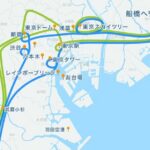
- Your Private Tokyo Day in One Tight 10-Hour Loop
- Sensō-ji Temple and the Temple-Front Shopping Street
- Tokyo Skytree: Skyline Views Plus Time to Wander
- Tsukiji Outer Market: Seafood Chaos You’ll Actually Enjoy
- Imperial Palace: Calm Grounds Between Tokyo’s Noise
- Ginza: Ritzy Shopping and People-Watching Time
- Akihabara and Themed Cafes: Pop Culture With a Side of Weird
- Golden Gai and Shibuya Crossing: Night Lanes Then Iconic Crosswalks
- Price and Value: Is $361 for Up to 5 People a Good Deal?
- The Driver Factor: Getting More Than Directions
- Who This Private Tour Suits Best
- FAQ
- FAQ
- How long is the private Tokyo tour?
- Where are the pickup and drop-off locations?
- Is entry to attractions included in the price?
- Are meals or drinks included?
- Do you get a tour guide?
- What languages does the driver speak?
- Do children need a booster seat?
- Should You Book This Full-Day Private Tour?
Key Points You’ll Care About on This Private Tokyo Day
- Hotel pickup + private luxury car means less transit stress between very different neighborhoods.
- Sensō-ji first, so you get oriented with Tokyo’s old-and-new contrast early.
- Tokyo Skytree observation deck time gives you a real sense of the city’s scale.
- Tsukiji Outer Market is centered on walking and eating, not just sightseeing.
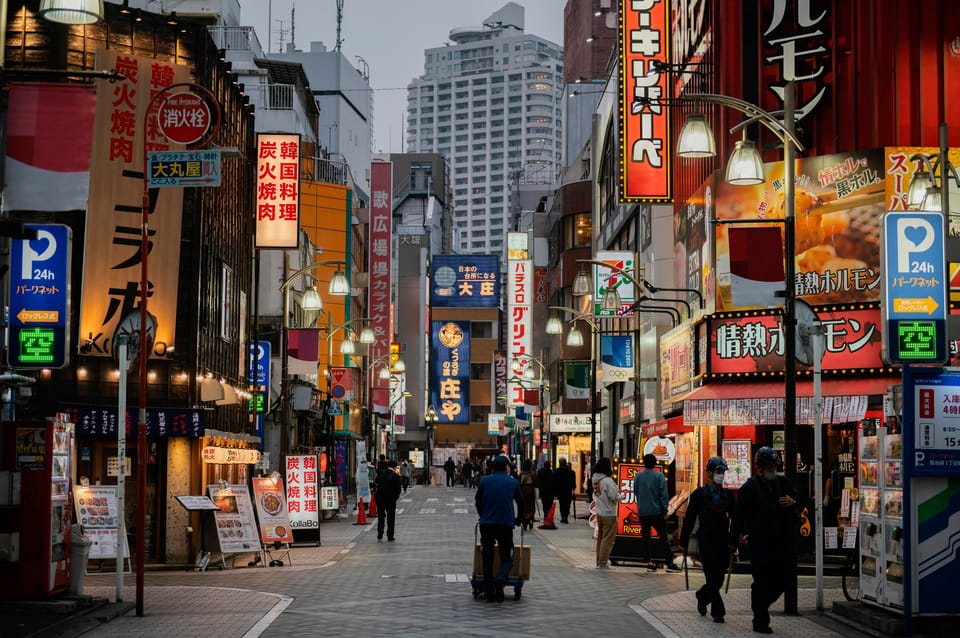
- Golden Gai + Shibuya is a memorable late-day combo for atmosphere and photos.
Your Private Tokyo Day in One Tight 10-Hour Loop
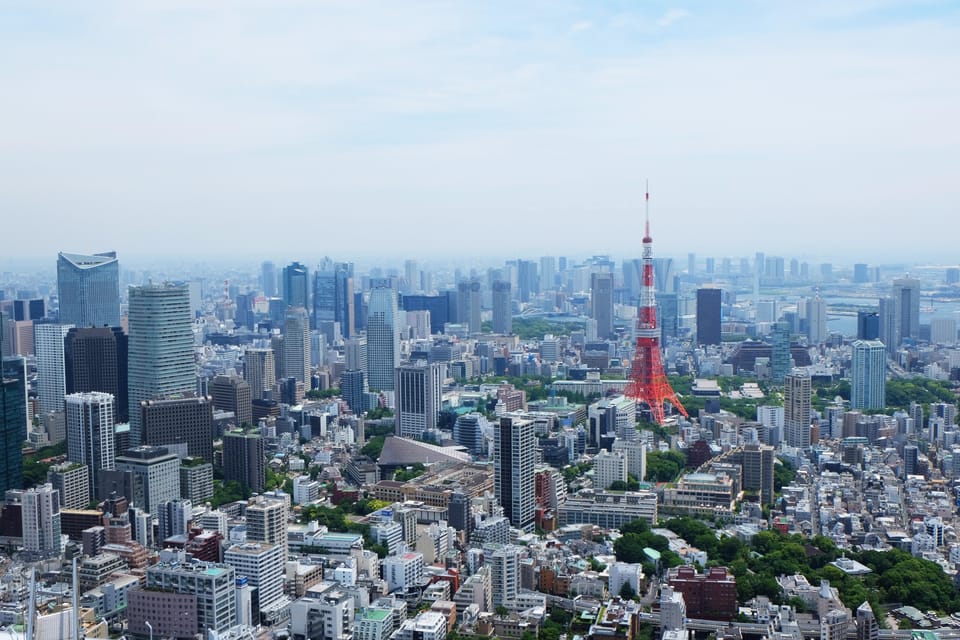
This is the kind of tour you book when you want variety more than specialization. In about 10 hours, you cover areas that normally eat up whole days if you’re moving on public transit. The upside is obvious: less time in transit, more time seeing Tokyo’s different “moods.” The trade-off is also clear: you’ll be walking, and the schedule is packed.
The private setup matters here. You’re not squeezed into a bus group. You’re in a car with an English-speaking driver (and the driver can also use Hindi or Japanese if needed). You also get a realistic plan for the day: photos, short visits, and then chunks where you can browse on your own.
One more practical note: entry fees to attractions and food/drinks are not included. So budget for the Skytree observation deck and whatever you choose to eat at Tsukiji, Golden Gai, and around the other stops.
You can also read our reviews of more private tours in Tokyo
Sensō-ji Temple and the Temple-Front Shopping Street
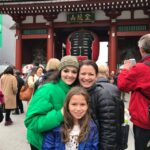
Sensō-ji is Tokyo’s oldest Buddhist temple, and it’s a smart opener. You get hit with the sights and smells of a place that still feels active, not staged. The route here includes a photo stop and then time to visit and take in the area, with a guided element plus shopping-street wandering in the inner courtyard area.
What I like about starting at Sensō-ji is how quickly it gives you context. Tokyo can feel like a cluster of separate worlds—this helps stitch them together. You’ll see classic temple architecture and the everyday “errands and souvenirs” flow along the street, which makes the whole day feel more grounded.
Practical tip: wear shoes that can handle uneven pavement and crowds. This is one of the stops where you’ll likely do more walking than you expect, even though it’s only about an hour on the plan.
Tokyo Skytree: Skyline Views Plus Time to Wander
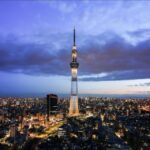
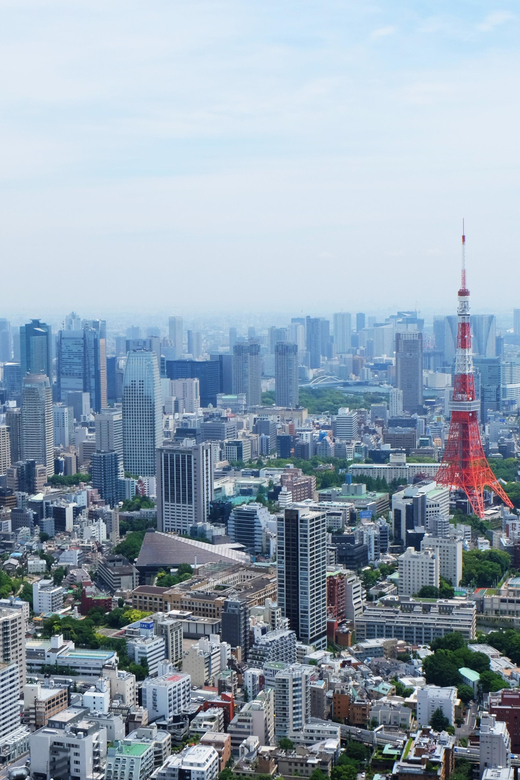
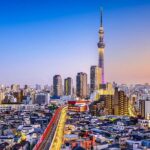
Next comes Tokyo Skytree, a broadcasting and observation tower that’s hard to beat for pure city-scale views. The plan gives you time for the photo stop and a visit, including time on the observation deck plus free time. You can also check out the shops inside Skytree during that block.
The value here is simple: you get a “map in your head” view of Tokyo. Once you’ve seen the skyline from above, neighborhoods later in the day make more sense—like how Shibuya’s energy contrasts with calmer imperial grounds.
A consideration: the Skytree block is about 45 minutes. That’s enough for the main view and a look around, but not for an ultra-slow stroll through every shop. If you’re the type who likes to linger, decide early what matters most: observation deck first, or shopping first.
Tsukiji Outer Market: Seafood Chaos You’ll Actually Enjoy
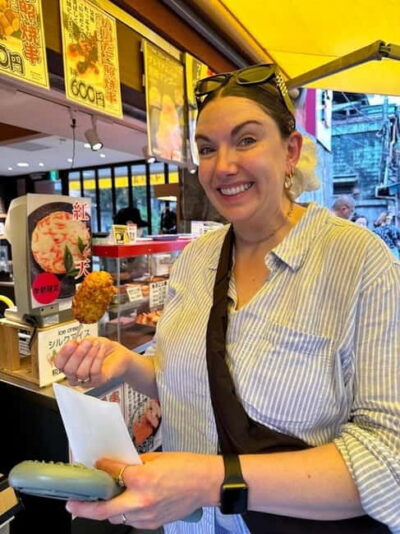
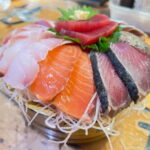
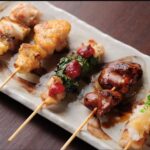
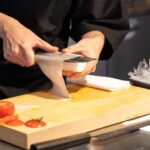
Tsukiji Outer Market is where the day starts tasting like Tokyo. The plan focuses on the outer market area with about an hour for wandering, including a photo stop, a visit, and food time. Lunch and street-food style options are part of the flow, and the experience includes food tasting plus walking among stalls that sell seafood, produce, and even housewares.
This stop can go two ways depending on your mindset. If you want a deep food tour with a strict “order this item” strategy, you might feel the time is short. If you like browsing and picking what looks good at the counter, this format is a great fit. The market is busy for a reason: you’ll see real daily life, and the variety is part of the fun.
What to expect while you’re there:
- You’ll mix sight-seeing with food breaks.
- You’ll be walking through stalls rather than sitting in one location.
- You’ll have shopping time, so it works if you want edible gifts or practical items.
Also remember: food and drinks are not included, so your budget will depend on what you order and how many tastings you do. That said, Tsukiji is one of the best places in Tokyo to spend money without it feeling like tourist-tax—because the whole atmosphere revolves around eating.
Imperial Palace: Calm Grounds Between Tokyo’s Noise
After the market energy, the Imperial Palace stop gives you a breather. You’ll have a photo stop, then time to visit and sightsee with a shorter self-guided stretch (about 30 minutes on the plan). You’ll also get scenic views on the way.
This is one of the most useful “reset” moments in the schedule. Tokyo has sharp edges—crowds, lights, shopping corridors—and the palace grounds slow your pace without turning the day into a full museum. You can take a moment to breathe, regroup, and then head back into shopping-heavy areas.
Realistic expectation: the palace stop is short. It’s more about seeing the main grounds and architecture context than doing a long walk-through.
You can also read our reviews of more tours and experiences in Tokyo
Ginza: Ritzy Shopping and People-Watching Time
Ginza is Tokyo’s polished shopping and restaurant district, and it’s a nice mid-day pivot after the older sights and market food. You’ll get about an hour here with a photo stop, time to visit, and self-guided sightseeing and shopping.
Ginza works even if you’re not planning to buy designer items. You’re here for the contrast: wide streets, upscale storefronts, and the feeling of Tokyo’s more glamorous side. It’s also a good chance to refuel—coffee, dessert, or a quick snack—since this tour doesn’t include meals in the price.
If you’re curious about what to do in Ginza beyond shopping, use the “wander with purpose” approach: pick one direction to walk, then stop when you find a shop or restaurant that interests you. The district is designed for browsing at a relaxed pace, which makes it one of the better stops for independent wandering.
Akihabara and Themed Cafes: Pop Culture With a Side of Weird
Akihabara is where Tokyo’s tech and fandom culture becomes street-level. The tour includes time for a photo stop, a visit, free time, and self-guided exploration (about an hour). You’ll also get the chance to see costumed staff at themed cafes—one of the distinct “Akihabara things” people associate with the area.
This is also one of the most fun stops to match to your interests. If you like electronics, you might spend more time inside shops. If you prefer watching the cafe scene from the outside first, you can do that too and decide later if you want to step in.
A practical consideration: themed cafes can involve extra spending, and entry isn’t included. If you’re not planning to eat or drink there, treat it like a photo-and-people-watching stop. If you are planning to go in, keep an eye on the menu and what you’re ordering since your food/drink costs are separate from the tour price.
Golden Gai and Shibuya Crossing: Night Lanes Then Iconic Crosswalks
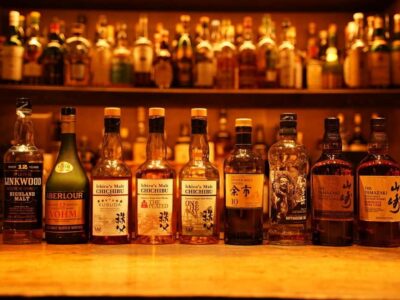
Golden Gai is a small nightlife district packed with bars and food stalls, and the plan gives you about an hour here with break time. It even calls out spirits and street food as part of the experience flow—so you can grab something small if you want. The walking component matters, because Golden Gai is about narrow lanes and atmosphere more than big landmarks.
Then the tour closes with Shibuya Crossing, about 30 minutes for photo stop and sightseeing on foot. This is one of those moments where you don’t need a long visit to feel the energy. Even with limited time, it’s enough to take the classic crosswalk photo and understand why people talk about Shibuya as Tokyo’s “collision of everything” district.
Note the pacing: Golden Gai is better when you’re comfortable moving slowly through small spaces. If you want a sit-down dinner at full service pace, this schedule might feel too tight. But if you prefer short bites, a drink, and walking streets, it fits well.
Price and Value: Is $361 for Up to 5 People a Good Deal?
The price is $361 per group up to 5, with hotel pickup/drop-off and transportation in a luxury car. Since it’s private, the biggest value is how the car time replaces complicated transit and how the route hits multiple Tokyo highlights in a single day.
Let’s translate the math: if you fill the group size, that’s about $72 per person. Even if you’re only two people, it’s still often competitive compared to paying for separate taxis plus individual attraction tickets. The catch is that entry fees and food/drinks are not included, so the “final total” depends on your choices at Skytree, Tsukiji, and the meal breaks.
The best way to judge value for your travel style:
- If you’re traveling in a small group and want convenience, this tends to feel like a bargain.
- If you’re solo and plan to spend a lot on meals and tickets, the tour price is only part of the budget story.
- If you hate fixed schedules, the tight 10-hour loop could be more pressure than you want.
The Driver Factor: Getting More Than Directions
A private day like this lives or dies by the person in the driver’s seat. The tour includes an English-speaking driver, and the experience can go beyond just driving routes. In at least one case, the driver named Johnny was described as friendly and informative, and he even helped with last-minute shopping for late-night snacks and breakfast for kids. That kind of extra effort is rare, but it’s a good sign that this provider aims to help you solve real travel problems, not just follow a checklist.
So when you book, think of the driver as your safety net. You can use that person to confirm where to walk next, how to time your food stop, or what to focus on at the observation deck and busy shopping streets.
Who This Private Tour Suits Best
This works especially well if you:
- Want a one-day “greatest hits” Tokyo loop without public transit juggling.
- Like walking and browsing through different neighborhoods rather than sitting in museums all day.
- Travel as a small group (up to 5) and want the value of private logistics.
You might want to choose a different format if you:
- Prefer long, slow stays at major sights.
- Want food included end-to-end, not just a planned food stop.
- Are very sensitive to crowds, since Tsukiji and the shopping zones can be lively.
FAQ
FAQ
How long is the private Tokyo tour?
It’s a full day lasting about 10 hours.
Where are the pickup and drop-off locations?
You can be picked up from and dropped off at either Haneda Airport or within the Tokyo 23 wards area.
Is entry to attractions included in the price?
No. Entry fees to attractions are not included.
Are meals or drinks included?
No. Food and drinks are not included, even though the day includes lunch and food tasting as part of the planned stops.
Do you get a tour guide?
A tour guide is not listed as included. The tour includes an English-speaking driver.
What languages does the driver speak?
The driver can use English, Hindi, and Japanese.
Do children need a booster seat?
Yes. Children under age 6 require a booster seat, and you should contact the activity provider if you need one.
Should You Book This Full-Day Private Tour?
If you want a smart, efficient Tokyo day that hits major highlights with private transportation, I think this is a strong choice—especially for groups up to 5. You’re paying for convenience and a full route that mixes old Tokyo (Sensō-ji, Imperial Palace) with skyline views (Tokyo Skytree), food walking (Tsukiji Outer Market), and pop-culture and night atmosphere (Akihabara, Golden Gai, Shibuya).
Just go in with the right expectations: budget separately for entry tickets and food/drinks, and accept that the schedule is packed. If you can handle a fast, varied day, this tour gives you a lot of Tokyo in one shot without the stress of planning the logistics yourself.