REVIEW · TOKYO
Tokyo: Samurai Experience with a real sword
Book on GetYourGuide →Operated by H.I.S. Co Ltd(TIC) · Bookable on GetYourGuide
A real katana, in central Tokyo. You’ll suit up in kimono-and-hakama style and practice classic sword skills with Shiden-ryu instruction, not just watch from the sidelines. I especially like that you take home video and photos of your session, including the cutting segment.
You start with etiquette (Zarei), then learn how to draw, handle, and move with the sword before any contact practice. The format is built around a tight 2 hours, so you actually do the training, step by step.
One watch-out: cutting with a real sword is for ages 12+, and it’s not suitable for wheelchair users or pregnant women. If you’re not comfortable changing clothes and following safety rules closely, plan ahead and arrive early to get your bearings.
In This Review
- Key things you’ll notice right away
- Tokyo Samurai Sword Training: Real Katana, Real Rules
- McDonald’s Meeting Point and Your 20-Minute Start Plan
- Kimono and Hakama Dressing: Height/Weight Matters
- Zarei Etiquette and Shiden-ryu Iai Instruction
- Uchikomi Sword-to-Sword Practice: How to Prepare Mentally
- Cutting Objects with a Real Sword (Age 12+): The Money Moment
- Take Home Video and Photos: Worth the Photography Charge
- Price, Value, and Who This Fits Best
- Should You Book the Samurai Experience with a Real Sword?
- FAQ
- How long is the Samurai experience in Tokyo?
- What exactly happens during the session?
- Can kids participate, and can they cut with a real sword?
- Is the tour suitable for wheelchair users or pregnant women?
- Where do I meet the staff?
- What should I bring?
- Is there an English-speaking instructor?
- Do I get photos or video to take home?
Key things you’ll notice right away
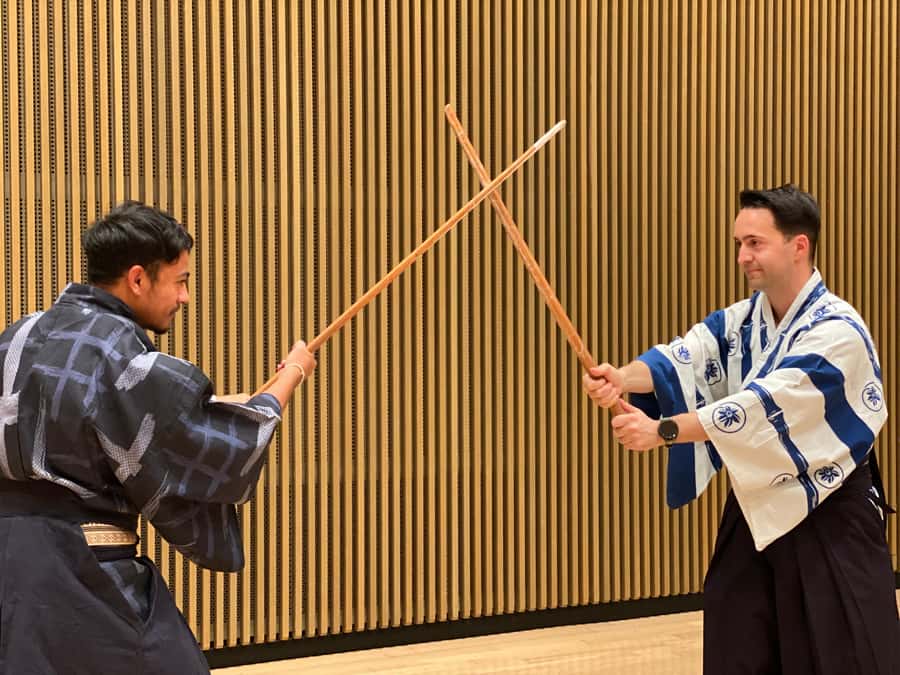
- Kimono + hakama dressing makes the whole session feel like more than a lesson
- Zarei etiquette (including seated etiquette) gives you the “how to act” part of samurai training
- Shiden-ryu iai demonstration teaches sword-drawing and controlled movement basics
- Uchikomi sword-to-sword practice lets you experience sparring in an organized format
- Real-sword cutting is the high-intensity moment, with video recorded for you
- A photo session plus a keepsake video means you leave with proof, not just memories
Tokyo Samurai Sword Training: Real Katana, Real Rules
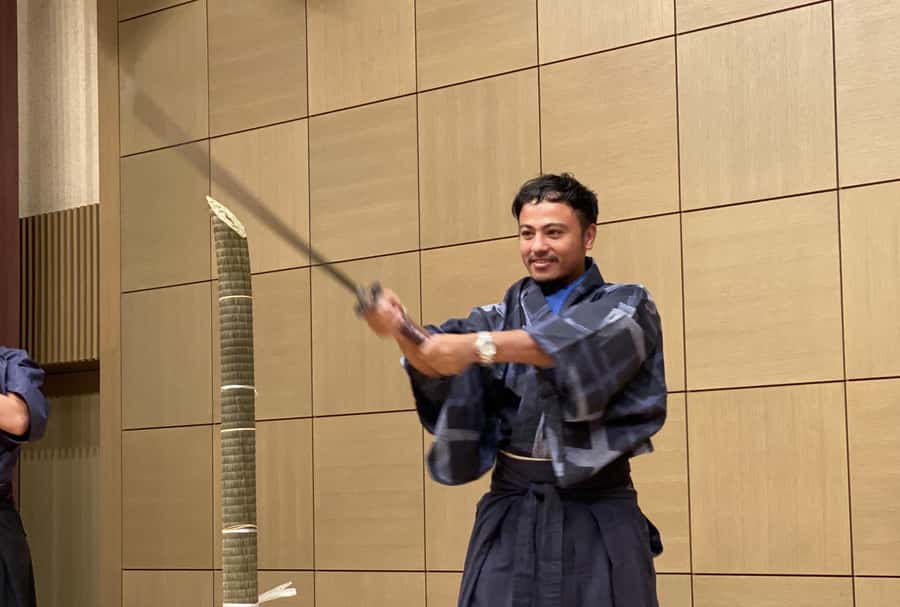
This is a hands-on Tokyo experience built around one big idea: you learn samurai swordsmanship using a real sword. You’ll dress like a samurai, study form and etiquette, and then do the kind of practice you usually only see in demonstrations—drawing, handling, and controlled combat practice.
The best part for most people is that the session is structured like training, not like entertainment. You begin with basics and rules, then build toward the fun moment: sword-to-sword drills (Uchikomi) and cutting objects with a real blade.
Value-wise, you’re not just paying for access to a swordsman-themed attraction. The price covers a professional coach, English-speaking staff, venue/experience fees, and the photography charge—plus a recorded keepsake video/photo session. For $102 per person, you’re basically buying instruction + gear time + media you can take home.
You can also read our reviews of more tours and experiences in Tokyo.



McDonald’s Meeting Point and Your 20-Minute Start Plan
Your day starts in a very specific spot. Meet after exiting the ticket gates, go out the west exit, and head to the ground floor where you’ll find McDonald’s. Look for staff holding a meeting board.
This matters because the session is only 2 hours, and you’ll need time to get settled before dressing. Arrive 20 minutes prior so you don’t feel rushed when it’s time to change clothes and get fitted with your kimono-and-hakama.
One extra detail: the exact meeting location can vary within Tokyo depending on the date. You’ll be notified if there’s a change, so keep an eye on your message after you reserve.
If you’re arriving from somewhere else in Tokyo, give yourself padding. Metro lines can surprise you with construction, and the last thing you want is stress right before sword work.
Kimono and Hakama Dressing: Height/Weight Matters
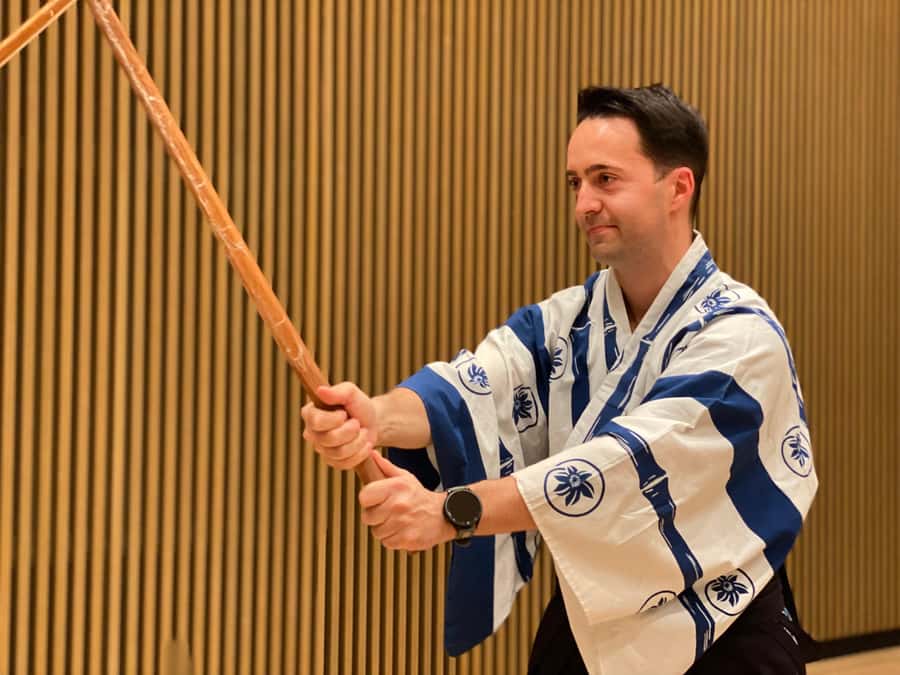
Before sword skills, you’ll do reception and dressing in a traditional kimono and hakama. This is more than costume. It sets your posture and how you move—so you’ll want comfortable layers underneath and a plan for changing out of the outfit you came in.
When you reserve, you’ll be asked to share your height and weight. That’s not random. It helps the staff size the fit properly, which affects comfort and safety during sword practice.
What to bring is simple and practical: a change of clothes (you will be changing), water, and comfortable clothes for before and after. You also should bring a drink with a secure lid.
One small caution: the session notes say it’s not suitable for certain bodies and needs careful handling. It’s also a no-smoking experience, and alcoholic drinks in the vehicle are not allowed. You’re here to train, not tour with drinks.
Zarei Etiquette and Shiden-ryu Iai Instruction
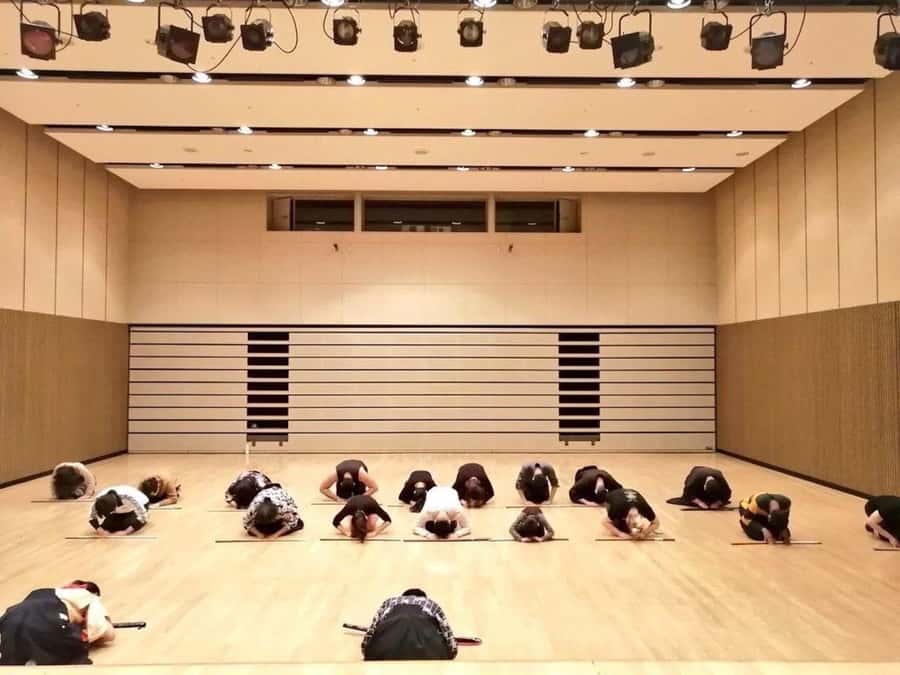
In many sword lessons, you jump straight to technique. Here, you start with etiquette: Zarei. You’ll learn the rules and ceremonial manners of samurai practice, including seated etiquette later in the program.
Then you move into sword handling techniques and forms and movements. You’ll also watch a demonstration of iai and swordsmanship by Shiden-ryu, which is the style used during the session. Iai is the set of skills focused on drawing and using the sword in a controlled way, so you learn the fundamentals of timing, position, and movement.
One reason I like this part: it gives context. If you only learn how to swing or cut, the whole thing feels random. Zarei and basic iai steps turn it into a system—your brain knows what you’re supposed to do and why.
Also, expect a coach-style teaching rhythm. You’ll be introduced to the rules and etiquette, shown techniques, then guided through practice. It’s an effective pace for beginners.
Uchikomi Sword-to-Sword Practice: How to Prepare Mentally
After the initial handling and forms, you’ll step into sword-to-sword combat (Uchikomi). Uchikomi is drill-based sparring practice, so you get the feeling of interaction without only watching.
Mentally, this is where you should shift from spectator mode to student mode. Your job is to follow the coach’s instructions closely, keep your movements controlled, and focus on the sequence you’re being taught. If you get excited and start improvising, you’ll likely slow down the group or cause safety pauses.
This is also the moment where footwear and body comfort matter. Since you’re in traditional clothing, avoid anything restrictive. Come wearing comfortable clothes for the pre-dressing portion, and then focus on relaxing your stance when you’re practicing.
Language is usually handled by English-speaking staff, but if you’re worried about misunderstandings, download a translation app and be ready to show what you’re trying to ask. One experience report noted the hosts may not be fluent, and basic translation helped.




Cutting Objects with a Real Sword (Age 12+): The Money Moment
The headline moment is cutting objects with a genuine samurai sword. It’s available for participants aged 12 and above, so if you’re traveling with younger kids, confirm what they’ll do during the cutting segment (the real cutting portion is age-limited).
This is also the part where the session can feel most intense. You’re handling the blade and performing a controlled cut on an object, and the experience notes mention video recording for this segment. That means your coach can focus on form while the camera captures the action for you.
You’ll get a presentation and video recording as part of the program flow, so the cutting moment isn’t tacked on at random. It fits into the structure: sword handling first, forms and practice next, then the cutting, followed by more ceremonial touches and a wrap-up.
If you’re the type who wants a real-world souvenir, not just photos, this is why the price can make sense. You’re paying for the coaching time and the real equipment use—not only for the final snapshot.
Take Home Video and Photos: Worth the Photography Charge
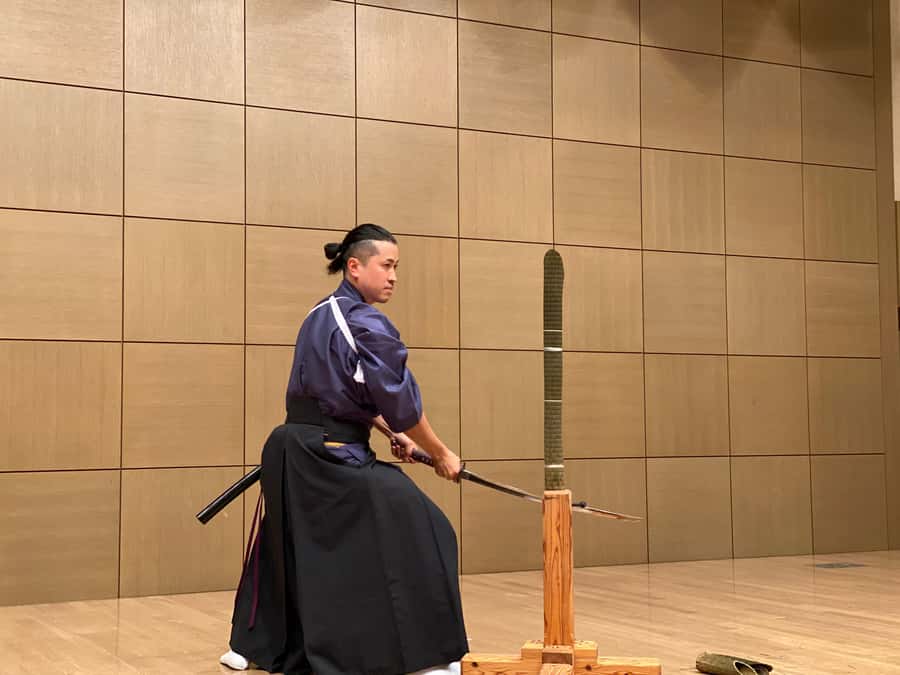
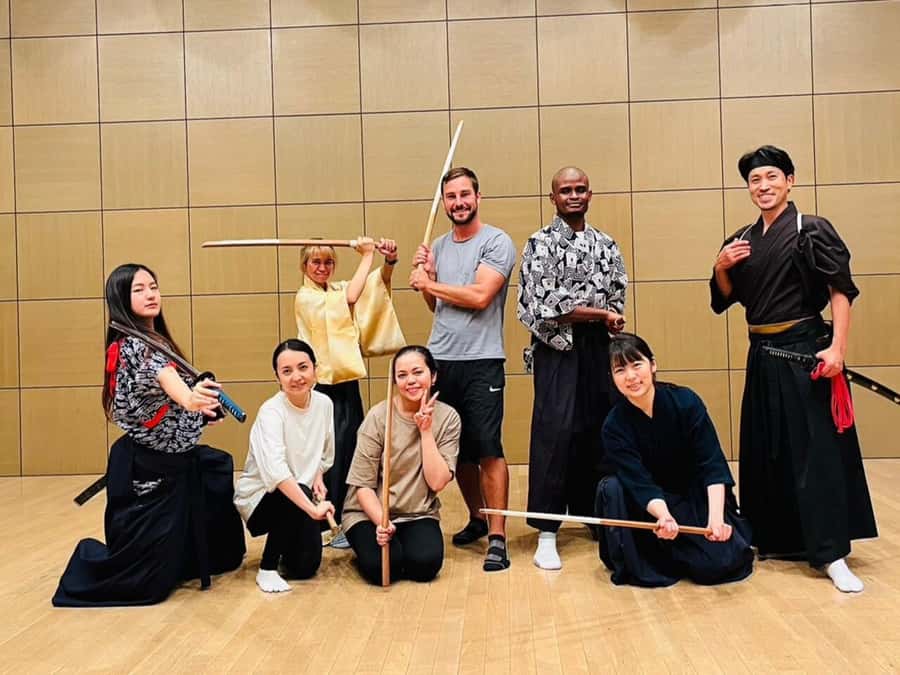
At the end, you’ll do a commemorative photo session and then change clothes back into your own outfit. The big takeaway is that you leave with recorded media of your session, including video footage of the action and photos from the session.
That keepsake matters more than it sounds. A lot of Tokyo activities give you a memory and a few pictures on your phone. Here, the experience is designed to produce a video and photos that match what you actually did: the outfit, the etiquette steps, and the cutting moment.
The price includes the photography charge and the experience fees, so you’re not scrambling to add extras later. You also get the professional coaching and staff time wrapped into the same package, which keeps the experience from turning into a self-guided photo shoot.
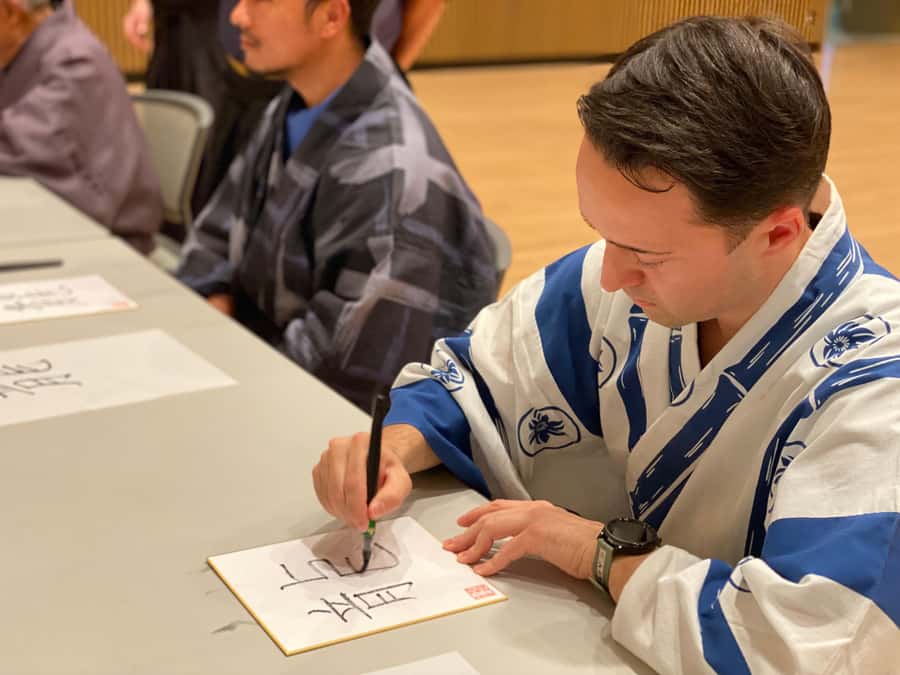
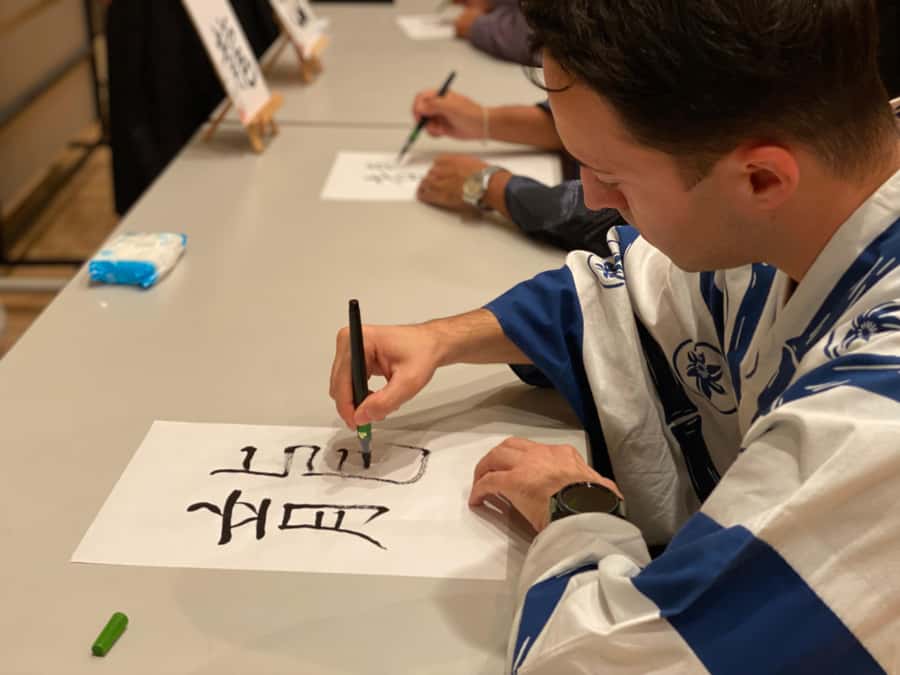
Some versions of the day may also include extra culture moments like calligraphy and a small meal, based on what people have experienced during their session. Don’t count on it every time, but if it happens, it’s a nice bonus that turns the lesson into a fuller cultural hangout.
Price, Value, and Who This Fits Best
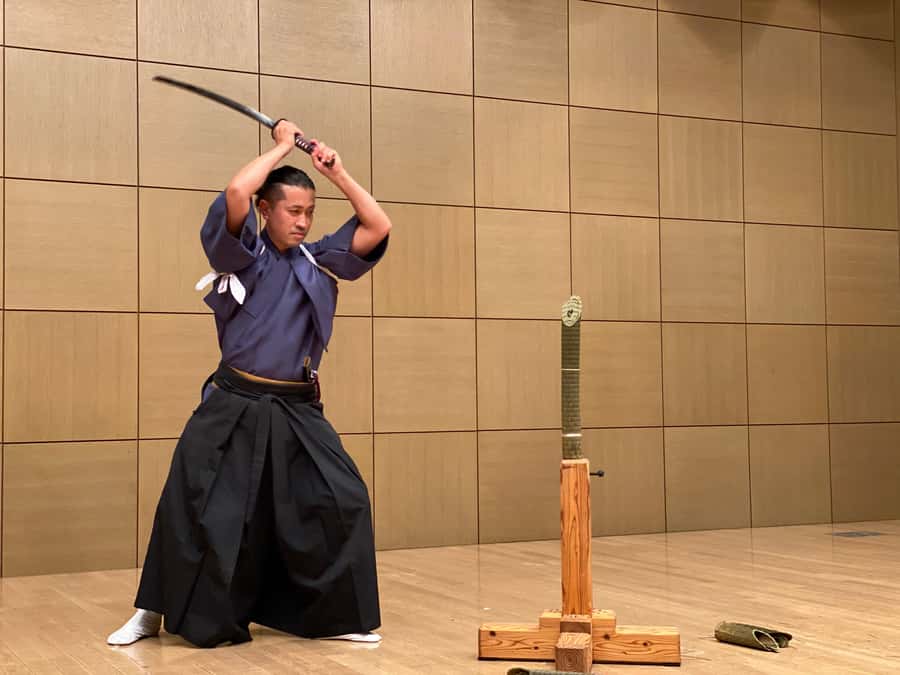
At $102 per person for about 2 hours, this isn’t a cheap activity—but it also isn’t just a themed show. The cost covers a professional coach, an English-speaking team, venue/experience fees, and photography/media. You’re paying for real instruction time, a real sword experience, and a video keepsake.
If you love martial arts, history-as-practice, or you just want something that doesn’t feel like another “look at the view” stop, you’ll likely enjoy this. It’s also a strong choice for couples or small groups who want a shared, interactive Tokyo activity where everyone gets hands-on time.
Who should be cautious? Anyone who can’t change clothes easily, anyone who needs wheelchair accessibility, and pregnant participants should skip it. And if your group includes younger kids, remember the real sword cutting is age-restricted to 12 and up.
If you’re anxious about the sword part, focus on the fact that you’ll start with etiquette and technique first. That structure helps you build confidence before the high-energy moments.
Should You Book the Samurai Experience with a Real Sword?
Book it if you want a Tokyo souvenir with real training behind it: kimono-and-hakama dressing, Shiden-ryu iai basics, Uchikomi sword-to-sword drills, and real cutting with recorded video. The keepsake alone is a strong reason to choose this over a simple photo stop, and the pacing makes it work in a 2-hour window.
Skip it if you’re not comfortable with traditional clothing changes, have mobility constraints, or don’t fit the age/suitability limits—especially if cutting is the main goal and your group includes anyone under 12.
If you like learning by doing, this is one of those experiences that feels worth the money because it gives you time with the real thing—under coaching, with a video you’ll actually want to watch later.
FAQ
How long is the Samurai experience in Tokyo?
The experience lasts about 2 hours. Starting times vary, so you’ll want to check availability for the time you’re looking for.
What exactly happens during the session?
You’ll do reception and kimono dressing, learn samurai etiquette (Zarei), practice sword handling and forms, watch and practice Shiden-ryu iai techniques, do sword-to-sword combat (Uchikomi), record video/photo moments, and cut objects with a real sword.
Can kids participate, and can they cut with a real sword?
Cutting objects with a real sword is available for participants aged 12 and above.
Is the tour suitable for wheelchair users or pregnant women?
No. The experience is not suitable for wheelchair users or pregnant women.
Where do I meet the staff?
Meet after exiting the ticket gates, then go out the west exit to the ground floor where you’ll find McDonald’s. Look for staff holding a meeting board.
What should I bring?
Bring a change of clothes, water, and comfortable clothes. Also bring a drink with a secure lid.
Is there an English-speaking instructor?
Yes. The instructor and staff are English-speaking.
Do I get photos or video to take home?
Yes. You’ll receive commemorative photos and a video recording of your experience, including the cutting action where video recording is available.