REVIEW · TOKYO
One Day 10hrs Mount Fuji Tour English Speaking Driver
Book on GetYourGuide →Operated by Travel Addicts · Bookable on GetYourGuide
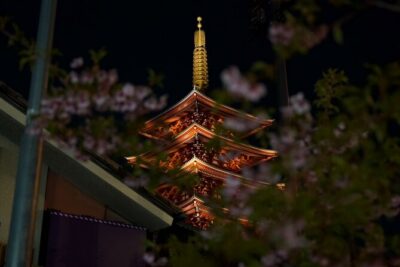
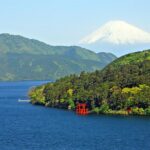
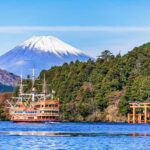
A day with Mt. Fuji starts with a breath of fresh views. This private, fully customizable tour pairs classic photo stops like Chureito Pagoda and Lake Kawaguchiko with calmer moments around Oshino Hakkai and reconstructed village streets at Saiko Iyashi-no-Sato Nenba. I especially like the mix of iconic scenery (Fuji viewpoints plus cherry blossoms and a crimson pagoda) and the slower, human-scale stops like the spring-water village area. One thing to consider: English skill can vary by driver, and traffic delays can happen, so it helps to plan for a little wiggle room in the day.
You’ll ride in a private, air-conditioned vehicle with an English-speaking driver & guide, typically with you being limited to a small group of up to 6. Pick-ups are designed for central Tokyo convenience, and the route is built for a full, efficient loop around Mount Fuji’s most popular sights.
In This Review
- Key highlights worth aiming for
- How this private Mt. Fuji day feels different
- Price and what you’re really buying for $554
- The timing of your 10-hour loop (and why it works)
- Stop by stop: what each place is for (and what to watch out for)
- Mount Fuji 5th Station: the high-altitude payoff (weather permitting)
- Oshino Hakkai: spring-water calm and village sights
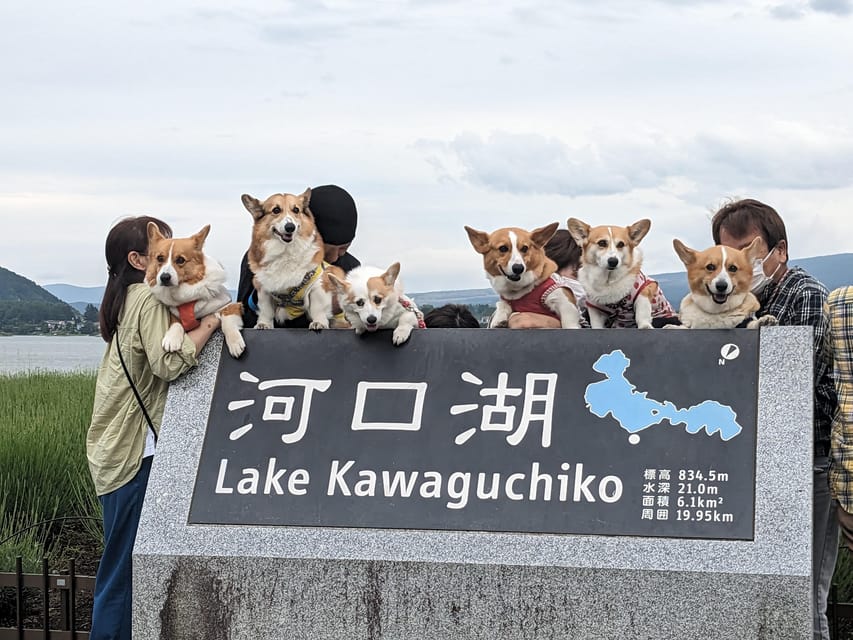
- Lake Kawaguchiko: a longer scenic break (and lunch time)
- Mt. Kachi Kachi Ropeway: shifting your angle
- Oishi Park: timed scenic walking (and sunset mention)
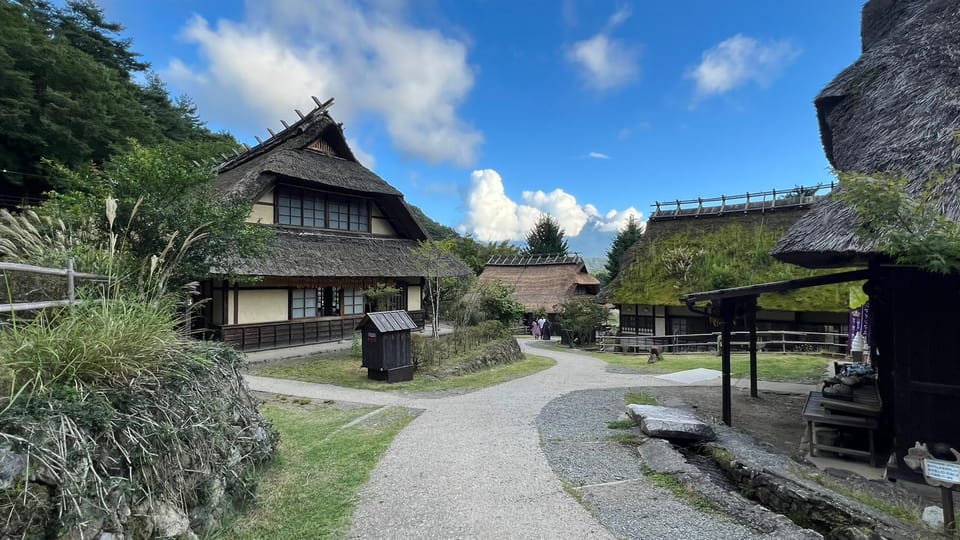
- Saiko Iyashi-no-Sato Nenba: reconstructed homes, real fun
- Arakurayama Sengen Park: a final scenic curtain call
- Drivers and communication: the human part of your day
- Who this tour suits best (and who might prefer something else)
- Practical tips to get better results on your Fuji day
- Should you book this Mt. Fuji tour?
- FAQ
- FAQ
- How long is the Mt. Fuji day trip?
- What is the group size?
- Where does the tour start and end?
- Is the driver and guide English-speaking?
- Is Mount Fuji 5th Station included?
- What are the main stops on the route?
- What is included in the price?
- What is not included?
- Is pickup included from central Tokyo hotels?
- Is there free cancellation?
Key highlights worth aiming for
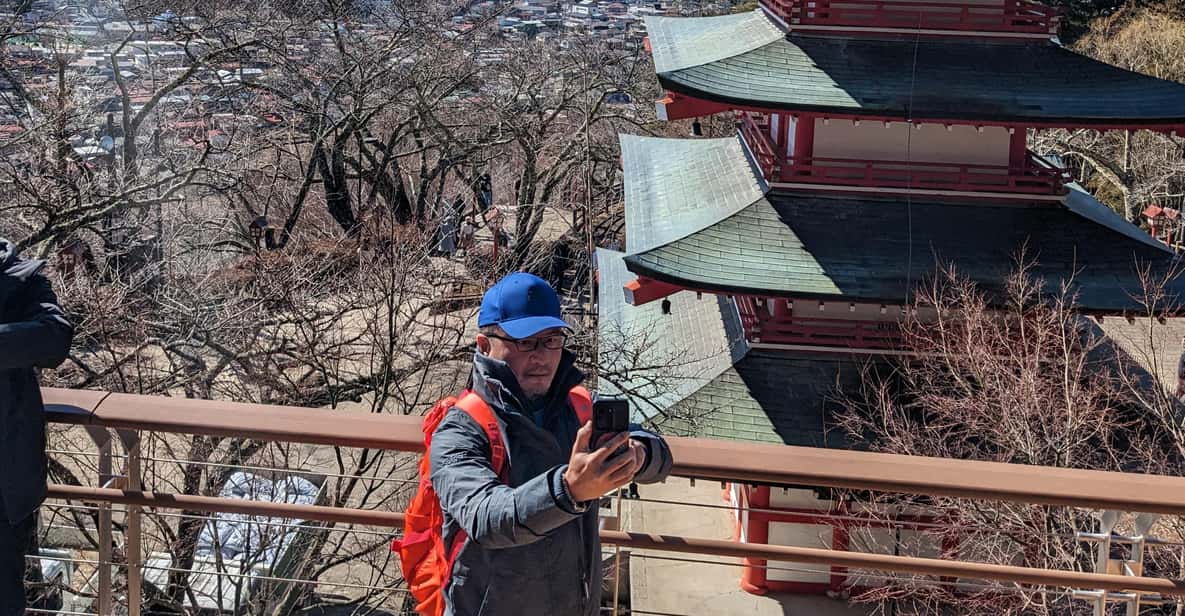
- Mt. Fuji viewpoints on a tight route: Chureito Pagoda, Oishi Park, and Arakurayama Sengen Park are timed for scenic moments and photos.
- Lakeside time near Kawaguchiko: you get a longish stop around Lake Kawaguchiko for photos, walking, and lunch.
- Oshino Hakkai spring-water village: you’ll see the village known for abundant spring water from Mount Fuji.
- Saiko Iyashi-no-Sato Nenba recon village: reconstructed houses let you browse and even rent traditional clothing for a more hands-on experience.
- Ropeway and parks for different angles: Kachi Kachi Ropeway and Oishi Park add viewpoints that feel different from the usual postcard spots.
- Fifth Station only when weather allows: if visibility is good, you can go higher; if not, the route still focuses on areas with strong scenic payoff.
How this private Mt. Fuji day feels different
This tour works well if you want a Mount Fuji day that’s not rushed like a bus cattle line, but also not so slow that you lose the best light. You’re in control of pacing because it’s private and customizable, so you can linger where the views are good and shorten stops where you’d rather keep moving.
The big value is that you’re bundling a lot of far-flung sights into one day with round-trip transfers from your central Tokyo hotel. That matters because getting to the Fuji area by yourself can eat time and energy, especially when you’re juggling trains, transfers, and timing your photo stops.
I also like that the tour doesn’t just target one viewpoint. You get a sequence: a shrine/pagoda view, then spring-water village sights, then lakeside walking and parks, and finally reconstructed village culture. It’s a complete “Fuji area” snapshot rather than one single stop and done.
You can also read our reviews of more tours and experiences in Tokyo

Price and what you’re really buying for $554
At $554 per group (up to 6), you’re paying for a private vehicle plus hotel pickup and drop-off, with tolls and fuel included. The math gets friendlier when you split it among a few people, but even solo travelers often find the value better than cobbling together multiple private rides across a full day.
The most practical part is coverage. This route uses several different areas around Mount Fuji that are not close together, so the private transportation component is doing real work. Also, you avoid the stress of figuring out how to route yourself efficiently once you’re out in Yamanashi Prefecture.
Two costs to mentally keep aside:
- If your day includes Mount Fuji 5th Station, there’s an extra uphill fee (JPY 1,500–JPY 3,700) you pay directly at the local facility.
- If your pickup is outside Tokyo 23 Wards, there can be an extra charge of JPY 5,000–JPY 20,000 depending on your location, paid directly to the driver. Within Tokyo 23 Wards, there’s no extra pickup fee.
So yes, you pay for convenience, but you’re also paying for a full day’s worth of problem-solving: timing, routing, and the know-how to move between viewpoints smoothly.
The timing of your 10-hour loop (and why it works)
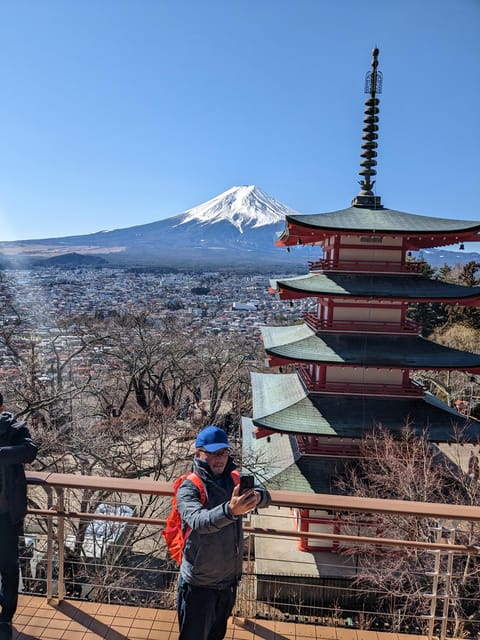
The structure is built around a sensible sequence: you start early enough to reach higher and scenic areas, then you work through the famous Fuji-adjacent spots without backtracking too much.
Your day looks like this in motion:
- Transfer from Tokyo (about 1.5 hours by van)
- Mount Fuji 5th Station (if weather permits) for a photo stop and short sightseeing/walk (about 30 minutes)
- Oshino Hakkai for sightseeing and spring-water village exploring (about 40 minutes)
- Lake Kawaguchiko for a longer scenic window plus lunch/shopping (about 1.5 hours)
- Kachi Kachi Ropeway for another viewpoint angle (about 30 minutes)
- Oishi Park (about 30 minutes, with sunset mentioned in the stop outline)
- Saiko Iyashi-no-Sato Nenba reconstructed village (about 30 minutes)
- Arakurayama Sengen Park (about 30 minutes)
- Return back to Tokyo (drop-off options are the same as pick-up)
That timing matters because it gives you multiple “photo chances.” Fuji visibility can be unpredictable, so having several viewpoints in the route improves your odds of getting a day that feels like your photos looked online.
Stop by stop: what each place is for (and what to watch out for)
Mount Fuji 5th Station: the high-altitude payoff (weather permitting)
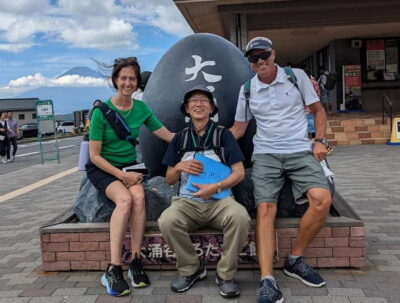
Your tour includes a stop at Mount Fuji 5th Station for photos and a short visit/walk, around 30 minutes. The key detail is weather permitting. That means if clouds roll in, you may not get the higher views you hoped for.
What you’ll likely enjoy here is the “closer to the mountain” feeling: you’re higher up, and on a clear day the scale can hit hard. Even when you don’t get perfect views, the stop is designed as a quick sightseeing and scenic-window moment rather than an all-day hike.
Consideration: the uphill fee (JPY 1,500–JPY 3,700) is not included and must be paid directly at the local facility at the fifth station area.
You can also read our reviews of more tours and experiences in Tokyo


Oshino Hakkai: spring-water calm and village sights
Next up is Oshino Hakkai, where the area is noted for abundant spring water flowing from Mount Fuji. This stop feels grounded and local compared to the more dramatic “big view” stops, which is a good balance for a full day.
You get around 40 minutes for photo stops, village sightseeing, and some shopping time. If you enjoy walking around historic-feeling streets and seeing how water and nature shape everyday life, this is one of the places that can make the day feel more real instead of just postcard photos.
Lake Kawaguchiko: a longer scenic break (and lunch time)
Lake Kawaguchiko gets about 1.5 hours, which is generous enough to do more than just stand by the water. You’ll have time for photos and a walk, plus lunch and shopping.
I like that this stop is framed as serene and relaxing, because it helps prevent “Fuji fatigue.” After multiple viewpoints, you can reset with open views and slower pacing. If the sky clears, this is often where you catch that classic reflection-style feel people chase in this region.
Practical note: bring layers. Even in better weather, lakeside air can feel cooler than Tokyo, and you’ll be standing/walking outside more than you think.
Mt. Kachi Kachi Ropeway: shifting your angle
Your route includes the Kachi Kachi Ropeway with about 30 minutes allocated for photo stops and sightseeing/walk. Ropeways are popular for a reason: they help you see different angles without adding the time cost of climbing.
If you want variety in your Mount Fuji photos, this is a smart addition. Instead of repeating the same viewpoint distance, you’ll get a different vantage level that can make the day feel fuller.
You should also know that any ropeway ticket or activities that cost money are not included. The tour time gives you the chance to take part, but you’ll pay for the paid activity directly where needed.
Oishi Park: timed scenic walking (and sunset mention)
Oishi Park is another photo-friendly stop with about 30 minutes, plus shopping and sightseeing. The outline specifically mentions sunset, so if your timing lines up with golden hour, you’re in the right place to try for that softer light.
Even if it’s not sunset, parks around a large lake tend to give breathing space. It’s a decent moment to stretch, take photos, and regroup before you head into the reconstructed village.
Saiko Iyashi-no-Sato Nenba: reconstructed homes, real fun
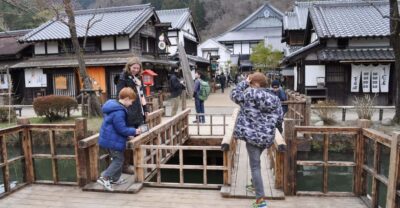
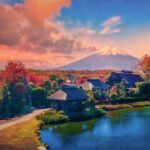
Saiko Iyashi-no-Sato Nenba is a reconstructed Japanese village where visitors can explore houses. You also have a stop time of about 30 minutes for photo opportunities, sightseeing, and shopping.
What makes this stop special is the chance to shift from nature views to everyday life details. If you rent traditional clothing here (not guaranteed in the package, but described as available), you’ll feel more like you’re walking through a scene than just looking at buildings.
Consideration: this is time-boxed, so it’s best if you know what you want to do: quick photos, then browse, or quick browse, then a bit of culture photographing. Don’t plan for a slow half-day here.
Arakurayama Sengen Park: a final scenic curtain call
Your last major stop is Arakurayama Sengen Park for about 30 minutes. It’s another viewpoint-oriented park with photo stops, sightseeing, shopping, and walking.
I like ending with a park because it keeps the day from feeling like it shuts down the minute you get back into the car. Plus, it gives you one more chance at a clear Fuji line if earlier weather was only so-so.
Drivers and communication: the human part of your day
This experience includes an English-speaking driver & guide, and the ride is in a private, air-conditioned vehicle. That combination matters because you’re moving quickly between areas, and good communication helps you decide what to prioritize on the ground.
From what I’ve learned about how this tour can play out, drivers who engage with your questions can make the day feel smoother and more personal. One guide named Zohan was described as comfortable in the drive and happy to answer questions, with recommendations that made the trip more efficient.
At the same time, English ability can vary. One booking noted that the driver’s English could be stronger, so if English is crucial for you, I’d treat the description as a helpful baseline rather than a guarantee of fluent-level storytelling.
Also, delays can happen due to traffic incidents. One report described a significant late arrival caused by an accident and the lack of early notice. The practical lesson: when you book, keep your phone ready and make sure you have a way to contact your pickup driver if timing changes.
Who this tour suits best (and who might prefer something else)
This is a strong fit if you:
- Want a private day trip with up to 6 people and shared transportation.
- Care about both iconic Fuji sights and calmer stops like Oshino Hakkai and the reconstructed village.
- Prefer having someone else handle routing, timing, and hotel pickup/drop-off.
It may feel less ideal if you:
- Need very consistent, high-level English interpretation.
- Are extremely sensitive to timing changes, because road traffic can affect a full-day loop.
- Only want one or two places and would rather not pay for a full structured day.
If you’re traveling as a family or a small group of friends, the per-group price can make this a good value way to buy convenience and coverage.
Practical tips to get better results on your Fuji day
You’ll get the best results by treating the day as a photo-and-walk day, not a sit-and-watch day. Wear shoes you can move in, because several stops include scenic walking and short walks.
Here’s what helps most:
- Pack layers for wind and temperature swings, especially around lakes and higher viewpoints.
- Bring cash for the possible fifth-station uphill fee (JPY 1,500–JPY 3,700) since it’s paid directly onsite.
- If you’re outside Tokyo 23 Wards, confirm your pickup surcharge amount ahead of time so there are no surprises on the day.
- Decide what matters most to you: Fuji views, lake time, or cultural village browsing, then let your driver adjust pacing accordingly.
And remember: Fuji visibility changes fast. Your best strategy is to enjoy the process and take photos at multiple viewpoints rather than waiting for one perfect moment.
Should you book this Mt. Fuji tour?
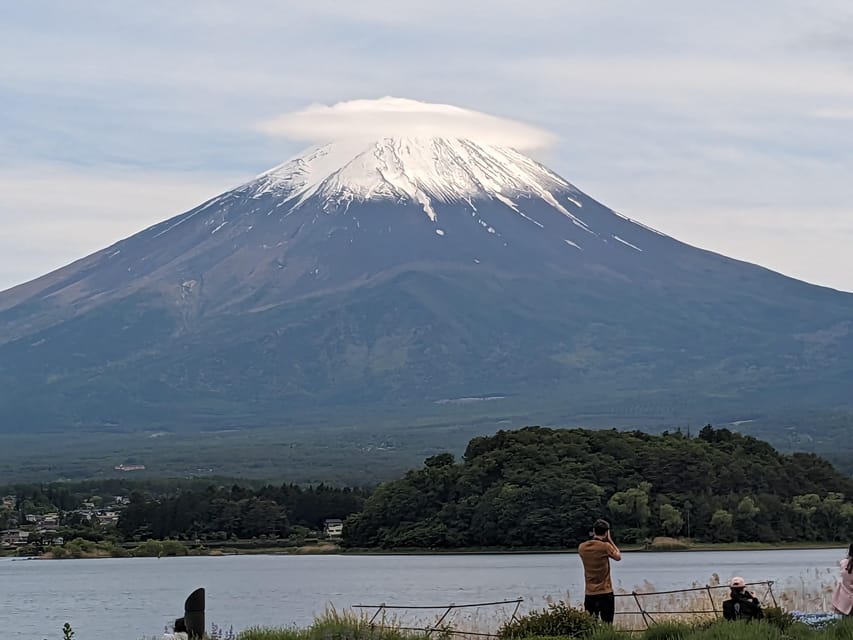
I’d book this tour if you want an efficient, private way to see a lot of Mount Fuji area highlights in one day, with enough variety to avoid a one-note sightseeing trip. The combination of Chureito Pagoda views, spring-water village exploring at Oshino Hakkai, lakeside time at Kawaguchiko, and the reconstructed village stop at Saiko Iyashi-no-Sato Nenba gives the day a nice balance of drama and calm.
I’d think twice if you’re relying on perfect English interpretation or if you’re the type who gets stressed by traffic delays. In that case, you might still enjoy the route, but I’d manage expectations on communication and build flexibility into the day.
FAQ
FAQ
How long is the Mt. Fuji day trip?
The tour duration is 10 hours.
What is the group size?
It is a small group limited to 6 participants.
Where does the tour start and end?
Pickup and drop-off are included, with options in Tokyo 23 wards, Tokyo. If your pickup is outside Tokyo 23 Wards, there may be an extra charge.
Is the driver and guide English-speaking?
Yes, the driver and guide are English speaking.
Is Mount Fuji 5th Station included?
It is included as a stop if weather permits. If you go, there is an additional uphill fee of JPY 1,500 to JPY 3,700 paid directly at the local facility.
What are the main stops on the route?
The tour includes stops such as Chureito Pagoda, Oshino Hakkai, Lake Kawaguchiko, the Kachi Kachi Ropeway, Oishi Park, Saiko Iyashi-no-Sato Nenba, and Arakurayama Sengen Park, plus Mount Fuji 5th Station if weather permits.
What is included in the price?
Included are private transportation, hotel pickup and drop-off, highway toll tax, and petrol.
What is not included?
Any activity that costs extra is not included. Also, the Mt. Fuji 5th Station uphill fee (if you go) is not included.
Is pickup included from central Tokyo hotels?
Yes. Pickup is included from Tokyo 23 wards. If you’re outside Tokyo 23 Wards, an additional charge may apply.
Is there free cancellation?
Yes. You can cancel up to 24 hours in advance for a full refund.