REVIEW · TOKYO
【NEW】Shibuya Tea Ceremony Tokyo-Chaan
Book on GetYourGuide →Operated by The Osaka&Tokyo · Bookable on GetYourGuide
Matcha, made slowly, in Shibuya. This Shibuya tea ceremony experience turns Tokyo’s rush into a calm, hands-on lesson—starting with a welcome in a traditional tatami room and ending with your own bowl of matcha. I especially like the English-guided instruction from Japanese instructors (including Sakura sensei and Kini from the class feedback), and I really enjoy that you get to use authentic tea tools rather than just watch. One thing to weigh: it’s not suitable for kids under 4, and the format is structured, so it’s best if you’re okay with following a set flow rather than exploring freely.
You’ll learn the meaning and background of the tea ceremony, then watch an otemae demonstration using the tools and manners that go with serving tea. After that, you’ll make matcha yourself, then taste it with seasonal Japanese sweets included in the experience.
In This Review
- Key things to know before you go
- Entering Shibuya Tea Ceremony Tokyo-Chaan: a calm break in a loud neighborhood
- Meeting at Manji Building, Dogenzaka (Shibuya) and settling in
- Welcome and tea ceremony meaning: what the instructors actually teach
- Watching the otemae demonstration up close (and why it’s more than a performance)
- Making your own matcha: the hands-on part people remember
- Tasting matcha with seasonal sweets: how the pairing helps you notice flavors
- Price and value: is $18 fair for what you get?
- Who should book Shibuya Tea Ceremony Tokyo-Chaan
- Should you book this tea ceremony in Shibuya?
- FAQ
- What is Shibuya Tea Ceremony Tokyo-Chaan?
- How much does it cost?
- Where is the meeting point?
- Is the tea ceremony taught in English?
- Who leads the class?
- Do I get to make matcha myself?
- What is included in the ticket price?
- Are seasonal sweets included, and when will I have them?
- Is it suitable for children?
- Can I pay later or reserve without paying right away?
- What is the cancellation policy?
Key things to know before you go
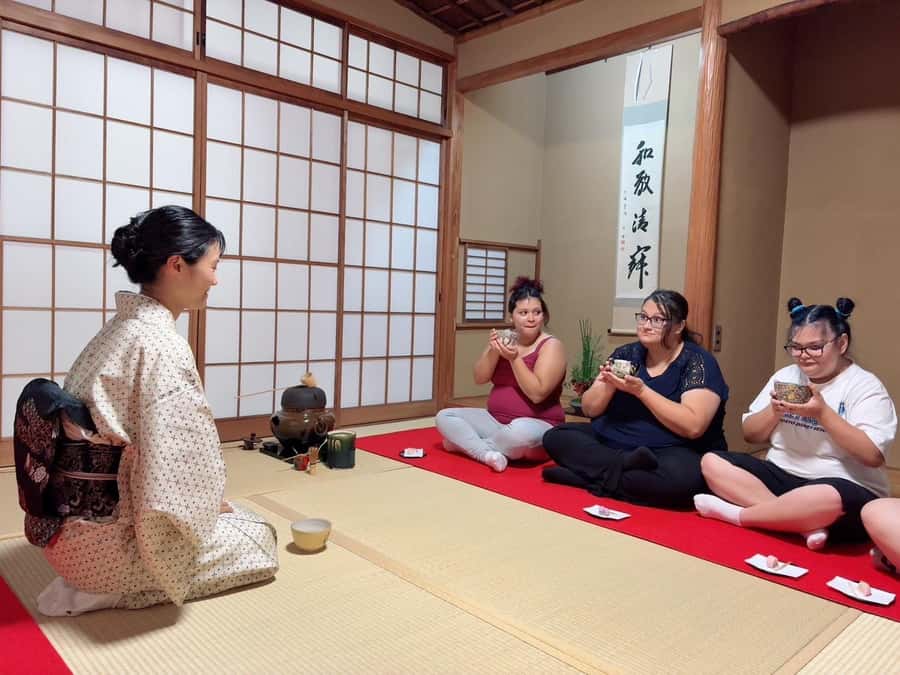
- English instruction from Japanese instructors, so you can follow along without guessing.
- Otemae demonstration you can watch from a close, calm setting.
- Hands-on matcha making using traditional utensils, not just a tea tasting.
- Tatami room atmosphere that helps the experience feel genuinely quiet.
- Seasonal sweets included, paired for a classic matcha moment.
- Clear structure from welcome and etiquette to demonstration and your own tasting.
Entering Shibuya Tea Ceremony Tokyo-Chaan: a calm break in a loud neighborhood
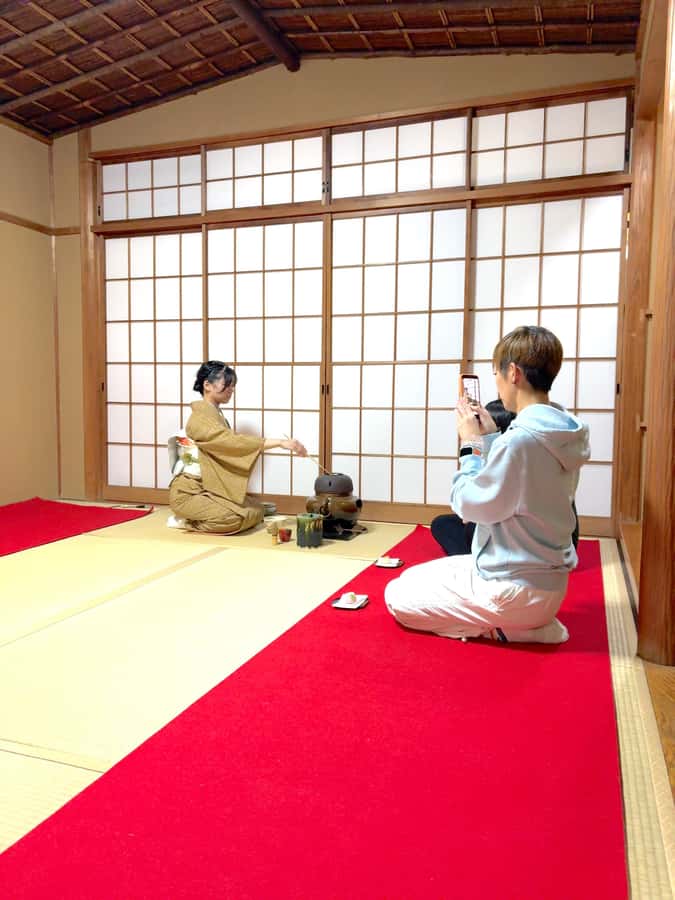
Shibuya is famous for motion. This experience gives you the opposite feeling on purpose. You step into a traditional Japanese room setting designed for slow attention—tatami flooring and a composed pace that makes the whole lesson feel less like a show and more like a skill you’re being taught.
What makes it work is the mix of quiet + clarity. You’re not left to figure things out. Instructors who wear kimono guide you in clear English, and that matters because tea ceremony etiquette has a lot of small rules. When someone explains them well, you can enjoy the art without feeling lost.
The pricing is also easier to accept once you see what’s included. For $18 per person, you’re paying for instruction plus the actual experience of making matcha and tasting it with sweets—not just a quick demo.
You can also read our reviews of more tours and experiences in Tokyo.



Meeting at Manji Building, Dogenzaka (Shibuya) and settling in
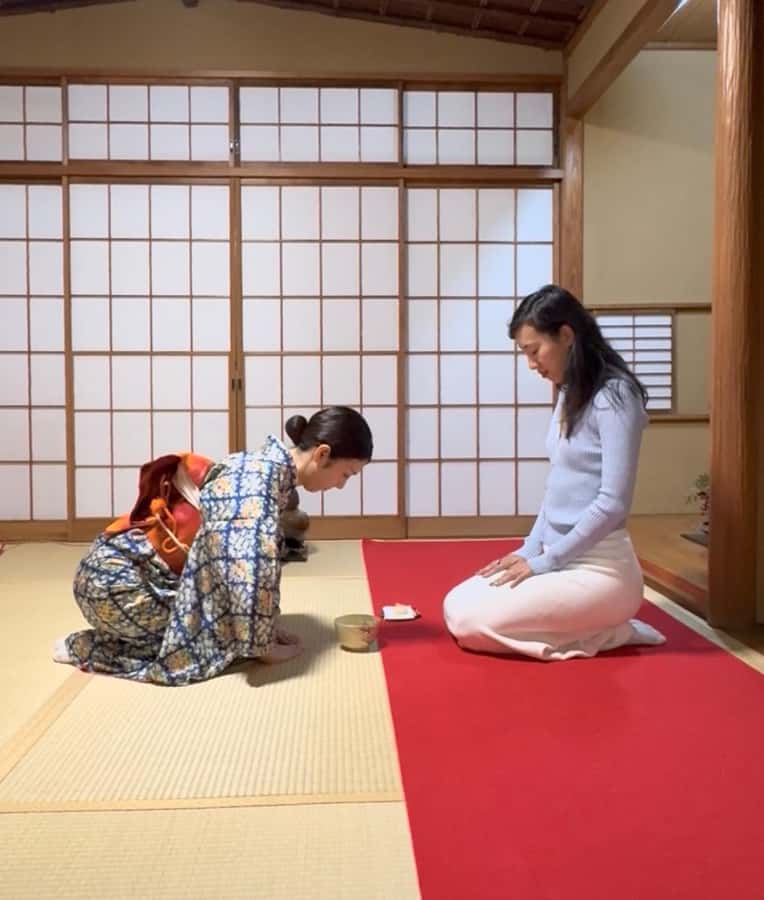
The meeting point is practical and specific: 2nd Floor, Manji Building, 1-15-9 Dogenzaka, Shibuya-ku, Tokyo 150-0043, Japan (〒150-0043 東京都渋谷区道玄坂1-15-9 万字ビル 2F). It starts and ends at this same point, so you don’t need to plan a separate hop to a second location.
If you like knowing what to expect, you’ll appreciate the way the session stays self-contained. You arrive, check in at the meeting point, then the experience flows inside that traditional room setting. For many people, that’s the big value: you can fit this into your Shibuya day without turning it into a logistics project.
You should also note the age rule. If you’re traveling with little ones, children under 4 can’t participate. Even when an adult has a ticket, children aged 4 and above require their own ticket. That’s worth planning for early.
Welcome and tea ceremony meaning: what the instructors actually teach
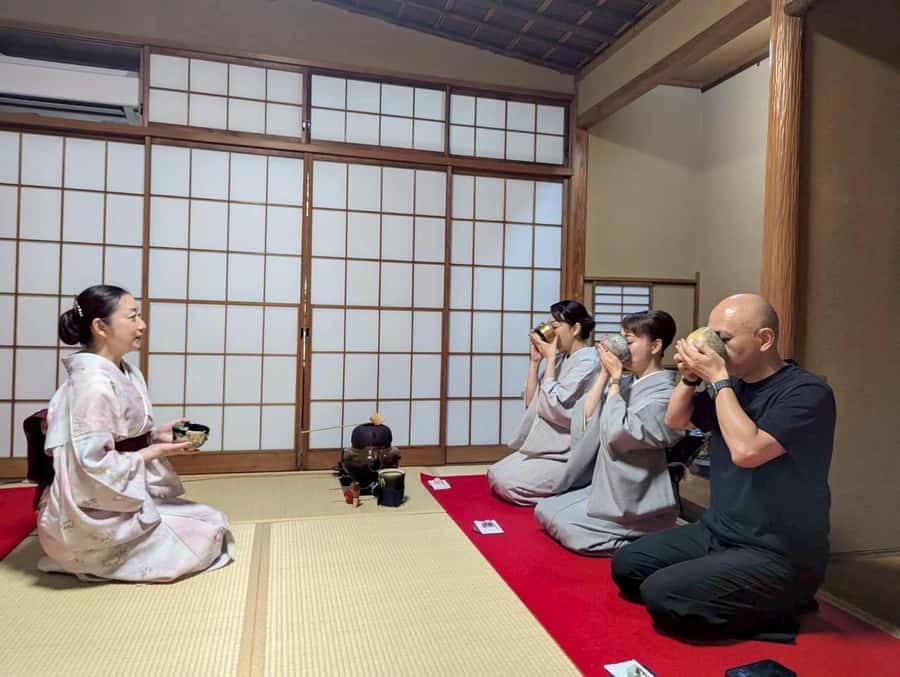
The first step is a warm welcome in the traditional room. Then the instructor explains the meaning and background of the tea ceremony. This isn’t just trivia. It sets the tone for what you’re about to do and why the rituals matter.
You’ll also learn basic manners and etiquette for serving tea. This is one of those parts that can make or break the experience. Tea ceremony has etiquette built in—how you receive, how you handle the moment, and how you approach the act of making and sharing. Clear explanations help you understand what you’re doing while you’re doing it.
The class is led by experienced Japanese instructors who speak English fluently and have over 10 years of tea ceremony experience. Based on the feedback from the class, Sakura sensei and Kini hosted and talked through the history and helped everyone make the tea together. That combination of experience + clear explanations is exactly what you want when it’s your first time.
Watching the otemae demonstration up close (and why it’s more than a performance)
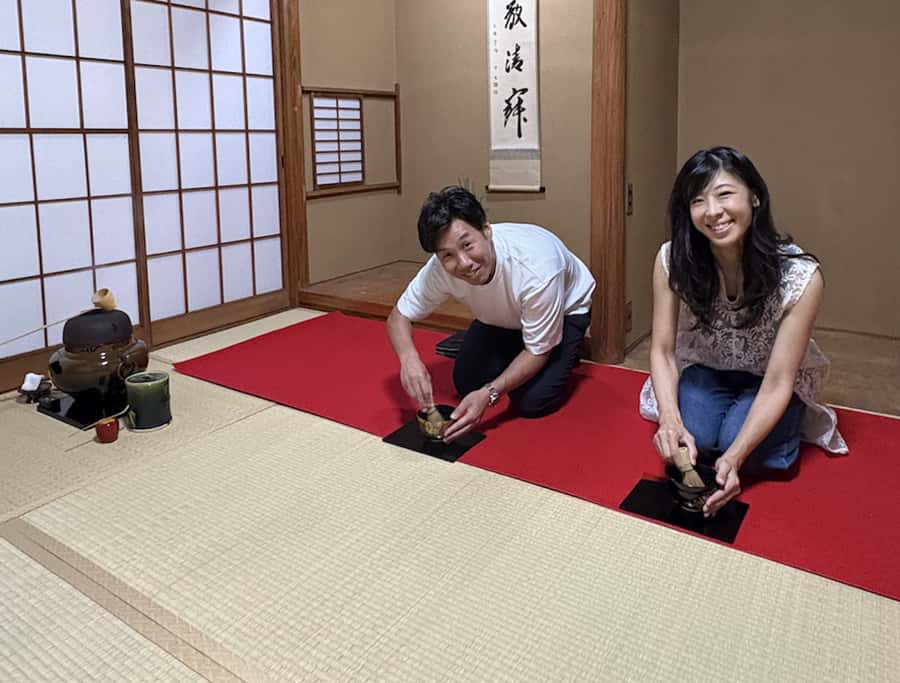
After the welcome, you’ll watch a live otemae demonstration. The instructor shows you how the tea tools are used and explains the basics of tea serving etiquette.
In a lot of “cultural” activities, you watch quietly and leave with a souvenir photo. Here, the demonstration is more like a guided preview of the skill you’ll practice next. Watching the tools and the handling style first makes your hands-on matcha making feel less like guesswork.
One practical point: pay attention to the sequence. Tea ceremony isn’t just about taste. It’s about timing and attention. Even if you don’t remember every step, you’ll understand the logic behind the motions because the instructor walks you through what matters.
Making your own matcha: the hands-on part people remember
This is the core of the experience. After the demonstration, it’s your turn. You’ll make your own bowl of matcha using traditional utensils, with freshly ground matcha powder.
That hands-on piece is where the value shows. It’s one thing to drink matcha at a café. It’s another thing to experience how matcha works as a crafted drink. When you whisk and prepare it yourself, you start noticing texture, aroma, and the way the tea changes from powder to drink.
The class keeps it practical. Instead of leaving you alone with tools, instructors guide you through the process. That’s especially helpful if you don’t know the etiquette or the basic tea tool names. You’re learning in context, not just following a written checklist.





Tasting matcha with seasonal sweets: how the pairing helps you notice flavors
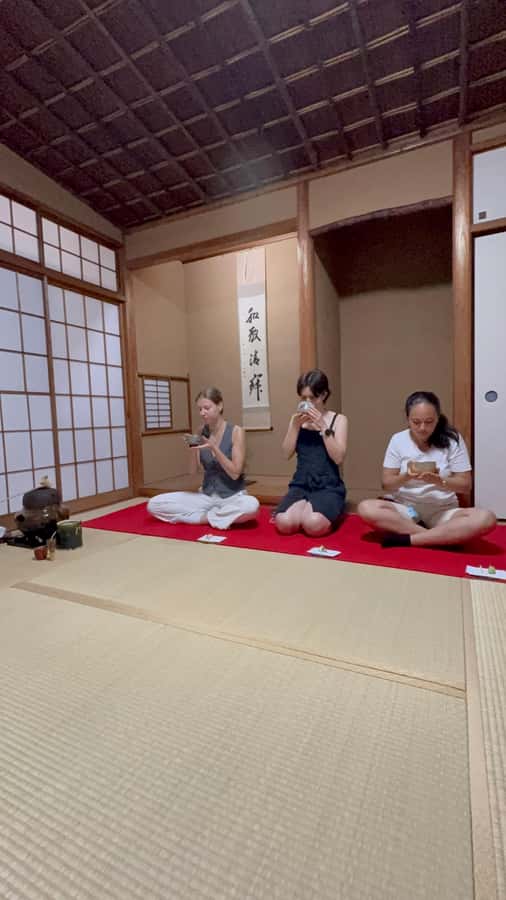
Once your matcha is prepared, you taste it in the calm, authentic setting. You’ll also enjoy seasonal Japanese sweets included with the experience.
This pairing is a classic reason why tea ceremony matters. Sweets aren’t thrown in as a generic add-on. They’re part of the balance. Matcha can be rich and a little bold; a well-matched seasonal confection gives you something to anchor the flavor and notice the sweetness against the tea.
From the feedback, people highlighted that the tea and sweets were delicious, and that learning the history and experience overall was a standout moment. That aligns with what you can expect when the lesson includes both making and tasting, with food designed to work with the tea rather than competing with it.
Price and value: is $18 fair for what you get?
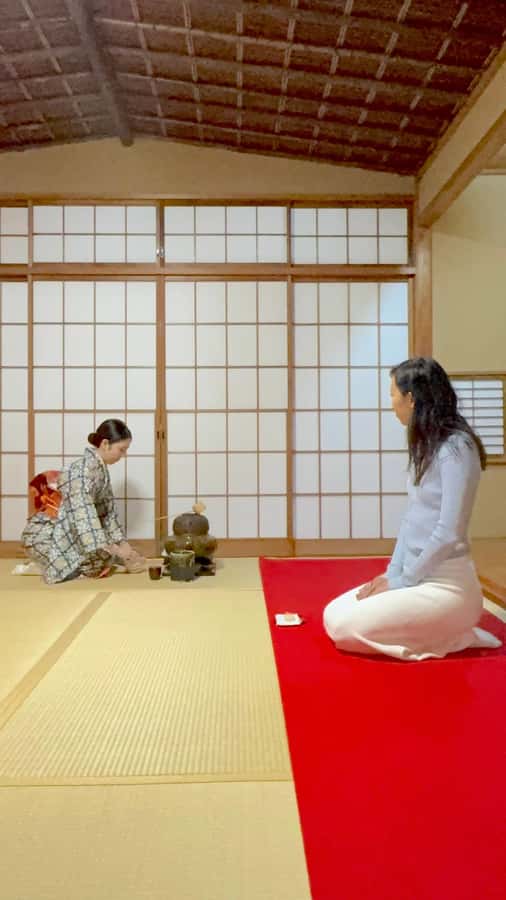
At $18 per person, this is priced like an activity, not like a museum workshop. The question is whether you’re getting more than a quick photo stop.
Here’s what you’re paying for, based on what’s included:
- Entrance fee
- Matcha (powdered green tea)
- Confections (seasonal sweets)
- Instruction by Japanese instructors with long tea ceremony experience
- A live otemae demonstration plus your hands-on matcha preparation
When instruction is part of the product, the cost can make sense—especially in Tokyo, where “culture experiences” can range from gimmicks to genuinely skilled teaching. The standout value factor is the combination: you watch, you learn the meaning and etiquette, and you make your own matcha. That makes the $18 feel less like a tasting fee and more like a guided lesson.
Who should book Shibuya Tea Ceremony Tokyo-Chaan
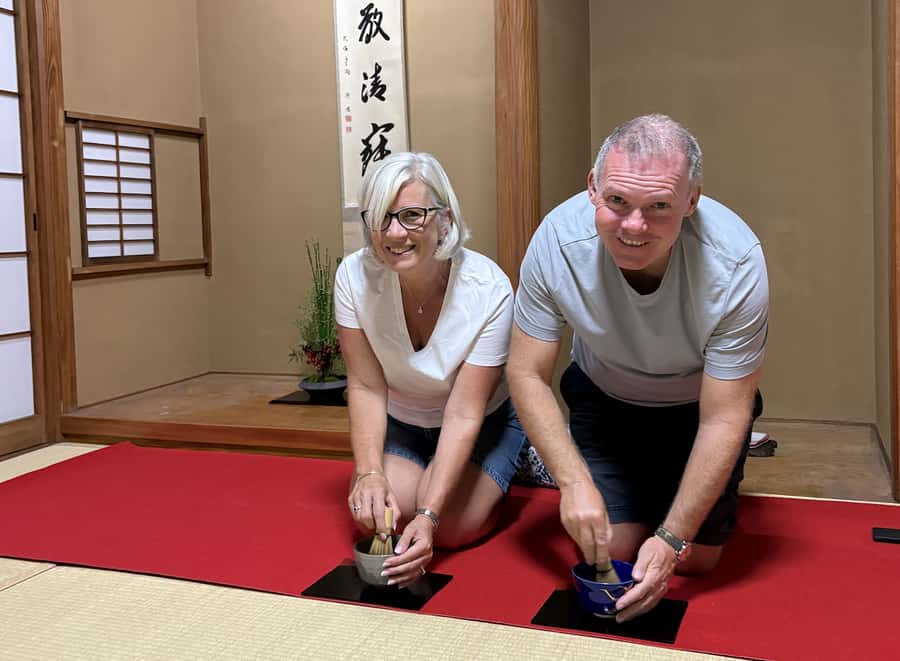
This is a great match if you want a first-timer friendly introduction to Japanese tea culture with real teaching behind it. The class uses English clearly, so it’s a strong option even if your Japanese is basic or nonexistent.
You’ll likely enjoy it most if:
- You want a calm, seated experience in a traditional tatami room rather than more street wandering.
- You enjoy doing something with your hands, not just watching.
- You care about etiquette and want to understand why the rituals exist.
- You’re the kind of traveler who likes small, focused cultural moments.
It may be less ideal if you’re traveling with kids under 4, since they can’t participate. And if you dislike structured experiences where you follow the instructor’s flow, keep that in mind.
Should you book this tea ceremony in Shibuya?
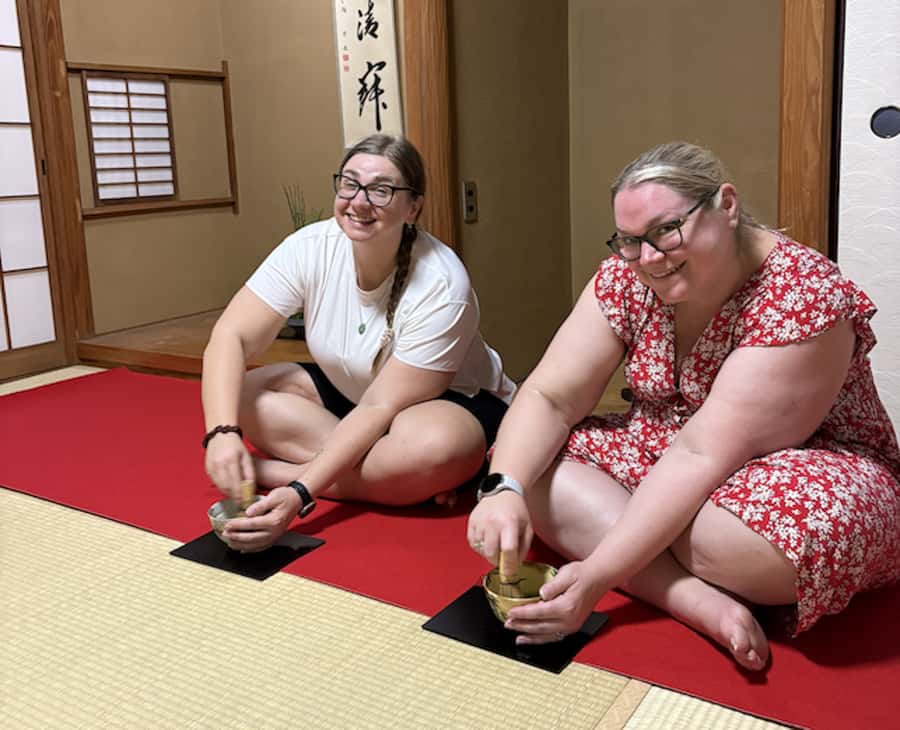
If your goal is a real tea ceremony lesson you can actually participate in, I’d book it. The strongest reasons are simple: English-speaking Japanese instructors with long experience, a tatami-room setting that stays peaceful, and a hands-on matcha-making moment with a proper taste afterward.
Also, this works well for people who want a break from Shibuya’s energy without leaving the neighborhood chaos behind entirely. You get a reset, plus something you’ll remember every time you taste matcha again.
If you’re planning your day around Shibuya and you want something meaningful but not time-consuming, this fits the bill.
FAQ
What is Shibuya Tea Ceremony Tokyo-Chaan?
It’s a traditional tea ceremony experience in Shibuya, Tokyo where you watch an otemae demonstration, learn about tea ceremony etiquette and background, then make and taste your own matcha with seasonal Japanese sweets.
How much does it cost?
The price is $18 per person.
Where is the meeting point?
Start at 2nd Floor, Manji Building, 1-15-9 Dogenzaka, Shibuya-ku, Tokyo 150-0043, Japan (〒150-0043 東京都渋谷区道玄坂1-15-9 万字ビル 2F).
Is the tea ceremony taught in English?
Yes. The experience is provided in English.
Who leads the class?
Japanese instructors lead the ceremony. They wear traditional kimono, speak English fluently, and each has over 10 years of tea ceremony experience.
Do I get to make matcha myself?
Yes. After watching the demonstration, you’ll prepare matcha yourself using traditional tea tools, then taste what you made.
What is included in the ticket price?
Included are the entrance fee, matcha powder, and confections (seasonal sweets).
Are seasonal sweets included, and when will I have them?
Yes. You’ll enjoy seasonal Japanese sweets along with your matcha after you prepare it.
Is it suitable for children?
Children under 4 years old cannot participate. Children aged 4 and above need their own ticket. Entry may be refused if accompanied by a child under 4.
Can I pay later or reserve without paying right away?
Yes. It offers Reserve & Pay Later, so you can book your spot and pay nothing today.
What is the cancellation policy?
You can cancel up to 24 hours in advance for a full refund.