REVIEW · TOKYO
Tokyo Shibuya & Harajuku Walking tour With A Guide
Book on GetYourGuide →Operated by Guydeez Tours · Bookable on GetYourGuide
Shibuya and Harajuku feel like two different worlds. This private 3-hour walk puts you in the middle of both, with a guide who helps you make sense of the street scenes fast. I like the way the tour builds a photo plan around the headline spots, so you’re not just wandering.
I also like that you’re not stuck guessing what to do next. With a guide (including names like Sergio and Teresa Calzone mentioned in past experiences), you get extra suggestions for other parts of Tokyo that fit your interests. That’s where the tour’s real value shows up.
One thing to consider: the schedule is packed. If you want slower, deeper lessons on Japanese culture and religion, the 3-hour pace may feel tight, and how much context you get can depend on the guide.
In This Review
- Key things I’d focus on
- How a private Shibuya and Harajuku walk actually helps you
- Start at Shibuya Station and handle the Shibuya Crossing chaos
- Photo stops that make Shibuya feel real: Hachiko and Center Gai
- Shibuya 109 and the fashion floors you should not skip
- Cat Street and the walkable bridge between Shibuya and Harajuku
- Ura-Harajuku and the alternative side of Harajuku
- Takeshita Street: the famous narrow lane, handled smartly
- Omotesando’s upscale shift and why it’s a good contrast
- A brief pause at Meiji Shrine before you hit the street again
- Where the route ends: Shibuya 109, Center Gai, and Hachiko again
- Price and value: is $53 fair for a private 3-hour tour?
- Walking comfort and what to plan for in Tokyo
- Who this tour suits best (and who might want something else)
- Should you book this Shibuya and Harajuku walking tour?
- FAQ
- How long is the Shibuya and Harajuku walking tour?
- Is this a private tour?
- Where does the tour start?
- What sights will I see?
- Are food or drinks included?
- Do I need to use public transportation?
- What languages are available for the live guide?
- Is the tour wheelchair accessible?
- Can I cancel for a refund?
- Can I reserve now and pay later?
Key things I’d focus on

- A true private pace: exclusive time with your guide, not a crowd shuffle.
- Fashion-by-neighborhood: Shibuya into Harajuku, with stops that match the scene (109, Cat Street, Takeshita).
- Two “modes” in one tour: shopping streets and youth style, plus a calm pause at Meiji Shrine.
- Photo stops built in: Shibuya Crossing, Hachiko Statue, and multiple street-level landmarks.
- Practical add-on tips: you’ll likely leave with ideas for what to do beyond these areas.
How a private Shibuya and Harajuku walk actually helps you
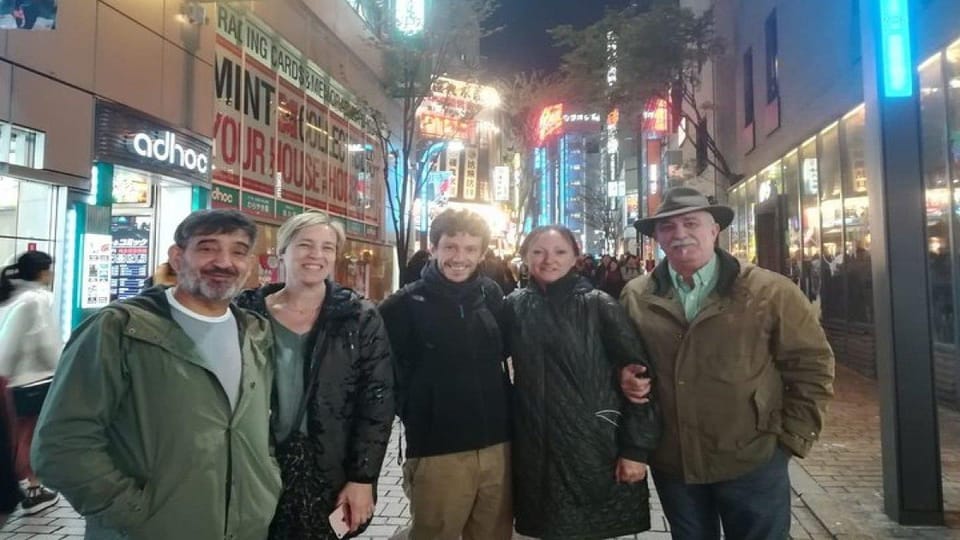
Tokyo can be loud and fast. That’s part of the fun, but it’s also why a guided walk pays off. Instead of spending your time figuring out where to go and what matters, you get a route that hits the big sights and the side streets that give them context.
I like the private setup because it makes questions easy. Want a photo angle at Shibuya Crossing? Curious about what you’re seeing on the floors of Shibuya 109? This format lets you ask in real time. And if you have preferences (fashion over shopping, or a calmer vibe over crowds), the tour can be customized to match.
The other major win is guidance beyond the walking. The tour is built around giving you “what to do next” advice, not just timestamps for landmarks. When your guide also shares local ideas, it turns a sightseeing walk into a Tokyo strategy session.
You can also read our reviews of more walking tours in Tokyo

Start at Shibuya Station and handle the Shibuya Crossing chaos
The tour starts in the Shibuya area, at a major transport hub. That’s smart. Meeting near transit means you waste less time getting oriented, and you can keep the schedule moving without stress.
Then you get the Shibuya Crossing moment: the iconic intersection where crowds move in synchronized waves. Even if you’ve seen it online, standing there is different. A guide helps here because you learn how to watch without getting swallowed by the crowd flow, and where to position yourself for photos without blocking anyone.
If your brain needs a quick win, this is it. You arrive, you see the landmark, you get oriented, and suddenly the whole neighborhood makes more sense. After that, you keep walking into areas that feel less like a set piece and more like real Tokyo street life.
Photo stops that make Shibuya feel real: Hachiko and Center Gai
After the big crossing, you’ll spend time around Shibuya’s classic photo moments. The Hachiko Statue stop is simple on paper, but it’s a high-impact “you are here” marker. When you’re walking, it helps to have one clear landmark you can circle back to mentally.
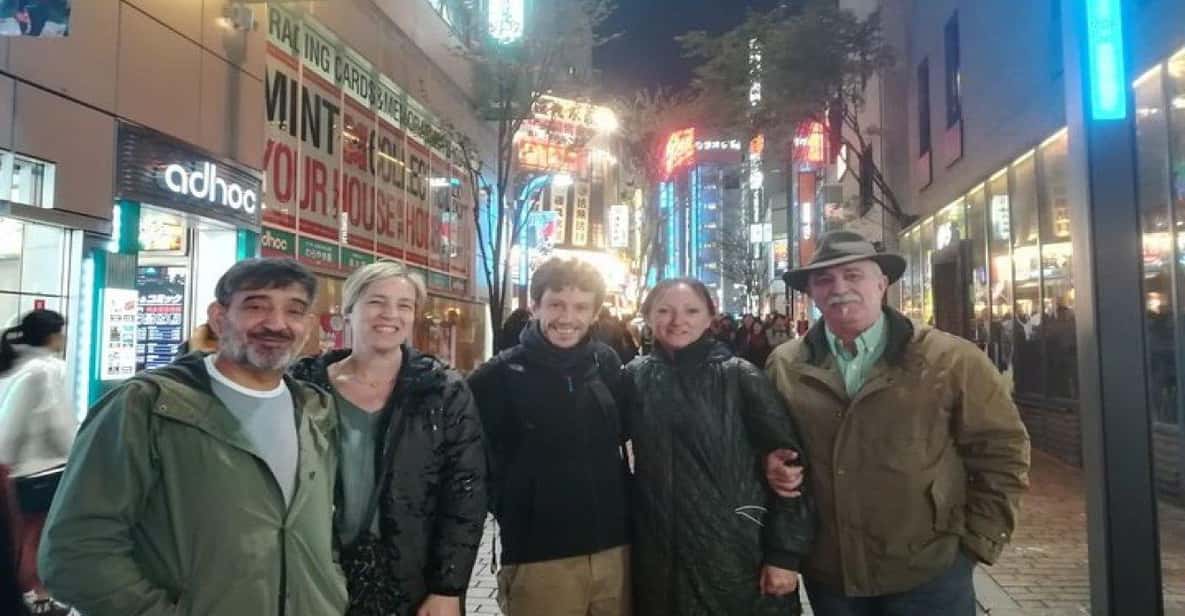
Next comes Center Gai, the shopping street feel of Shibuya. This is where you get the texture of everyday life: dense storefronts, signage, and lots of activity at human scale. It’s also the area where your guide’s advice becomes practical. You’re not just staring at shops. You’re learning what kind of places they are and what to pay attention to.
One small consideration: these zones can get busy fast. If you’re sensitive to crowds, you’ll be glad you have a guide to help you choose the timing and walking paths so you don’t feel stuck.
Shibuya 109 and the fashion floors you should not skip
Shibuya 109 is one of those places that sounds like a tourist stop until you’re inside. Then you understand why it’s famous. The building is a major fashion hotspot, with multiple floors showing youth styles in a way that’s easy to scan on foot.
This is a good stop for two types of travelers:
- If fashion interests you, it’s a direct hit.
- If fashion doesn’t interest you, it’s still a way to see how youth culture shows up in the physical space.
Your guide can help you look beyond the obvious. You’ll likely learn how to connect what you see in the storefronts with what you’ll see later in Harajuku. That’s the real trick: the tour stitches the neighborhoods together so you don’t treat each street as a random photo location.
Cat Street and the walkable bridge between Shibuya and Harajuku
Between Shibuya and Harajuku, Cat Street gives you a different rhythm. It’s known for indie boutiques and street art, which means the vibe shifts from mega-fashion mall energy to smaller-scale creative retail.
I like this stop because it’s a breather without being slow. You still feel the youth vibe, but it’s less about huge commercial anchors and more about street-level creativity. If you want to find places that feel a bit more personal than the biggest shopping blocks, this is the kind of street where you’ll notice details.
Also, walking helps your eyes adjust. Tokyo’s signage, fashion details, and street art are easier to take in when you’re moving at a human pace with someone explaining what you’re seeing.
You can also read our reviews of more guided tours in Tokyo
Ura-Harajuku and the alternative side of Harajuku
Harajuku is famous for being playful and experimental, and Ura-Harajuku is where that energy gets more specific. This area is framed around unique shops and an alternative fashion scene. The streets feel like they’re aimed at people who want something off the main track.
This stop is valuable even if you’re not shopping. You get a clearer sense of the differences between Harajuku’s more famous lanes and the neighborhoods where style shows up in smaller, weirder ways. That’s the point of a guided walk: you’re not just seeing the headline street, you’re also seeing what’s behind it.
If you want to buy something, ask your guide for practical help. Where to spend time, where to look for particular styles, and what to expect from shop layouts can save you time. And if you don’t want to buy, you’ll still come away with a better understanding of how the area works.
Takeshita Street: the famous narrow lane, handled smartly
Takeshita Street is one of the most recognizable Harajuku experiences, and it’s also one of the easiest places to get overwhelmed. It’s narrow, packed with quirky boutiques, trendy shops, and colorful street art.
Having a guide matters here because you can move through without getting stuck. You’ll spend time looking, but you’ll also learn how to pace yourself so it stays fun rather than exhausting. A guide can also help you separate what’s mostly for photos from what’s worth your time for browsing.
If you’re sensitive to noise or crowd pressure, plan for sensory intensity. This street is exactly what it sounds like: a concentrated zone of youth style and busy foot traffic.
Omotesando’s upscale shift and why it’s a good contrast
After the Harajuku intensity, the tour includes Omotesando Avenue, known for a more upscale atmosphere and designer boutiques. This part of the tour gives you a clean contrast, which is why it works so well.
I like contrast days, especially in cities with extreme zoning. Omotesando helps you understand that Tokyo’s youth culture isn’t isolated. It’s part of a bigger fashion and architecture conversation, where design shows up in different “languages” across neighborhoods.
This stop is also a nice “slow down” moment. You can stand back, watch the street rhythm, and soak in the calmer pacing without losing the fashion theme.
A brief pause at Meiji Shrine before you hit the street again
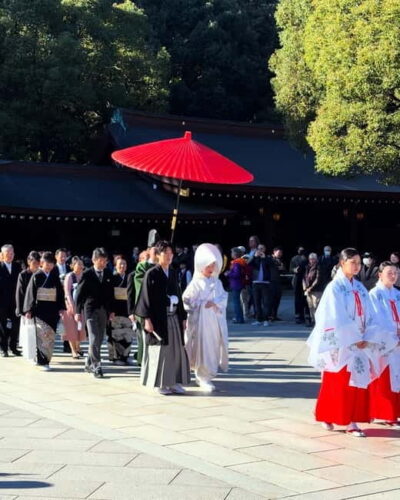
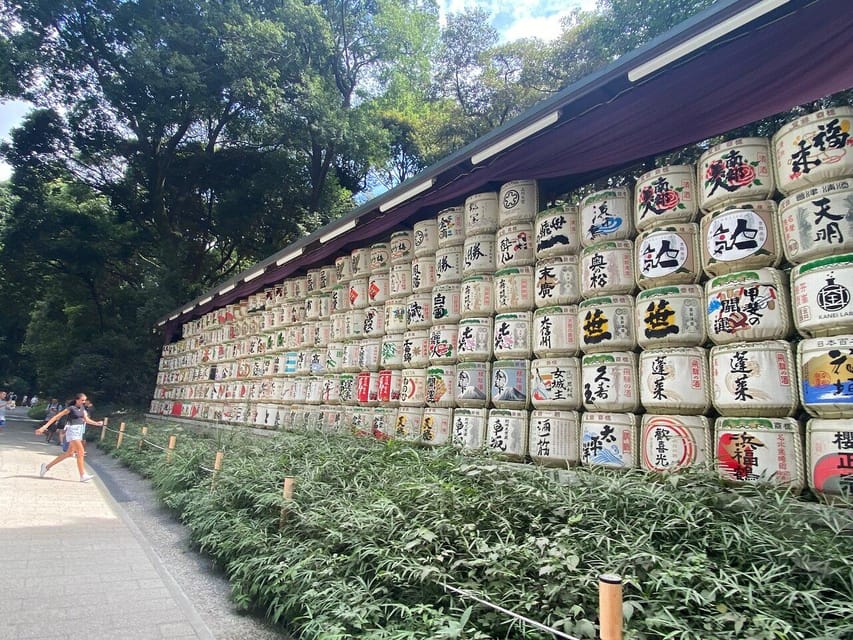
The tour includes a detour to Meiji Shrine, with time at the approach for a calmer atmosphere. Even if you only have a short visit window, this is a smart inclusion because it resets your senses.
A quiet shrine approach in the middle of a shopping-and-street-style route changes your perspective. Your eyes adjust. Your head clears. And when you head back into the city noise, it feels less like overload and more like energy.
Just know the tour time is limited here. You’re seeing the approach and taking it in, not doing a long, deep temple day. If you want longer religious or historical context, treat this as a starter stop and build from there on your own.
Where the route ends: Shibuya 109, Center Gai, and Hachiko again
Near the end of the walk, the tour spends more time in Shibuya’s fashion and shopping zones. You’ll return through areas like Shibuya 109 and the Center Gai shopping street stretch, then finish at the Hachiko Statue.
This matters because it gives your photos and landmarks a sense of “arc.” You start in Shibuya, go through the Harajuku street style highlights, then come back to Shibuya with a sharper understanding of what you saw and why.
It’s also practical. Ending around familiar landmarks in Shibuya makes it easier to jump back onto transit afterward.
Price and value: is $53 fair for a private 3-hour tour?
At $53 per person for a private walking experience, the value is mostly about what you get beyond the photos. You’re paying for an exclusive guide who can adjust the route, help you navigate, and share extra ideas for your next moves in Tokyo.
If you’re traveling with friends or want a couple of must-see sights handled without stress, this price can feel very fair. The tour is short enough to fit into an itinerary without eating a whole day, but long enough to include a meaningful mix of neighborhoods.
One caution: the tradeoff of a shorter private tour is depth. If you’re hoping for a long, story-heavy explanation about Japanese culture and religion, you might wish the time were longer. In that case, you could treat this as a street-sightseeing plan and then add a separate, longer cultural visit later.
Walking comfort and what to plan for in Tokyo
This is a walking tour with public transport support, and it’s designed for moving between neighborhoods. That means comfort matters more than you think. Wear shoes you can keep on for a few hours, and bring small essentials like water.
Also, plan your timing around crowds. Shibuya Crossing and Takeshita Street can get packed. Your guide’s route choices help, but you’ll still feel the city’s energy.
Food and drinks aren’t included, so budget time for a snack or quick refresh on your own if you want one. The tour is meant to keep you moving, not to turn into a meal plan.
Who this tour suits best (and who might want something else)
This tour is a strong fit if you want a guided overview of Tokyo youth culture and fashion geography. You’ll like it if you want both the headline sights and the street-level texture across Shibuya and Harajuku.
It’s also a great choice if you value smart guidance. Past experiences mention guides who are friendly and upbeat, and who add practical Tokyo suggestions. That helps a lot when you’re trying to plan the rest of your trip.
If you mainly want deep history lectures, this might feel too fast. The tour includes Meiji Shrine, but it’s brief. And how much cultural context you get can vary based on the guide’s style.
Should you book this Shibuya and Harajuku walking tour?
Book it if you want a focused, private, 3-hour route that covers the main sights and the street scenes between them. The mix of Shibuya Crossing, Hachiko, fashion hotspots like Shibuya 109, and Harajuku’s street energy makes this a solid way to get oriented quickly.
Skip it or pair it with something else if your top goal is deep religious or cultural study. This is more about street-level understanding and practical local tips than a long, academic lesson.
If you do book, choose a time when you’ll enjoy walking through crowds. Then use the guide’s advice like it’s part of the itinerary. That’s where the trip can keep paying off long after the last photo stop.
FAQ
How long is the Shibuya and Harajuku walking tour?
The tour lasts 3 hours.
Is this a private tour?
Yes. It’s a private walking tour, with an exclusive guide and no one else in your group.
Where does the tour start?
You start in the Shibuya area. The meeting point may vary depending on the option booked, including locations such as Dolce Shibuya at Hashimoto Bldg.
What sights will I see?
You’ll see major Shibuya and Harajuku landmarks including Shibuya Crossing, the Hachiko Statue, Center Gai, Shibuya 109, Cat Street, Ura-Harajuku, Takeshita Street, Harajuku areas, Omotesando Avenue, and a brief visit/detour to Meiji Shrine.
Are food or drinks included?
No. Drinks or food are not included.
Do I need to use public transportation?
It’s a walking tour with public transport included (except if you select one of the listed options). Car transportation is not included.
What languages are available for the live guide?
English, French, Italian, Spanish, and Portuguese are available.
Is the tour wheelchair accessible?
Yes, it is listed as wheelchair accessible.
Can I cancel for a refund?
Yes. Free cancellation is available up to 24 hours in advance for a full refund.
Can I reserve now and pay later?
Yes. The tour offers reserve now & pay later, with pay nothing today.