REVIEW · TOKYO
Private Edo-Tokyo Open Air Architectural Museum Tour
Book on GetYourGuide →Operated by Showcase Tokyo Architecture Tours · Bookable on GetYourGuide
A handful of old buildings can explain Tokyo fast. This private Edo-Tokyo Open Air Architectural Museum tour connects Japanese design to Western ideas in a way that actually sticks. I especially loved the chance to see Kunio Maekawa’s wartime modernism and to walk Shitamachi’s bathhouse-and-train streets with a guide who knows how to make the spaces make sense. One thing to plan for: you’ll do shoe-off entry into many historic buildings, so bring footwear that’s easy to slip off.
Two highlights for me: the museum’s mix of time periods (so you see how Tokyo’s architecture changed, not just one style) and the fact that you get a licensed English guide in a private setting. Guides like Yuichi and Yuki also tailor explanations to what you care about, whether that’s tea-room details, gardens, or how European ideas landed in Japan. The main drawback? It’s still a museum day in the open air, so weather can be a factor, and you’ll want a comfortable pace.
In This Review
- Key things you’ll notice on this private tour
- Entering Tatemono-en: the day starts with a smart, easy pickup
- Kunio Maekawa’s house: modern architecture during WWII, explained in plain terms
- Sutemi Horiguchi’s Dutch influence: the European style experiment in 1925
- Inside the Mitsui residence: wealth in the details
- Shitamachi walk: East Tokyo streets that feel like animation (no Ghibli visit)
- Your guide matters: Yuichi and Yuki-style explanations that actually connect
- Price and logistics: why $193 can be good value for a 5-hour private architecture day
- Comfort tips that will make the day smoother
- Who this tour is best for
- Should you book this private Edo-Tokyo architecture tour?
- FAQ
- What is the meeting point for this tour?
- Where is pickup available?
- How long is the tour?
- Is the tour private?
- What’s included in the price?
- How do I get to Tatemono-en, and is that cost included?
- Does this tour include a visit to the Ghibli Museum?
- Do I need to remove my shoes?
- Is there free cancellation, and can I pay later?
Key things you’ll notice on this private tour
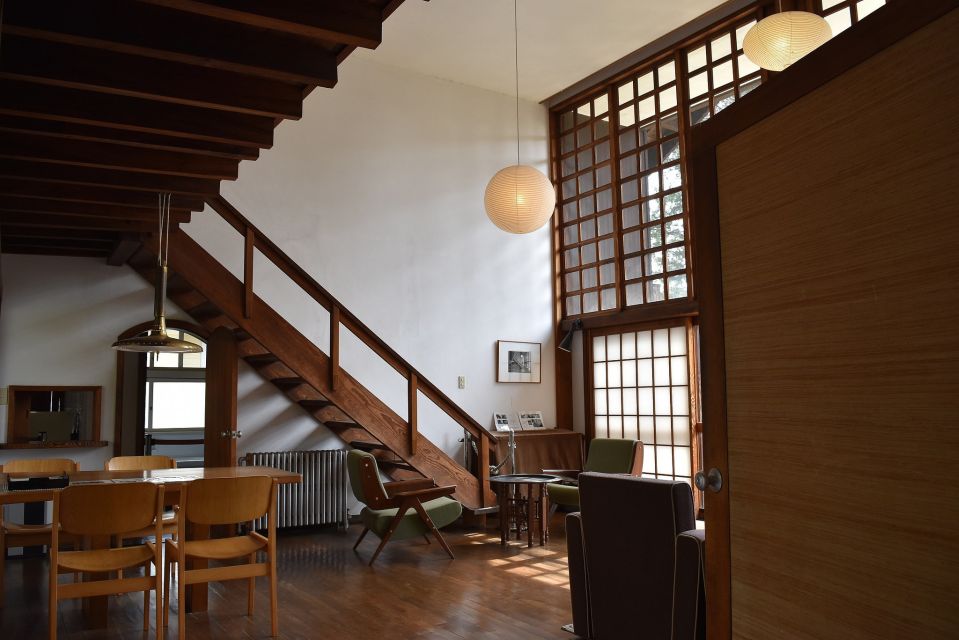
- Kunio Maekawa’s wartime house: modern ideas shaped by major architects, then built right into Tokyo’s story
- Sutemi Horiguchi’s Dutch import: European architectural language introduced early in the 20th century
- Art Deco meets Japanese rooms: De Stijl and Western style showing up inside traditional spaces
- Mitsui family residence: luxury you can see in layout, materials, and interior decoration
- Shitamachi atmosphere: East Tokyo streetscapes with a bathhouse vibe and an old train setting
Entering Tatemono-en: the day starts with a smart, easy pickup
The tour is designed to remove stress from getting out to Tatemono-en. You’re picked up at JR Tokyo Station (Marunouchi Front Plaza) or JR Shinjuku Station, with the meeting point at Tokyo focused on the Marunouchi side (inside the station area, near the main building). Your guide waits there holding a bag with an illustration of the Nakagin Capsule Tower, which is a fun little warm-up to the architecture theme.
The group is private, so you’re not forced to “keep up” with a fast crowd. In practice, that means the pace feels more like a conversation than a checklist. Guides also adjust based on your interests, and I like that it’s not one-size-fits-all. If you’re into tea rooms or gardens, you’ll likely get explanations shaped toward that angle.
One small note that matters: this is an architectural museum where many buildings require shoes off. That’s not a “maybe.” It’s a “plan for it.” Comfortable slip-on shoes make the day easier and keep your mood happy when you’re hopping between houses.
You can also read our reviews of more private tours in Tokyo


Kunio Maekawa’s house: modern architecture during WWII, explained in plain terms
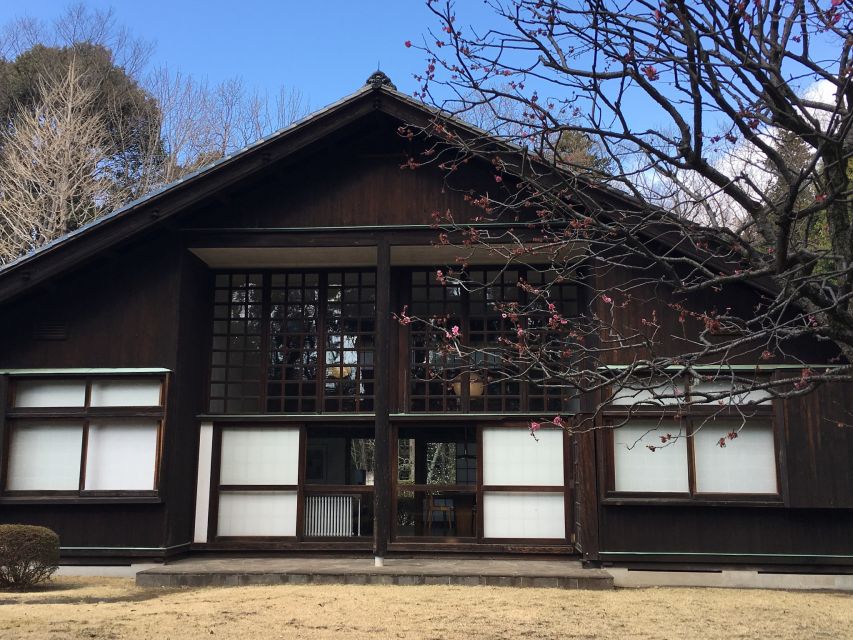
A big early moment is the house designed by Kunio Maekawa. He studied under major figures, including Le Corbusier and Antonin Raymond, and he became a key force in how modern architecture developed in Japan. This building was constructed during the Second World War, which gives it extra emotional weight. It’s not just a style lesson. It’s a reminder that design evolves under pressure.
What you’ll want to pay attention to is how modern ideas can still feel calm and deliberate. Even when a building is influenced by outside architects, Maekawa’s work in Japan tends to read as thoughtful and practical, not cold. Your guide can help you “read” the structure—how space is organized, how light and movement are handled, and why certain design choices make sense in the context of Japanese living.
I also like that this stop helps you understand modern architecture as something local, not imported and pasted on. The house gives you a direct line from global architectural thinking to what Tokyo people actually lived in. That’s the magic of a museum like this: it teaches architecture as a human system, not just a visual style.
If you’re the type who likes connections, this is also where the tour starts setting up the Western-to-Japan thread that runs through the rest of the day.
Sutemi Horiguchi’s Dutch influence: the European style experiment in 1925
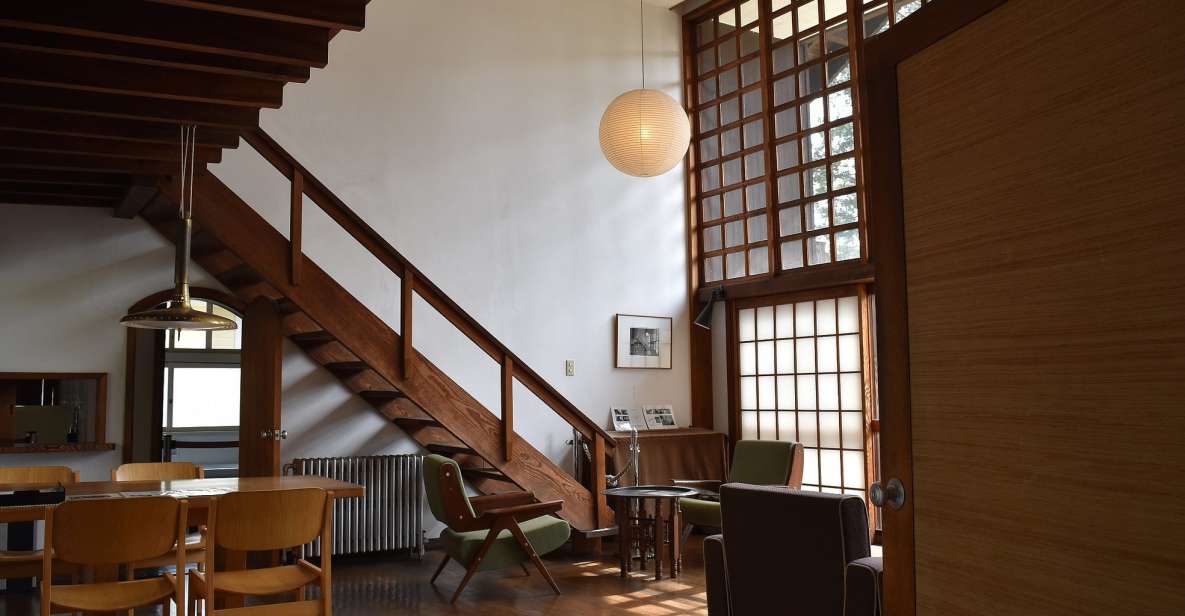
Next up is the residence designed by Sutemi Horiguchi, known for introducing Dutch architecture to Japan. The building dates to 1925, right after he returned from a European trip. That timing matters, because it places the design as a response to what he encountered abroad.
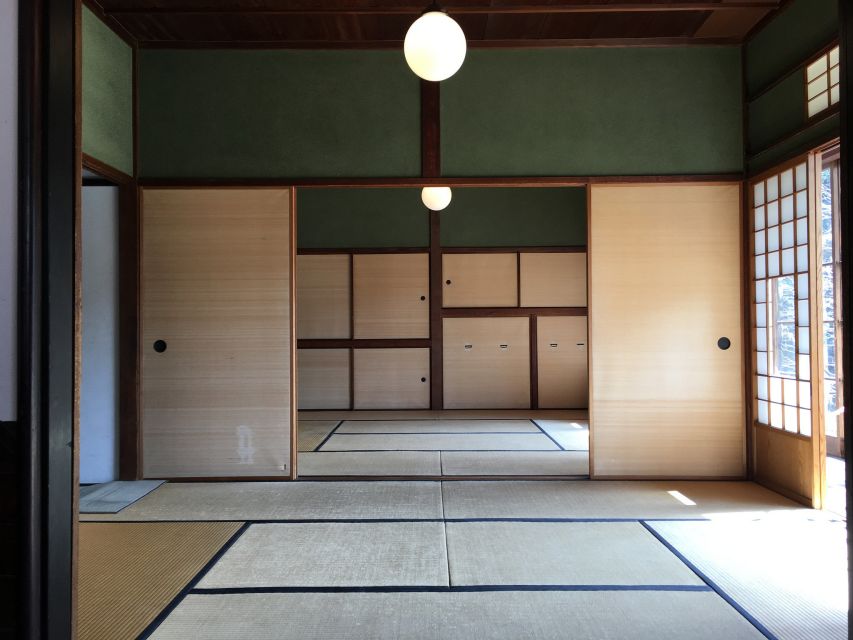
Here’s what you’ll likely find exciting: the architecture doesn’t just copy Europe. It mixes European ideas with a Japanese way of arranging space. The tour points out elements tied to Art Deco and De Stijl (The Style), while also showing how those compositions can show up alongside traditional Japanese rooms.
This stop is where the tour becomes more than pretty buildings. It turns into a story about cultural translation—how design concepts travel and change when they land somewhere new. You’ll probably start noticing details that look like “style,” but actually function as a kind of language: geometric composition, proportion, and the way interior rooms feel arranged.
And if you ever wondered how Tokyo became Tokyo, this is a strong answer. Japan’s relationship with Western architecture wasn’t one event. It was an ongoing process, and you can see it happening here.
Inside the Mitsui residence: wealth in the details
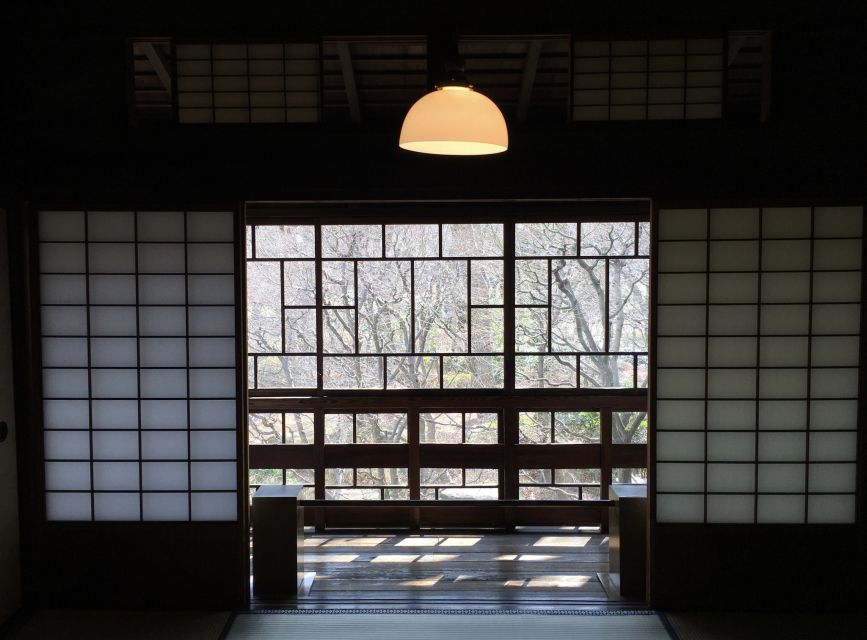
The tour also includes the luxurious interior decoration of the Mitsui family residence—a home tied to one of Japan’s richest merchant families. Even when you don’t know every architectural term, you can usually spot what wealth buys: more refined finishes, more care in how rooms relate to each other, and a sense that comfort and status were built into the plan.
This stop helps you balance what you’ve already seen. Earlier buildings lean into modernism and Western influence. Here, you get a view of how traditional prestige looked—through interior design choices and overall household atmosphere.
What I like about including a residence like this is that it prevents the tour from becoming purely academic. You’re not just learning who designed what. You’re seeing how people wanted their private lives to feel.
Shitamachi walk: East Tokyo streets that feel like animation (no Ghibli visit)
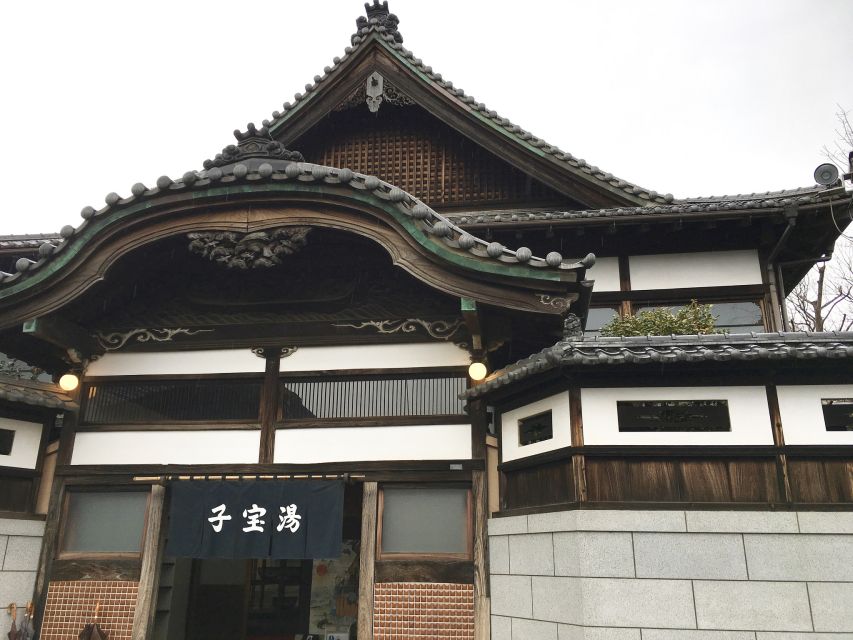
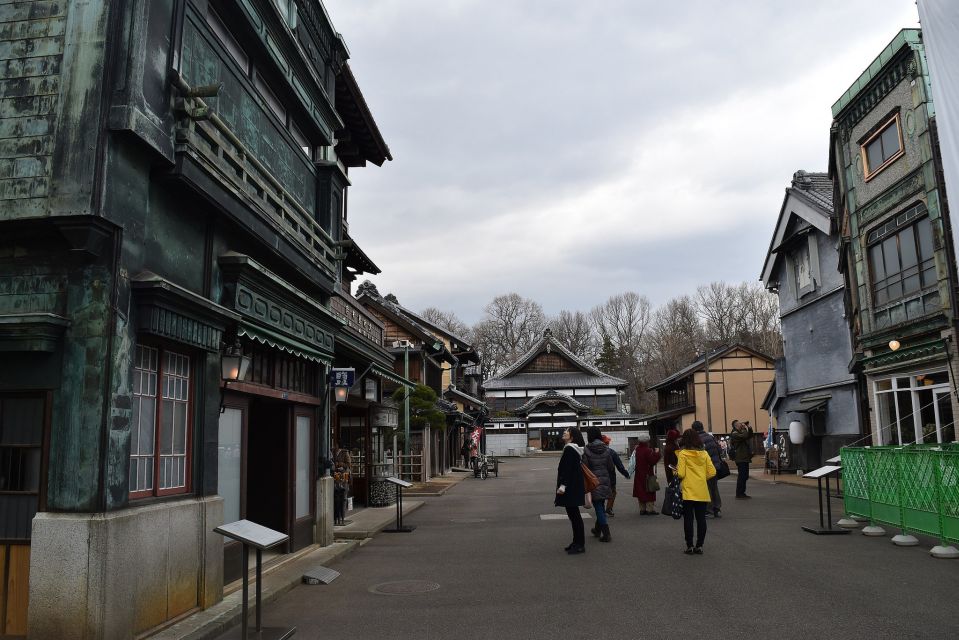
The second half shifts to Shitamachi, the East Tokyo area. This is where the tour’s atmosphere really clicks. You’ll walk through building-lined streets that can feel like they belong on screen—the kind of setting that makes film and animation fans immediately grin.
One reason it works is that you’re not only looking at isolated houses. You’re experiencing the streetscape—how structures relate to each other, how the environment frames daily life, and how the museum recreates a sense of neighborhood texture.
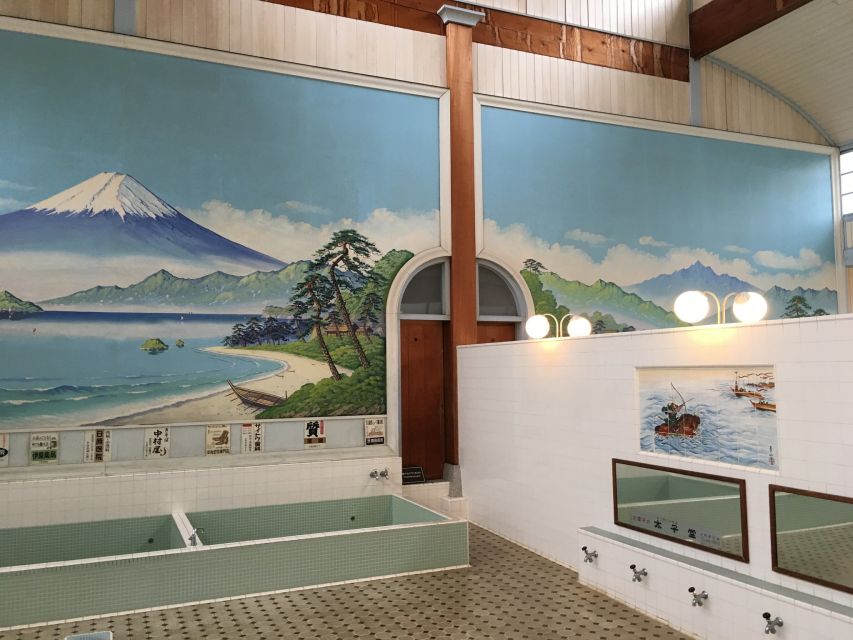
Two specific highlights here are the beautiful traditional bathhouse and an old train that used to run through Tokyo. Both are practical and visual at the same time. A bathhouse is about daily life rhythms, while the train reference brings in movement and infrastructure—how people moved through the city before everything got modern and fast.
Important clarification: this is an Edo-Tokyo Open Air Architectural Museum tour. It does not include a visit to the Ghibli Museum. If you came for Ghibli specifically, you’ll still get that animation-like mood from the Shitamachi area, but you’ll want to plan the Ghibli Museum separately if it’s on your list.
You can also read our reviews of more museum experiences in Tokyo




Your guide matters: Yuichi and Yuki-style explanations that actually connect
This tour lives or dies by the guide, and the good news is that the experience is built around an English-speaking licensed guide. In real terms, that means you’re not just hearing facts. You’re getting context—why a design choice matters, how a house fits into Tokyo’s timeline, and what Western influence changed once it reached Japan.
I’ve seen this approach work especially well when you get a guide like Yuichi or Yuki who can keep the story moving without drowning you in jargon. In one case, the guide’s passion and care even extended to helping with urgent personal needs when someone wasn’t feeling well and needed help finding medical support. That tells you something about the tone: professional, human, and responsive.
You should also like the way the guide can match your interests. If you care more about traditional architecture details—tea rooms, gardens, household design—your route and explanations can lean toward that. If you’re more into the Western influence thread, you’ll likely get help spotting it in the buildings and interiors.
It’s a private tour, so you’re not stuck with a generic script. You’re there to understand what you’re looking at, and that’s exactly how the tour is set up.
Price and logistics: why $193 can be good value for a 5-hour private architecture day
At $193 per person for 5 hours, this isn’t a bargain-basement deal. But it can feel like good value once you break it down. You’re getting a private group, an English-licensed guide, admission, and pickup from central Tokyo (either JR Tokyo Station or JR Shinjuku Station). That saves time and reduces stress, which matters in a city where navigation can eat your day.
The one cost to plan for is the transportation fee to and from Tatemono-en. The estimate is about 700 JPY one way, and the day uses trains and buses. That’s not included, but it’s predictable, and your guide can help you stay oriented so you don’t burn energy on transit confusion.
So when is the price worth it? It’s worth it when:
- you want a guided architecture explanation (not just wandering),
- you want a private pace,
- you care about the cross-cultural design story,
- and you’d rather pay to reduce logistics hassle.
If you’re the DIY type who already knows the museum well and doesn’t need help interpreting architecture, you might not need a private guide. But if you want your photos to come with real meaning, paying for the guide usually pays you back fast.
Comfort tips that will make the day smoother
A few practical things can make a big difference:
- Wear comfortable shoes you can slip off quickly. Historic building entry often means shoe removal.
- Bring a layer. You’re outdoors for parts of a 5-hour experience, even if the buildings themselves are indoors.
- Plan for transit time. Pickup is in central Tokyo, but the museum reach still takes effort with trains and buses.
And keep your expectations aligned: this is a museum tour of buildings and streetscape. It’s not a hands-on workshop. The “work” is looking, walking, and absorbing the design logic from the guide’s explanations.
Who this tour is best for
This is a strong fit if you:
- love architecture and want context, not just visuals,
- enjoy seeing how Tokyo changed from older eras into later modern design,
- like cross-cultural stories (Western design ideas absorbed into Japanese architecture),
- and want the Shitamachi atmosphere that film fans associate with animation settings.
It’s also a good pick for first-time Tokyo visitors who want a guided day trip feel without leaving Tokyo behind. You get history and design, but you still stay connected to the city’s layout and identity.
If you’re traveling with someone who finds museum days slow, the private guide and the street-walk portion can keep momentum. The bathhouse and old train stop bring a lived-in feel to the visuals.
Should you book this private Edo-Tokyo architecture tour?
If you want a guided way to understand how Tokyo architecture reflects both local tradition and outside influence, I think this is a smart booking. The Kunio Maekawa and Sutemi Horiguchi houses give you the “why,” while Shitamachi’s bathhouse-and-old-train atmosphere gives you the “feel.”
Book it if:
- you value private pacing and English explanation,
- you like design history you can actually see in front of you,
- and you’re okay with shoe-off entries and some outdoor walking.
Skip it if:
- you’re only interested in one specific museum ticket (like Ghibli Museum),
- you strongly dislike walking outdoors,
- or you want zero transit effort beyond your own plans.
For most architecture-minded travelers, this private 5-hour day hits a rare balance: it’s educational without being sterile, and it’s atmospheric without turning into a theme-park day.
FAQ
What is the meeting point for this tour?
The meeting point is Tokyo Station Marunouchi Front Plaza. After exiting the JR Tokyo Station Marunouchi Central Gates, head toward the center of the station building where your guide waits.
Where is pickup available?
Pickup is available at either JR Shinjuku Station or JR Tokyo Station, depending on your arrangement.
How long is the tour?
The tour duration is 5 hours.
Is the tour private?
Yes. It’s a private group tour with an English-speaking licensed guide.
What’s included in the price?
Included are pickup (from JR Shinjuku or JR Tokyo as listed), the admission fee, and an English-speaking licensed guide.
How do I get to Tatemono-en, and is that cost included?
Transportation fee to and from Tatemono-en is not included. The guide notes it’s approximately 700 JPY one way, using trains and buses.
Does this tour include a visit to the Ghibli Museum?
No. This tour does not go to the Ghibli Museum.
Do I need to remove my shoes?
Many historic buildings require guests to remove their shoes before entering, so comfortable easy-to-slip-off shoes are recommended.
Is there free cancellation, and can I pay later?
Yes. Free cancellation is available up to 24 hours in advance for a full refund, and you can reserve now & pay later.