REVIEW · TOKYO
Tokyo: Japanese Home-style Cooking Class with Meal
Book on GetYourGuide →Operated by Patia's Japanese Cooking Class · Bookable on GetYourGuide
A simple meal can teach a lot. This Tokyo Japanese home-style cooking class turns you from eater into cook, with lessons on seasoning and presentation plus a sit-down meal you made yourself. I like the practical recipe focus (you can repeat it at home) and the hands-on pace; one possible drawback is that the teaching quality can vary, and at least one guest noted the experience felt a bit less “pro kitchen” than expected.
You’ll spend about 1.5 hours in the studio (11:00 to 13:00), then finish with tasting from 13:00 to 13:30. The class is in English, and it’s built around classic dishes like dashimaki tamago (rolled omelet) and saikyo yaki (miso-marinated fish), plus dashi stock, a rice ball, and miso soup.
In This Review
- Key Things to Know Before You Go
- Tokyo Cooking in 150 Minutes: What You’ll Actually Do
- Where the Studio Is: Shinjuku, Chiyoda, or Minato Meeting Points
- The Class Menu: Dashi Stock, Saikyo-Yaki Fish, Rice Ball, and Miso Soup
- Hands-On Cooking: Dashimaki Tamago and Saikyo Yaki Techniques
- Dashimaki tamago (rolled omelet)
- Saikyo-yaki style grilled fish
- Instructor support (and what to expect)
- Cooking as a Nutrition Lesson: Balance, Seasoning, and Presentation
- The Tasting Portion: Eat What You Made (With Drinks)
- Price and Value: Is $90 Worth It in Tokyo?
- Who This Class Suits Best (And Who Might Want Another Option)
- Small Reality Checks Before You Book
- Should You Book This Tokyo Japanese Home-Style Cooking Class?
- FAQ
- Where do I meet for the Tokyo cooking class?
- What time does the class run?
- What dishes will we make and eat?
- Is the instructor English-speaking?
- What’s included in the price?
- Is hotel pickup or drop-off included?
- Is there a cancellation option?
- Is this class suitable for vegans or young children?
Key Things to Know Before You Go
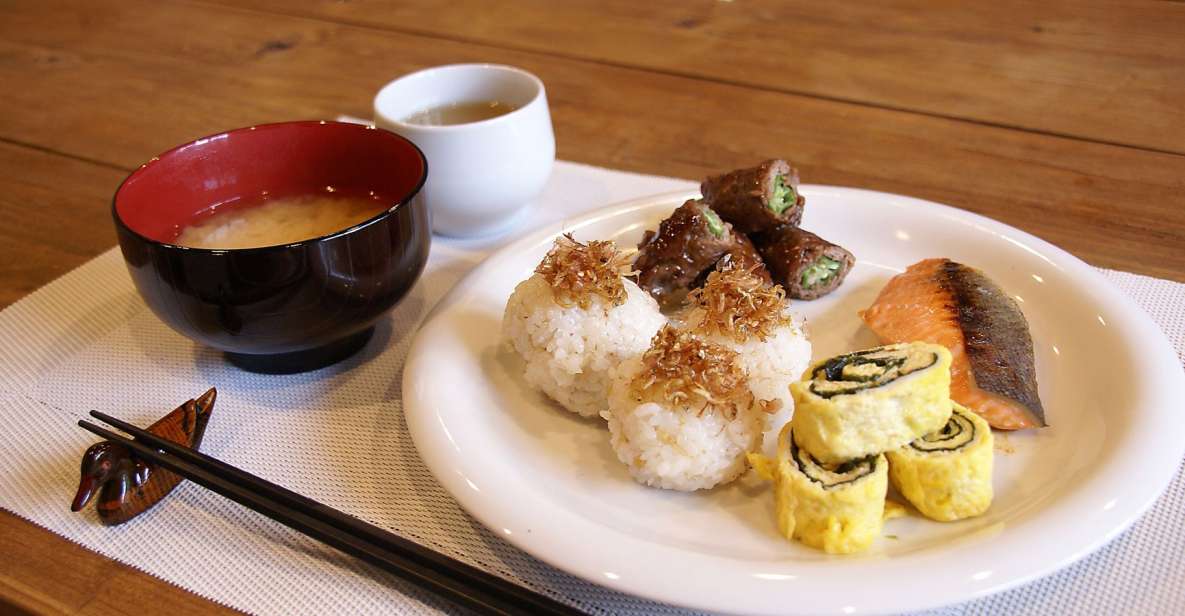
- Dashimaki tamago hands-on practice: You’ll learn the rolled-omelet method, not just hear about it.
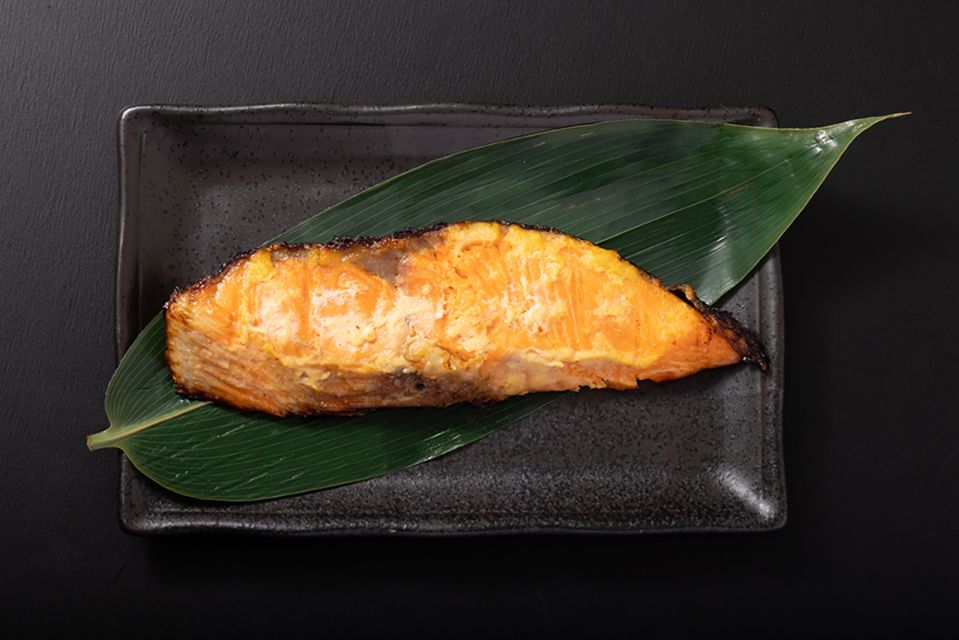
- Saikyo-yaki style grilled fish: You’ll work with miso-style flavoring and cook it as a home cook would.
- Dashi, seasoning, and balance: The class language is very much about how Japanese seasoning builds a whole meal.
- Meal plus drinks at the end: You don’t leave with only recipes—you eat what you made.
- Near Shinjuku, Chiyoda, and Minato: Meeting spots are in these wards, with exact details sent a few days before.
- English instructor: You’ll get explanations in English, so you’re not stuck guessing what to do next.
Tokyo Cooking in 150 Minutes: What You’ll Actually Do
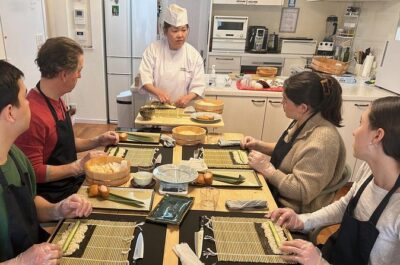
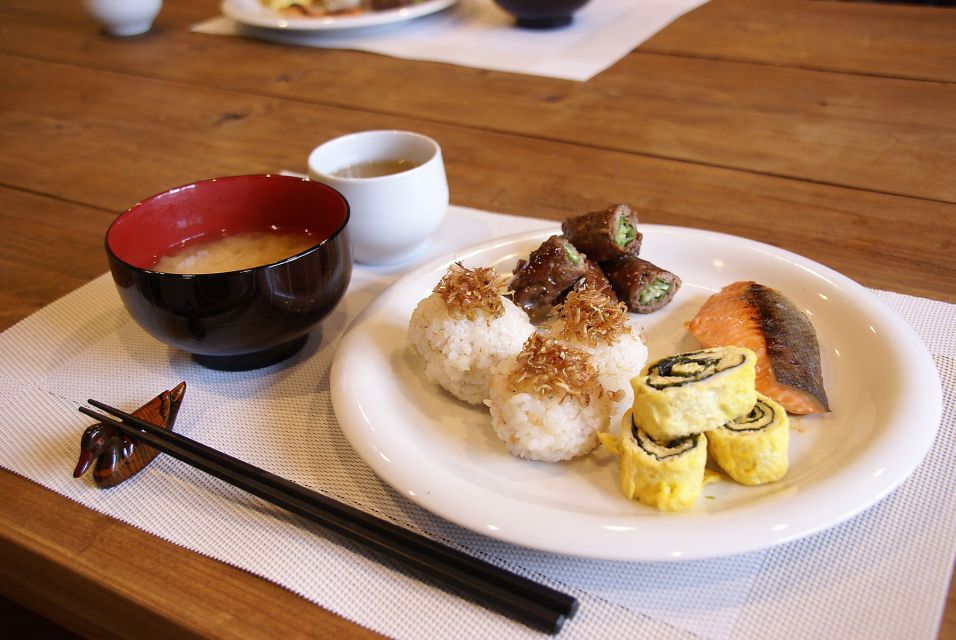
This isn’t a “watch and take photos” kind of activity. It’s a guided kitchen session where you make components of a homey Japanese set meal, then sit down and eat it together at the end. The timing is tight but realistic: about 90 minutes of cooking, then 30 minutes of tasting.
What I like most is the focus on everyday Japanese cooking logic—how seasoning works, how flavors should balance, and what “good presentation” looks like on a plate. That’s the stuff that usually doesn’t show up in cooking demos. You’re learning methods you can reuse, not just collecting one-off tricks.
At the same time, keep your expectations grounded. One review pointed out that the instructor may not have a fully professional kitchen background, and that some basics like knife sharpness and step guidance felt uneven. That doesn’t mean the class is bad—but it does mean you’ll get the best experience by being engaged, asking questions, and being patient if things move slowly.
You can also read our reviews of more cooking classes in Tokyo



Where the Studio Is: Shinjuku, Chiyoda, or Minato Meeting Points
Meeting points are near Shinjuku, Chiyoda, and Minato wards. The address shown on Google Maps might not match the actual location. Instead of trusting a pin, show up at the designated studio address they send you.
The key practical move: plan to check your exact meeting details about 3 days before your reservation. Then build a little cushion into your arrival time on cooking day, since you’re finding the place before class starts.
Also note what’s not included: there’s no hotel pickup or drop-off. In a city like Tokyo, that’s normal. You just need to be confident navigating to your assigned neighborhood that morning.
The Class Menu: Dashi Stock, Saikyo-Yaki Fish, Rice Ball, and Miso Soup
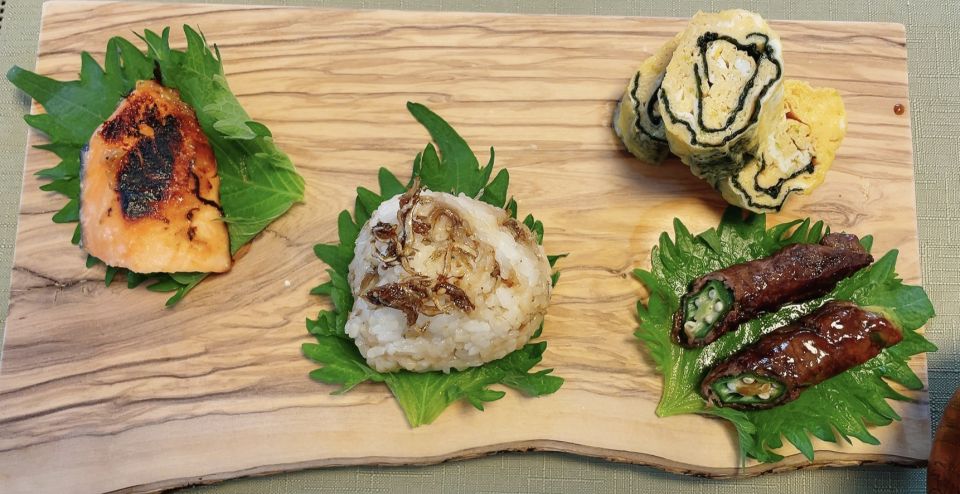
The cooking menu is simple on paper and satisfying in execution:
- Japanese dashi stock
- Grilled fish in saikyo-yaki style (miso-marinated fish)
- Rice ball
- Japanese miso soup
Even if you’ve eaten Japanese food your whole life, this menu has a “structure” that makes it easier to learn. Dashi is the backbone for a lot of Japanese flavors. Miso brings depth and tang. Rice (and rice-ball shape) gives you the comfort component that anchors everything.
A big win here is that the class doesn’t throw random dishes at you. You learn a small set, then you see how they belong together on one table. That’s how Japanese home cooking feels: not one dramatic dish, but a balanced set.
Hands-On Cooking: Dashimaki Tamago and Saikyo Yaki Techniques
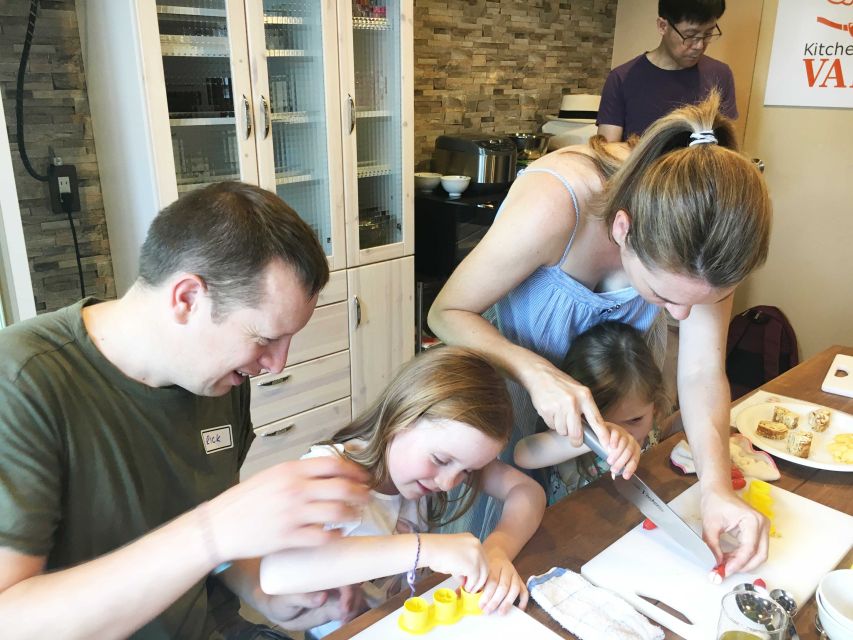
Two standouts in this class are dashimaki tamago and saikyo yaki.
Dashimaki tamago (rolled omelet)
If you’ve never rolled an omelet before, this is where you’ll notice skill growth fast. Rolling something evenly takes attention, not just ingredients. You’ll get guidance in real time, which matters because it’s hard to learn that motion from a recipe alone.
This dish also teaches a basic Japanese home-cook idea: timing and texture. The goal isn’t just flavor. It’s a tender, cohesive bite that slices cleanly.
You can also read our reviews of more tours and experiences in Tokyo



Saikyo-yaki style grilled fish
For saikyo yaki, you’ll work with the miso-marinated approach and then grill the fish. Even if you don’t know the method yet, you can see why it’s popular: miso adds body, while grilling develops a different kind of aroma and surface character than steaming or simmering.
I like that you’re learning it as a process, not as a mysterious final taste. Once you understand the steps, you’re more likely to recreate it at home without guessing.
Instructor support (and what to expect)
One guest specifically mentioned cooking with instructors Nao and Erika, and described them as helpful with recipes that were simple enough to repeat later. Another review praised patience and the overall quality of the food.
Still, there was also a critical note about whether the instructor always had answers instantly, including needing to check later steps and using knives described as not sharp. So come with a mindset of learning, not perfection.
Cooking as a Nutrition Lesson: Balance, Seasoning, and Presentation
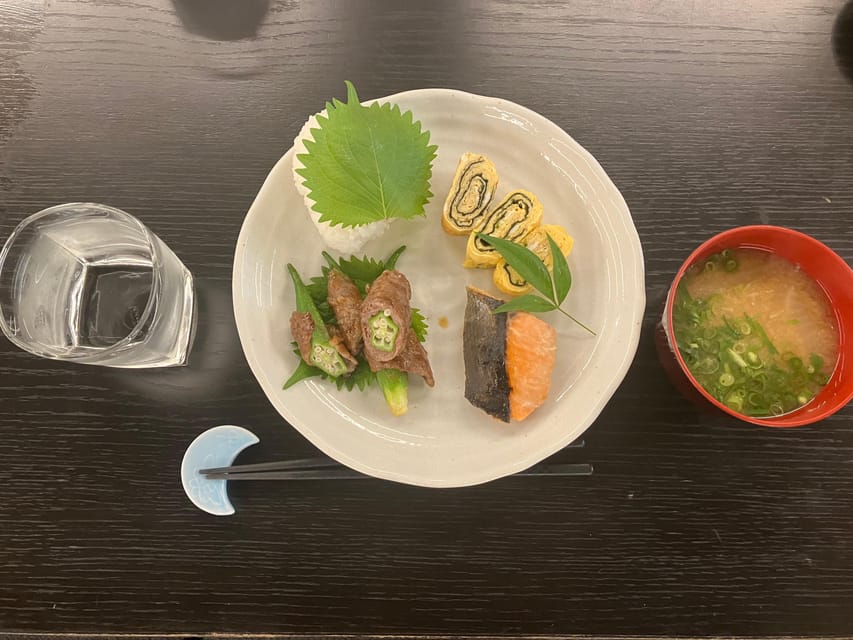
This class doesn’t just care whether you can follow steps. It focuses on nutritional balance, seasoning, and presentation.
Here’s how that can be useful for your real life cooking:
- You learn to think about what each component contributes: soup for warmth, rice for starch, fish and omelet for protein, and miso for depth.
- You start noticing how Japanese seasoning aims for harmony rather than a single loud flavor.
- You see plating in a home setting, not a staged restaurant one. That’s exactly what you’d want to copy at home.
Presentation might sound like a small thing until you’re the one trying to form a rice ball and arrange your meal components. When someone explains how the pieces are meant to look together, you’ll stop treating Japanese meals like “random sides.” It becomes a set.
The Tasting Portion: Eat What You Made (With Drinks)
The schedule gives you time to actually enjoy your work: from 13:00 to 13:30 you taste and eat. That’s not just a courtesy. It’s when the lessons click.
You’ll compare your cooking to your memory of Japanese food—how the dashi tastes, how the miso-style flavors land, and whether the omelet texture and shape came out right. You also get immediate feedback because you’re eating everything together, not one dish at a time later in the hotel.
Drinks are included with the meal, so you’re not scrambling for a purchase afterward. It’s a complete lunch moment, not a snack at the end.
Price and Value: Is $90 Worth It in Tokyo?
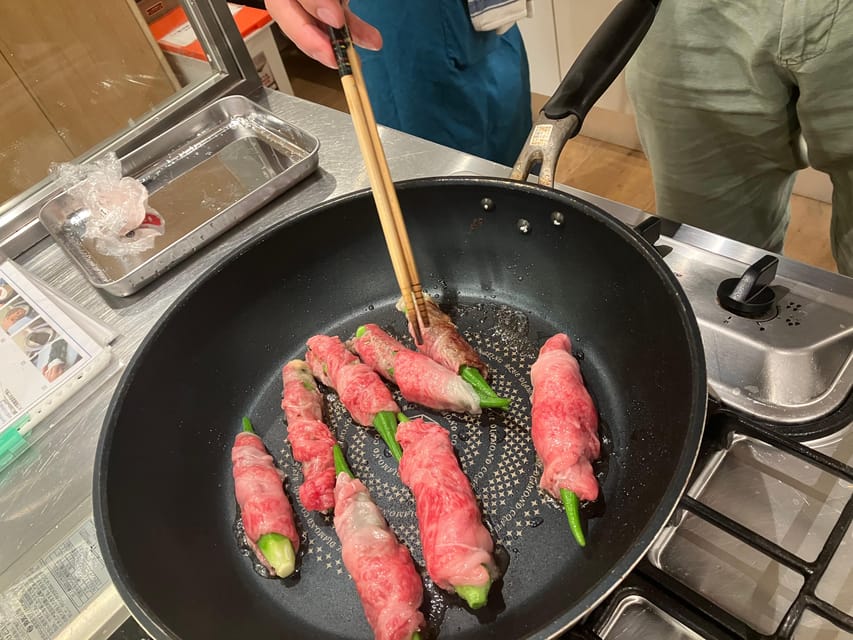
At $90 per person for about 150 minutes, you’re paying for three things:
- Instruction in English (hands-on, not a one-way demo)
- Ingredients and cooking materials
- A full meal you cooked, plus drinks
Tokyo cooking classes can range from casual to premium. This one sits in a “serious enough to learn, friendly enough to enjoy” zone. The value is best if you want practical home recipes—especially the ones people usually struggle with, like rolled omelet and miso-marinated fish preparation.
Where value can soften is if you’re expecting a slick, fully professional operation every second. Since there’s at least one report of less-than-stellar knife tools and step-by-step execution needing checking, you should see this as an authentic home-kitchen learning experience. If you’re okay with that trade-off, the $90 feels fair for what you get: real cooking + a real meal.
Who This Class Suits Best (And Who Might Want Another Option)
This class is a good fit if you want:
- A structured Japanese home cooking session
- Recipes you can repeat at home
- Dishes that represent the classic “daily meal” style
It’s also a solid match for people who like learning the why—balance and seasoning—rather than only chasing flavor.
But it’s not a great fit if you fall into the listed exclusions:
- Vegans (not suitable)
- Children under 3
- People with back problems (you may be standing or using a kitchen setup that isn’t ideal)
- Smoking indoors isn’t allowed, so plan around that
Also, if you’re traveling with someone who hates cooking activities and only wants to eat, this might feel like work. That’s fine, but go in with the right expectation.
Small Reality Checks Before You Book
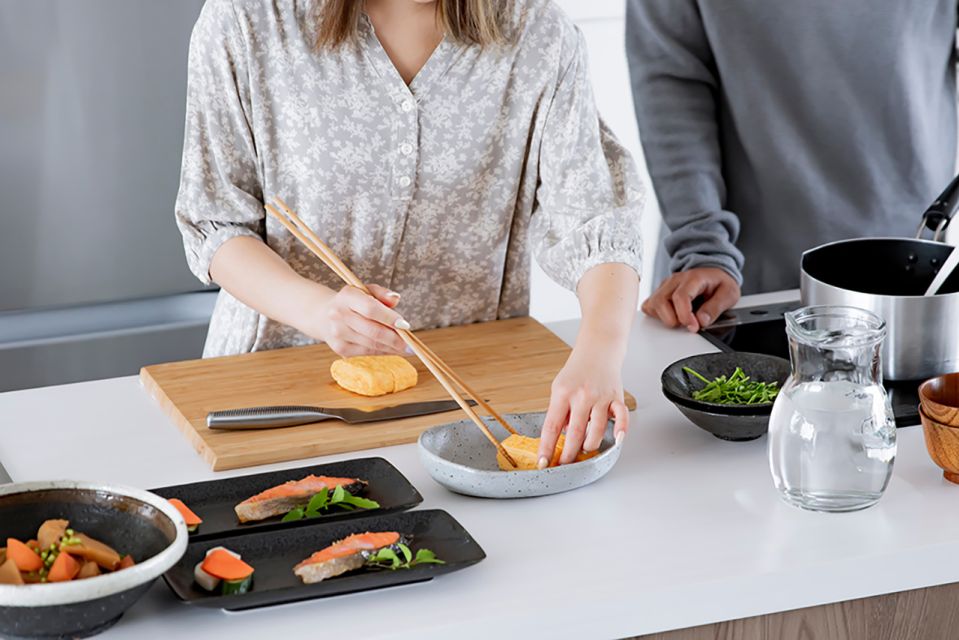
A few practical thoughts that will help you get a smooth day:
- This is not a short “grab a recipe” class. Plan on being present and hands-on for the full 90 minutes.
- You’ll need to find the correct studio location yourself, using the exact details they provide closer to your date.
- Come prepared for an English-led session where you can ask questions, but keep the pace collaborative rather than rigid.
- If you care a lot about knife quality, know that at least one guest flagged this as a weakness. You can still learn the method, but your comfort may depend on your station and tools that day.
Should You Book This Tokyo Japanese Home-Style Cooking Class?
Yes, if you want an authentic Tokyo cooking experience where you cook classic home dishes and then eat your results. The $90 price makes more sense when you consider you’re getting instruction plus ingredients plus meal and drinks, all for about 150 minutes.
No, if you’re vegan, dealing with back issues, or you’re expecting a polished, high-end culinary school vibe with perfect tools and nonstop expert troubleshooting. If that’s your style, you may be happier with a different class format.
If you’re the kind of person who likes learning methods you’ll use again at home, this one is worth your attention—especially for saikyo yaki and dashimaki tamago.
FAQ
Where do I meet for the Tokyo cooking class?
The cooking studios are near Shinjuku, Chiyoda, and Minato wards. The exact address isn’t the same as the Google Map pin, so you should come to the designated studio location they confirm for your reservation.
What time does the class run?
Cooking runs from 11:00 to 13:00, followed by tasting and eating from 13:00 to 13:30.
What dishes will we make and eat?
You’ll make and eat items that include Japanese dashi stock, saikyo-yaki style grilled fish, rice ball, and Japanese miso soup. The class also focuses on Japanese family recipes such as dashimaki tamago and saikyo yaki.
Is the instructor English-speaking?
Yes. The instructor speaks English.
What’s included in the price?
The class includes the cooking session, ingredients, the meal with the dishes you cooked, and drinks.
Is hotel pickup or drop-off included?
No. Hotel pickup and drop-off are not included.
Is there a cancellation option?
Yes. You can cancel up to 24 hours in advance for a full refund.
Is this class suitable for vegans or young children?
It’s not suitable for vegans. Children under 3 years are also not suitable.