REVIEW · TOKYO
Tokyo Asakusa Temple & Shrine Walking Tour with Local Guide
Book on Viator →Operated by Sunrise Adventure · Bookable on Viator
Asakusa turns into a story once you walk. This 2-hour guided tour helps you cover the key sights around Senso-ji and Asakusa Shrine without wrestling maps, while your local guide explains what you’re actually seeing and why people do it.
I love two things in particular. First, the guide sets you up for the Kaminarimon Thunder Gate scene with the meaning behind it (including the famous red lantern). Second, you get hands-on ritual guidance, like temizu cleansing, plus prayer and omikuji fortune-telling.
One consideration: the tour is short, so if you want lots of extra time for snacks, photos, and shopping in Nakamise, you may have to come back on your own afterward.
In This Review
- Key highlights worth showing up for
- Getting bearings fast at Azumabashi Bridge
- Kaminarimon Thunder Gate: the 700kg lantern story
- Nakamise Shopping Street: snacks and souvenirs with a purpose
- Hozomon Gate and the architecture cues you might miss
- Senso-ji Temple: the ritual stops that make the visit click
- Temizu cleansing: hand-washing with meaning
- Prayer: how to participate without overthinking it
- Omikuji fortune-telling: don’t leave without the slip
- Shinto and Buddhism in the same neighborhood
- Admission note
- Asakusa Shrine: the shrine-side of the story
- The value angle: what $19.82 buys you in real time
- What might not fit
- Where you start, where you end, and what to do before you go
- Who this walking tour suits best
- Should you book this Asakusa walking tour?
- FAQ
- How long is the Tokyo Asakusa Temple & Shrine Walking Tour?
- What’s the group size limit?
- Is admission included for Senso-ji?
- What rituals do you get to try on the tour?
- Is the tour language-friendly for non-Japanese speakers?
- Where do I meet, and where does the tour end?
- What’s the cancellation policy?
Key highlights worth showing up for
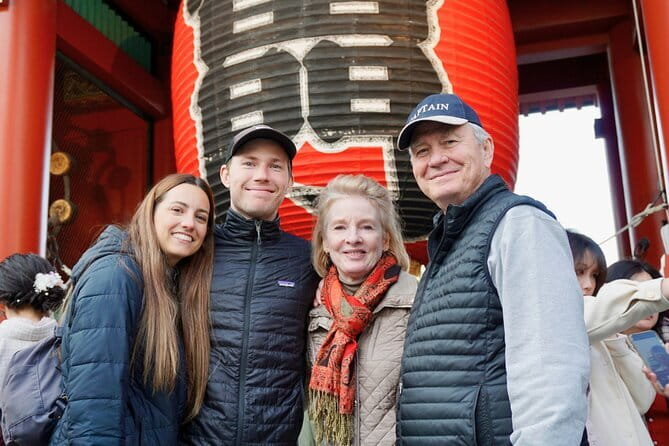
- Small group capped at 8 so you can hear the guide and keep pace without getting shoved along
- Mobile ticket means less fuss at check-in
- Ritual coaching for temizu cleansing, prayer, and omikuji so you don’t feel like you’re guessing
- Smart route planning through the big-name gates and temple lanes, built to keep you from getting lost
- Iconic landmarks in sequence from Azumabashi Bridge to Kaminarimon, Hozomon, and Senso-ji
- Nakamise Street with context so shopping time comes with stories, not just crowds
Getting bearings fast at Azumabashi Bridge
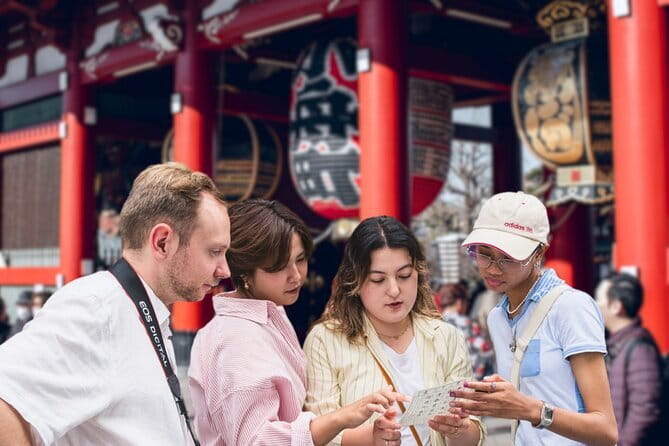
Your tour starts at Burger King Asakusa Azumabashi (near Kaminarimon), and the first move is practical: you get a quick stop at Azumabashi Bridge for views down the Sumida River and toward parts of the Tokyo skyline. It’s a nice reset point because Asakusa can feel like sensory overload once you step into the lanes near the temples.
What I like here is the way the guide uses that view to orient you. You’re not just looking; you’re learning why this area matters as a gateway to old Tokyo, which makes the next stops click faster.
You’ll also get that helpful early warning most first-timers need: where the crowds tend to thicken and how the path through the temple area flows.
You can also read our reviews of more walking tours in Tokyo
Kaminarimon Thunder Gate: the 700kg lantern story
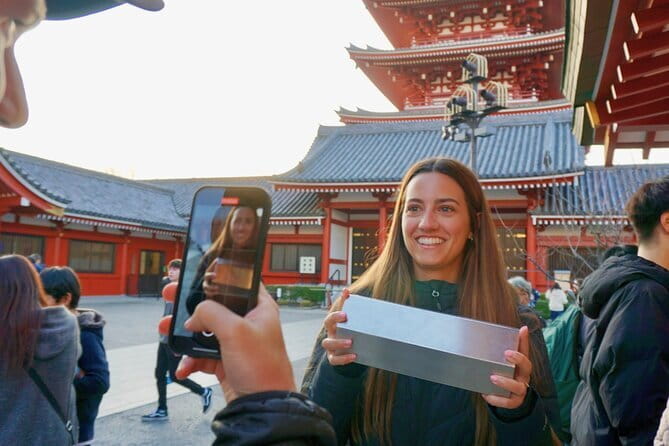
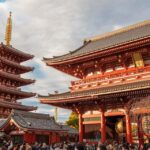
Next you’ll be guided toward the iconic Thunder Gate, known as Kaminarimon. This is the moment where Asakusa stops being an idea and becomes a scene you can photograph from multiple angles.
The standout detail is the story around the gate and its famous red lantern, described as weighing 700kg. Your guide also shares why it’s called Kaminarimon and the background of repeated reconstruction due to fires. That may sound like trivia, but it changes how you see the lantern: it’s not just a dramatic prop; it’s tied to survival and rebuilding in this neighborhood.
A small-group format matters here. With fewer people, you can actually hear the explanation before the crowd surges forward. You also have a better shot at pacing yourself for photos without feeling like you’re constantly stopping traffic.
Nakamise Shopping Street: snacks and souvenirs with a purpose
After the gate, you walk into Nakamise Shopping Street, the famous lane lined with traditional shops. This is where you’ll smell snacks, see crafts, and spot the souvenirs everyone recognizes.
The useful part is that the guide doesn’t treat this as free time with a stopwatch. You get stories about the street’s origins and how it fits into the temple visit rhythm. That context helps you understand why this lane exists where it does and why visitors move through it on the way to pray.
Here’s the practical advantage for you: if you’re short on time, you’ll know what to prioritize. You don’t have to spend your whole walk hunting for the best snack stalls because your guide can point you toward the typical offerings and the kind of items people buy during a temple visit.
A word to the wise: this area gets busy fast. If you’re sensitive to crowds, plan to move with the group and save your slower browsing for after the tour, when you can control your pace.
Hozomon Gate and the architecture cues you might miss
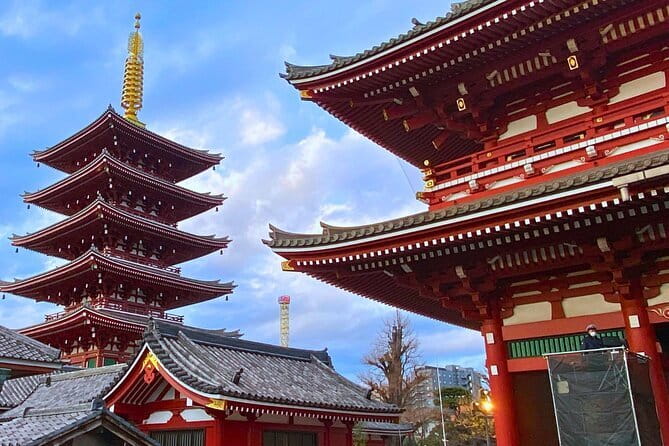
As you continue, you’ll pass the impressive Hozomon Gate, described as an important cultural property protecting the temple grounds. This stop is a great example of why a guide is worth it in Asakusa.
Even if you don’t know Japanese architecture, the explanations help you notice details you might otherwise breeze past. Your guide covers architectural features and symbolism, giving you a way to interpret the shapes and the structure rather than just admiring it from one angle.
For a lot of people, the biggest challenge at Senso-ji is scale: you see huge buildings and gates, but you’re not sure what part you’re in and what it all means. Stops like Hozomon help you build a mental map in real time.
Senso-ji Temple: the ritual stops that make the visit click
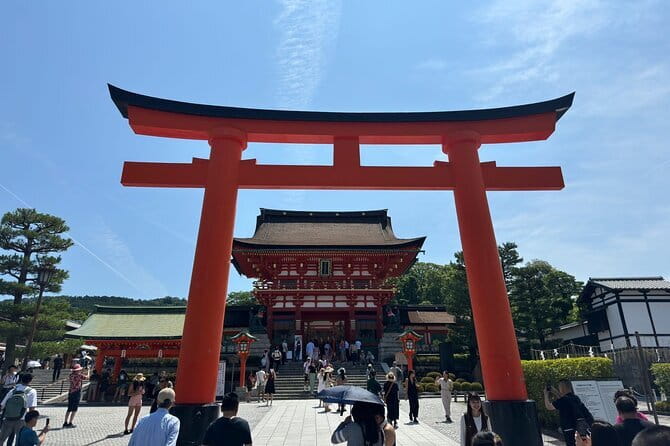
The main event is Senso-ji Temple, presented as Tokyo’s oldest and most famous Buddhist temple. On your walk, your local guide leads you through the grounds and explains the temple’s cultural significance.
This is where the tour becomes more than sightseeing. You’re not just collecting photos of big signs and big halls—you’re learning what people do at shrines and temples and what the rituals are meant to accomplish.
You can also read our reviews of more guided tours in Tokyo
Temizu cleansing: hand-washing with meaning
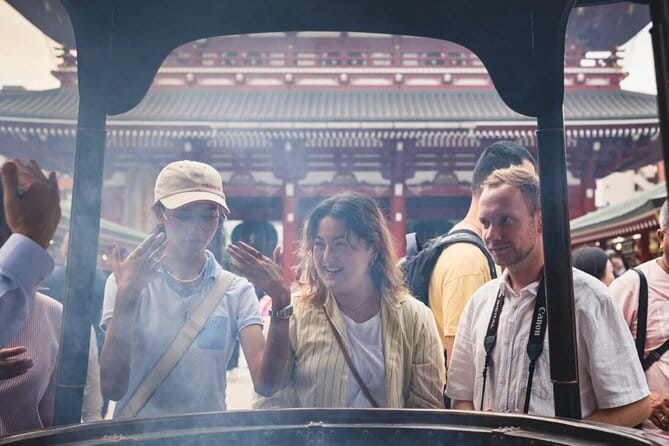
One of the included ritual experiences is temizu cleansing (hand cleansing). Your guide shows you the right sequence so you’re not guessing with the crowd around you. It’s a small action, but it signals respect and readiness before prayer.
If you’ve ever felt awkward standing near a line of people who seem to know exactly what to do, this is the fix. You’ll know what you’re doing, and that confidence changes your whole experience.
Prayer: how to participate without overthinking it
You’ll also take part in prayer guided by your tour leader. Even if you don’t speak the language, the guide’s role is to translate the etiquette into actions you can follow.
The best part is timing. Instead of trying to figure out when to move, bow, or pause, you’ll be guided through the moment so you can focus on being present.
Omikuji fortune-telling: don’t leave without the slip
The tour includes omikuji fortune-telling, where you’ll have the chance to receive a written fortune. If you’ve never done this before, having a guide there helps you understand what you’re picking up and what it’s for.
It also gives you a memorable souvenir that’s not just a keychain. You leave with a story you can reread later—and, in a place like Asakusa, that kind of personal connection matters.
Shinto and Buddhism in the same neighborhood
A big theme of this walking tour is learning how Shinto and Buddhism intersect here. The included focus on the cultural blending is important because Asakusa isn’t neat and separated into one religious category for tourists.
Instead, you’ll see how traditions coexist and how visitors participate respectfully in that mixture. That helps you make sense of what you see at both temple and shrine stops.
Admission note
The stop at Senso-ji includes a free admission ticket, so you’re not paying extra at the door for entry during this portion of the experience.
Asakusa Shrine: the shrine-side of the story
Your tour also includes Asakusa Shrine, so you don’t just stay in Buddhist temple territory. The guide’s explanations of shrine and temple rituals help you notice the differences in mood and purpose between places—even when they sit close together in the same area.
Since the tour includes hand-cleansing and prayer practices, you’ll also connect those actions to what shrine visitors do, not just to what temple visitors do. That’s the kind of learning that makes your photos feel like they belong to a real experience, not a checklist.
If you’re short on time in Tokyo, this mix is a smart use of hours. You get both major landmarks—Senso-ji Temple and Asakusa Shrine—without having to plan two separate walks.
The value angle: what $19.82 buys you in real time
At $19.82 per person for about 2 hours, this isn’t priced like a fancy private experience. It’s positioned as a budget-friendly way to get the essentials done with less friction.
Here’s how you get your money’s worth:
- You’re paying for a guided route so you don’t waste your limited time figuring out where to turn.
- You’re paying for ritual instruction, including temizu cleansing and omikuji.
- You’re paying for cultural explanations at the gates and key stops, where self-guided wandering often turns into a blur of crowd and buildings.
The small-group cap at 8 travelers is a key part of that value. It keeps the tour from feeling like you’re herded through. You’re more likely to hear the guide and take in what’s happening around you.
Also, the overall satisfaction is very strong, with an average rating around 4.9 and about 98% recommending it. That matters because in a place as crowded as Asakusa, “good pacing” and “clear guidance” can make or break a short tour.
What might not fit
If you want to linger for a long shopping session, this is still a walk, not a full free-roam afternoon. You’ll get time to see Nakamise Shopping Street, but you shouldn’t count on hours of browsing.
Where you start, where you end, and what to do before you go
You’ll begin at Burger King Asakusa Azumabashi in the Kaminarimon area and the tour ends back around the same meeting point. That’s helpful because you don’t have to plan a second transit step just to get back to your starting area.
The tour includes a mobile ticket, so you’ll want to have your phone charged and ready for quick access.
Since personal expenses for snacks or souvenirs aren’t included, it’s smart to carry a bit of cash just in case you spot something you want from Nakamise. And because you’re walking through temple lanes and shopping streets, comfortable shoes are not optional—they’re the difference between a fun walk and a sore one.
Who this walking tour suits best
This is ideal if:
- it’s your first time in Asakusa and you want the big sights in a logical order
- you want ritual guidance so you can participate confidently (temizu cleansing, prayer, omikuji)
- you prefer a small group over joining a long, fast moving crowd
- you want to learn how shrine and temple traditions blend in this area
It’s less ideal if:
- you’re the type who hates guided schedules and wants pure self-exploration
- you plan to spend a lot of time shopping and eating and want that to be the main activity
Should you book this Asakusa walking tour?
If you’re trying to make the most of limited time in Tokyo, I think this is an easy yes. For a little over two hours, you cover the core Asakusa hits—Azumabashi Bridge views, Kaminarimon, Hozomon, Senso-ji, Asakusa Shrine, plus Nakamise Street—with guidance that helps you understand the rituals instead of just watching from the edge.
The biggest reason to book is simple: the tour turns complicated-looking religious customs into actions you can actually follow. That’s what makes the visit feel meaningful, not random.
If you’d rather spend a half-day wandering without structure, you can still enjoy Asakusa on your own. But if you want a shortcut to the highlights with respectful participation, this is a strong fit for the time and price.
FAQ
How long is the Tokyo Asakusa Temple & Shrine Walking Tour?
It runs for about 2 hours.
What’s the group size limit?
The tour is capped at a maximum of 8 travelers.
Is admission included for Senso-ji?
The Senso-ji stop is listed with an admission ticket that is free.
What rituals do you get to try on the tour?
You’ll participate in temizu cleansing, prayer, and omikuji fortune-telling.
Is the tour language-friendly for non-Japanese speakers?
Yes. The guide explains shrine and temple rituals so you can follow along without language barriers.
Where do I meet, and where does the tour end?
You meet at Burger King Asakusa Azumabashi, and the tour ends back at the meeting point.
What’s the cancellation policy?
You can cancel for a full refund if you do so at least 24 hours before the tour starts, with free cancellation up to that point.