REVIEW · TOKYO
Tokyo: Learn Traditional Origami with a Local
Book on GetYourGuide →Operated by Manami Watanabe · Bookable on GetYourGuide
Paper folding feels like a tiny reset. In Tokyo’s Shinjuku area, you learn traditional origami with Manami Watanabe, an East Tokyo instructor who has been folding since age 3. You get step-by-step help in English, plus the stories behind the cranes, frogs, and other classic shapes.
What I love most is the care in the instruction. You’ll choose from different designs and levels, and Manami stays patient and encouraging, so even first-timers can keep up. I also like the paper setup: you’re not stuck with one plain sheet, because you’ll pick from both traditional and modern papers for each model.
One thing to consider: this class is built mainly for beginners, and the origami options can’t be changed on site. If you’re already advanced, you might find some shapes a bit too easy, and you also won’t get custom requests.
In This Review
- Key Things That Make This Tokyo Origami Class Worth It
- Finding FEEP Shinjuku Higashi-guchi Without Losing Half a Day
- Manami Watanabe and the Way the Class Feels Personal
- Pick Your Folds: 3 to 5 Models During 90 Minutes
- The Paper and Tools Setup That Makes Beginners Actually Succeed
- Learning the Stories: Why Each Shape Matters in Japan
- Pace, Group Setup, and How the 90 Minutes Works
- Price and Value: What $58 Really Buys in Shinjuku
- A Simple Packing and Reality Check Before You Go
- Who This Origami Experience Is Best For
- Should You Book This Tokyo Origami Class?
- FAQ
- How long is the Tokyo origami class?
- What language is the instruction in?
- What origami do I make during the session?
- What’s included in the price?
- Is there pickup from the train station?
- Are there any age limits or restrictions?
Key Things That Make This Tokyo Origami Class Worth It
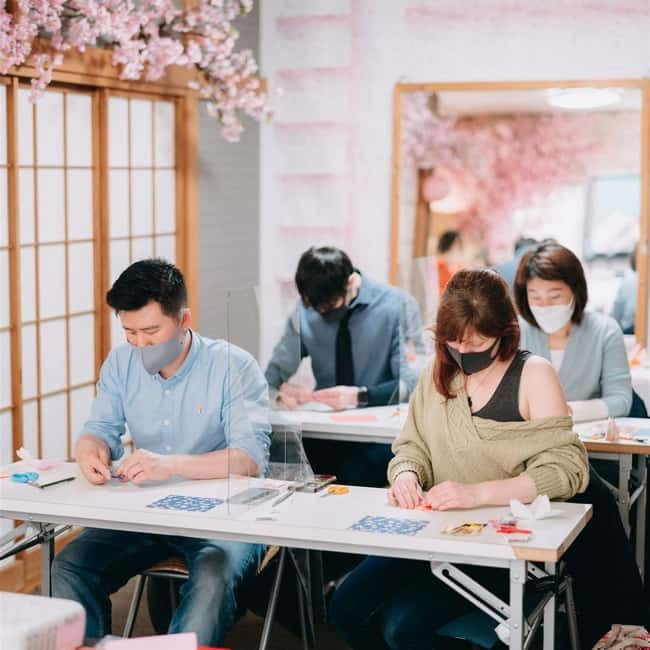
- Manami Watanabe teaches in English, with guidance that’s designed to prevent you from getting lost.
- You choose 3 to 5 designs during the 90-minute session, from easy-to-follow models up through slightly trickier ones.
- Traditional and modern paper options are part of the experience, and you’ll select paper for each piece.
- Stories and symbolism come with each shape, including the cultural importance of the origami crane.
- Everything you need is provided: paper, scissors, pens, water, snacks, plus small bags to take your works home.
- The class works for many group types (solo, couples, families, and big groups), with wheelchair accessibility.
Finding FEEP Shinjuku Higashi-guchi Without Losing Half a Day

Your class meeting point is at FEEP Shinjuku Higashi-guchi, Shinseido Bldg. 5F. The nearest station is Shinjuku-sanchome (M09, F13, S02), and you can also access it from the east gate of JR Shinjuku station.
Here’s the practical part that matters: FEEP is a shared workspace with booths on the whole floor, and the entrance is locked. When you reach the 5th floor, message Manami so you can get in. In my opinion, this is the one moment where you should give yourself a little buffer time, because finding the exact booth area can take longer than you expect in a big station zone.
Also, bring nothing “crafty” from home. The tools and materials are included, so you’re mostly just showing up with your curiosity and a steady hand.
You can also read our reviews of more tours and experiences in Tokyo.



Manami Watanabe and the Way the Class Feels Personal
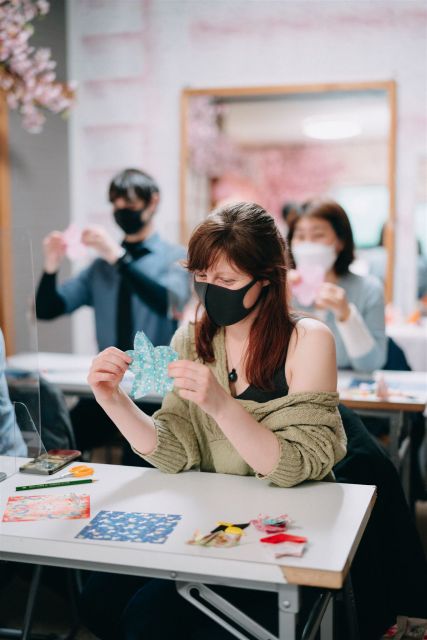
This workshop is led by Manami Watanabe, who comes from East Tokyo and started folding at age 3. That early start shows up in how she teaches: the class doesn’t feel like a rushed demo, and it doesn’t feel like you’re reading instructions you can’t translate into real folds.
Manami’s style is heavily about patience. Multiple people highlight how she is kind when you’re following steps, and how she adjusts when folds need improvement. If you’re bringing kids, this matters even more, because the workshop is set up for beginners but still aims for satisfying results.
One more small-but-important detail: the instruction includes conversation. You’ll be doing the folding, but you’re also learning the meaning behind the shapes and hearing stories that connect the art to family and childhood.
Pick Your Folds: 3 to 5 Models During 90 Minutes
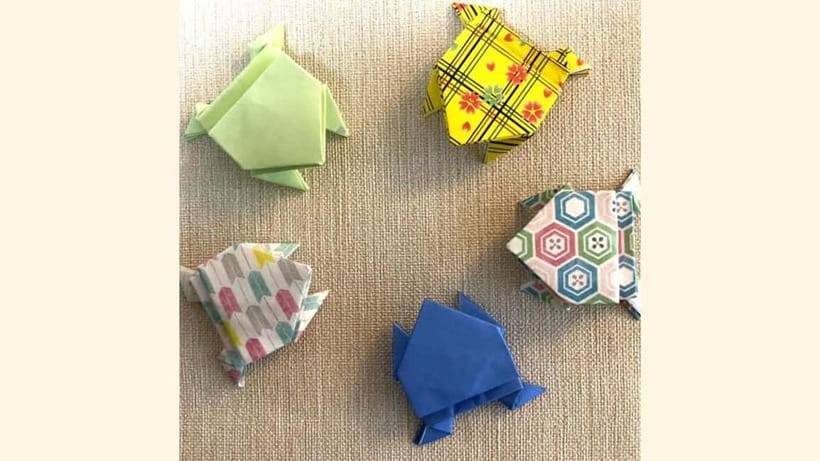
The workshop begins with Manami showcasing origami options across different skill levels. You choose the designs you want to make, and the session is structured so you can finish about 3 to 5 beautiful pieces within 90 minutes.
You might see designs like:
- Origami crane
- Jumping frog
- Samurai helmet
- Open box
- Lotus flower
These are not random party tricks. They’re classic shapes that let you practice foundational folds, then apply them in recognizable ways. The timing is realistic: you’re not trying to make one model perfectly for hours, you’re building several pieces with guidance.
One consideration to keep in mind: you can’t customize the origami options on site. If you have a very specific design in mind, confirm that it’s part of the available set before you go. This is especially relevant if you’re returning for more advanced shapes.
The Paper and Tools Setup That Makes Beginners Actually Succeed
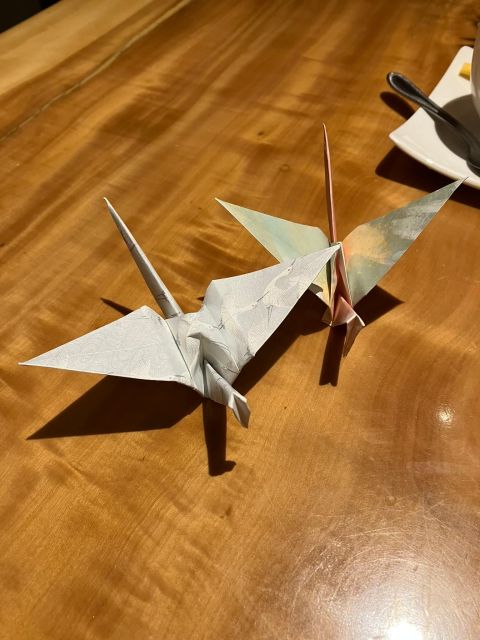
You’re not just “doing origami.” You’re getting a full materials experience.
Included items:
- Origami paper (traditional and modern designs)
- Scissors
- Pens
- Small bags to take your finished work home
- Water and some snacks
That paper variety is a quiet advantage. Different paper types can change how crisp folds look, and it can make the models feel more special when each piece is made with a sheet you picked. It also helps keep the session engaging, because you’re choosing paper in addition to choosing designs.
And yes, the bags matter. You’ll be carrying finished shapes out into Tokyo streets, and having a way to keep them together is more useful than you might think.
Manami also encourages questions. So if you’re stuck on a fold line or the model starts to look wrong, you should ask. The whole format is meant to keep you moving forward.
Learning the Stories: Why Each Shape Matters in Japan
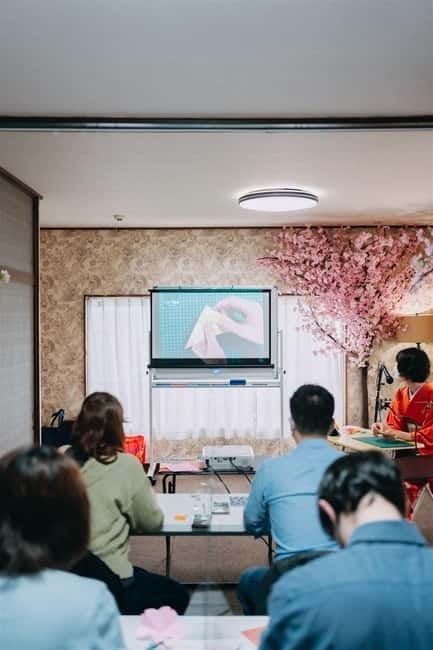
The best part of this class isn’t only the hands-on folding. It’s what Manami adds while you work.
Each time you complete a piece, she shares the background and cultural meaning behind it. A big example is the origami crane, which is explained as a shape with deep cultural importance in Japan. She also shares stories from her own family and childhood, which turns the history into something you can actually connect with.
That storytelling does something practical for your learning. When you understand why a crane or a frog matters, you’re more likely to pay attention to the details. You’re also more likely to remember the folds, because you have a story attached to them instead of a sequence of steps.
If you’re the type who likes travel lessons that stick, this approach helps a lot.






Pace, Group Setup, and How the 90 Minutes Works
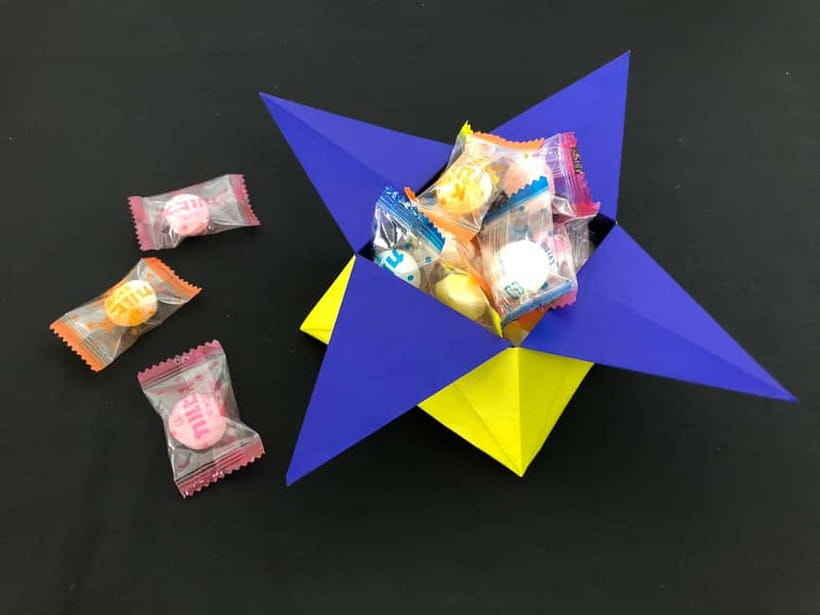
This is a 90-minute class, so it’s designed to be focused rather than drawn-out. The structure is simple: introduction and model selection, then step-by-step folding while Manami checks in and helps you correct fold lines.
You’ll be in a group setting, but it’s built for many kinds of participants, including solo travelers, couples, families, and larger tour groups. The key point is that the guidance is step-by-step and you’re encouraged to ask for help.
If you’re visiting with a child, you can expect attention. Reviews specifically mention Manami being encouraging and taking time to help an 8-year-old stay on track. The format is calm, and it’s not only “watch the teacher.” It’s hands-on from start to finish.
There are a few limits worth noting:
- Not allowed: alcohol and drugs
- Kids under 7 are not allowed
- Elderly guests or anyone needing special care should let the organizer know in advance so the venue can be adjusted
Wheelchair accessibility is listed, so this is something you can plan around.
Price and Value: What $58 Really Buys in Shinjuku
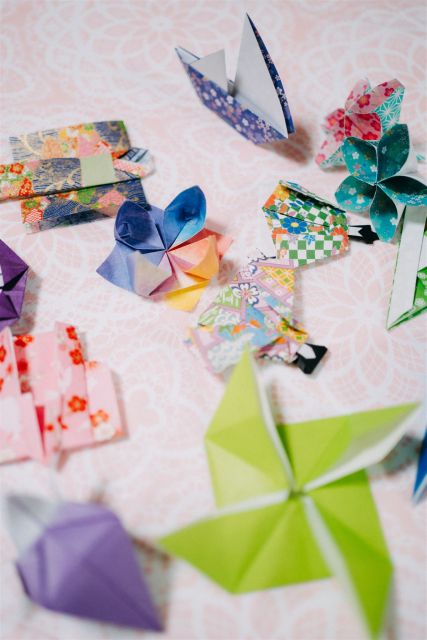
The price is $58 per person for 90 minutes. That sounds like “maybe a bit much” at first, especially if you’ve ever folded a crane from a book.
Here’s the value logic that makes this class make sense:
- You’re paying for a local instructor (Manami Watanabe) who teaches step-by-step in English.
- You’re paying for materials: traditional and modern papers, scissors, pens, water, and snacks.
- You’re paying for results: the goal is 3 to 5 finished pieces during the session, not a half-formed project you abandon at home.
One review calls out the price as a little pricey, which is fair. If you’re only looking for a quick craft, you could find cheaper options. But if you want guidance that prevents frustration, plus a cultural explanation that adds meaning, $58 starts to feel reasonable.
Also, this isn’t a “buy a souvenir and leave” kind of activity. It’s a skill and a set of objects you can take home.
A Simple Packing and Reality Check Before You Go
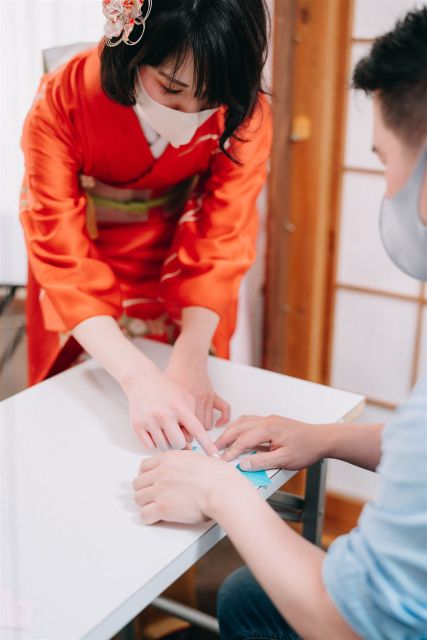
From the included list, you don’t need to bring craft supplies. You’ll get the paper, tools, and the pens.
What you should do instead is keep logistics simple:
- Arrive at the 5th floor at FEEP and message when you’re there (the entrance is locked).
- Wear comfortable clothes you can move in easily. You’ll be focused on small folds, so you want to avoid anything that makes sitting uncomfortable.
- Plan to take photos of your finished models if you want. You’ll have plenty of “proof of work” to share once you’re done.
And if you’re the type who hates being late for class start times, build in extra time for station navigation and finding the building. The meeting point can trip people up, and the workshop runs on a tight timeline.
Who This Origami Experience Is Best For
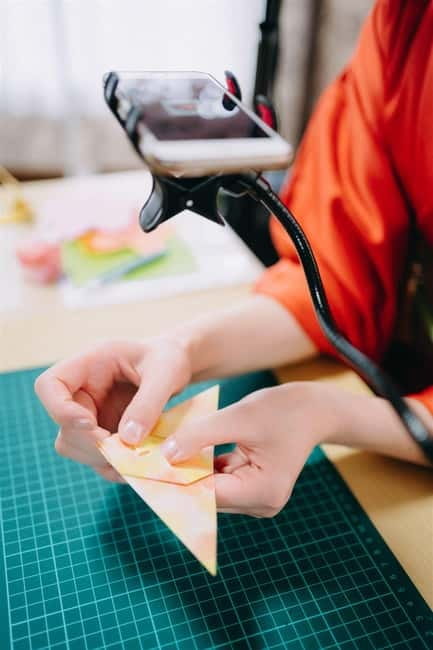
This class is ideal if you want:
- A beginner-friendly introduction to classic origami forms
- A calm, hands-on activity with strong instruction
- The cultural meaning behind shapes, not just the folding diagram
It also works for families, especially kids who can follow steps with support. The “under 7” limit means it’s meant for kids who can participate without constant supervision.
If you’re already an advanced folder, you may still enjoy the stories and paper choices, but expect the designs to be mostly manageable rather than mind-bending. If you’re looking for complex, high-level techniques, this may feel too easy.
Should You Book This Tokyo Origami Class?
Book it if you want an easy win in Tokyo: learning with a real teacher, finishing several models in one sitting, and understanding why the crane and other shapes matter. The step-by-step English instruction and Manami’s patience are the big reasons this works so well for first-timers.
Skip it (or set lower expectations) if you’re advanced and you want highly technical custom projects, because the available designs aren’t customized on site and the class is mainly geared toward beginners.
My practical takeaway: if you like crafts but also like structure, and you want a meaningful souvenir that you made yourself, this is a solid use of a 90-minute slice of your Tokyo trip.
FAQ
How long is the Tokyo origami class?
The class lasts 90 minutes.
What language is the instruction in?
The instructor provides instruction in English.
What origami do I make during the session?
You choose from different origami designs of various skill levels, and you typically create 3 to 5 shapes during the class.
What’s included in the price?
It includes origami paper (traditional and modern), scissors, pens, small bags to take your works home, plus water and some snacks.
Is there pickup from the train station?
No pickup is included.
Are there any age limits or restrictions?
Kids under age 7 are not allowed. Alcohol and drugs are not allowed. Elderly guests or anyone who needs special care should let the organizer know in advance.