REVIEW · TOKYO
Tokyo: Samurai Experience with Lunch and Guided Tour
Book on GetYourGuide →Operated by MagicalTrip · Bookable on GetYourGuide
Tokyo can feel like a movie set.
This 4-hour samurai experience puts you in Kagurazaka, with a local English guide who connects the neighborhood’s Edo-era vibe to Shinto shrines and Zen ideas as you walk. I like that it’s not just photos on a schedule; it’s story-first, street-by-street.
What I also really like is the hands-on samurai training portion, topped off with kimono rental and a beginner-friendly approach. Guides such as Taka, Naoki, and Mark are known for keeping the pace fun and the instructions clear, so you’re not stuck feeling lost with awkward moves.
One thing to consider: food is only vegetarian (no vegan, no gluten-free), and the tour can’t guarantee allergy-free meals—so if you’re dealing with strict dietary needs, you’ll want to plan carefully.
In This Review
- Key things to know before you go
- Kagurazaka + samurai training: why this 4 hours feels like more
- Getting there: the Aoyama Flower Market meeting point (and what to watch for)
- Zenkokuji stop: a short moment of temple quiet
- Kagurazaka streets and the Edo-era samurai atmosphere
- Samurai Experience with kimono: what you’ll actually learn in 1 hour
- Live performance: how to watch it without missing the point
- Lunch in an old Japanese house: the calm middle of the day
- What food and sweets you get (and what you need to know)
- Price and value: why $162 can make sense here
- Who this tour fits best (and who should skip it)
- Quick tips to help you enjoy the whole day
- Should you book the Samurai Experience with Lunch and Guided Tour?
- FAQ
- Where does the tour meet?
- How long is the tour?
- Is the tour offered in English?
- How big is the group?
- What’s included in the samurai experience?
- Is vegetarian lunch available?
- Can the tour accommodate vegan or gluten-free diets?
- Is there hotel pickup and drop-off?
- Who can join and who can’t?
Key things to know before you go
- Kagurazaka walking tour with culture context: Edo-era streets plus Shinto and Zen connections explained by your guide
- Kimono rental included: it adds instant atmosphere for the walking parts and photos
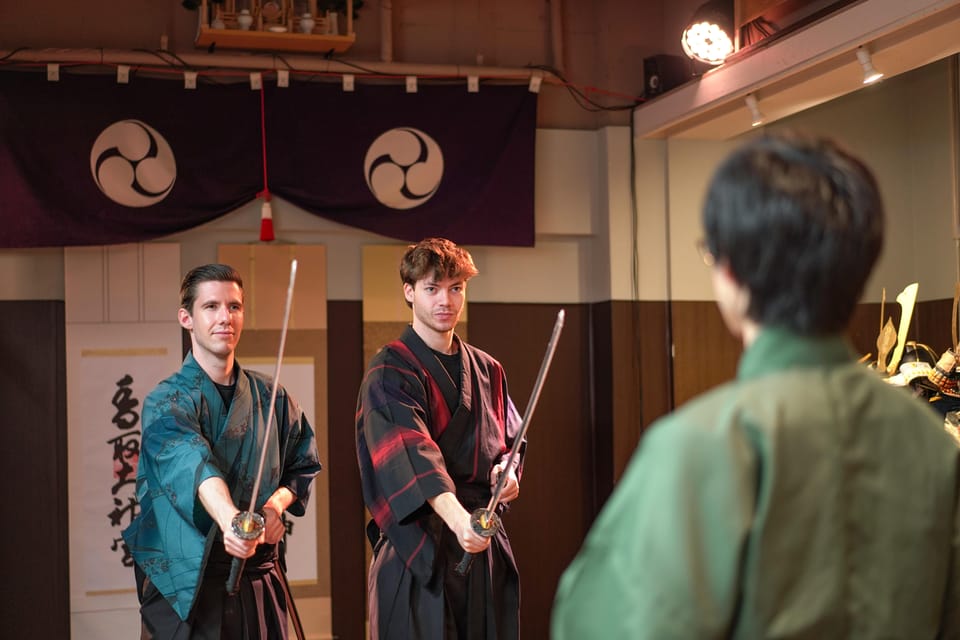
- 1-hour samurai practice with professional instructors: basic movements you can actually try
- Live samurai performance: you’ll learn how to watch the skills and intent behind the action
- Lunch in an old Japanese house over 70 years old: a calm, authentic setting to refuel
- One traditional food or sweet included: you choose your treat from what’s available that day
Kagurazaka + samurai training: why this 4 hours feels like more
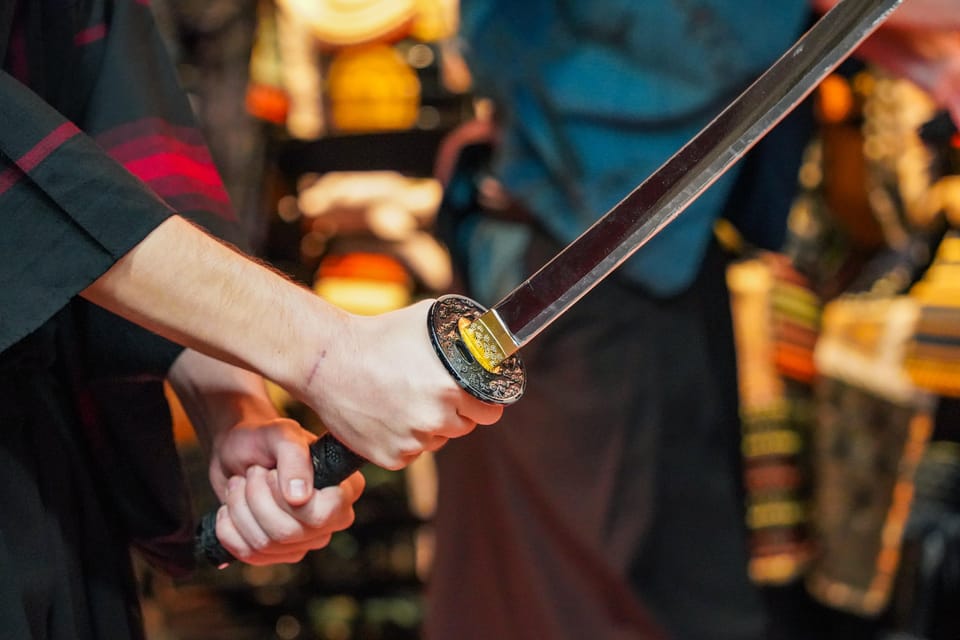
This is the kind of Tokyo tour that doesn’t try to cram in ten stops. Instead, you get two strong experiences—street culture in Kagurazaka and hands-on samurai basics—with a live performance and lunch built in. The result feels well paced, not rushed.
If you’ve only seen samurai on screens, this tour helps you connect the dots between fighting, discipline, and spiritual ideas people associate with Japan. You’ll hear about how samurai spirit connects to Shinto shrines and Buddhism, and how Zen thinking shows up in movement and focus.
And yes, the kimono rental helps a lot. It’s not just for looks; it sets a different mental mode while you walk those narrow streets and sit down for lunch.
You can also read our reviews of more guided tours in Tokyo



Getting there: the Aoyama Flower Market meeting point (and what to watch for)
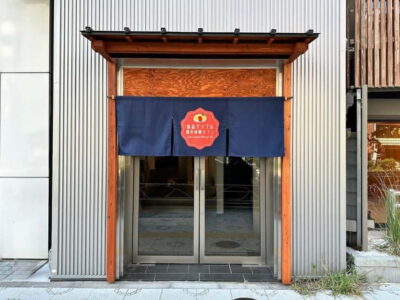
You meet in front of Aoyama Flower Market (Ecute Edition Idabashi store), right by the West Exit of JR Iida-bashi station. The key detail: when you come out of the station’s West Exit, it should be on your right.
This is a good meeting point for two reasons. First, it’s easy to find without a complex transfer story. Second, you’re starting near a train line, so you can get to the area earlier on your own schedule and still arrive calm.
The tour starts on time. If you’re more than 15 minutes late (or 10 minutes before the start time), you can’t join or get a refund or reschedule. Build in a buffer, especially if you’re new to the station.
Zenkokuji stop: a short moment of temple quiet
Early on, you’ll head to Zenkokuji for a guided visit. The visit is brief, so don’t expect a long sit-down temple lesson. Instead, think of it as a mood-setter: a reminder that Kagurazaka’s samurai story isn’t separate from religious life.
From here, your guide keeps the thread going as you move into the neighborhood. That’s the real value of this short stop—you don’t just see another landmark. You learn how places like temples and shrines connect to the ideas behind samurai life.
Kagurazaka streets and the Edo-era samurai atmosphere
Kagurazaka is famous for its older lanes and home-like scale. On this tour, you walk those deeper streets with a guide who explains what life in an Edo-era samurai neighborhood would have meant. It’s not abstract history. You’re shown how the environment and daily rhythm fed the samurai mindset.
You’ll also learn about the spiritual side—how Shinto shrine culture and Buddhist/Zen concepts show up in how people practiced discipline and self-control. Even if you don’t memorize every detail, you’ll feel the difference between a tourist walk and a guided cultural stroll.
Along the way, you may see side streets associated with the area’s older entertainment past (for example, the tour can include looking at Geisha alley-style lanes). That contrast works well: samurai values on one hand, traditional town life on the other.
Samurai Experience with kimono: what you’ll actually learn in 1 hour
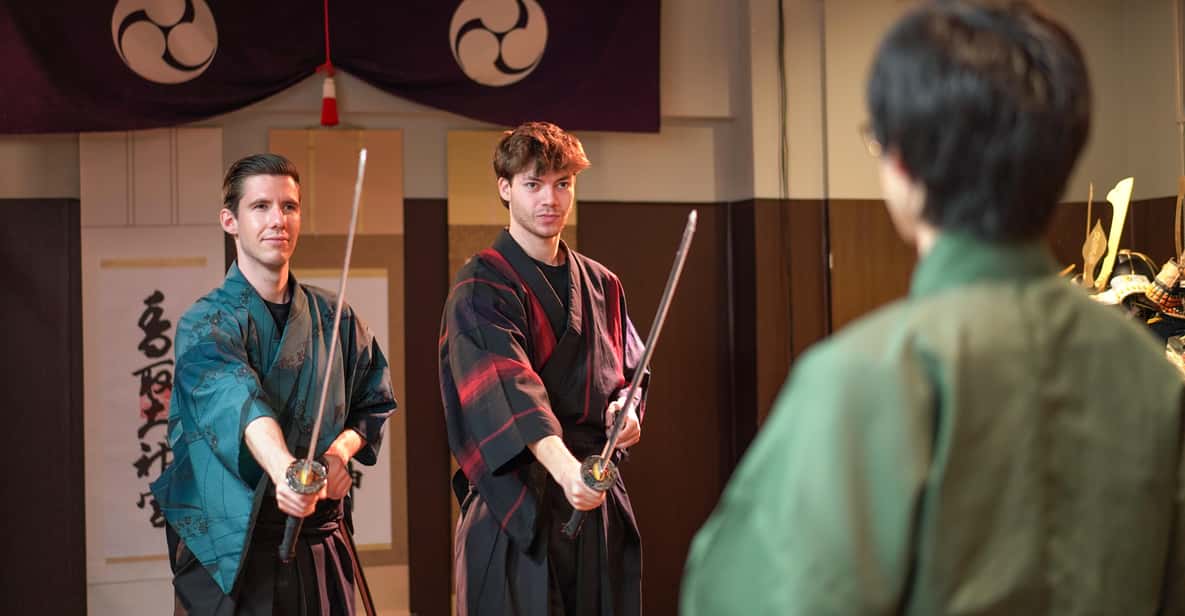
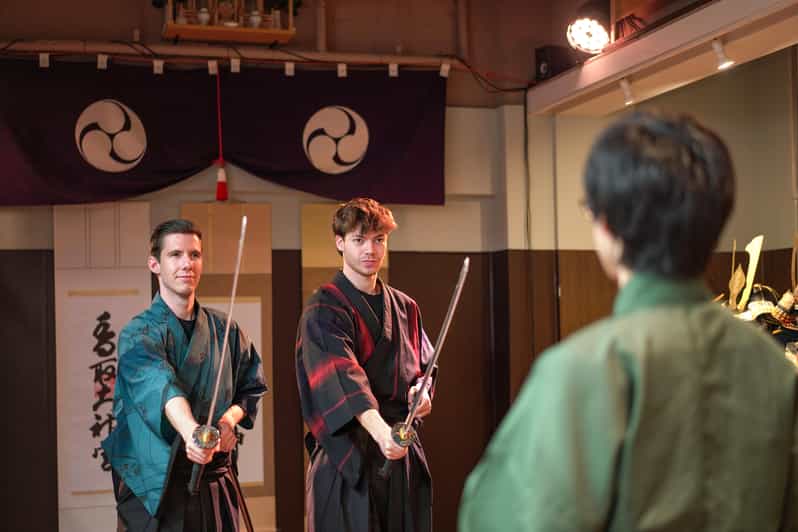
The highlight is the Samurai Experience & kimono rental, which runs for about an hour. This part is designed for beginners. You’re not expected to already know how to stand, move, or handle footwork.
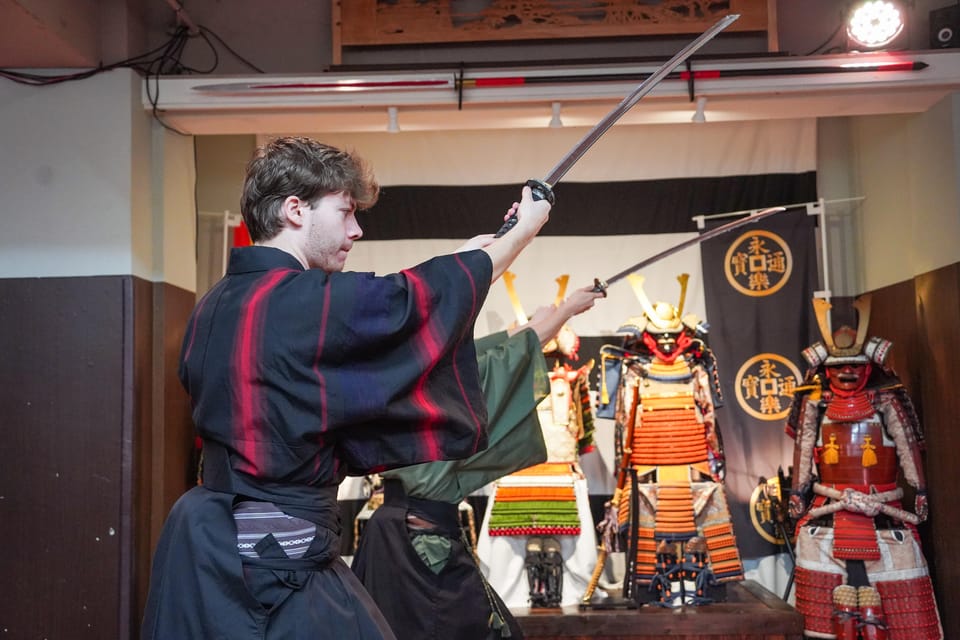
Here’s what makes it work in real life: the instructors don’t just talk. You practice basic movements, including fundamentals of samurai-style fighting motions. You’ll learn steps and body positions slowly enough to keep up, then try the movements with guidance.
The kimono rental matters here too. Clothing changes your posture and walking style, so it adds a layer of authenticity to your practice and photos. Just be ready for the fact that you’ll want to move carefully; kimono can be restrictive compared to normal clothes.
If you like action, you’ll probably enjoy the seriousness of the training. If you’re more of a culture-and-history person, you’ll appreciate that the training is tied to philosophy and discipline—not just choreography.
You can also read our reviews of more tours and experiences in Tokyo




Live performance: how to watch it without missing the point
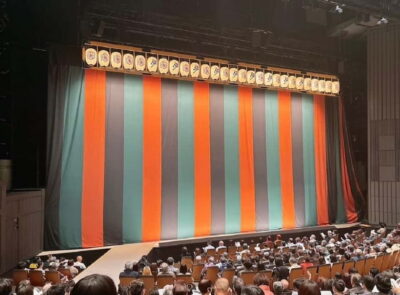
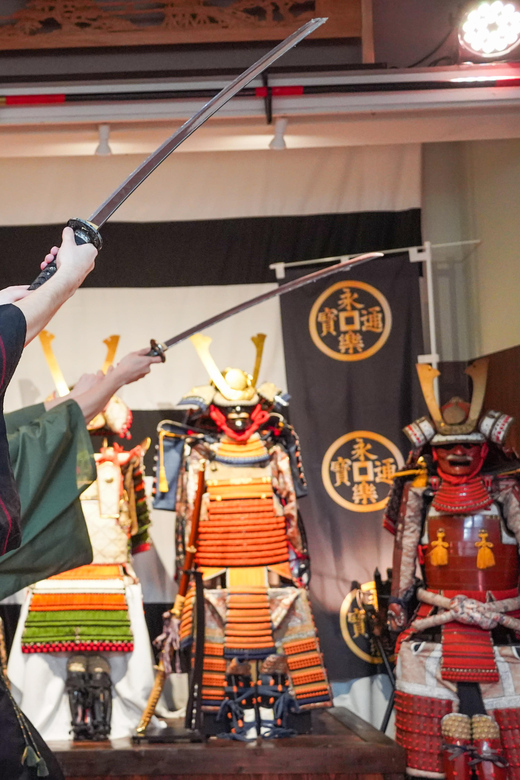
After the training, you’ll watch a live performance by professional samurai actors. This is where the skills you just practiced start making sense.
When you watch, don’t only look at speed. Watch intention: stance stability, timing, and controlled movement. The performance turns the “why” behind the basics into something you can see. Even if you don’t catch every technical detail, you’ll recognize the contrast between raw motion and purposeful technique.
This performance also adds energy to the day. It breaks up the earlier walking and lunch so the afternoon doesn’t feel like one long school lesson.
Lunch in an old Japanese house: the calm middle of the day
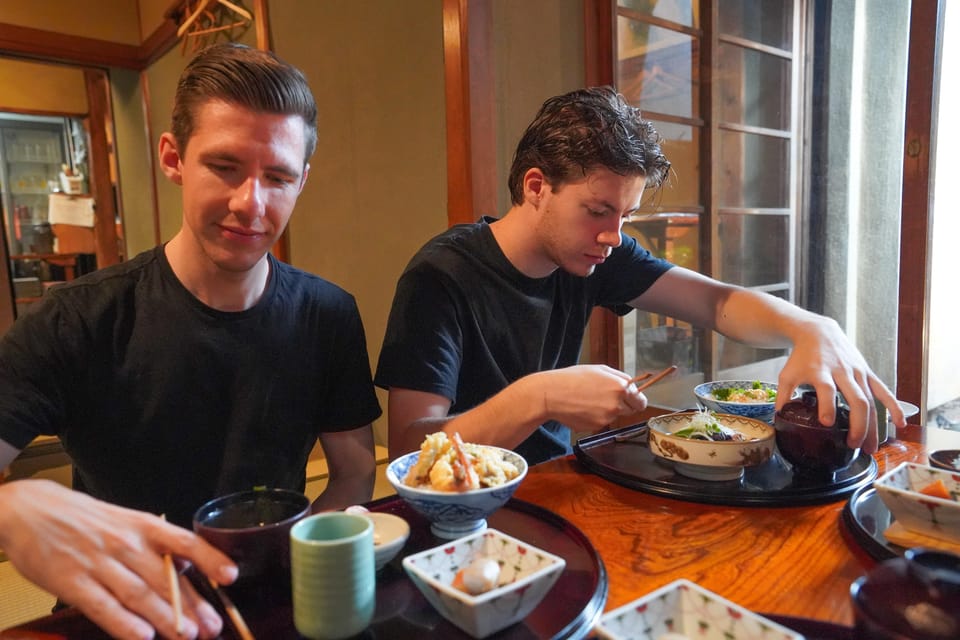
Then it’s time to eat. You’ll enjoy lunch in a traditional Japanese house over 70 years old. This matters more than you might think, because it shifts the tour from “moving and performing” to “resting and observing.”
The setting is also tied to Japanese tradition—this house was once a teahouse where geishas had a haven. You’re not role-playing a period drama, but you are eating in a space with that kind of cultural memory.
The lunch is built around a vegetarian option. If you choose vegetarian in advance, you’ll still get a real Japanese meal experience rather than a token substitute. You’ll also have time to slow down after the training, which makes the rest of the walk afterward feel easier.
What food and sweets you get (and what you need to know)
You’ll get one traditional food or sweet during the tour. The available choices can include items such as chimaki, steamed buns, or modern sweets, and you can choose one during the experience.
Two practical points:
- Vegetarian is available, but vegan and gluten-free are not available.
- The tour can’t guarantee allergy-free meals, and food may be prepared in kitchens outside the main organizer. If you have serious allergies, you should treat this tour as a risk rather than a safe bet.
If you’re traveling with a vegetarian friend, though, this is a strong option. The tour is designed to serve that need without turning lunch into a problem.
Price and value: why $162 can make sense here
At $162 per person for a 4-hour tour, you’re paying for more than a walk and a photo stop. You’re getting:
- A small-group experience (limited to 9 participants)
- A local English guide for about 3.5 hours
- Kimono rental tied directly to the activity
- A professional samurai training session
- A live performance
- Lunch in an old Japanese house
- One included traditional food or sweet
If you compare this to doing samurai training plus sightseeing plus lunch on your own, it can add up fast—especially because training and guided interpretation are the expensive bits. Here, they’re bundled into one schedule.
The value is best if you want the full package: history explanations plus skill practice plus a sit-down meal. If you only want samurai training, you may find cheaper options elsewhere—but you’d lose the Kagurazaka street context and the themed lunch setting.
Who this tour fits best (and who should skip it)
This tour is a great match if you:
- Want samurai culture with real structure, not just a generic history overview
- Like a mix of walking and hands-on practice
- Want an experience that works for both adults and older kids (it’s open for ages 4 and older)
- Appreciate photo opportunities—kimono + training + older streets is a naturally photogenic setup
It may not be right if:
- You need vegan, gluten-free, or shellfish allergy accommodations. Vegetarian is available, but the tour explicitly can’t accommodate other dietary types.
- You use a wheelchair. The tour is listed as not suitable for wheelchair users.
Also note the day runs with a firm start time. If you tend to run late, this isn’t the tour to gamble on.
Quick tips to help you enjoy the whole day
Plan for a guided day where you’ll switch from walking to seated lunch to active practice. Wear shoes that can handle Tokyo street steps and transitions from streets into training space.
Bring a light layer. Indoors and outdoors can swing a bit, and kimono photos look better when you’re comfortable (not shivering or overheated).
Finally, go with a beginner’s mindset. The tour is set up so you can learn basic movements without embarrassment. The best result is finishing with a few skills you can actually remember, plus stories you can connect back to Kagurazaka’s shrines and temple atmosphere.
Should you book the Samurai Experience with Lunch and Guided Tour?
I’d book this if you want a Tokyo experience that’s hands-on and story-driven, in one of the city’s most atmospheric neighborhoods. The combination of Kagurazaka guided walking, kimono rental, a professional samurai training session, live performance, and lunch in an old house is what makes this more than a standard tour.
I wouldn’t book it if strict dietary needs are the main issue, because vegetarian is the only guaranteed option and allergy-free meals aren’t promised. I’d also pass if mobility is a challenge, since it’s not set up for wheelchair access.
If you fall into the first group—culture plus action plus a real lunch setting—this tour is a solid use of a half-day in Tokyo.
FAQ
Where does the tour meet?
You meet in front of Aoyama Flower Market (Ecute Edition Idabashi store), near the West Exit of JR Iida-bashi station. It should be on your right when you exit.
How long is the tour?
The tour lasts about 4 hours.
Is the tour offered in English?
Yes. The live tour guide speaks English.
How big is the group?
It’s a small group limited to 9 participants.
What’s included in the samurai experience?
Kimono rental is included, along with 1 hour of samurai experience, plus guided instruction from professional instructors.
Is vegetarian lunch available?
Yes. A Japanese lunch vegetarian option is available if requested in advance (vegan and gluten-free are not available).
Can the tour accommodate vegan or gluten-free diets?
No. Vegan and gluten-free options are not available, and the tour cannot accommodate those requests.
Is there hotel pickup and drop-off?
No, hotel pickup and drop-off are not included.
Who can join and who can’t?
The tour is open to participants aged 4 and older, and it is not suitable for wheelchair users. Smoking, alcohol, and drugs are not allowed during the tour.