REVIEW · TOKYO
Private 2-Day Tour: Mt Fuji Hakone & Kamakura + Onsen Ryokan
Book on GetYourGuide →Operated by Miramar Co,.Ltd. · Bookable on GetYourGuide
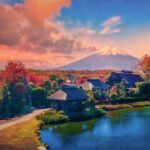
Mount Fuji shows up in photos. It also shows up in your day. This private 2-day route strings together the best Fuji “viewpoints,” the volcanic stop at Owakudani, and a classic ryokan onsen night, all without forcing you to juggle trains and timing. I love how the itinerary hits Fuji from multiple angles, then balances it with Kamakura’s Great Buddha. I also like that your driver keeps things smooth and answers questions along the way. One thing to consider: day-to-day weather can affect how clearly you see Fuji, so be ready for adjustments.
What makes this feel like a real plan is the pacing. You get morning photo stops, short walks where you actually want them, and a full overnight stay so you’re not rushing Hakone in a single day. The onsen ryokan dinner and breakfast mean you’re eating well and not hunting for food after a long day.
The price is serious at $838 per person, but you’re buying more than viewpoints: private transport, entrance fees, a included lunch (hōtōu), a kaiseki-style dinner, breakfast, and the Lake Ashi boat ride. If you’re going solo, it can feel steep. If you’re splitting the cost among a small group, it starts to look more like good value.
In This Review
- Key reasons this tour works well
- Private Tokyo pickup and getting to Fuji without the headache
- Day 1: Lake Kawaguchi, Oishi Park, and the shrines that frame Mt. Fuji
- A quick realism check on Fuji visibility
- Oshino Hakkai and Ushino Springs: short walks that make the region feel real
- Hakone ryokan night: onsen time at Tōnosawa Ichinoyu Honkan
- Day 2: Lake Ashi boat ride and Togendai Port views
- Owakudani volcanic valley: steam, sulfur vents, and the black eggs moment
- Odawara Castle for samurai-era context and a viewpoint payoff
- Kamakura Daibutsu: the icon that anchors the day
- Yokohama Chinatown: optional energy for people who like variety
- What you’re paying for at $838 per person (and why it can feel worth it)
- Who this tour fits best (and who might want a different plan)
- Should you book this Mt. Fuji, Hakone, and Kamakura private tour?
- FAQ
- Where does the tour start and end?
- What transportation do we use?
- What languages does the driver speak?
- What are the included meals?
- Is the Lake Ashi ride included, and how long is it?
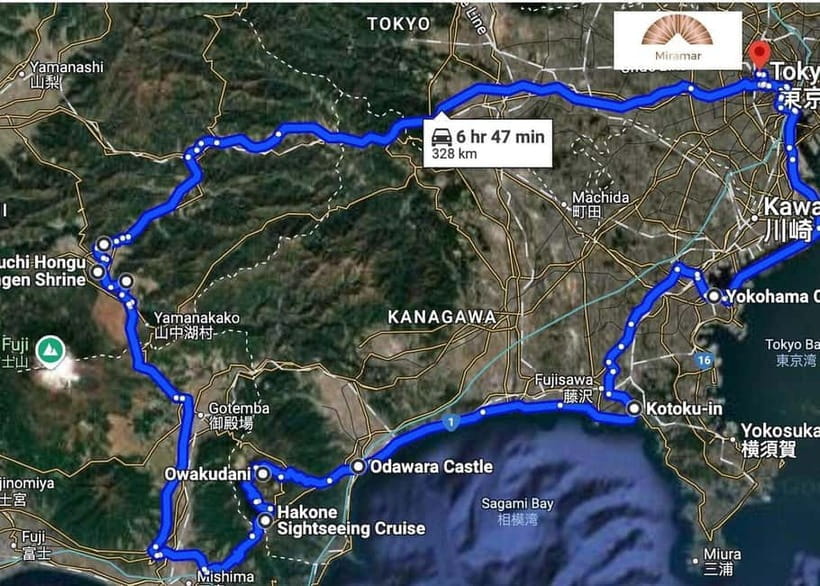
- Which sights are included on the two days?
- What’s the ryokan experience like?
- What should I bring?
- Does the tour run in bad weather?
- Is the tour private and can it be customized?
Key reasons this tour works well
- Private pickup in Tokyo 23 wards with a comfortable Toyota Alphard or Hiace, so you start calm instead of stressed
- Fuji from several locations: Lake Kawaguchi, Arakura Sengen Shrine, Kitakuchi Hongu Shrine, plus more on Day 2
- Hakone’s steam and sulfur at Owakudani, with the famous black eggs option from the sulfur springs area
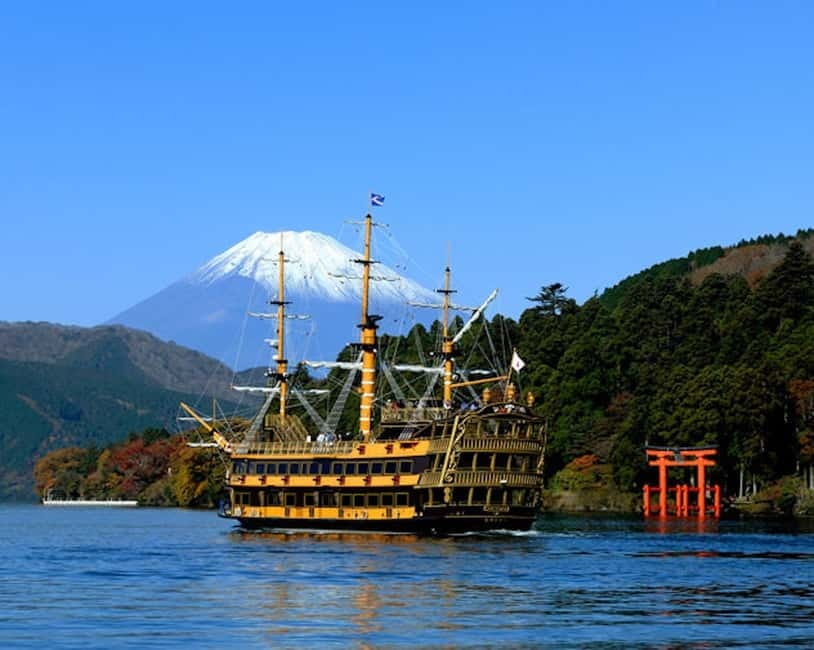
- Lake Ashi cruise (45 minutes) that sets the Hakone mood quickly
- Ryokan night with onsen + kaiseki-style dinner, which is the “reset” you want after walking and viewing
- Kamakura Daibutsu and an optional Yokohama Chinatown stop, for variety beyond just Fuji
Private Tokyo pickup and getting to Fuji without the headache
This is built for people who want a plan with minimal friction. Your driver meets you at your hotel (inside Tokyo’s 23 wards), and you travel in a Toyota Alphard or Hiace—big seats, real space for bags, and fewer “how do we get there” moments. For a two-day trip that covers a lot of territory, that matters.
You also get an English-speaking driver (and Chinese is available too). You’re not stuck pointing at signs all day. Ask questions in the car, get timing tips, and you can usually avoid common tourist missteps like arriving at a viewpoint right when it’s at peak congestion.
A practical detail: you should be ready about 10 minutes early. Pickup timing is easier when everyone is already standing by.
You can also read our reviews of more private tours in Tokyo
Day 1: Lake Kawaguchi, Oishi Park, and the shrines that frame Mt. Fuji
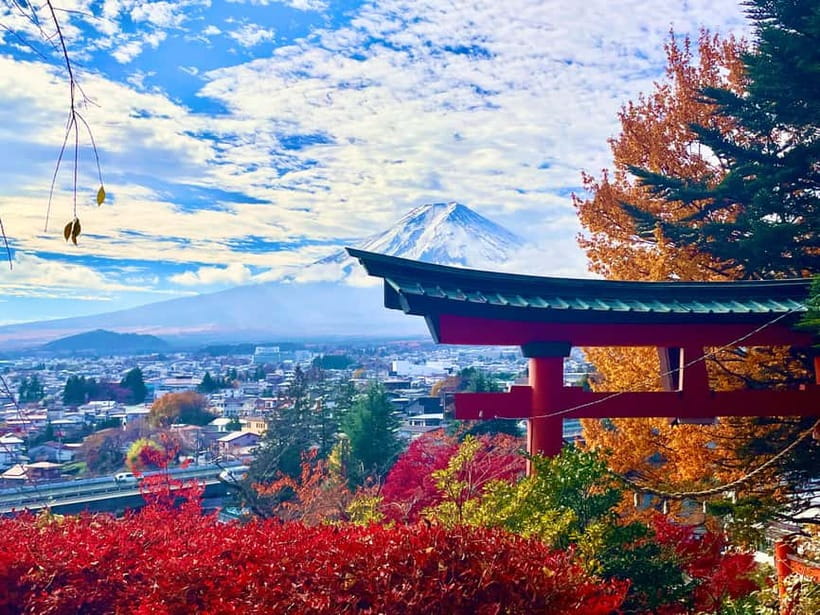
Day 1 is where the tour does its best job of making Fuji feel “big.” You start with Lake Kawaguchi at Oishi Park, where you get free time for a stroll and photos. This is the kind of stop where you don’t need a long lecture. You walk, you breathe, and you enjoy the view while you still have energy.
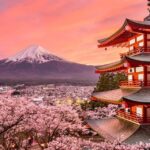
Next comes Arakura Sengen Shrine (often photographed for its five-story pagoda silhouette with Fuji behind it). You’re given time for a photo stop and a walk. The value here isn’t just the picture—it’s the way the shrine and pagoda sit on the hillside so your viewpoint feels layered. If Fuji is visible, this stop can be a highlight. If not, it still gives you a meaningful cultural stop and a good break before more scenery.
Then you move to Kitakuchi Hongu Fuji Sengen Shrine, a historic shrine tied to the Fuji-san pilgrimage routes. You get a photo stop plus time to visit and sightsee. This is the “slower” choice on the list: fewer neon distractions, more atmosphere. Even if you’re mostly a photo person, I like that you’re not only chasing one perfect shot—you’re also seeing why people have connected this region to Fuji for generations.
A quick realism check on Fuji visibility
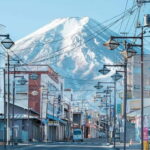
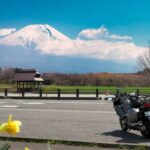
The tour notes that adjustments may happen depending on Mt. Fuji visibility or traffic. That’s not a small caveat—it’s the whole game. Cloud cover can make “Fuji day” feel like “weather day.” Still, even when visibility is imperfect, the itinerary keeps moving through rewarding places rather than wasting hours.
Oshino Hakkai and Ushino Springs: short walks that make the region feel real
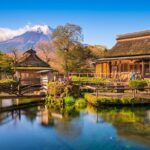
After the shrine rhythm, you get a quieter nature-style stop: Oshino Hakkai. You’ll have time for photos, visiting, shopping, and a walk. It’s one of those places that feels instantly understandable—you’re looking at spring-fed ponds and water features tied to the Fuji ecosystem. This isn’t only about views; it’s about texture and everyday life.
Before that, you also have time at Ushino Hakkai (also called Ushino Springs). The idea is simple: crystal-clear spring area views, a peaceful walk, or relaxing near the water. I like that this gives you a breather from hills, crowds, and car time.
Is it perfect for everyone? If you hate walking on uneven ground or you’re traveling with limited mobility, these spring areas might feel more effort than you planned. But for most people, they’re worth it because they add variety beyond temples and volcanic steam.
Hakone ryokan night: onsen time at Tōnosawa Ichinoyu Honkan
The tour’s overnight stay is the biggest “comfort upgrade” in the whole plan. You check into a traditional ryokan in Hakone and get an onsen experience for a few hours. After Day 1, that’s exactly what you want: hot water soak time, a slower pace, and fewer decisions.
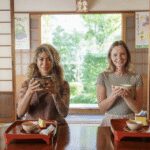
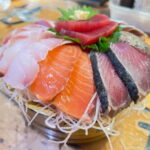
Dinner is traditional Japanese kaiseki-style food. You’ll have seasonal ingredients and fresh seafood, served as a multi-course meal. Even if you don’t consider yourself a food nerd, kaiseki is a practical win: you don’t need to search for a restaurant, and you’ll get a full cultural evening without awkward planning.
One thing to note for your comfort: bring a change of clothes (the tour explicitly asks for this), and plan for warm clothing. Fuji and Hakone weather can shift quickly, and you’ll likely step in and out of cooler air near viewpoints.
You can also read our reviews of more tours and experiences in Tokyo

Day 2: Lake Ashi boat ride and Togendai Port views
Day 2 starts with a traditional Japanese breakfast at the ryokan—fresh fish, rice, pickles, and miso soup. It’s the kind of meal that makes sense before a full sightseeing day: not heavy, not weird for people who like familiar flavors.
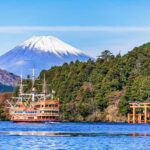
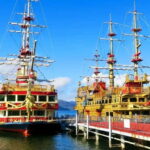
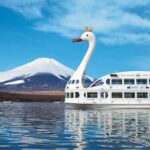
Then you get the Lake Ashi boat ride. The boat departs at 9:30 AM and the trip is about 45 minutes, ending at Togendai Port. This is one of those transportation moments that’s actually sightseeing. On the water, you often get clean, open views of the hills and sky in a way you don’t get from land.
If you care about morning light and fewer crowds, the timing is helpful. The tradeoff is that you’ll want to be ready to move early.
Owakudani volcanic valley: steam, sulfur vents, and the black eggs moment
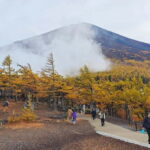
From Togendai Port, you head to Owakudani Valley, Hakone’s volcanic engine. You get photo time, a visit, free time, and shopping options. The standout here is the sulfur vent area and the “volcanic valley” feel—real heat, real geology, and a dramatic sense of place.
You’ll also be in the right area to see the famous black eggs boiled in sulfuric hot springs. The tour doesn’t force you to buy or eat anything, but the setting is why this stop is famous. If you’re the type who likes learning by seeing, Owakudani gives you that “science you can smell” experience.
The drawback is also obvious: it can be busy and it can be windy. Dress in warm layers, and wear shoes that handle uneven ground and crowds.
Odawara Castle for samurai-era context and a viewpoint payoff
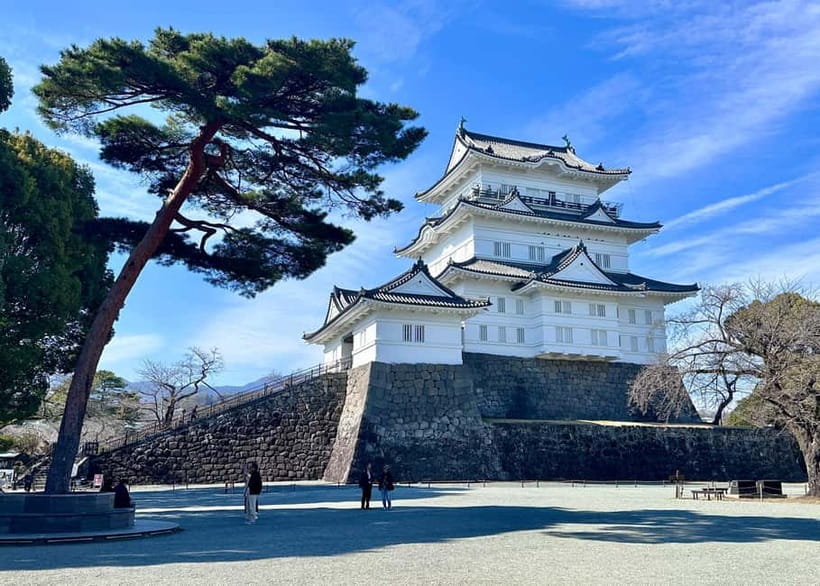
After volcanic steam, the itinerary shifts to history at Odawara Castle. You get a photo stop and time to visit and sightsee with a self-guided walk (about 45 minutes). The castle grounds and museum give you insight into samurai history, plus gardens and panoramic views from higher points.
This is a good “mental reset” after Owakudani. You go from sulfur and crowds to a more open layout where walking feels more like wandering than negotiating.
If you’re in a big rush to see everything, 45 minutes can feel tight. But this stop is structured enough that you should still get the gist, take photos, and climb to the viewpoint without sprinting.
Kamakura Daibutsu: the icon that anchors the day
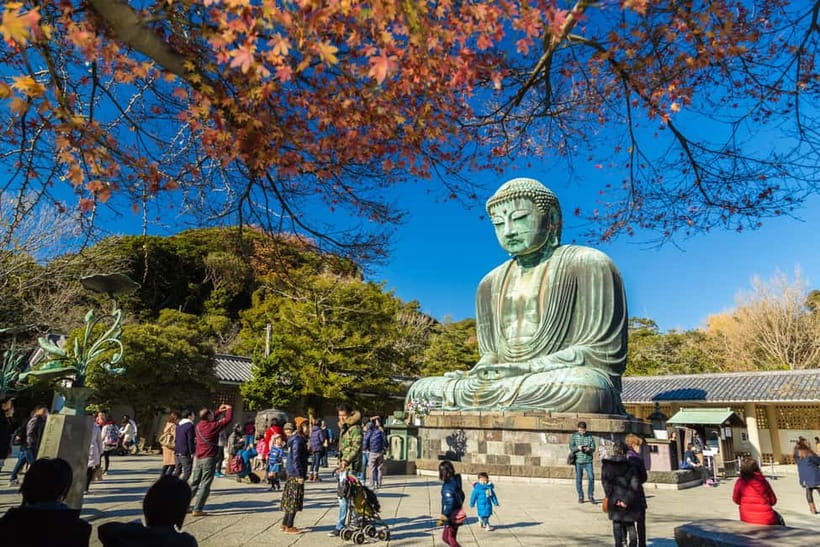
Next is Kamakura, capped by Kamakura Daibutsu (Great Buddha). You’ll have time for photo stop, visiting, and sightseeing for about 30 minutes. The Daibutsu is over 13 meters tall, and it’s one of Japan’s most recognizable temple-statue experiences.
This works because it’s not only a photo. You get that “scale in person” effect. It’s hard to replicate that feeling from a screen. Even if you’re not a temple person, this one has the kind of presence that makes it worth your time.
Yokohama Chinatown: optional energy for people who like variety
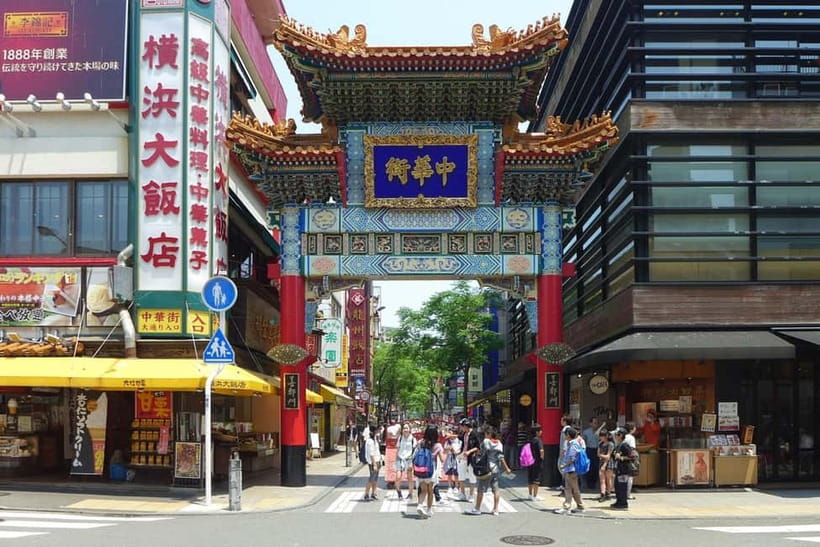
If time allows, there’s a quick stop at Yokohama Chinatown, described as one of the largest and most vibrant Chinatowns in the world. You get a photo stop, visit, shopping, and sightseeing/walk time (about 30 minutes).
I like adding this as a contrast. After Fuji, Hakone, castles, and Buddha statues, it’s nice to shift to food stalls and street energy. Just remember: because it’s conditional on time, you shouldn’t plan your whole evening around it.
What you’re paying for at $838 per person (and why it can feel worth it)
At $838 per person for two days, you’re not just buying a bus ticket to scenic stops. You’re paying for:
- Private transportation in a Toyota Alphard or Hiace
- Hotel pickup and drop-off within Tokyo’s 23 wards
- Entrance fees to the listed sites (about 10 hours per day)
- Hōtōu lunch (Yamanashi noodle dish) on Day 1
- Ryokan stay with an onsen experience
- Kaiseki-style dinner and traditional breakfast
- Lake Ashi boat ride
That list is the real value story. In Japan, entrance fees add up, and food can easily become a “find something open” problem after long days. This tour reduces those friction points.
Still, think about your situation. If you’re traveling alone or with just two people, the private-vehicle cost can feel heavy. If you’re with a small group, the comfort and scheduling benefits can outweigh the price more easily.
Also consider weather risk. When Fuji is hidden, your joy depends on how much you value the onsen, history stops, shrines, and volcanic scenery—not just the perfect Fuji photo.
Who this tour fits best (and who might want a different plan)
You’ll likely love this if:
- You want maximum sightseeing with less stress, especially for two days that include an overnight stay
- You care about Fuji from multiple viewpoints (not just one)
- You want an onsen ryokan night with dinner and breakfast handled
- You prefer a private driver who can answer questions and adjust timing
You might want to think twice if:
- You get grumpy about walking even short distances at shrines and spring areas
- You’re extremely sensitive to weather changes (Fuji visibility can vary)
- You don’t care about onsen or a ryokan dinner and would rather book independently
Should you book this Mt. Fuji, Hakone, and Kamakura private tour?
I’d book it if your priority is a structured, comfortable two-day plan that still feels authentically Japanese. The biggest win is the mix: Fuji viewpoints, Hakone’s volcanic energy, and then a proper ryokan onsen night with a kaiseki-style dinner. That’s the kind of experience that’s hard to stitch together neatly on your own.
Before you hit reserve, ask yourself one question: do you want a hand-held schedule with private transport and meals handled? If yes, this is a strong match. If no, and you’re the type who enjoys building your own routes, you might prefer a DIY approach.
If you do book, pack warm layers, good walking shoes, and a change of clothes. Then treat Fuji visibility as a bonus, not the whole point. The rest of the day is built to keep you busy—and that’s what makes this tour feel like money well spent.
FAQ
Where does the tour start and end?
The tour includes pickup from a hotel or location in Tokyo 23 wards, and you’re dropped off back at your hotel in Ginza or another central Tokyo location.
What transportation do we use?
You travel in a private Toyota Alphard or Hiace with your driver.
What languages does the driver speak?
The driver speaks English and Chinese.
What are the included meals?
Lunch on Day 1 is hōtōu. You’ll have a traditional Japanese dinner at the ryokan and a traditional Japanese breakfast on Day 2. Lunch on the second day is not included.
Is the Lake Ashi ride included, and how long is it?
Yes. The Lake Ashi boat ride is included and takes about 45 minutes, departing at 9:30 AM and ending at Togendai Port.
Which sights are included on the two days?
Key stops include Lake Kawaguchi (Oishi Park), Arakura Sengen Shrine, Kitakuchi-hongu Fuji Sengen Shrine, Ushino Hakkai, Oshino Hakkai, onsen ryokan stay, Lake Ashi cruise, Owakudani Valley, Odawara Castle, Kamakura Daibutsu, and an optional Yokohama Chinatown stop if time allows.
What’s the ryokan experience like?
You stay overnight at a traditional Japanese ryokan in Hakone and enjoy an onsen experience for a few hours.
What should I bring?
Bring a passport or ID card, warm clothing, and a change of clothes. Comfortable walking shoes are also recommended.
Does the tour run in bad weather?
It runs rain or shine except in extreme conditions. The itinerary may be adjusted based on weather conditions, especially Mt. Fuji visibility, or traffic.
Is the tour private and can it be customized?
Yes, it’s a private group tour. Customization is possible upon request, including pickup location, sightseeing stops, or meal arrangements.