REVIEW · TOKYO
From Tokyo: Mount Fuji Private Day Tour With English Guide
Book on GetYourGuide →Operated by Japan Winter Tours · Bookable on GetYourGuide
Fuji is a lot easier with your own driver. This private Mount Fuji day tour is built for small groups, with air-conditioned private transportation and an English-speaking guide who shapes the schedule around your preferences.
I really like two things right away: first, you get genuine itinerary flexibility instead of a fixed bus route, and second, the day still covers big, iconic sights like Mount Fuji’s 5th Station and the Fuji Five Lakes area.
One thing to consider: the schedule is long (about 10 hours), and in winter the weather can affect what you actually see—so build in a little patience for cloud cover and plan for extra time on foot and at viewpoints.
In This Review
- The biggest “why this works” moments
- A private Mount Fuji day from Tokyo: what makes it feel worth it
- Route options: Fuji Five Lakes plus Hakone in one long day
- Mount Fuji 5th Station: iconic views and one extra cost to plan for
- Lake Kawaguchiko and Oshino Hakkai: the “calm” stops that make the day breathe
- Chureito Pagoda and Lake Yamanaka: viewpoints that reward timing
- Saiko Iyashi-no-Sato Nenba: optional traditional village atmosphere
- Hakone ropeway and Owakudani Valley: when you want volcanic drama
- Gotemba Premium Outlets: the shopping break that still fits a sightseeing day
- Guides and drivers: the human difference (Zulq(ar), Ali, Adi, Malik, Sunny, Afi)
- Price and logistics: is $363 per group good value?
- What to bring (and what to skip) for a comfortable Fuji day
- Winter timing advice: how to get the best Mt. Fuji day possible
- Should you book this private Mount Fuji day tour?
- FAQ
- How long is the Mount Fuji private day tour from Tokyo?
- What’s included in the tour price?
- What isn’t included (and what should I budget for)?
- Where does pickup happen in Tokyo?
- What should I bring?
- Who is this tour not suitable for?
The biggest “why this works” moments
- Custom itinerary planning: you choose the order and can swap stops based on your priorities and the weather
- Private, comfortable transport: pickup and hotel drop-off in Tokyo’s 23 wards, plus Wi-Fi in the car
- Fuji + Fuji Five Lakes icons: Mount Fuji 5th Station, Lake Kawaguchiko, Oshino Hakkai, and photo-famous viewpoints
- Hakone options if you want volcanic scenery: the day can add ropeway + Owakudani Valley viewpoints and Lake Ashi cruising
- Guides who actively help: guides such as Zulq(ar), Ali, Adi, Malik, Sunny, and Afi are repeatedly praised for flexibility and making photo time count
A private Mount Fuji day from Tokyo: what makes it feel worth it
A Mount Fuji day trip can go one of two ways: either it feels like a checklist, or it feels like you’re actually there. This tour aims for the second option. You start with pickup from your hotel (or a location of choice within Tokyo’s 23 wards) and then you’re in a private vehicle for the whole day. That means fewer waits, fewer herding moments, and more time spent where you want it.
The driver is also your English-speaking guide, so you’re not just getting a taxi that drops you at “somewhere near Fuji.” The experience is built around helpful guidance: where to stand for photos, how to manage the day if the weather changes, and how to keep moving without feeling rushed.
And because your group is capped at up to 6 people, the vibe tends to feel friendly and practical. You can ask questions, ask for a slightly different route, or adjust time at each stop without getting told you missed the one and only group departure.
You can also read our reviews of more guided tours in Tokyo

Route options: Fuji Five Lakes plus Hakone in one long day
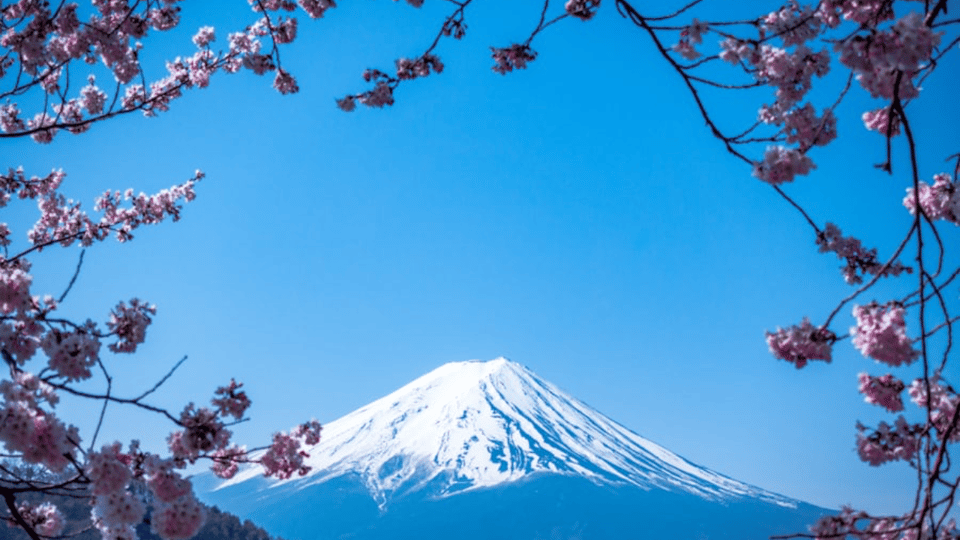
The core of this tour is the Fuji Five Lakes region. In a typical day, you’ll see a mix of:
- a higher-altitude Fuji viewpoint (Mount Fuji 5th Station),
- a lake with big Fuji views (Lake Kawaguchiko),
- traditional ponds and old village-style streets (Oshino Hakkai),
- and at least one of the classic viewpoint spots (like Chureito Pagoda).
Then, you can extend the day toward Hakone—because Hakone is a different kind of “wow.” Instead of lakes and shrine views, you get volcanic activity areas and scenic transport by ropeway and cruise-style viewpoints.
The tour length is about 10 hours, so the balance matters. You’ll likely choose between “more stops” and “more time at a few stops,” and that’s where the private part helps. If winter weather is changing fast, having a driver who can shift the plan is the difference between a frustrating day and a memorable one.
Mount Fuji 5th Station: iconic views and one extra cost to plan for
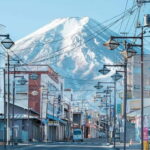
Mount Fuji 5th Station is the big name stop for many visitors. It’s higher than the lake-town viewpoints, so the perspective changes. You can expect panoramic looks over valleys and peaks, plus some of the best chances for photos that feel like you’re actually near the mountain.
Here’s the practical part: Mount Fuji 5th Station is not included in the tour price and costs 2100 yen (tickets are extra). So if you’re budgeting, remember this is one of the activities you’ll pay on top of the tour.
Also, pack for walking. Even if you’re not doing anything intense, you’ll spend time standing, moving between viewpoints, and dealing with cold air (especially in winter). Bring your camera, and have it ready instead of digging for it every time the clouds shift.
Lake Kawaguchiko and Oshino Hakkai: the “calm” stops that make the day breathe
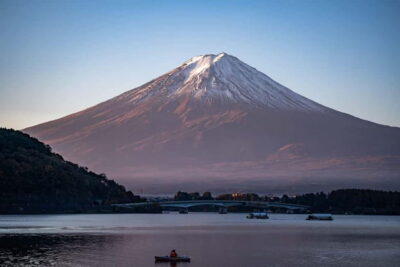
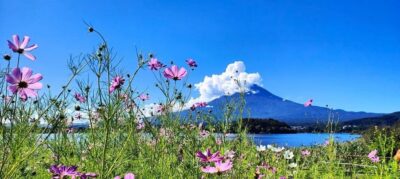
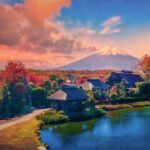
After the big climb-in-feel of 5th Station, the day often slows down with Lake Kawaguchiko. This stop is all about that classic Fuji-lake composition. You’ll have time to stroll along the shores while Mount Fuji sits in the background. It’s a good contrast after crowds and windier higher points—more relaxed, more “look around” time.
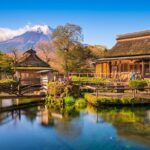
Next is Oshino Hakkai, a village-known-for ponds formed from Mount Fuji’s water systems. What makes it special is the texture: clear water, traditional homes, and small streets that feel like old Japan rather than a theme park. This is also a good place to take photos that aren’t just “Fuji in the frame.” The ponds and houses give your pictures a story.
If you’re traveling with kids or you want a day that doesn’t feel like constant steep walking, these two stops can do a lot of emotional work. They reset the pace and give you a calmer rhythm.
Chureito Pagoda and Lake Yamanaka: viewpoints that reward timing
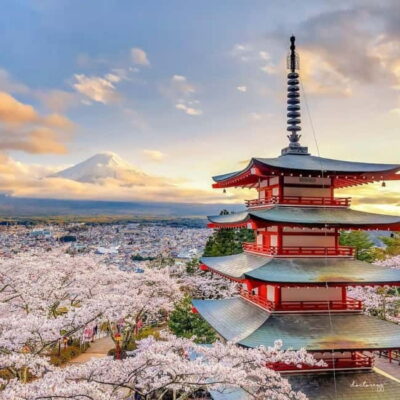
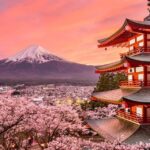
One of the most photographed scenes in the Fuji area is Chureito Pagoda. The famous look is often described as a five-storied pagoda with Mount Fuji framed behind it, and in spring it’s especially known for cherry blossoms. Even outside peak blossom season, the spot is still about composition and viewpoint—so it’s worth treating like a photo appointment, not a quick stop.
Lake Yamanaka is another good “breathing” stop. It’s picturesque and peaceful, and it can help you recharge before you move toward longer driving segments or optional add-ons.
A smart approach: don’t plan to rush through the viewpoints. In winter especially, the light and cloud cover can change quickly. If you stay a bit longer at the best angles (instead of sprinting to the next place), you usually get better results.
You can also read our reviews of more private tours in Tokyo

Saiko Iyashi-no-Sato Nenba: optional traditional village atmosphere
If you’re the type who likes “slow culture” stops, the tour’s optional stop at Saiko Iyashi-no-Sato Nenba is a great fit. It’s a reconstructed traditional village with thatched-roof houses, which makes it a strong option for history and village-style sightseeing.
This stop works well when:
- you want something calmer than pure viewpoint hunting,
- your group enjoys walking at an easy pace,
- or you want a cultural contrast after lakes and pagodas.
Because it’s optional, you can keep it if timing is good or skip it if weather forces you to prioritize the mountain and lake views.
Hakone ropeway and Owakudani Valley: when you want volcanic drama
If you add Hakone, expect a big change in scenery. The day can include a ropeway experience with views over Owakudani Valley and the volcanic landscape below. It’s the kind of place that feels like another planet compared to the Fuji Five Lakes calm.
The tour also mentions access to Hakone-area icons like:
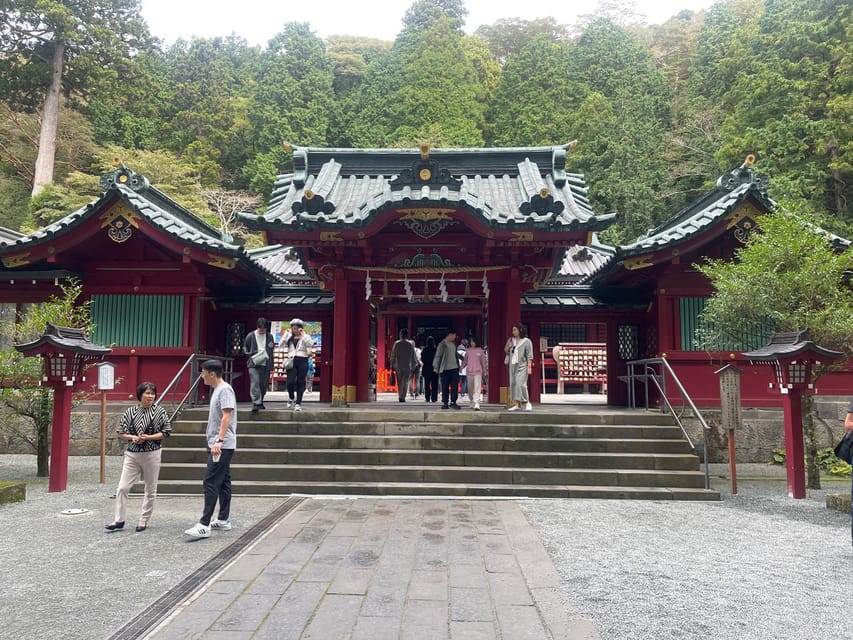
- Kitaguchi-hong Fuji Sengen Shrine for history and spiritual atmosphere,
- Hakone Open-Air Museum (outdoor art in a park-like setting),
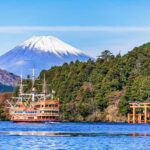
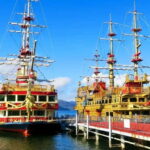
- and Lake Ashi, with the option of a sightseeing cruise.
This part of the day is about variety. Instead of chasing one single “Fuji moment,” you’re stacking different types of views: shrine perspectives, museum grounds, and volcanic valley drama.
One practical note: ropeway and cruise-style activities usually mean extra tickets. The tour explicitly notes that tickets for activities like the ropeway are not included, so plan to pay those separately.
Gotemba Premium Outlets: the shopping break that still fits a sightseeing day
Gotemba Premium Outlets can sound like a distraction, but it can also be a smart pressure-release valve on a long day. The tour includes time for it, which means you can grab snacks, souvenirs, or practical clothing if you brought the wrong layer for winter.
The trick is to treat it like a timed break. If you let shopping swallow your daylight, you risk cutting into time at the views. Since the whole tour is customizable, you can keep this portion shorter if photography matters more to you.
Guides and drivers: the human difference (Zulq(ar), Ali, Adi, Malik, Sunny, Afi)
The tour’s best moments often come down to the guide. In the feedback you provided, names show up again and again for doing more than showing up on time.
- Zulq(ar) is highlighted for being patient with a family traveling with small children and for staying flexible with needs.
- Ali is praised for customizing the route around interests and weather, which is exactly what you want when visibility changes fast.
- Adi/Malik are described as giving clear options to maximize time and helping keep the day on track, including recommending how to get back earlier when it makes sense.
- Sunny is noted for friendliness and clear communication, plus providing on-the-ground help that keeps things easy.
- Afi stands out for adjusting the day around winter conditions and helping with photo moments—so the day isn’t just logistics, it’s also memories.
In plain terms: you’re paying for a driver who can manage real-world details (timing, routes, and pacing), not just for a vehicle.
And yes, a clean car helps. A few of the experiences mention a clean, tidy vehicle, which matters when you’ve got a long drive ahead.
Price and logistics: is $363 per group good value?
The price listed is $363 per group up to 6. That’s per group, not per person, which is how these tours stay sensible for families or small friend groups.
What you’re getting for that price:
- private transportation,
- an English-speaking driver (who also guides),
- Wi-Fi,
- an air-conditioned vehicle,
- and hotel pickup and drop-off.
What costs extra:
- tickets for activities (like ropeways and similar),
- Mount Fuji 5th Station (2100 yen),
- and lunch.
So the value question comes down to how you travel. If you were to mix taxis, separate guides, and individual transport, the total usually grows fast—especially for a long day that needs coordination. Here, the biggest value is that you’re paying once for a private setup and then letting your guide handle the order and timing.
Two logistics tips that can save headaches:
- Pickup is within Tokyo’s 23 wards, and outside those wards there’s an extra charge that depends on area (stated as 5000 yen to 20000 yen).
- Be ready in the lobby about 10 minutes early, because drivers don’t wait more than 60 minutes after the scheduled pickup time.
What to bring (and what to skip) for a comfortable Fuji day
This tour gives you an easy in-car experience, but you still need to be ready for walking and temperature shifts. I recommend:
- Camera (you’ll want it at multiple viewpoints),
- Credit card (useful for paid stops and shops),
- Cash (handy for smaller ticket moments like the Fuji 5th Station cost).
What the tour says is not allowed:
- bikes,
- backpacks,
- alcohol and drugs.
If you bring a bulky bag, plan for how it fits in the vehicle and how you’ll handle it at stops. The “no backpacks” rule is the one that often surprises people, so check that before you pack.
Winter timing advice: how to get the best Mt. Fuji day possible
You’re going to Japan in winter, and the plan can still work beautifully—but it’s smart to expect “conditions first” instead of “views guaranteed.”
Your best strategy is to treat the day like a weather-driven photo schedule:
- Prioritize the higher and more “icon” stops first if conditions look promising.
- If clouds roll in, don’t panic—stay flexible, ask the guide for the best angles, and use the lake/village viewpoints to keep the day moving.
- If you’re lucky, you might catch Fuji when clouds thin out. In the experiences you shared, even cloudy days sometimes still produce a Fuji sighting, which is all the more reason to stay patient at viewpoints.
Also, because it’s about 10 hours, plan for comfort:
- wear layers,
- keep water/snacks in mind for the gaps between stops (lunch isn’t included),
- and be ready for cold hands when you’re shooting photos.
Should you book this private Mount Fuji day tour?
Book it if you want:
- a private day that moves at your pace,
- a guide who can adjust the order based on weather and your interests,
- and a full “best of Fuji + optional Hakone” route without the stress of coordinating everything yourself.
Skip it (or reconsider) if you:
- hate long days of driving,
- are not comfortable paying for extra tickets at stops,
- or need a trip that’s easier on mobility (the tour notes it’s not suitable for pregnant women, and it lists age limits: not suitable for people over 95, and also not suitable for people over 70).
If your goal is a memorable, well-managed Fuji day—one where you spend time seeing, not just waiting—this is the kind of setup that makes the mountain feel close.
FAQ
How long is the Mount Fuji private day tour from Tokyo?
The tour lasts approximately 10 hours. You can explore the iconic spots listed and the day is customizable based on your preferences.
What’s included in the tour price?
Included are private transportation, an English-speaking driver, Wi-Fi, an air-conditioned vehicle, and hotel pickup and drop-off.
What isn’t included (and what should I budget for)?
You’ll pay for tickets for activities like ropeways, and Mount Fuji 5th station costs 2100 yen. Lunch is not included.
Where does pickup happen in Tokyo?
Pickup is available from your hotel or a chosen location within Tokyo’s 23 wards. If your pickup location is outside those wards, there is an extra charge that depends on the area (listed as 5000 yen to 20000 yen).
What should I bring?
Bring a camera, credit card, and cash.
Who is this tour not suitable for?
It is not suitable for pregnant women and also lists age limitations: not suitable for people over 95, and not suitable for people over 70.