REVIEW · TOKYO
Tokyo: Daikoku Car Night & Meet JDM Experience
Book on GetYourGuide →Operated by TREKTIDE TRAVELS · Bookable on GetYourGuide
Tokyo turns loud after sunset. This Daikoku Car Night and Meet experience pairs a real-night C1 and Wangan highway run with car-spotting stops that feel like stepping into the source of Japanese tuning. I love the guided car-culture talk that gives you context beyond shiny paint, and I love the generous time at the parking-area meet so you can actually look, photograph, and ask questions. One watch-out: it is only 4 hours, and food and drinks are not included, so plan to eat beforehand.
I also like that the tour is handled by an English-speaking driver and built around hotel pickup and drop-off in Tokyo’s 23 wards, which makes it feel low-stress even if you are not hunting meets on your own. The big downside is that your exact car mix and how busy it feels depends on the night, so you might have a quieter lineup than on a peak Saturday.
In This Review
- Key things I’d center in my planning
- Why a Tokyo JDM highway night beats a museum stop
- Hotel pickup and the rhythm of a 4-hour C1 and Wangan night
- Daikoku Parking Area and Tatsumi: where JDM spotting turns into a conversation
- Photo tip that actually helps
- Rainbow Bridge pass-by: waterfront Tokyo at expressway speed
- Break time at shopping and photo stops: plan for real recovery
- Tokyo Tower at night: skyline photos with a car-scene aftertaste
- The driving and the conversation: what makes the guides so worth it
- Guide styles I’d expect from this tour
- Car spotting tips for the C1 and Wangan run
- Price and logistics: does $112 feel fair?
- Practical notes so you enjoy every minute
- Who this Tokyo Daikoku night is best for
- Should you book this Daikoku Car Night & Meet JDM experience?
- FAQ
- How long is the Daikoku Car Night & Meet JDM experience?
- How much does the tour cost?
- What is included in the price?
- What is not included?
- Do I get hotel pickup in Tokyo?
- Which highways does the tour drive on?
- Where does the tour stop for photos and sightseeing?
- What language is the guide?
- Is it wheelchair accessible, and who should avoid it?
- Can I cancel for a full refund?
Key things I’d center in my planning
- Daikoku and Tatsumi parking areas for the kind of JDM-car watching you cannot replicate from a sidewalk
- C1 and Wangan highway driving for night views that come with real speed
- Long photo time at the meets so you are not rushing every 5 minutes
- English guide car-culture context with discussion beyond cars, including how Tokyo expressways work
- Tokyo Tower stop for a classic Tokyo skyline moment between car stops
Why a Tokyo JDM highway night beats a museum stop
A museum shows you what cars were. This is about what cars are, right now, in the streets and parking-lot culture that grew around Japan’s tuning scene. The night setting matters: Tokyo at night has contrast, neon, and long lines of headlights that make even a simple drive feel like part of the show.
You are also not just watching cars. You are getting the storyline behind them, including how the Japanese car industry and current car scene are evolving. Guides on this tour have a habit of keeping the conversation going, and several tours I saw were all about talking cars and daily driving with someone who actually follows the scene.
The result is that you leave with pictures and stories, not just photos of modifications you cannot place in context.
You can also read our reviews of more evening experiences in Tokyo
Hotel pickup and the rhythm of a 4-hour C1 and Wangan night
This tour runs about 4 hours and is built for efficiency. You start with pickup in Tokyo’s 23 wards, then you spend the bulk of the time at the car-meet hotspots, with quick view stops that keep you moving.
That pacing is the trade-off. You get plenty of car time at the main parking-area stop (about 1.5 hours), but you should not expect long, slow wandering around Tokyo neighborhoods. If you like a relaxed itinerary, eat first, charge your phone, and use the breaks for real rest.
Pickup is included, and it covers many central wards such as Chuo, Chiyoda, Minato, Shibuya, Shinjuku, and more. If you are staying outside the 23 wards, extra charges apply and can range from 5,000 yen to 20,000 yen depending on area.
Daikoku Parking Area and Tatsumi: where JDM spotting turns into a conversation
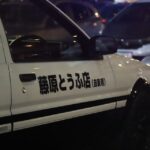
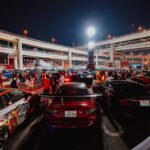
Daikoku is the name that pulls car people from around the world. Here, the focus is not just browsing. You get time to walk the lanes, photograph cars up close, and take in the mix of styles that tuning fans love.
On this experience, the Daikoku stop includes photo time and sightseeing with about 1.5 hours to explore. That time window is important. Parking areas can look chaotic at first, and you need a little room to figure out what is worth your lens and what you want to ask about.
From there, the theme continues with stops tied to the Tatsumi area and the Koto side of the scene, with entry included for the Koto area and for the Daikoku parking lot. Translation: you are not stuck doing a drive-by from the outside. You are in the zone where people actually gather.
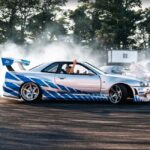
What you will see depends on the night, but the pattern is consistent: cars from classic to absolutely wild, and a lineup that feels eclectic rather than one-style-only. Several groups noted the Saturday-night energy, with plenty of cars to look at and enough activity to keep it interesting even if you already know a lot about tuning.
Photo tip that actually helps
Bring a camera you can handle one-handed and a power bank. You will move between cars and angles quickly, especially if the meet is busy. Comfortable shoes matter too because parking-lot walking adds up faster than you expect.
Rainbow Bridge pass-by: waterfront Tokyo at expressway speed
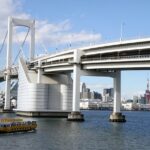
Between the meet stops, you get a quick pass by Rainbow Bridge for night views. This is not a long stop, about 10 minutes, so treat it like a photo-and-spot-check moment.
The value here is the contrast: you shift from the low, tight world of cars at a parking area to the wide, high view of Tokyo’s skyline. Seeing the bridge area from the expressway corridor gives you a sense of how the city is built around its road network.
Also, the views are part of the “why” behind driving C1 and Wangan at night. Even if you never chase speed yourself, the highways show you Tokyo’s scale and rhythm in a way that surface streets do not.
Break time at shopping and photo stops: plan for real recovery
Midway through, there is a break that includes free time plus a photo stop and shopping, around 30 minutes. This is where you catch your breath, grab something you forgot, and reset before the final skyline stop.
Because food and drinks are not included, this break can quietly become one of the most important pieces of the entire schedule. If you eat light earlier, you will feel this more. If you eat well before pickup, this becomes a nice chance to buy snacks, water, or small souvenirs without turning the evening into a hunger problem.
Quick practical note: if you want souvenirs, keep an eye on your time. You get 30 minutes, so you do not want to turn this into a 90-minute shopping detour.
Tokyo Tower at night: skyline photos with a car-scene aftertaste
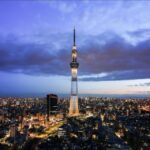
The final major sightseeing moment is Tokyo Tower, with about 30 minutes for break time, photo stop, visits, and free time. Also, Tokyo Tower entry tickets are not included, so you may be doing photos from the outside or paying separately if you want to go up.
Why this stop works for a JDM night: it reminds you that the car scene is happening inside a city with a very iconic visual identity. After the expressway lights and parking-lot car talk, Tokyo Tower is a clean visual anchor. It gives you something to frame in your photos besides headlights and wings.
If you love both classics and modern performance, Tokyo Tower is a satisfying final contrast. You end the night with a Tokyo icon rather than another parking-lot loop.
The driving and the conversation: what makes the guides so worth it
The headline is the highways: the tour is built around driving on C1 and Wangan. Several notes from past participants highlighted the excitement of seeing cars on the highway while cruising with the group.
Just as important, the driving is paired with a human explanation. You are not put on a bus and sent to the window. English-speaking drivers have a habit of chatting throughout the drive, and some guides were described as ensuring the group felt safe and comfortable during the drive.
You also get industry and scene context. The tour emphasizes the history and current state of the Japanese car industry, and the conversation can include practical details like how Tokyo’s highways are maintained. That kind of talk is a big value add because it helps you understand what you are seeing, not just stare at it.
Guide styles I’d expect from this tour
English is consistent on this experience, and guide personalities can vary. Some guides were described as super friendly and talkative; others were quieter but still responsive when asked. Either way, you should come with at least a couple questions ready if you want to maximize the storytelling.
Names mentioned in past tours include Shaon, Michael, Ali, Yoshi, and David. Whoever you get, the goal stays the same: turn the ride into a real JDM night out, not just transportation between parking spots.
Car spotting tips for the C1 and Wangan run
This is not a showroom where everything is neatly labeled. Tokyo meets have texture. Cars arrive, roll through lanes, and show off details as people move. You will get more out of the night if you look for patterns, not just specific brands.
Here are a few things to focus on while you are spotting:
- Wheel and stance choices: they usually tell you the style goal faster than paint alone
- Exhaust sound and setup: even if you cannot identify every model, you will notice how different cars aim for different tones
- How cars are presented: some owners are focused on daily drivability, others on pure show impact
On the highway portion, watch for how the group convoy feels. Several past experiences mentioned convoy-style vibes and even some light drag racing depending on the night. You should not plan around racing, but it is possible you catch a burst of extra excitement when the meet energy spikes.
Price and logistics: does $112 feel fair?
At $112 per person for about 4 hours, this tour is not a cheap “walk around and look” activity. You are paying for a few real things: hotel pickup and drop-off, an English-speaking driver/guide, included entry for the Koto area and Daikoku parking lot, and access to the highway night driving experience on C1 and Wangan.
That makes it good value if:
- You want the meet access and guidance, not just trying to find the spots yourself
- You care about understanding the Japanese tuning scene, not only photographing it
- You want Tokyo Tower photos at the end without planning transport across the city at night
It is less ideal if:
- You are mainly interested in the cheapest way to see cars and do not care about context
- You are hoping food is included (it is not)
- You plan to spend a lot of time paying for Tokyo Tower entry tickets (those tickets are not included)
In other words: you are buying access, time, and conversation, not a formal museum ticket.
Practical notes so you enjoy every minute
A few things that make a real difference on the ground:
- Wear comfortable shoes. The meet area walking adds up.
- Bring a camera for photos. The night lighting and car details are a big part of why you came.
- Check weather conditions before departure. The experience happens at night and includes walking.
On the communication side, you should add Trektide Travels on WhatsApp to ensure smooth communication with your driver/guide before pickup. Plan to wait in the hotel lobby 10 minutes before your scheduled pickup time. Drivers will wait no longer than 60 minutes after the scheduled pickup time, and traffic can cause delays on Tokyo highways.
Also, pickup is not offered from airports or ports. If you are arriving by air, you will need to arrange transport to your Tokyo pickup location.
Wheelchair accessibility is listed, and the experience is not suitable for people over 95 years.
Who this Tokyo Daikoku night is best for
This tour fits best if you are a car person, even if you are not a full-on gearhead. If you love cars and want to understand how the Japanese car scene works, the combination of highway driving plus meet-time access is the point.
It also works well for visitors who want to do something genuinely Tokyo at night, without betting on your own navigation skills. You get the city visuals (Rainbow Bridge, Tokyo Tower) and you get the car-culture core (Daikoku and the Koto/Tatsumi area).
If you are traveling with friends who are mixed on car culture, this can still work because Tokyo at night is visually strong even when you are not identifying every model.
Should you book this Daikoku Car Night & Meet JDM experience?
Yes, if you want a structured way to see Tokyo’s JDM culture where it actually gathers, and you care about more than just photos. The highlights line up well: Daikoku and Tatsumi access, C1 and Wangan night driving, and guided English conversation from drivers with deep industry passion.
Skip it if you need a very relaxed day/night, if you do not want to pay extra for Tokyo Tower tickets, or if you are not comfortable with a schedule that focuses on the main stops instead of long sightseeing detours.
If you book, eat beforehand, bring comfortable shoes, and come with a couple questions about what you are seeing. That is when the night turns from cool to memorable.
FAQ
How long is the Daikoku Car Night & Meet JDM experience?
It runs for 4 hours.
How much does the tour cost?
The price is $112 per person.
What is included in the price?
Hotel pickup and drop-off, an English-speaking driver/guide, the JDM tour experience, entry to the Koto area, and entry to the Daikoku parking lot are included.
What is not included?
Food and drinks are not included, and Tokyo Tower entry tickets are not included.
Do I get hotel pickup in Tokyo?
Yes, pickup is included at your hotel or another location of choice within Tokyo’s 23 wards. If you are outside the 23 wards, extra charges apply depending on area.
Which highways does the tour drive on?
The tour is built around driving on the C1 and Wangan highways.
Where does the tour stop for photos and sightseeing?
You visit Daikoku Parking Area, pass by Rainbow Bridge, and have stops including Tokyo Tower, with additional break time and shopping.
What language is the guide?
The driver/guide is English-speaking.
Is it wheelchair accessible, and who should avoid it?
Wheelchair accessibility is listed. It is not suitable for people over 95 years.
Can I cancel for a full refund?
Yes. Free cancellation is available up to 24 hours in advance for a full refund.