REVIEW · TOKYO
Perfect Start for your Japan Trip – Private Tour in Tokyo
Book on GetYourGuide →Operated by Shiny Tours Tokyo · Bookable on GetYourGuide
Tokyo makes sense on foot with a guide. This private 4-hour route pairs the calm of Meiji Jingu with the energy around Shibuya Crossing, so you feel Tokyo’s range fast. I especially liked how the shrine start grounds the day with culture and simple ritual explanations, not just sightseeing. The only real drawback is that it’s a true walking tour, so you’ll want comfortable shoes and a rain backup.
What makes it work is the personal touch: the guide tailors the pace and stories to your interests. I also liked the Harajuku-to-Shinjuku contrast on a single itinerary, from Takeshita Street style-watching to Shinjuku’s late-night neon vibe and photo stops like Tokyu Plaza and Kabukichō Tower. One more consideration: food and drinks are not included, so you’ll pay for any street eats or drinks you want to buy yourself.
In This Review
- Quick hits: what stands out on this Tokyo route
- A smart way to start: Meiji Jingu as your Tokyo reset
- Harajuku’s Takeshita Street and Cat Street: fashion as a local language
- The Shibuya build-up: Miyashita Park coffee before the big crossing
- Shinjuku at night (and why Omoide Yokocho is a good anchor)
- The full itinerary rhythm: what each block gives you
- The value question: is $145 per person worth it?
- What you actually get (and what you should plan to buy)
- Meeting point and how to avoid confusion
- What to bring so the day stays fun
- Who this tour suits best
- Should you book Perfect Start for your Japan Trip?
- FAQ
- How long is this Tokyo private tour?
- Where does the tour start?
- What neighborhoods and areas does it cover?
- What is included in the price?
- Is food included?
- What languages are available for the guide?
- Do I need cash?
- How do I find the meeting point using JR Yamanote Line?
- Is the tour suitable for wheelchair users or mobility impairments?
- What should I bring?
Quick hits: what stands out on this Tokyo route
- Meiji Jingu starts you with culture, not chaos
- Harajuku fashion and Takeshita Street for big people-watching energy
- Shibuya Crossing plus a short breather at Miyashita Park before the crowd
- Shinjuku highlights like Omoide Yokocho and a Godzilla stop
- Photo-focused stops at Tokyu Plaza and Kabukichō Tower
- Tea and snacks included, so you’re not constantly hunting for a break
A smart way to start: Meiji Jingu as your Tokyo reset
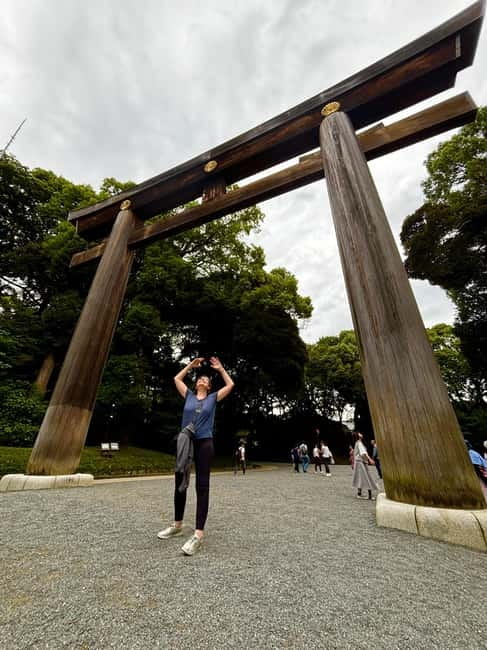
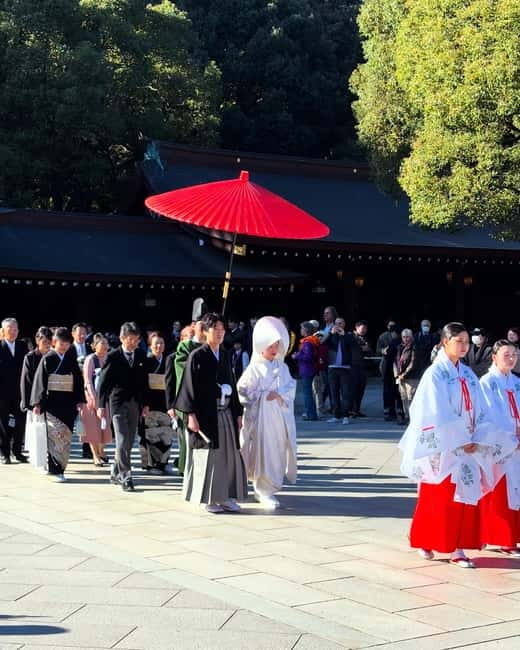
Most Tokyo tours jump straight into neighborhoods. This one starts at Meiji Jingu Ichino Torii, so your day begins with a different tempo. You walk into the shrine grounds with a guide who explains what you’re seeing and why it matters, including traditional rituals you’ll likely notice but might not understand on your own.
Even if you’ve visited shrines before, Meiji Jingu has a way of changing how you look at the city. Instead of thinking about transit and lines, you’re watching how people behave: the pauses, the respectful pace, the quiet focus. It’s a great way to get your bearings before you head into the fashion streets and neon blocks later.
Practical note: the shrine area is usually calm, but you still need to move between points. Bring water and take your time in the moments that feel meaningful. The guide’s role here is helpful because it turns the space into something you can read.
You can also read our reviews of more private tours in Tokyo
Harajuku’s Takeshita Street and Cat Street: fashion as a local language
After the shrine, the route shifts hard into youth culture with Harajuku. The first big hit is Takeshita Street, a classic shopping strip where you’ll see a mix of streetwear, accessories, and styles that feel like a fashion show without stage lights. You get a guided walk here long enough to actually look—20 minutes on Takeshita Street, then more time building context around what you’re seeing.
Then comes the part I really like: the tour doesn’t treat Harajuku as a single strip. You move from Takeshita Street into a broader street-style “wonderland” vibe and pass by spots like Cat Street. Cat Street is known for its trendier, fashion-forward feel, and even when you’re not shopping, it’s a good place to understand how these scenes overlap.
You also get a picture stop at Tokyu Plaza. That matters more than it sounds. Harajuku crowds move fast, and landmarks blur together after a while. A targeted photo moment helps you remember what neighborhood you were in without spending the whole walk behind your phone.
The Shibuya build-up: Miyashita Park coffee before the big crossing
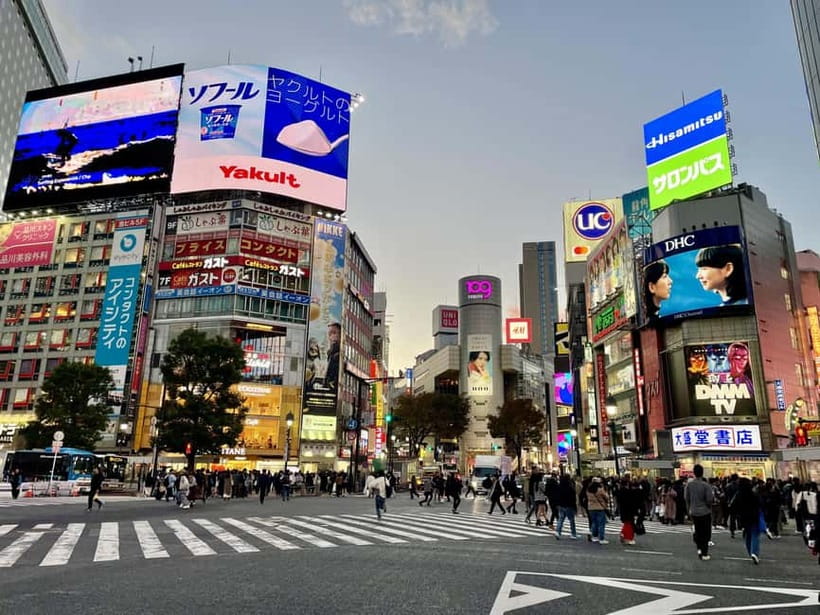
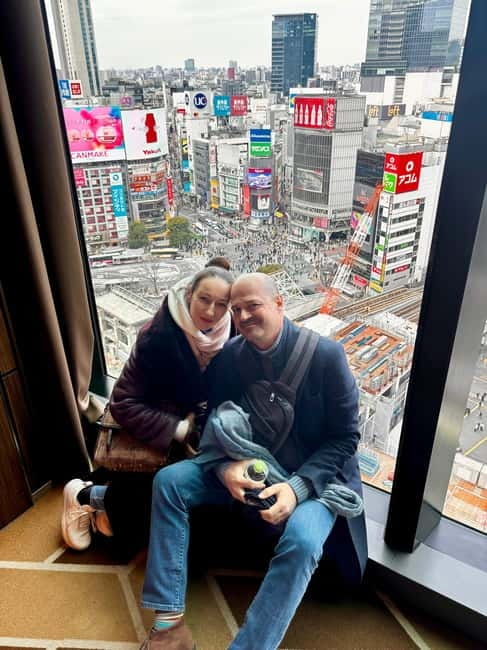
Shibuya is famous for one reason: Shibuya Crossing. But rather than rushing you straight into the crush, the tour includes a short pause at Miyashita Park first. It’s a smart rhythm change—grab a coffee or just soak in the atmosphere from a rooftop setting—then head toward the intersection when you’re ready.
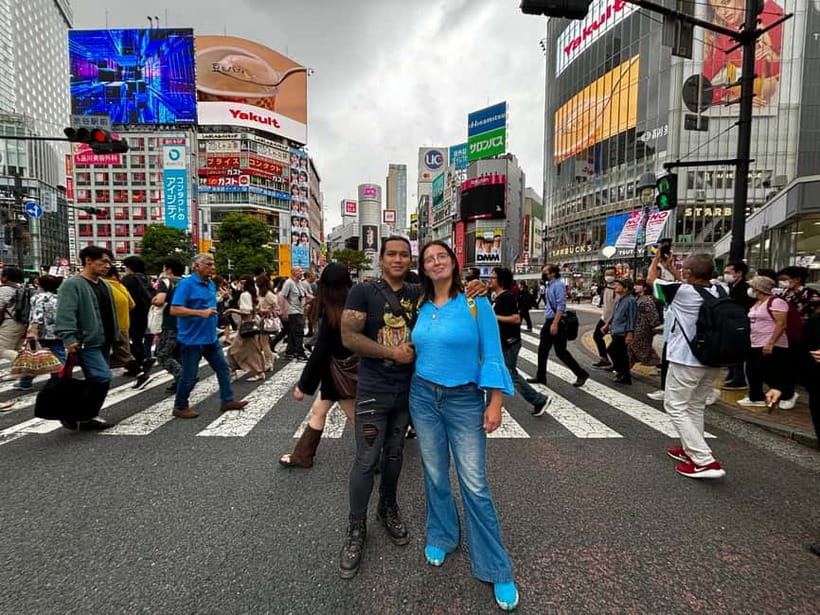
When you finally get to Shibuya Crossing, the guide helps you navigate the chaos with a plan: where to stand, how to cross, and how to time your viewing so you’re not fighting the crowd blindly. The goal here isn’t to “survive” the intersection. It’s to experience how Tokyo moves—how fast people flow and how cleanly the system works, even when it feels chaotic.
If you’re worried about crowds, this is exactly where a private format helps. You’re not stuck with a larger group that moves at one speed. You can focus on the crossing moment without losing the day.
Shinjuku at night (and why Omoide Yokocho is a good anchor)
After Shibuya, you take a short train hop to Shinjuku. Shinjuku can feel like a wall of screens and signage, so the itinerary gives you anchors that keep it from being only visual overload. One is Omoide Yokocho, an older-style food street where the narrow lanes and traditional vibe make you feel the district’s history inside the modern skyline.
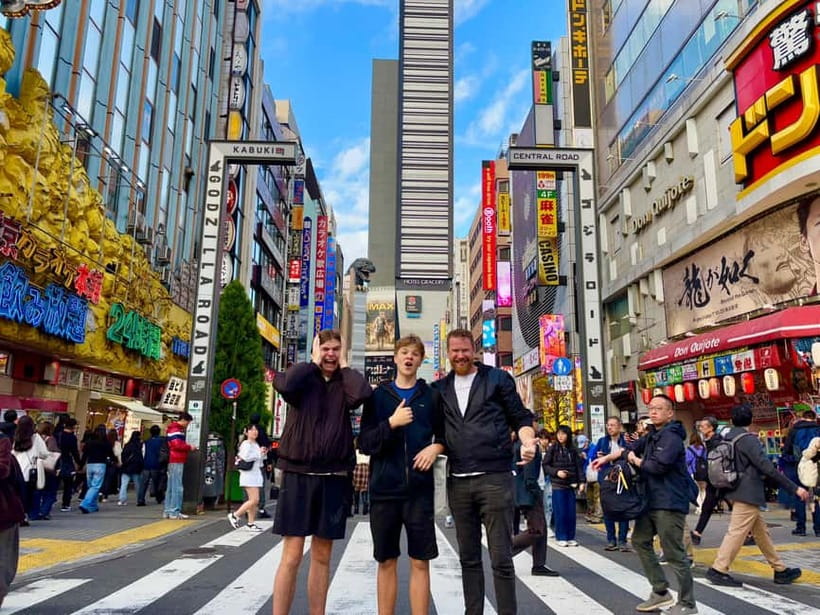
The other anchor is a stop featuring Godzilla. It’s a pop-culture landmark that makes sense in Shinjuku, where Tokyo’s entertainment world is right alongside business towers. Even if you’re not a die-hard fan, it’s a fun visual marker that breaks up the neon-and-skyscraper effect.
Then the tour ends with a final neon viewpoint at Kabukichō Tower, which is a great way to close the loop. You’ve gone from shrine calm to street fashion to a famous intersection to alley nostalgia, and now you get the full nighttime Tokyo collage in one look.
The full itinerary rhythm: what each block gives you
Here’s how the day likely feels as a flow, and what each part accomplishes:
1) Meiji Jingu guided time (about 50 minutes):
You get the culture context up front—how to interpret shrine behavior and what rituals look like in practice. This sets you up to notice details later, even in busy districts.
2) Takeshita Street (about 20 minutes):
A focused taste of Harajuku’s main stage. You’ll have enough time to browse lightly and people-watch seriously.
3) Harajuku street-style time (about 40 minutes):
This is where you move beyond one shopping strip. You get more “why” behind what you see, plus pass-by stops like Tokyu Plaza and Cat Street.
4) Shibuya Crossing time (about 40 minutes):
The intersection isn’t just a photo spot. It’s a system. You’ll be shown how to experience it from a practical angle.
5) Train hop (short ride to Shinjuku):
Transportation keeps your walking distance from becoming punishing. You’re still walking a lot, but you’re not trapped in long stretches between far points.
6) Shinjuku guided time (about 50 minutes):
You hit an old-school alley food street (Omoide Yokocho) and pop-culture signage (Godzilla), then end with neon views at Kabukichō Tower.
7) Another train to Asakusa (about 25 minutes travel):
Yes, the route adds Asakusa after Shinjuku. That extra district shifts the feel again and gives you a classic Tokyo neighborhood vibe to close things out.
8) Asakusa guided visit (about 1 hour):
This last stretch gives you a calmer, more traditional counterpoint after all the neon and youth style in Harajuku and Shinjuku.
One small thing to keep in mind: the plan contains multiple “district identity” changes. That’s a strength if you like variety in a limited amount of time. It can feel intense if you prefer one neighborhood at a slow pace.

The value question: is $145 per person worth it?
At $145 per person for about four hours, you’re paying for three things you usually can’t buy with a self-guided stroll:
1) A private guide who can tailor the pacing and focus. The reviews I read highlighted how guides like Jero make the tour feel customized and easy to enjoy moment by moment.
2) Story context that turns famous places into places you can actually understand. That includes explanations at Meiji Jingu, plus Tokyo culture and subculture insights as you move through Harajuku and Shibuya.
3) Practical help with photos and logistics. You’re getting guided picture opportunities at Tokyu Plaza and later at Kabukichō Tower, plus help navigating the busiest spots.
Is it the cheapest way to cover Tokyo’s headline neighborhoods? No. But it’s a strong value if you’re short on time and you want the “right” route without guessing where to stand, what to notice, or when to take a breather.
Also, you get tea and snacks included (including typical green tea and a typical Japanese snack), which helps the money math. Food and drinks are still on you unless you buy them during free time, but at least you start with small comfort stops.
What you actually get (and what you should plan to buy)
Here’s the balance the tour strikes between included and not-included:
Included:
- A private walking tour covering Harajuku, Shibuya, and Shinjuku
- Culture and subculture insights as you walk
- Opportunities to try street food and local delicacies
- Tea (typical green tea) and snacks (typical Japanese snack)
- Picture opportunities with famous landmarks
- Transportation fee to Shinjuku
Not included:
- Food and drinks overall
- Any shopping purchases or extra drinks you want along the way
So the best approach is simple: treat street food as a menu you can choose from, not a guaranteed meal. The guide can point you toward options, but you’ll use cash if you want to buy.
Meeting point and how to avoid confusion
You meet the guide next to the big entry gate on the left side. If you’re arriving by the JR Yamanote line, use the west exit. That’s the key info you want on your phone while you’re heading there—shrine entrances can look similar if you’re moving quickly.
Plan to arrive a bit early. Shrines and station exits both have their own “walk between points” time. A few minutes can save you stress later.
What to bring so the day stays fun
This tour is practical, but your comfort affects everything. Pack like you’re walking all day, because you are.
Bring:
- Comfortable shoes
- An umbrella (weather changes fast)
- Camera
- Water
- Cash (for street food and shopping)
If you wear anything new, break it in before the day. Harajuku and Shibuya are photo-heavy stops, and you’ll be moving between streets constantly.
Who this tour suits best
This experience is a great match if you:
- Want a fast, high-impact intro to Tokyo’s most famous neighborhoods
- Like a mix of traditional culture, pop-culture stops, and modern street style
- Prefer a guide who can explain what you’re seeing and keep you moving smartly
- Appreciate a route with photo moments built in
It’s not a great fit if you need wheelchair access or have mobility limitations, because it’s listed as not suitable for people with mobility impairments and wheelchair users.
Should you book Perfect Start for your Japan Trip?
If you’re planning your first Tokyo days and want the “greatest hits” without wasting time figuring everything out, I’d book this. The route gives you strong contrasts in one afternoon—Meiji Jingu calm, Harajuku street style, Shibuya’s famous crossing, Shinjuku’s neon-and-alley feel, and then Asakusa to cool the pace.
I’d skip it only if you hate crowds or you don’t handle lots of walking well. Otherwise, this is exactly the kind of guided start that makes Tokyo feel less overwhelming and more like a story you can follow.
FAQ
How long is this Tokyo private tour?
It lasts 4 hours in total.
Where does the tour start?
The meeting point is next to the big entry gate on the left side at Meiji Jingu Ichino Torii.
What neighborhoods and areas does it cover?
The tour focuses on Harajuku, Shibuya, and Shinjuku, and it also includes a visit to Asakusa.
What is included in the price?
The price includes a private walking tour, tea (typical green tea), snacks (a typical Japanese snack), transportation fee to Shinjuku, and picture opportunities with famous landmarks.
Is food included?
Food and drinks are not included, but you’ll have opportunities to try street food and local delicacies. Tea and snacks are included.
What languages are available for the guide?
The live guide is available in English and German.
Do I need cash?
Yes. The tour recommends keeping cash on hand for street food and shopping.
How do I find the meeting point using JR Yamanote Line?
If you’re coming by the JR Yamanote line, take the west exit and look for the guide next to the big entry gate on the left side.
Is the tour suitable for wheelchair users or mobility impairments?
No. It’s listed as not suitable for people with mobility impairments and wheelchair users.
What should I bring?
You should bring comfortable shoes, an umbrella, a camera, water, and cash.