REVIEW · TOKYO
Tokyo: Nikko Trip Toshogu Shrine Kegon Falls & Lake Chuzenji
Book on GetYourGuide →Operated by Hafiz Syed aqib Husain · Bookable on GetYourGuide
Nikkō power in just one day. You get the UNESCO Toshogu Shrine experience first, with its lavish Tokugawa Ieyasu mausoleum, then the day pivots to raw nature at Kegon Falls and calm mountain views around Lake Chūzenji. It is a smart mix of culture and scenery, with an English-speaking guide to help you connect the dots fast.
The main trade-off is simple: this is an 8–9 hour walking day. You’ll want comfortable shoes, and meals and drinks are not included, so plan for lunch timing and carry water.
In This Review
- Key Highlights You Should Not Skip
- Nikkō From Tokyo: Why This Day Trip Feels Worth It
- Toshogu Shrine and the Mausoleum of Tokugawa Ieyasu
- Shinkyo Bridge, Jizo Statues, and the Daiya River Photo Stop
- Lunch Timing and Refueling Without Losing the Day
- Kegon Falls: Getting the Best Views of the 97-Meter Water
- Lake Chūzenji and Mount Nantai: Calm Views After the Mist
- Akechidaira Ropeway Upgrade: When Panoramas Are the Point
- Pace and Walking: How the 8–9 Hours Usually Feels
- Price and Value: Private Transport, English Guide, and Admissions
- Who This Tour Fits Best (and Who Should Skip It)
- Should You Book This Tokyo to Nikkō Day Trip?
- FAQ
- How long is the Tokyo to Nikkō day trip?
- What is the price for this tour?
- Does the tour include lunch?
- Is the Akechidaira Ropeway included?
- What languages are available for the live guide?
- Are there any photography or behavior restrictions?
Key Highlights You Should Not Skip
- Toshogu Shrine’s gold-and-color masterpiece: Tokugawa Ieyasu’s lavish mausoleum with iconic carvings and gates
- Kegon Falls at 97 meters: a top-tier waterfall with an option for close viewing
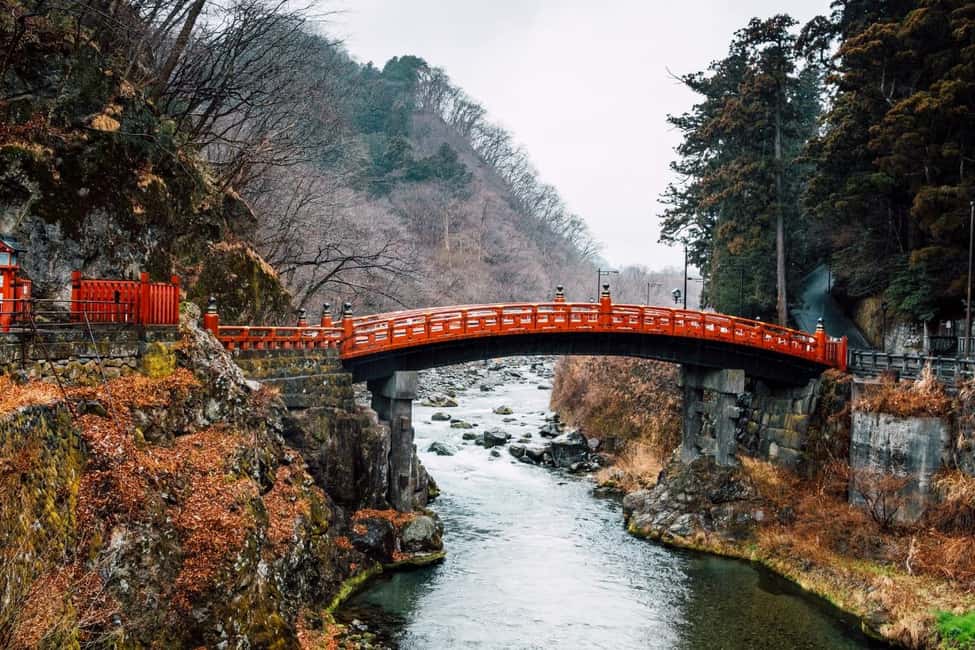
- Shinkyo Bridge at the Daiya River: that vermilion arch feel, plus scenic photo stops
- Lake Chūzenji near Mount Nantai: a quieter pause for photos and mountain air
- Akechidaira Ropeway upgrade: panoramic views over the whole Nikkō area
Nikkō From Tokyo: Why This Day Trip Feels Worth It
If you only have one full day from Tokyo, Nikkō is one of the best ways to get a totally different mood. One minute you’re in the city’s rhythm, and the next you’re under tall cedar trees and by mountain water. This is a guided day built around a clear arc: cultural impact first, then nature payoff.
I also like the format: a private group with round-trip transport. That matters because getting to Nikkō on your own can eat time. Here, your day stays simple—pickup in Tokyo, guided stops, and a return back home without you coordinating rail connections or transfers.
One more practical perk: the tour is designed for first-timers, but it still gives enough historical context to satisfy repeat visitors. And if you choose the optional Akechidaira Ropeway, you’re not just visiting a waterfall and a lake—you’re looking at the whole region from above.
You can also read our reviews of more tours and experiences in Tokyo.

Toshogu Shrine and the Mausoleum of Tokugawa Ieyasu
The day’s cultural center is Toshogu Shrine, a UNESCO World Heritage site tied to the Tokugawa shogunate. This is not a quick glance-and-go stop. You’ll walk through the sacred complex and get the chance to really look at how the architecture and the mountain setting work together.
What I love here is the contrast between scale and detail. On one level, it’s a major landmark. On another, it’s a place where your eyes keep finding new things—carvings, gates, and the ornate style that feels very much like the Edo period’s sense of power and symbolism.
Two specific highlights you should keep an eye out for:
- the Three Wise Monkeys carving
- the Yomeimon Gate, famous as the Gate of the Sun
The Yomeimon Gate is one of those elements that makes you pause. It’s the kind of spot where photos will never fully match what you’re seeing in person, mainly because the surfaces and patterns are so visually busy. If you enjoy religious art and old-world craftsmanship, this is the stop that can stay with you long after the bus ride home.
Possible drawback: this is still a shrine visit, so you’ll be walking and following the guide’s pace through temple grounds. If you hate structured sightseeing, this might feel like a lot. If you like guided context, it’s a big win.
Shinkyo Bridge, Jizo Statues, and the Daiya River Photo Stop
Right after the shrine area, the tour shifts to Shinkyo Bridge over the Daiya River. The bridge is instantly recognizable: a bright vermilion arch that turns a river crossing into a visual moment you’ll want to photograph from multiple angles.
What makes this stop more than just a picture is the feeling of place. You’re in a spiritual landscape, and it shows in how the bridge and river setting guide your attention. Even if you’re not religious, it’s a calm place to slow down and look.
You’ll also do a scenic walk around the area. A fun detail from your route is the chance to see rows of Jizo statues along the path. The guide may point out that the count can feel different depending on how you’re viewing them. That little “wait, how many do I see?” effect is exactly the kind of detail that makes a place feel alive instead of just scenic.
Practical note: photography rules can vary by area, and flash photography is not allowed. So set your camera to low-light mode if you’re using it indoors, and save your flash for somewhere else.
Lunch Timing and Refueling Without Losing the Day
You’ll have about an hour for lunch at a local restaurant. This is one of those parts that can make or break a day trip: eat too early and you’re hungry in the cold, eat too late and you feel sluggish before the waterfall.
I like that the tour approach keeps lunch simple and timed. There’s no scramble to find food on arrival, and your guide can steer you toward something that fits the group’s schedule.
From one of the guide notes I picked up, Anees (an English-speaking guide) recommended an Indian restaurant that was described as reasonable and home made. That’s the kind of guidance that helps you avoid the typical tourist-food trap. If you don’t eat Indian food, don’t panic—your goal is to take a break, reset your legs, and get something filling with water and an easy meal.
Kegon Falls: Getting the Best Views of the 97-Meter Water
Then comes the main nature payoff: Kegon Falls, the 97-meter waterfall. The scale here is the point. You don’t just see it—you feel how powerful it is as mist and spray move around the viewing areas.
This stop is also built to help you see more than one angle. There’s time to enjoy the views, and you’ll ride an elevator to the lower viewing deck for closer photos. That detail matters. From farther up, you understand the waterfall’s size. From the lower deck, you get a more intense view and better photo opportunities—plus the mist can be refreshing in a way that changes how the waterfall feels.
A good way to plan this mentally: treat Kegon Falls like your peak experience. Don’t waste your camera battery here. Don’t rush it either. If you’re traveling with someone who wants “one photo and done,” politely negotiate with them. The waterfall is the centerpiece.
Weather matters. If it’s rainy or windy, the waterfall might be dramatic, but visibility can be limited. Bring water and keep your hat handy. And remember: follow the guide’s instructions on where you can photograph.

Lake Chūzenji and Mount Nantai: Calm Views After the Mist
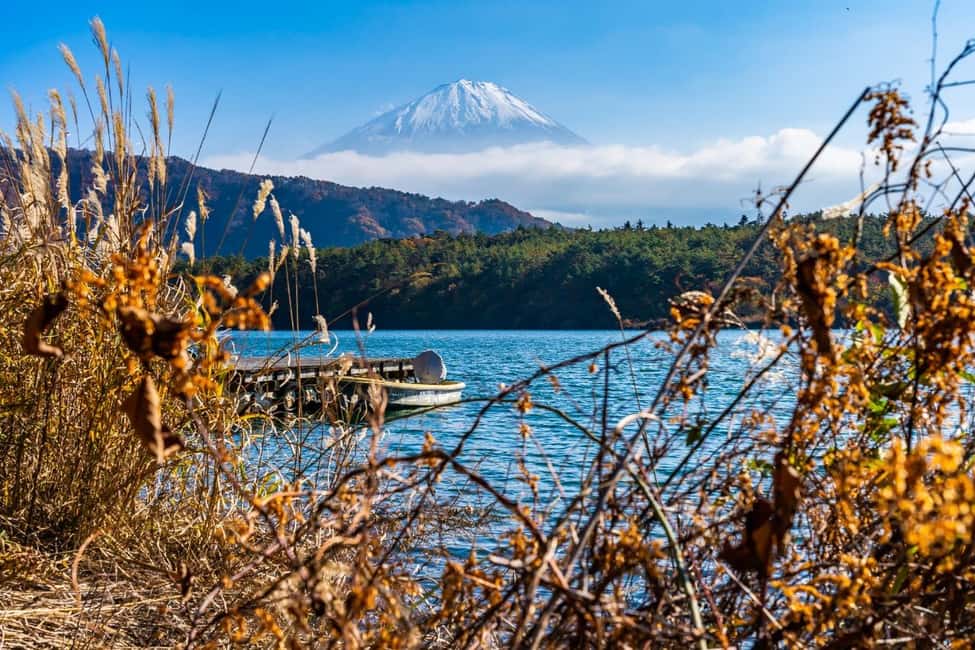
After the intensity of Kegon Falls, Lake Chūzenji feels like the exhale of the day. It sits at the base of Mount Nantai, and the tour gives you dedicated time for a photo stop and sightseeing.
What you’ll appreciate here is pacing. This isn’t a “walk and stare for 30 seconds” stop. You’re given roughly 45 minutes, which is enough to enjoy the views without feeling rushed, especially after the waterfall climb and the mist.
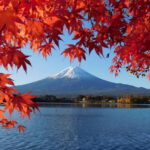
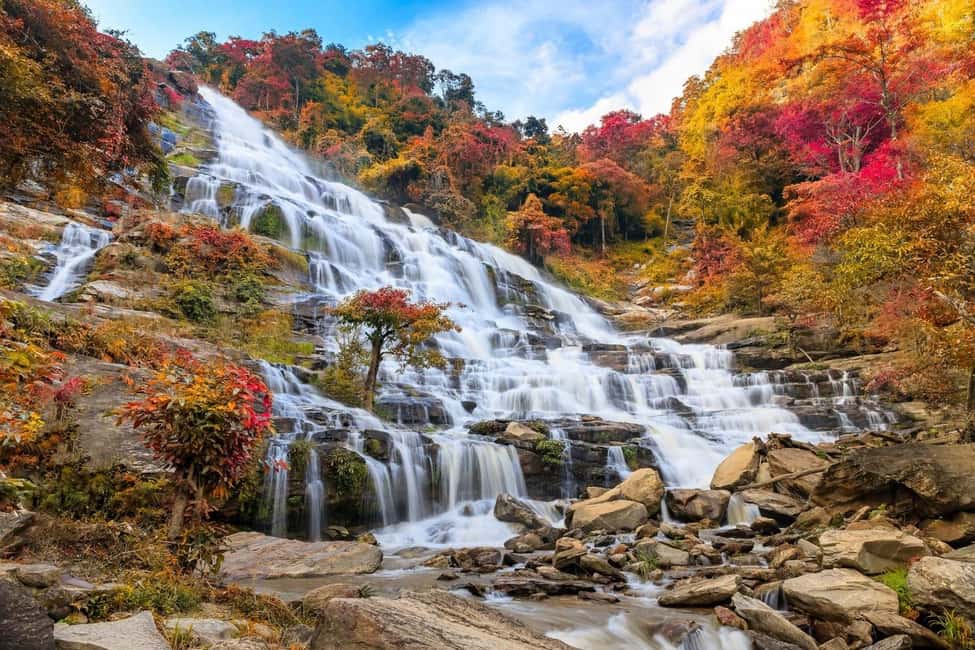
If you’re traveling for seasonal scenery, this is a strong candidate. The route notes that autumn leaves season is especially good for photographers. Even outside peak season, the lake’s setting still gives you a different kind of beauty—less roar, more quiet, with mountain air that feels like a break from the city.
Tip: if you’re the kind of traveler who likes to keep moving, you’ll still enjoy this stop. The best move is to rotate between a couple of view angles rather than trying to capture everything from one spot.
Akechidaira Ropeway Upgrade: When Panoramas Are the Point
There’s an optional upgrade: the Akechidaira Ropeway. If you choose it, you’ll get panoramic views over the Nikkō mountains, Lake Chūzenji, and Kegon Falls. That’s the kind of big-picture view that ties the whole day together—culture below, water in the middle, and mountains as the backdrop.
Is it worth paying extra? If you love viewpoints, yes. It adds value because it turns the day into a full-region experience, not just separate stops. If you’re more into temples and waterfalls than scenic overhead views, you might skip it and keep your energy for the walking portions you already have.
Either way, it’s good to remember that the ropeway ticket is not included by default. Decide based on your priorities and your comfort with more time and a little extra travel.
Pace and Walking: How the 8–9 Hours Usually Feels
This tour runs about 8–9 hours, and the itinerary is built around multiple walking segments. You’ll be moving through shrine areas and along scenic paths, plus you’ll spend time viewing Kegon Falls and then Lake Chūzenji.
What helps is that the stops are ordered well. You start with Toshogu Shrine—where you can slow your pace and take in details. Then you go to Shinkyo Bridge, where the walk is shorter and the scenery is more straightforward. Finally, you hit Kegon Falls (your peak nature moment) and close with Lake Chūzenji to cool down visually and physically.
What to bring is straightforward:
- Hat
- Camera
- Sunscreen
- Water
- comfortable shoes
Also note the restrictions: no smoking, and flash photography is not allowed. If you’re bringing a camera, keep your hands free during walks. It’s easier to enjoy the views when you’re not juggling your setup every two minutes.
Price and Value: Private Transport, English Guide, and Admissions
Price is $550 per group up to 6. That means the per-person value depends on how full your group is. If you fill all six seats, you’re basically around $90–$95 per person for a full day with transport, an English-speaking guide, and admissions. If you travel with fewer people, the price per person rises, but you still get the comfort of a private group schedule.
What’s included:
- round-trip transport from Tokyo
- an English-speaking guide (with additional language support, if needed)
- admission to Toshogu Shrine, Shinkyo Bridge, and Kegon Falls
- optional Akechidaira Ropeway ticket upgrade
What’s not included:
- meals and drinks
- personal expenses
To me, the value is strongest if you want:
1) a guided culture-and-nature day without the logistics hassle
2) someone helping you understand what you’re seeing at Toshogu Shrine
3) private scheduling so you can move at a comfortable pace within the tour framework
One more bonus: you have access to English, Urdu, Japanese, Hindi, and Punjabi. That’s not common on every day tour from Tokyo, and it can make the historical context feel clearer if English isn’t your only comfort language.
If plans change, the tour offers free cancellation up to 24 hours in advance and a reserve now & pay later option. Keep that in mind when you’re juggling Tokyo sightseeing on a tight schedule.
Who This Tour Fits Best (and Who Should Skip It)
This day trip is a good fit if you want a structured, high-impact day that still leaves room to enjoy details. It’s also a strong choice for visitors who want cultural context and natural scenery without switching between too many transit modes.
It is not suitable for:
- children under 5
- pregnant women
- wheelchair users
If you fall into those categories, you’ll want to look for a more accessible alternative.
Should You Book This Tokyo to Nikkō Day Trip?
Book it if you want a single day that hits the essentials of Nikkō: Toshogu Shrine, the iconic Shinkyo Bridge, the power of 97-meter Kegon Falls, and a calmer finish at Lake Chūzenji. The private-group format and English guidance also make it feel efficient without making it feel rushed.
Consider skipping or adjusting expectations if you hate long walking days or if you want meals to be handled for you. You’ll need to refuel on your own at lunch, and the day involves enough movement that comfortable shoes are not optional.
If you’re on the fence, here’s my practical rule: if Kegon Falls is on your must-see list and you don’t want to build your own route, this is a clean, high-value way to do it.
FAQ
How long is the Tokyo to Nikkō day trip?
It runs about 8 to 9 hours.
What is the price for this tour?
The price is $550 per group, up to 6 people.
Does the tour include lunch?
No. Meals and drinks are not included.
Is the Akechidaira Ropeway included?
No, the ropeway is an optional upgrade and requires an additional fee.
What languages are available for the live guide?
The live tour guide is available in English, Urdu, Japanese, Hindi, and Punjabi.
Are there any photography or behavior restrictions?
Flash photography is not allowed, and smoking is not allowed. The guide will also note that photography may be restricted in certain areas.