REVIEW · TOKYO
Mount Fuji Private day tour from Tokyo private & Customized
Book on GetYourGuide →Operated by Yakuri Tours · Bookable on GetYourGuide
Mount Fuji looks different when you chase it in a car. This private, customizable day trip turns the Fuji area into a smooth, door-to-door outing with hotel pickup and a comfortable A/C vehicle—plus an English-speaking driver who helps you make the most of every viewpoint. I like that the plan is flexible enough to fit your pace, not just a fixed bus schedule. One heads-up: one booking had a missed pickup and a driver that felt a bit off-balance, so confirm your exact meeting spot and stay ready at pickup time.
The best part is how much ground you cover without it feeling stressful: Kawaguchiko lake views, Oshino Hakkai ponds, and the Chureito Pagoda photo angle, all in one day. Drivers I’ve seen mentioned by name—Cheema, Ali, Usman, and Shahid—sound like they take safety and “know where to stop” seriously, and they’ll help you get photos without turning the day into a blur.
And yes, Mount Fuji depends on the weather. The tour can be postponed if conditions go sideways, and the itinerary can shift around your priorities—but if you want the classic peak silhouette, you’ll still want clear skies on your side.
In This Review
- Key Things That Make This Private Mt. Fuji Tour Work
- Price and Value for a Private Group Up to Six
- The Setup: Door-to-Door Pickup, Toyota Vellfire, Real English Support
- Route Logic: How the Day Flows Around Fuji Five Lakes Views
- Oshino Hakkai: Fuji Snow Ponds and Thatched-Roof Atmosphere
- Chureito Pagoda: The Fuji Photo Stop Everyone Wants
- Lake Kawaguchi and Oishi Park: Reflections, Breathing Space, and a Second View Angle
- Kitaguchi-hongu Fuji Sengen Shrine and Fujiyoshida: Culture After the Views
- Mount Fuji 5th Station: Worth It Only When the Conditions Are Right
- Customization Options: Ropeway and a Kimono Village Moment
- The Driver Experience: Why People Mention Names
- What to Pack and How to Avoid a Tough Day
- Weather, Delays, and Rescheduling: How to Think About “Plan B”
- Who This Private Mt. Fuji Tour From Tokyo Is Best For
- Should You Book This Private Mt. Fuji Day Tour?
- FAQ
- How long is the Mount Fuji private day tour from Tokyo?
- Is this tour private or shared?
- What is the price?
- Does the tour include hotel pickup and drop-off?
- Are there any extra charges for Mount Fuji 5th Station?
- What about extra charges for pickups outside Tokyo’s 23 wards?
- What’s included in the vehicle?
- Can the itinerary be customized?
- What happens if weather is bad?
Key Things That Make This Private Mt. Fuji Tour Work
- Door-to-door pickup in Tokyo (and drop-off back the same way), using a Toyota Vellfire
- Customizable timing and stops so your day matches your interests
- Big-view payoff day: Lake Kawaguchi, Oishi Park, Chureito Pagoda, Oshino Hakkai
- Driver support for photos and video so you spend less time guessing where to stand
- Local fees handled transparently when Mount Fuji 5th Station is included (you pay directly on-site)
- On-board comfort perks: Wi-Fi hotspot and bottled water
Price and Value for a Private Group Up to Six
This tour is $354 per group up to 6 people for a 10-hour day. That pricing matters because you’re paying for private transport out of Tokyo, not per person on a crowded bus.
If you’re traveling solo or as a couple, it’s still a fair deal when you compare it to the cost of piecing together trains plus taxis for multiple spots. But the best value is when you share it with friends or family. With up to six in a Toyota Vellfire, you get a real “all day together” setup: fewer transfers, fewer timing headaches, and more time at the viewpoints instead of commuting between them.
There are also a couple of extra costs to understand upfront. If your day includes Mount Fuji 5th Station, there’s an uphill fee (JPY 1,500 to JPY 3,700) you pay locally at the facility. And if your pickup is outside Tokyo’s 23 wards, there can be an additional charge (JPY 5,000 to JPY 20,000), paid directly to the driver. Inside Tokyo’s 23 wards, there’s no extra pickup charge listed.
So think of it like this: you’re buying convenience and control. The only “unknowns” are the optional fee for 5th Station and what the weather hands you.
You can also read our reviews of more private tours in Tokyo
The Setup: Door-to-Door Pickup, Toyota Vellfire, Real English Support
The logistics are built for people who don’t want to figure out transit at 7 or 8 in the morning.
Pickup is available from a wide set of Tokyo-area locations, including areas like Shinjuku, Shibuya, Ginza, Minato, Nakano, and more. You can also choose among 14 drop-off options back around Tokyo. The tour runs from a prearranged pickup time, and you should be ready 10 minutes early. The driver waits up to 60 minutes, which is comforting if your hotel lobby is a little chaotic.
The vehicle is a Toyota Vellfire with A/C, and the driver is described as a licensed English-speaking driver (the operator lists languages as English, Japanese, and Hindi). On days like this, that language flexibility is huge because you’ll want quick clarity: where to park, where to walk for photos, and what time you should leave each stop to avoid bottlenecks.
What I also like is the “small but practical” extras: Wi-Fi hotspot in the vehicle and bottled water on board. You can stay in touch, check weather updates, and keep your navigation ready without burning your phone battery.
One practical tip from a real cautionary tale in the experience: if anything feels off at pickup time, contact customer support quickly. In at least one case, pickup didn’t happen as scheduled and the day got pushed to the next day. That isn’t the norm you should plan for, but it’s a reason to double-check your exact pickup spot and keep your phone ready.
Route Logic: How the Day Flows Around Fuji Five Lakes Views
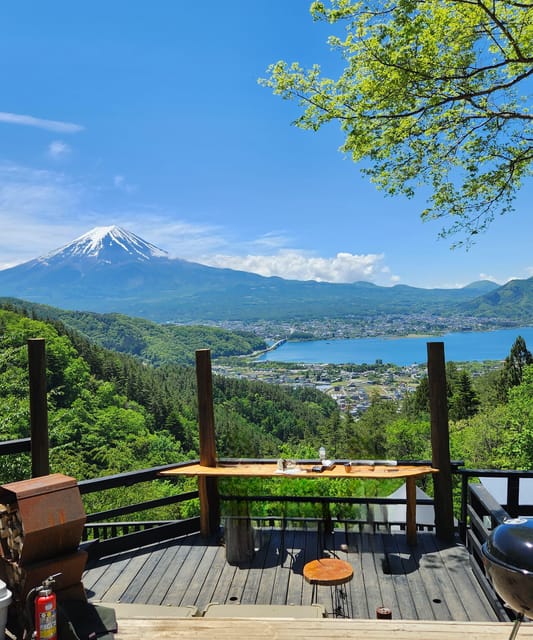
This is a full-day loop that’s designed to hit the classic Fuji scenery while staying efficient.
You start in Tokyo, then head west toward the Fuji Five Lakes area, where the views change by stop. Early in the morning, you’ll chase clarity for photos. Later, you’ll shift toward culture and lakeside atmosphere when you might not get the same perfect peak silhouette.
The itinerary is built around a sequence like:
- Oshino Hakkai (traditional village and ponds)
- Mt. Fuji photo/visit stop (weather permitting)
- Chureito Pagoda (signature postcard angle)
- Lake Kawaguchi (lakeside time and viewpoints)
- Oishi Park (another viewing angle)
- Kitaguchi-hongu Fuji Sengen Shrine (religious/cultural stop)
- Fujiyoshida area with a traditional dance show
And depending on customization and conditions, you may also add Mount Fuji 5th Station or additional Fuji-area experiences like Kachi Kachi Ropeway or Saiko Iyashi no Sato Nemba (both appear as suggested options for customizing the day).
That flexibility is the real reason private tours beat rigid bus routes. You can spend more time where your eyes want to stay longer, and less time where you already got your photo.
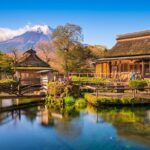
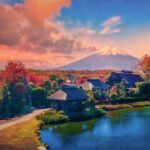
Oshino Hakkai: Fuji Snow Ponds and Thatched-Roof Atmosphere
Your day begins with Oshino Hakkai, a small village made for people who like nature-meets-tradition.
You’ll get about one hour here, including free time for shopping and sightseeing. The standout detail: Oshino Hakkai is famous for its eight crystal-clear ponds fed by snowmelt from Mount Fuji. That makes the place feel different from a normal scenic village. Even without a guide-heavy lecture, the environment tells you why it’s special.
What you’ll probably enjoy most:
- walking at a slow pace to take in the pond views
- browsing small local food and snack options
- feeling the “Fuji foothills” vibe before you go chasing wider lake views
A drawback to keep in mind: because it’s a popular stop and it’s designed for strolling, it’s not a place where you’ll want to rush. If your priority is strictly maximizing Mt. Fuji peak photos, you may feel you spend a little time in “scenery + village” mode. But that’s also why this stop works: it adds culture and texture to the day.
Chureito Pagoda: The Fuji Photo Stop Everyone Wants
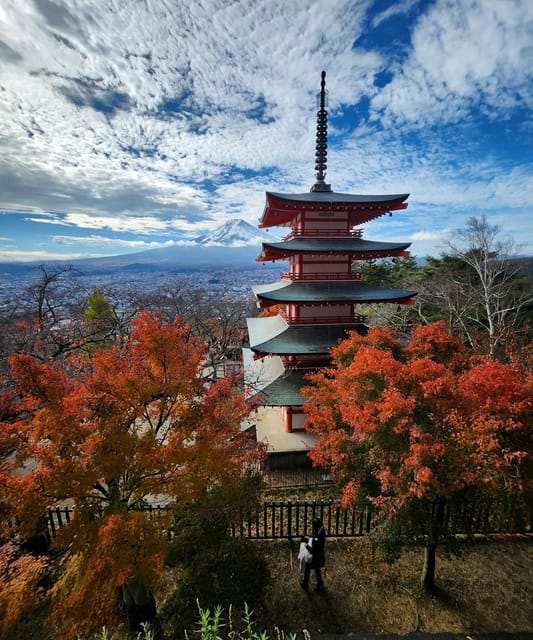
Next up is Chureito Pagoda, a five-storied pagoda that frames Mount Fuji in a way that’s basically made for photos.
You’ll have about one hour, including a guided walk and sightseeing. This stop is famous for a reason: when the weather cooperates, the angle is instantly recognizable, and you don’t need to guess your way around.
The photo advantage of this private setup is simple. You can:
- arrive with less stress
- ask the driver where to stand
- use the built-in photo/video assistance instead of handing your phone to a random stranger
One practical note: if the sky is hazy, the pagoda still looks great, but the “Mount Fuji in frame” effect may soften. If you’re scheduling this trip around peak photography, I’d keep your expectations flexible and treat this as one of your best shots, not the only shot.
Lake Kawaguchi and Oishi Park: Reflections, Breathing Space, and a Second View Angle
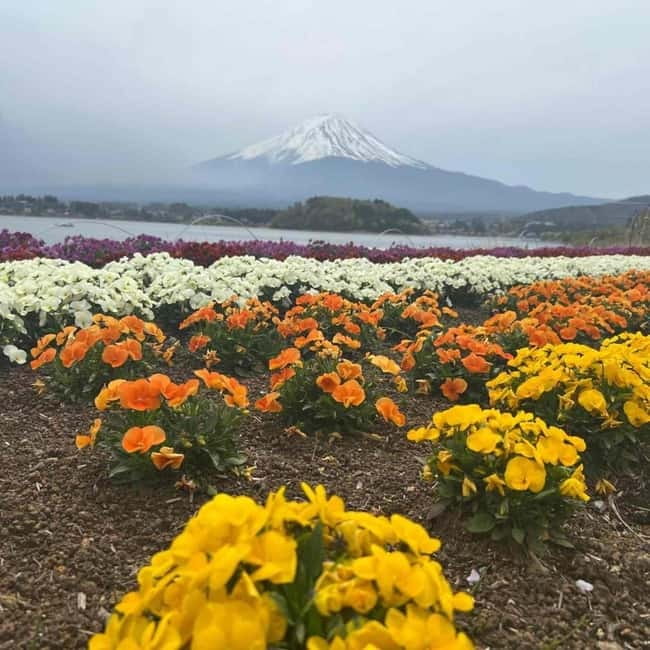
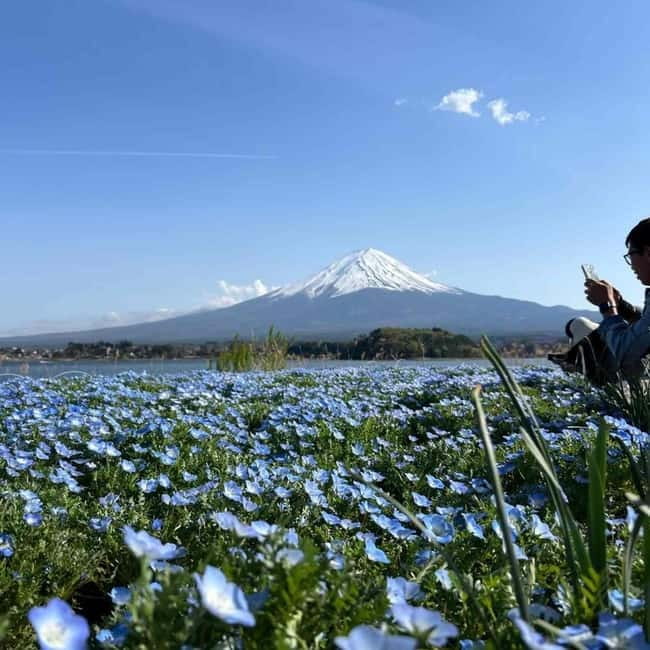
After the pagoda, you shift into lakeside time at Lake Kawaguchi.
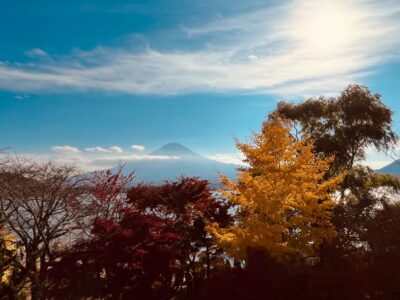
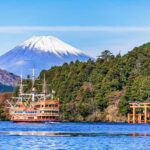
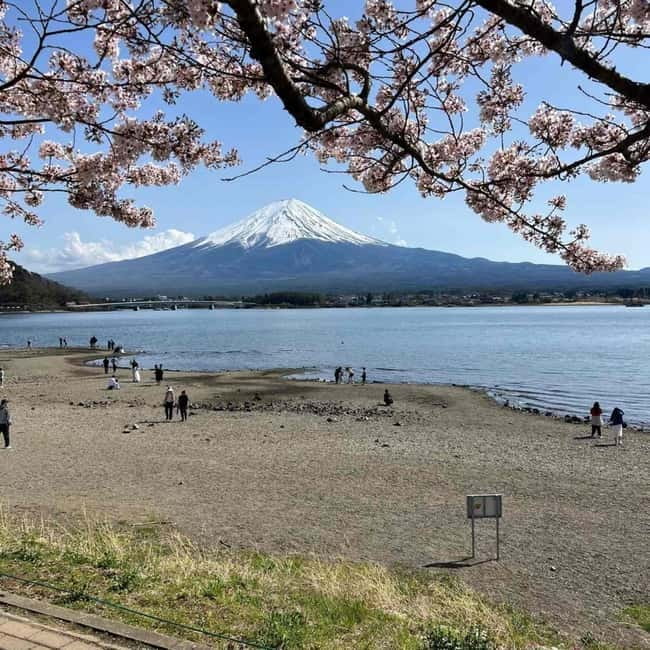
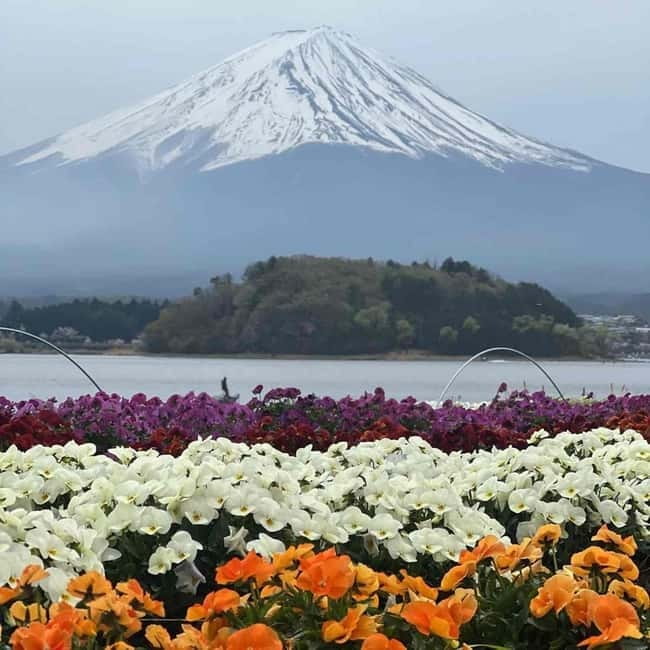
You’ll get about 1.5 hours here with guided context, photo stops, and free time. This is where the Fuji-area “mood” changes from village browsing to open-air viewing. When conditions are good, Mount Fuji can reflect on the water, creating that classic calm symmetry people travel for.
Then you continue to Oishi Park for about one hour, again with photo stops, sightseeing, and guided guidance plus free time.
Why both stops help:
- Lake Kawaguchi gives you the lakeshore atmosphere and the chance for broad views.
- Oishi Park gives you another angle, so you’re not stuck with one “best case” viewpoint.
If you’re traveling with someone who doesn’t care about the mountain every minute (it happens), the lake stops still work. There’s room to walk, pause, and grab coffee without feeling like you’ve wasted your day.
The main consideration is timing. Late in the day, clouds and mist can roll in. That’s not a fault of the tour—it’s just how Fuji behaves. Use the Wi-Fi hotspot to check weather shifts, and lean on the driver’s judgement about when to hold still for photos versus when to move.
Kitaguchi-hongu Fuji Sengen Shrine and Fujiyoshida: Culture After the Views
By the time you reach Kitaguchi-hongu Fuji Sengen Shrine, your eyes have had multiple visual hits. This stop adds meaning.
You’ll spend about one hour for guided sightseeing, shopping, and exploration. A shrine stop like this is valuable on a Mt. Fuji day trip because it reminds you that Fuji isn’t just a photo subject. It’s also tied to local beliefs and seasonal practice in the region.
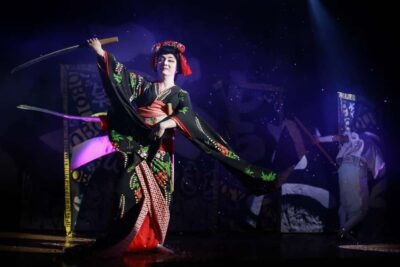
After that comes Fujiyoshida, with scenic views on the way plus a traditional dance show (about one hour).
This is a smart inclusion if you want a day that doesn’t feel like a nonstop “stand-and-shoot” routine. A dance performance gives your group something to remember besides pictures on your camera roll.
One downside to consider: if you’re the type who wants maximum time outside, performances can feel like a fixed block you can’t speed up. The flip side is that it provides a break from walking and a chance to learn something beyond the view.
Mount Fuji 5th Station: Worth It Only When the Conditions Are Right
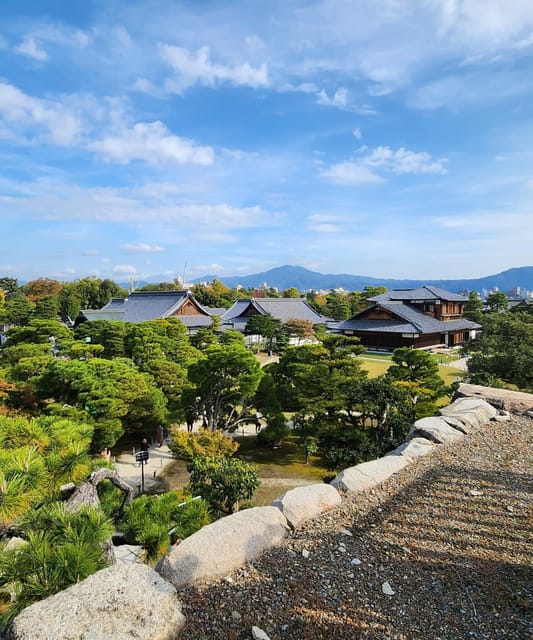
Weather permitting, the plan can include a Mt. Fuji 5th Station stop. It’s the highest accessible point on the mountain listed for the tour, at around 2,300 meters.
This is the kind of place that can feel life-changing when visibility is clear. But it’s also the kind of place that can disappoint when clouds swallow the peak. That’s why it’s framed as conditional.
Important: if 5th Station is included, there’s that uphill fee (JPY 1,500 to JPY 3,700) paid directly at the local facility.
My practical advice: treat 5th Station as a “bonus if skies cooperate” rather than a guaranteed highlight. If you’re flexible and you like being adaptable when nature changes the plan, it’s a great addition. If you want a guaranteed photo at all costs, you’ll still get major view stops elsewhere in the itinerary.
Customization Options: Ropeway and a Kimono Village Moment
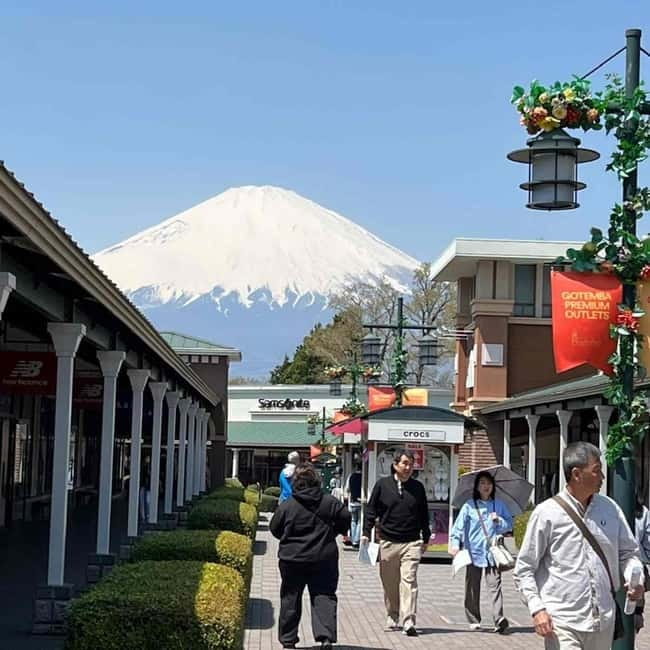
One of the strongest selling points here is the word customized—meaning you can shape your day around your interests rather than copying a generic checklist.
Alongside the core stops, suggested additions include:
- Kachi Kachi Ropeway, a scenic cable car up toward Mt. Tenjo, giving a view over Lake Kawaguchi and Mt. Fuji
- Saiko Iyashi no Sato Nemba, a restored Edo-period village where you can enjoy traditional rural life and rent a kimono
These options can make your day feel more like an experience and less like a route. If you’re the type who wants one “signature memory” beyond the mountain photos, this kind of add-on helps.
Just keep in mind: activity costs not listed as included may require separate fees. So if you’re sensitive to budget, ask your driver or operator what costs apply before you commit to the add-ons.
The Driver Experience: Why People Mention Names
Private tours live or die by the driver. In the experience details you provided, several drivers were praised for being safe, helpful, and informed.
Names that came up:
- Cheema, described as professional, polite, patient, and attentive, with helpful area information
- Ali, praised as hospitable and knowledgeable, and for safe driving
- Usman, described as informative and funny while staying safe
- Shahid, praised for bringing guests to the right places as advertised
You can’t control everything, but you can choose your approach: ask questions, share what kind of photos you want, and be clear about how long you want at each spot.
Also: if you’re the group type that likes calm pace, say so. Private tours are best when the group communicates early.
What to Pack and How to Avoid a Tough Day
This is a walking-and-viewing day, so pack like you’re going outside, not like you’re doing a museum sprint.
Bring:
- comfortable shoes
- sunscreen
- comfortable clothes
- a daypack
The weather can shift fast near Fuji, and elevation can change the feel of the air, especially if 5th Station is on the table. Wear layers if you can.
Also note what’s not allowed: alcohol and drugs are not permitted, and you shouldn’t make fires. It’s a normal rule set, but it’s worth knowing so you don’t get surprised.
Weather, Delays, and Rescheduling: How to Think About “Plan B”
Because Mount Fuji is a weather-dependent star, this tour includes a built-in safety net: if unexpected weather or incidents arise, your tour can be postponed to a day that suits you.
If you experience a pickup delay, the plan also states the tour time can be extended at no extra cost. That’s important. It means a late start doesn’t automatically chop off your stops.
Still, you should prepare mentally for the possibility that “Fuji peak clarity” might not happen. The good news is the itinerary isn’t only about one thing. Even with haze, you still get lakeside views, pagoda angles, shrine culture, and the chance to enjoy the Fuji region at ground level.
Who This Private Mt. Fuji Tour From Tokyo Is Best For
This is a strong match if you:
- want door-to-door convenience with fewer transit steps
- like the idea of a private A/C vehicle and not hauling bags between train stations
- care about photos and want help capturing them
- travel in a group up to six and can share the per-group cost
- prefer customizing a day to your pace, not someone else’s timetable
It’s also a good fit if your group includes different interests. Some people want peak views. Others want local shopping, snacks, and culture. This itinerary offers both.
If you’re traveling with very limited mobility, tell the operator in advance so they can plan accordingly. Also, this tour is not suitable for babies under 1 year and people over 95 years, based on the provided information.
Should You Book This Private Mt. Fuji Day Tour?
I’d book it if your top goal is a well-paced, private Mt. Fuji day from Tokyo with classic highlights like Lake Kawaguchi, Oshino Hakkai, and Chureito Pagoda, plus the freedom to adjust your day. The value is especially strong for groups of 3–6 because you split the private vehicle cost.
I’d pause before booking if you’re the type who needs everything to be perfect on the first attempt. Fuji weather can be stubborn, and while the tour can be postponed, you still might end up with less mountain visibility than you hoped. Also, because you’re relying on pickup, confirm your meeting point and be ready early.
If you go in with flexible expectations and use the driver’s help for the photo timing, this tour can turn a long Tokyo day into a calm, memorable Fuji circuit without the commute stress.
FAQ
How long is the Mount Fuji private day tour from Tokyo?
The duration is approximately 10 hours for the full-day experience.
Is this tour private or shared?
It’s a private group tour for your party (up to 6 people per group).
What is the price?
The price is $354 per group up to 6 people.
Does the tour include hotel pickup and drop-off?
Yes. Private pickup and drop-off are included from selected Tokyo locations (and you choose from listed pickup options). Drop-off is also included at listed areas.
Are there any extra charges for Mount Fuji 5th Station?
Yes. If your itinerary includes Mount Fuji 5th Station, there is an uphill fee of JPY 1,500–JPY 3,700, paid directly to the local facility on-site.
What about extra charges for pickups outside Tokyo’s 23 wards?
There can be an additional charge of JPY 5,000–JPY 20,000 depending on your pickup location outside Tokyo’s 23 wards, paid directly to the driver. No extra fee is charged within Tokyo’s 23 wards.
What’s included in the vehicle?
You get a private A/C vehicle (Toyota Vellfire), plus bottled water and a Wi-Fi hotspot.
Can the itinerary be customized?
Yes. The tour is customized to your interests, and your driver-guide can adjust stops and timing to match your preferences.
What happens if weather is bad?
If unexpected weather or incidents arise, the tour can be postponed to a day that suits you. If there’s a pickup delay, the tour time can be extended at no extra cost.