REVIEW · TOKYO
Sumida Riverside Walk:Garden&Temple Ritual(4 Meeting Points)
Book on GetYourGuide →Operated by Hiro travel · Bookable on GetYourGuide
Tokyo slows down along this riverside route. In this 3-hour small-group walk with Hiro (born and raised in Tokyo), you get a quieter Tokyo morning than most first-timers ever see, starting at Kiyosumi Garden and moving into neighborhood streets.
I especially love how the garden and the river are paced—gentle, not rushed—so you can actually notice design details and seasonal plants without feeling herded. And I like that Hiro explains what you’re seeing in plain English, with context that makes the sights feel connected instead of like separate stops.
One thing to plan for: you need to be on time, because if you’re more than 10 minutes late, the group may depart without you. Also, this is only 3 hours total, so it’s a walk-and-witness experience, not a deep, long-form temple study.
Key highlights at a glance
- Kiyosumi Garden: a guided look at seasonal plants and the garden’s preserved design details
- Sumida riverside walk: calm views of water, boats, and quiet cityscapes
- Naritasan Fukagawa Fudōdō: a temple visit where local faith is active, not just staged
- Goma fire ritual: a traditional fire ritual you’ll experience during the temple stop
- Small group (max 4): more time for questions and a quieter pace
- Four meeting points: choose one near your area, then ride the train together
In This Review
- Why This Walk Feels Like a Quieter Tokyo Morning
- Price and Value: What $48 Buys You (and What It Doesn’t)
- Picking Your Meeting Point: Shibuya, Shinjuku, Asakusa, or Nissan Crossing
- Kiyosumi Garden (40 Minutes): A Designed Calm You Can Read Like a Map
- The Sumida River Walk (40 Minutes): Where Tokyo Gets Soft Around the Edges
- Naritasan Fukagawa Fudōdō (45 Minutes): Faith You Can See, and a Goma Fire Ritual
- How the 3 Hours Really Fits Your Day
- What You’ll Learn Without Feeling Like You’re in a Class
- Small Group Comfort: Better Questions, Quieter Walking, More Control
- Should You Book This Tour?
- FAQ
- How long is the tour?
- What languages are available?
- Where can I meet the guide?
- How large is the group?
- What’s included in the price?
- Is this tour suitable for babies?
Why This Walk Feels Like a Quieter Tokyo Morning

Tokyo can be loud in a hurry. This experience deliberately steers you away from the center-of-attention feeling and into a calmer rhythm—gardens first, then the Sumida River, then a temple where people practice their beliefs as part of daily life.
What makes it work is the way it mixes three things that don’t usually go together in a typical sightseeing day: nature that’s carefully shaped (the garden), a city waterway that slows your thinking (the river), and a temple ritual that gives the whole morning meaning. If you like walking at a human pace and you enjoy seeing how daily faith and everyday neighborhoods coexist, this tour hits the sweet spot.
I also appreciate the setup: it’s small group with a live English guide, so you’re not fighting for attention or trying to decode everything through your phone. And because Hiro is local—Tokyo-raised—he’s positioned to explain what matters without turning it into a lecture.
Price and Value: What $48 Buys You (and What It Doesn’t)

At $48 per person for about 3 hours, you’re paying for more than sightseeing. You’re paying for access (garden and temple admission), guidance, and the group logistics that can otherwise feel annoying in Tokyo.
Here’s what the price includes:
- Garden admission for Kiyosumi Garden
- Temple admission for Naritasan Fukagawa Fudōdō
- Train ticket to the first destination
- A guided walking tour with English support
- Pick-up at your selected meeting point, with the guide traveling by train to start
What this means for you: you’re not spending time figuring out routes, buying separate entries, or translating temple basics on your own. The tour is short, so the value is in the efficiency—getting to the right places, with context, and still having time to breathe.
What it doesn’t mean: you won’t be doing a full-day itinerary. If you’re hoping to turn this into a half-day power tour, you may feel like you’re moving too lightly. But if you want a focused morning that feels special without exhausting your feet, it’s good value.
You can also read our reviews of more walking tours in Tokyo


Picking Your Meeting Point: Shibuya, Shinjuku, Asakusa, or Nissan Crossing

This tour gives you four meeting point options, which is a big deal in Tokyo where transit time can quietly steal your energy.
You can start at:
- Shibuya TSUTAYA
- UNIQLO Shinjuku West
- Asakusa Culture Tourist Information Center
- Nissan Crossing
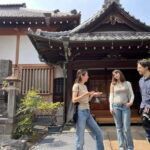
Choose based on where you’re already staying or where you’d like to begin your day. In practice, this reduces friction: you show up near your comfort zone, meet Hiro, then travel together by train to the first stop.
Tip: show up early enough to settle in and check your bearings. The tour may leave without you if you’re more than 10 minutes late, so don’t cut it close—Tokyo sidewalks are full of tempting detours.
Kiyosumi Garden (40 Minutes): A Designed Calm You Can Read Like a Map

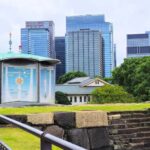
Kicking off at Kiyosumi Garden is smart because it changes your pace right away. A Japanese garden isn’t just a place to look—it’s a place to slow down and interpret. In this guided section (about 40 minutes), Hiro walks you through what makes the garden feel “put together,” even though it’s meant to look natural.
What you can expect:
- A guided introduction to historical background
- Spotting hidden design details that most visitors miss
- Time to take in seasonal plants, which matter here because the garden’s appeal changes as the year does
Why it’s valuable: gardens like this train your eyes. After 30–40 minutes, you’ll start noticing how lines, water, stones, and planting choices all create a sequence—like a quiet story you can walk through.
Possible drawback: 40 minutes goes fast. If you’re the type who wants to photograph every angle and linger for 2–3 loops, you may wish you had more time. Still, for a small-group morning plan, this pacing is realistic and keeps the rest of the day from turning into a marathon.
The Sumida River Walk (40 Minutes): Where Tokyo Gets Soft Around the Edges
After the garden, the mood shifts—still calm, but more open. The walk along the Sumida River is your decompress moment, with views of the water and passing boats and the kind of city scenery that feels quieter than the big-ticket attractions.
During the 40-minute guided riverside section, Hiro points out what you should pay attention to as you walk:
- the reflective rhythm of the water
- boats moving through the river traffic
- the contrast between river calm and nearby urban life
Why this matters: Tokyo riverwalks can easily become “just a scenic walkway.” Here, the guidance helps you stay present. Instead of scrolling through photos, you notice how the river changes the feeling of the neighborhood—cooler, slower, and more spacious.
Practical note: bring layers or a light jacket if the weather turns. Rivers can shift temperature fast, and you’ll be standing and walking for a little while with no big indoor breaks until later.
Naritasan Fukagawa Fudōdō (45 Minutes): Faith You Can See, and a Goma Fire Ritual

The final stop is the most spiritually vivid part of the morning: Naritasan Fukagawa Fudōdō, a temple with over 400 years of history. More important than the age is that it’s presented as a living place—local faith is active and present, not just decorative.
You’ll spend about 45 minutes here, and the standout highlight is the traditional goma fire ritual. This is where the experience becomes more than sightseeing. Fire rituals are intense in a very human way: the heat, the attention, and the sense that this is something people come to, not something they watch once and forget.
What Hiro helps with:
- making the beliefs and practices understandable, whether you’re religious or just curious
- seeing the temple atmosphere as something grounded in community life
- translating what you’re witnessing into plain context you can carry with you
What to watch for as you’re there: don’t treat it like a photo-op stopwatch. Go slow. If you feel awkward, that’s normal—temple spaces are meant to be respected. The guide’s explanations help you match the atmosphere, so you can participate without “acting like you’re in the wrong place.”
Possible drawback: since this is a walk-and-visit format, you’ll get guidance during the time you’re at the temple, but you may still want more time to linger independently if you feel pulled in. That’s not a flaw—it’s just the reality of a 3-hour total tour.


How the 3 Hours Really Fits Your Day

This is a short morning plan by design: Kiyosumi Garden (40 min), Sumida River (40 min), Fukagawa Fudōdō (45 min), plus travel time with the guide by train.
That timing matters because it gives you the best of three worlds:
- a garden reset
- a river calm-walk
- a temple ritual moment
You’re not stuck in transit all day, and you’re not over-committed. It also helps if you’re building a Tokyo itinerary where you need something meaningful but not exhausting. Think of it as a “steady, grounded” block that balances the city’s harder-edged neighborhoods.
And because the tour is limited to 4 participants, it tends to feel less like a bus ride with a microphone. You can ask questions without waiting your turn for a crowd to shuffle forward.
What You’ll Learn Without Feeling Like You’re in a Class

One of the most praised parts of the experience is Hiro himself. People specifically call out the tour guide as excellent—Hiro makes the morning feel smooth and approachable.
In practical terms, that shows up in how information is delivered:
- you’re not stuck with long explanations
- you get context that helps you interpret what you see
- the temple stop isn’t turned into mystery; it’s made understandable
This approach is a big deal for Tokyo, where temples and traditions can look similar from a distance. With a guide, you can connect the dots: why this temple, why this ritual, and why the morning walk feels like a coherent story.
Small Group Comfort: Better Questions, Quieter Walking, More Control

A maximum group size of 4 participants changes the vibe. You’re more likely to hear your guide clearly. You’re less likely to feel like you’re rushing through each photo stop. And if you have questions—about garden design, local faith, or what you’re seeing in the temple context—you can actually get answers.
If you’re someone who dislikes large-group tours, this setup will feel comfortable quickly. If you’re traveling solo, you still get company and local direction without losing your personal pace.
Just remember the earlier note: small-group plans can be less forgiving about tardiness. Be there, be ready, and you’ll get the smoothest experience.
Should You Book This Tour?
Book it if you want:
- a calm Tokyo morning with nature and spirituality
- a guided experience focused on walking, not ticket-hunting
- a small-group English tour led by Hiro
- to see Kiyosumi Garden, then slow down along the Sumida River, and finish with a meaningful temple ritual
Skip it (or consider a different option) if:
- you want a full-day itinerary packed with many major landmarks
- you need lots of free time inside each site beyond a short guided window
- you’re likely to arrive late and might miss the departure moment
My take: for the price, you’re buying real guidance plus included admissions, and you’re getting a rare combination—garden calm, riverside breathing room, and the goma fire ritual in an actively practiced temple setting. It’s the kind of Tokyo you’ll remember when the city noise starts to blur into one big rush.
FAQ
How long is the tour?
The tour lasts about 3 hours.
What languages are available?
The tour includes a live English-speaking guide.
Where can I meet the guide?
You can choose one of four meeting points: Shibuya TSUTAYA, UNIQLO Shinjuku West, Asakusa Culture Tourist Information Center, or Nissan Crossing.
How large is the group?
The group is small, limited to 4 participants.
What’s included in the price?
The tour includes pick-up at your meeting point, train travel to the first destination, guided walking, admission to Kiyosumi Garden, admission to Naritasan Fukagawa Fudōdō, and a train ticket to the first destination.
Is this tour suitable for babies?
It’s not suitable for babies under 1 year.