REVIEW · NARITA
9-Day Japan and South Korea Highlight Tour
Book on Viator →Operated by Pingan First Travel · Bookable on Viator
Nine days, two countries, zero boredom.
This highlight-style trip is built around classic big-name stops plus a lot of time in neighborhoods where you actually feel daily life. You’ll start in Narita, get a dedicated Mt. Fuji day, then bounce between Tokyo, Osaka, Kyoto/Nara, Seoul, and Busan with guided sightseeing and included rides.
I especially like two parts of this experience. First, the Fuji-and-lake approach: you get the famous Chureito Pagoda view, then move through Kawaguchiko’s parks and the thatched-roof village at Saiko Iyashi no Sato Nenba. Second, the food-forward mindset in Japan and Korea: Osaka’s Shinsekai backstreets with multiple tastings, and Seoul’s market and alley stops like Kwangjang Market and Jongro Gallery (yes, there’s a focus on eating and drinking along the way).
One drawback to plan for: this itinerary is active. The tour flags a strong physical fitness level for a reason. You’ll be walking a lot, riding bicycles in Osaka, climbing stairs for views, and moving city to city on a tight schedule.
In This Review
- Key things that make this tour work
- Narita pickup at 8:00 a.m. sets the pace
- Mt. Fuji day: Chureito Pagoda stairs to Saiko’s thatched village
- Tokyo by metro and on-foot: shrines, markets, and the fun stops
- Osaka by bicycle and food: Shinsekai’s side streets deliver
- Kyoto and Nara from Osaka: Golden Pavilion plus the Big Buddha
- Flying to Seoul: the schedule gets fast
- Seoul with two different moods: alley food and palace ceremonies
- Day 6: Insadong lanes, Kwangjang Market, Jongro stops
- Day 7: Jogyesa, palaces, royal guard ceremony, and markets
- Busan day: sea temples, coastline views, and colorful villages
- The $4,900 value question: what you’re buying besides sightseeing
- Who should book this tour (and who should think twice)
- My booking verdict: book it if you want highlights with a plan
- FAQ
- How does pickup from Narita work?
- Where does the tour start and when?
- How long is the tour?
- What’s included in the price?
- What’s not included?
- How many people are in the group?
- What kinds of sightseeing are included in Japan?
- What kinds of sightseeing are included in South Korea?
- Is the tour physically demanding?
- Can the booking be changed or refunded after cancellation?
- When will I get confirmation after booking?
Key things that make this tour work
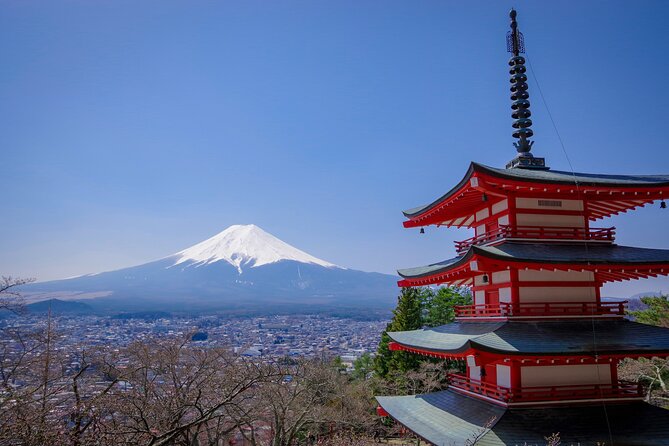
- Mt. Fuji looks from multiple angles: Chureito Pagoda plus Kawaguchiko parks and lakeside time
- Guided local-feel in major cities: Tokyo on foot and by metro, Osaka by bike, Seoul with cultural-and-market stops
- Food and drink are treated like the main event: Osaka’s 5 stops / 10 dishes style pacing, Seoul’s market lanes and alleys
- A practical “highlights” route with rail built in: Tokyo → Osaka flights, Osaka → Seoul flight, then Seoul ⇄ Busan by bullet train
- Small group size (max 15) helps you move efficiently without feeling like a school trip
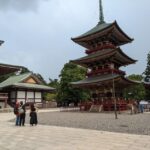
Narita pickup at 8:00 a.m. sets the pace
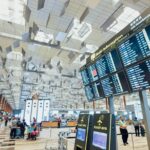
The trip starts at Narita Airport with a scheduled 8:00 a.m. start time. You’ll get a pickup based on your arrival flight, then meet the driver at the airport exit. From there, it’s a straightforward drive to your hotel for check-in.
This is one of those small details that matters more than people think. When your first day begins with a planned transfer, you lose less energy to airport confusion and more energy for actually enjoying the trip. And since the group is capped at 15 travelers, logistics usually feel controlled instead of chaotic.
You can also read our reviews of more tours and experiences in Narita.


Mt. Fuji day: Chureito Pagoda stairs to Saiko’s thatched village
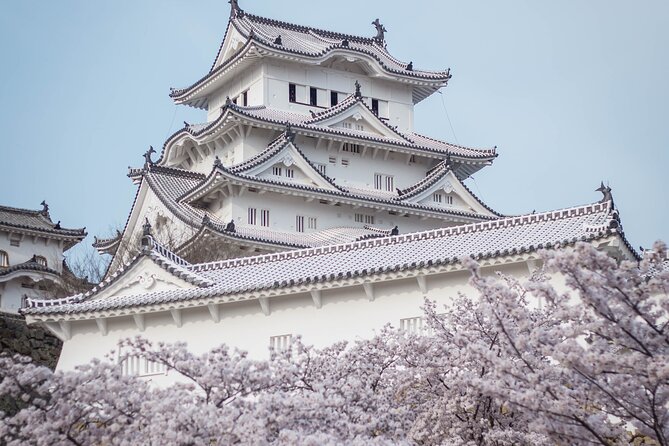
Day 2 is built like a Fuji greatest-hits playlist. You’ll start with pickup in central Tokyo, then move to viewpoints around Mt. Fuji and the lakeside areas that photographers come for.
Here’s the flow:
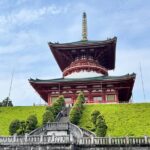
- Chureito Pagoda on Mt. Arakura: it’s the quick stair-climb for the classic view with Mt. Fuji in the background. Admission is free, and you’ll get about 10 minutes at the stop.
- Lake Kawaguchiko: you’ll have lunch near the water and then take a walk to reset your legs a bit (about 2 hours here).
- Oishi Park: seasonal flower scenery with Fuji reflections when conditions cooperate (about 30 minutes).
- Saiko Iyashi no Sato Nenba: a lakeside traditional village with thatched-roof houses (about 1 hour, and admission is included).
What I like here is that you’re not stuck on one viewpoint. You get variety: pagoda-on-a-hill views, then calmer lake walking, then old village atmosphere. It feels like you’re learning how people experience Fuji day-to-day: not just a postcard shot, but parks, water, and heritage spaces.
The only real consideration is weather. Fuji visibility depends on conditions, and this tour gives you multiple attempts. That said, go in with the mindset that you’re visiting the region for the whole scene, not only for one perfect mountain shot.
Tokyo by metro and on-foot: shrines, markets, and the fun stops
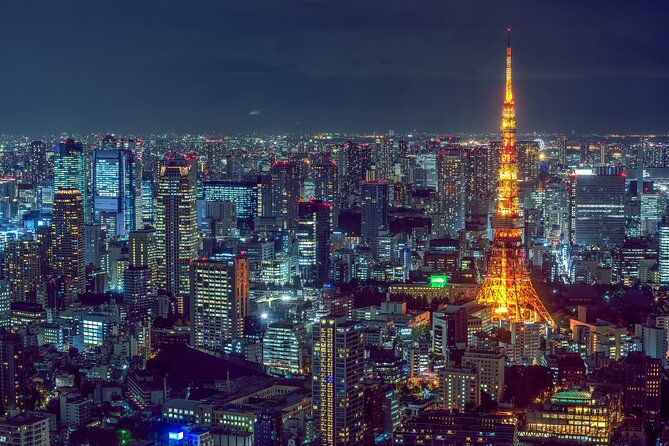
Day 3 is your full Tokyo day with a guided approach and lots of moving around. You’ll ride the city by foot and metro, hitting about 10 attractions. It’s designed for people who want Tokyo to feel real fast, without trying to map everything yourself.
Key stops include:
- Meiji Jingu: a Shinto shrine with free admission and about 30 minutes.
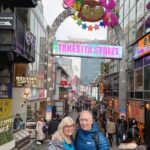
- Harajuku / Shibuya area: fashion street energy and the Meiji-Jingu forest setting near it (about 30 minutes).
- Hachikō at Shibuya: the loyalty statue outside Shibuya Station—quick and memorable (the stop is short but effective).
- Shibuya Scramble Crossing: classic intersection energy (about 20 minutes).
- Tsukiji: you’ll do both Tsukiji Hongwanji Temple and Tsukiji Fish Market area (short temple stop, then about 30 minutes at the market).
- Imperial Palace area / Marunouchi / Tokyo Station area: scenic park-like grounds and architecture around the station (several short segments).
- Akihabara: electronics and anime/manga vibe shopping (about 30 minutes).
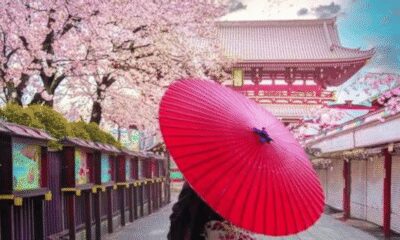
- Sensō-ji and Asakusa Shrine: Tokyo’s big old-temple energy for the last stretch (short, but iconic).
Two things I find smart here. One, you get a mix of classic sacred places (Meiji Jingu, Sensō-ji) and modern Tokyo (Shibuya, Akihabara). Two, you get bottled water provided, which helps on a day where you’re constantly on the move.
Possible drawback: the stops are timeboxed. If you love lingering, this schedule may feel like a series of sprints. But if you want a guided crash course with context, it’s a strong way to start.
Osaka by bicycle and food: Shinsekai’s side streets deliver
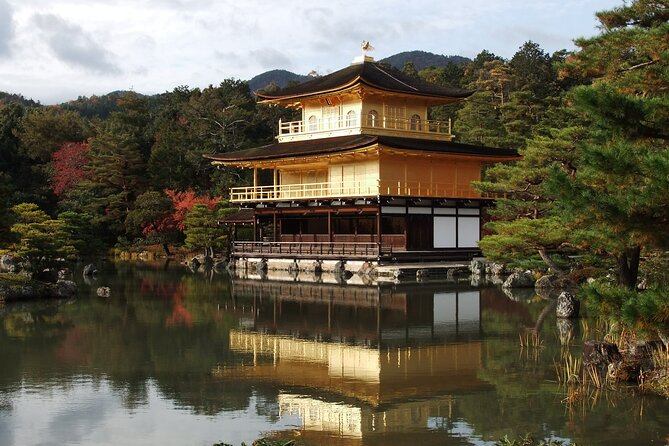
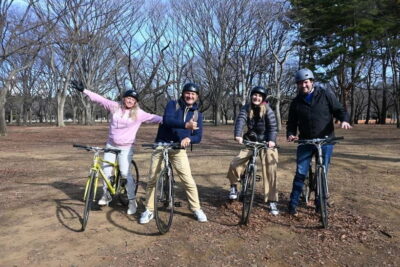
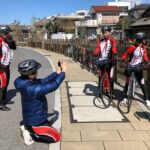
Day 4 gives you Osaka on two wheels, then leans hard into eating. You’ll cycle through neighborhoods and key sites like Osaka Castle Park, Shitennoji, and Shinsekai, with brief photo stops and explanations along the route.
The cycling segment includes:
- Nakanoshima Park and river breeze time (short but pleasant)
- Osaka Castle Park for postcard photos (about 30 minutes)
- Shitennoji, Japan’s oldest Buddhist temple, for a calm pause (about 15 minutes)
- Shinsekai and Tsutenkaku area for that older, working-city Osaka feel (about 15 minutes)
- Tower Knives Osaka: a knife-making exporter intro where you can try using one of the tools (about 15 minutes)
- Namba Yasaka Shrine: quick stop for small charms and prayers (about 5 minutes)
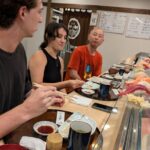
Then comes the part that most people remember: the guided food crawl. You’ll head into Shinsekai backstreets and visit 5 eateries for a total of 10 dishes over about 3 hours. The pacing is built around neighborhood food stalls and local spots, not tourist-only menus.
This is where you’ll get the payoff for choosing this style of tour. Osaka is one of Japan’s best cities for eating, and this plan treats food like a theme, not an optional add-on.
Only consideration: biking. The itinerary doesn’t spell out equipment details, but you should assume you’ll spend time actively riding. If your balance or stamina is limited, tell the company early.
Kyoto and Nara from Osaka: Golden Pavilion plus the Big Buddha
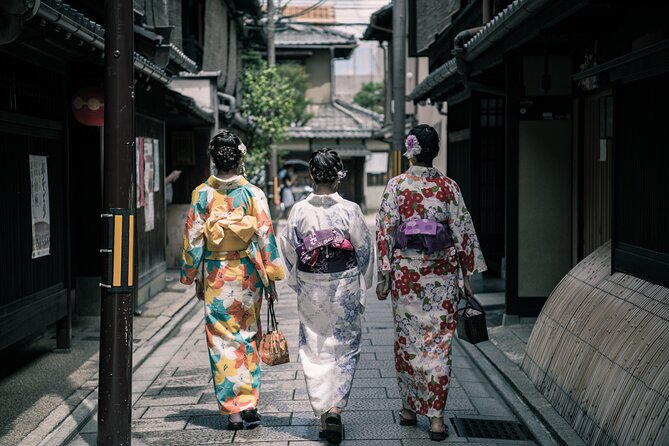
Day 5 is a one-day Kyoto and Nara combo, starting from Osaka. It’s an efficient use of time, and the route is classic: a signature temple in Kyoto, then deer-and-UNESCO scale in Nara.
In Kyoto:
- Kinkaku-ji (Golden Pavilion): about 45 minutes with admission included. It’s built around the Golden Pavilion and Mirror Pond reflections, so timing and photography conditions matter, but even without perfect angles, it’s visually strong.
- Arashiyama: about 2 hours. The schedule includes a lunch choice (buffet-style with many Kyoto dishes, or a beef shabu-shabu option). You’ll also be near the Sagano Bamboo Forest area via Tenryuji side access.
In Nara:
- Nara Park: about 45 minutes with free time around the deer and the park setting.
- Todai-ji Temple: about 45 minutes with admission included. This is the Big Buddha Hall stop, where the scale of the wooden structure does a lot of the talking.
The trade-off with combo days like this is you don’t get slow travel. You do get highlights, and you get context. If you’re the type who wants to check major sights off your list with guided explanations and minimal planning stress, it’s a good fit.


Flying to Seoul: the schedule gets fast
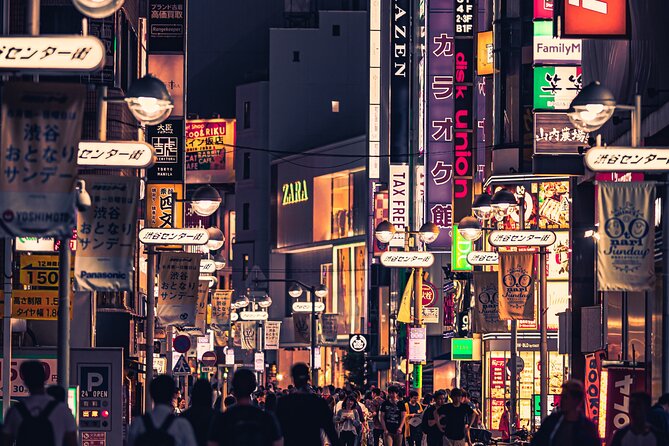
Day 3 ends with a flight from Tokyo to Osaka. Day 6 then includes a flight from Osaka to Seoul. Between these, you’re also taking internal transport like the bullet train later.
Practically, this matters for your packing and energy planning. You’ll want comfortable layers, shoes you can walk in for long hours, and a small day bag that works when you’re moving between airport zones, hotel check-ins, and guided meeting points.
Also, since the itinerary includes hotel accommodation and rail/air tickets, you’re paying for a plan that reduces decision fatigue. You’re trading freedom for structure, and the structure is what keeps a 9-day trip from turning into a logistics nightmare.
Seoul with two different moods: alley food and palace ceremonies
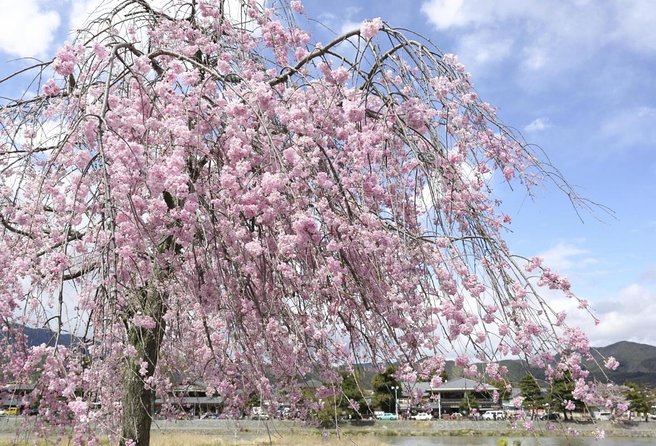
Seoul gets split into two distinct days, and I like that. One day leans into eating and drinking energy. The other day is palace and heritage pacing.
Day 6: Insadong lanes, Kwangjang Market, Jongro stops
This day is described as a special focus on drinking at each spot while you eat outstanding food. It’s a 5-hour tour that moves through neighborhoods Koreans know well, including:
- Insadong (about 1 hour): traditional shops and tea-house atmosphere.
- Kwangjang Market (about 1 hour): variety of foods and drinks.
- Jongro Gallery (about 2 hours): hidden areas with multiple food and drink tastings.
- Sewoon Arcade / Makercity Sewoon: a stop inside an arcade setting.
If you like sampling, this is the kind of day you’ll probably enjoy most. But if you’re not into food-and-drink pacing, you’ll need to manage expectations. This isn’t a sit-in-a-museum kind of itinerary day.
Day 7: Jogyesa, palaces, royal guard ceremony, and markets
Day 7 is the formal Seoul highlight day, with hotel pickup and drop-off, lunch, and entrance fees included. You’ll see:
- Jogyesa Temple (about 30 minutes): Zen Buddhism center feel, with older trees near the main building.
- Gyeongbokgung Palace (about 2 hours) plus Gwanghwamun Gate area for the royal guard changing ceremony. The tour also notes that Tuesdays have closures, and you’ll shift to Deoksugung and the Presidential Blue House Museum instead.
- Insadong again (about 50 minutes), this time with a more antique/tea-cultural angle.
- Changdeokgung Palace (about 1 hour): the well-preserved royal villa and rear garden features.
- Namdaemun Market / Namdaemun gate area (about 30 minutes): a historic gate listed as a national treasure, with rebuilding after the 2008 fire.
This day works well because you get both the ceremonial core (palaces, guard ceremony) and the everyday culture (Insadong, Namdaemun). You’ll likely walk more than you think. Build in breaks by using the lunch time well and sipping water between stops.
Busan day: sea temples, coastline views, and colorful villages
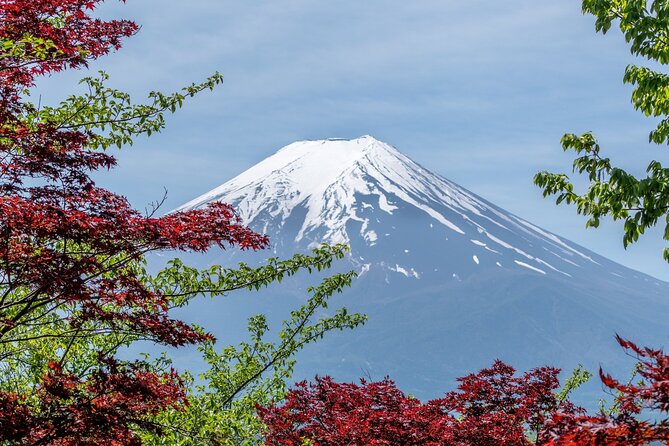
Day 8 is where the trip slows slightly in terms of vibe, but not in sightseeing. You’ll cover a classic Busan mix: coast scenery, a seaside temple, and culture villages.
Stops include:
- Haedong Yonggungsa (about 1 hour, admission included): a temple built right along the shore, unlike mountain temples you might expect.
- Taejongdae (about 3 hours, admission included): rock beach scenery, pine forests, and a peak around 250 meters.
- Busan Gamcheon Culture Village (about 1 hour): staircase-built houses, murals, and resident art—often called the MaChu Picchu of Busan style.
- Huinnyeoul Culture Village (about 1 hour): connected to Yeongdo, with a coastal path and an art village feel.
What I like here is that Busan feels different from Seoul. You’re trading palace courtyards for ocean air and steep hillside streets with art and views. If you want your trip to feel like it changes gears, this day does it.
The $4,900 value question: what you’re buying besides sightseeing
Let’s talk price in practical terms. This tour is $4,900 per person for roughly 9 days and 8 nights, and it includes a lot that adds up fast if you book it separately.
Included items (based on the tour data):
- Professional tour guide service
- Hotel accommodation
- Air tickets: Tokyo → Osaka and Osaka → Seoul
- Bullet train ticket: Seoul ⇄ Busan (round trip)
- Meals: 8 breakfasts, 5 lunches, 2 dinners
- Pickup offered and mobile ticket
- Max group size of 15 travelers
You’re paying for planning work: flights, rail, hotel, and a guided structure that strings together Tokyo/Osaka/Kyoto/Nara/Seoul/Busan without you having to research every transfer. In short: you’re buying fewer decisions.
From what I’ve learned about this kind of itinerary, the biggest value usually comes from the rail and air legs. If you try to DIY, you’ll spend time comparing schedules, securing tickets, and building a route that makes sense day-to-day. Here, those big legs are handled.
Not included: gratuities for the guide and driver. That’s common, but it’s still a real cost to plan for.
Who should book this tour (and who should think twice)
This tour suits you if:
- You want a guided plan with a lot of iconic stops across both countries
- You enjoy food-focused sightseeing, especially Seoul markets and Osaka alley meals
- You’re okay with moving quickly and walking frequently
- You prefer a small group size (max 15) rather than a huge coach crowd
Think twice if:
- You’re hoping for slow travel and long unstructured afternoons
- You have limited stamina for stair climbs and cycling
- Weather-dependent sights like Fuji matter more to you than the full Fuji-region experience
One more note: the tour is flagged as requiring strong physical fitness. That doesn’t mean it’s extreme adventure. It means you shouldn’t book it if you’re expecting mostly relaxed sightseeing.
My booking verdict: book it if you want highlights with a plan
If your goal is to see the big winners of Japan and South Korea in a short time, this tour makes sense. The itinerary is heavy on guided movement, but that’s exactly what keeps the route from feeling like a pile of disconnected days. You get the Fuji region, you get Tokyo’s mix of old and new, you get Osaka’s food obsession, and you finish with Seoul culture plus Busan coast.
Just be honest with yourself about energy levels. If you can handle active days and you like food, this becomes one of those trips that feels packed but satisfying.
FAQ
How does pickup from Narita work?
The tour offers pickup from Narita Airport based on your arrival flight. You meet the driver at the airport exit, and then you’re driven to the hotel to check in.
Where does the tour start and when?
The start is Narita Airport, at 1-1 Furugome, Narita, 282-0004, Chiba Prefecture. Start time is listed as 8:00 a.m.
How long is the tour?
It’s listed as 9 days (approx.), covering 8 nights.
What’s included in the price?
The price includes a professional tour guide, hotel accommodation, flights from Osaka to Seoul and Tokyo to Osaka, a Seoul to Busan round-trip bullet train ticket, and meals (8 breakfasts, 5 lunches, 2 dinners).
What’s not included?
Gratuities to the tour guide and driver are not included.
How many people are in the group?
The tour lists a maximum of 15 travelers.
What kinds of sightseeing are included in Japan?
Japan includes a Mt. Fuji day (Chureito Pagoda, Lake Kawaguchiko, Oishi Park, and Saiko Iyashi no Sato Nenba), Tokyo highlights (including Meiji Jingu, Shibuya, Tsukiji, Akihabara, and Asakusa/Sensō-ji), Osaka by bicycle and food stops, plus a Kyoto/Nara day with Kinkaku-ji, Arashiyama, Nara Park, and Todai-ji.
What kinds of sightseeing are included in South Korea?
South Korea includes Seoul food and market stops (Insadong, Kwangjang Market, Jongro Gallery, and Sewoon Arcade), plus major Seoul landmarks and palaces (Jogyesa Temple, Gyeongbokgung, Changdeokgung, Namdaemun area) and a Busan day with Haedong Yonggungsa, Taejongdae, Gamcheon Culture Village, and Huinnyeoul Culture Village.
Is the tour physically demanding?
The tour information says travelers should have a strong physical fitness level.
Can the booking be changed or refunded after cancellation?
This experience is non-refundable and cannot be changed for any reason. If you cancel or ask for an amendment, the amount you paid will not be refunded.
When will I get confirmation after booking?
Confirmation is expected within 48 hours of booking, subject to availability.