REVIEW · TOKYO
Private Ginza Architecture Tour
Book on GetYourGuide →Operated by Showcase Tokyo Architecture Tours · Bookable on GetYourGuide
Ginza can look polished from a distance, but this tour shows the design logic behind it. I love the way it connects Japanese Metabolism thinking from the 1960s–70s to what you see today in Ginza, and I love that the route mixes famous names with emerging architectural energy. The one trade-off: you should plan on steady walking, and the tour includes drinks but not meals.
You’ll start at Tsukiji Hongwan-ji temple and finish near Ginza 4-chome, so this works best if you like a clear, contained loop through central Tokyo. I also like that it is a true private group with an English-speaking guide, so you can ask questions as you go. If you’re aiming for a purely relaxed stroll, this is probably more “active architecture outing” than “slow sightseeing.”
In This Review
- Key Things You’ll Notice on This Private Ginza Architecture Tour
- Why Ginza Architecture Feels Like a Design Lab
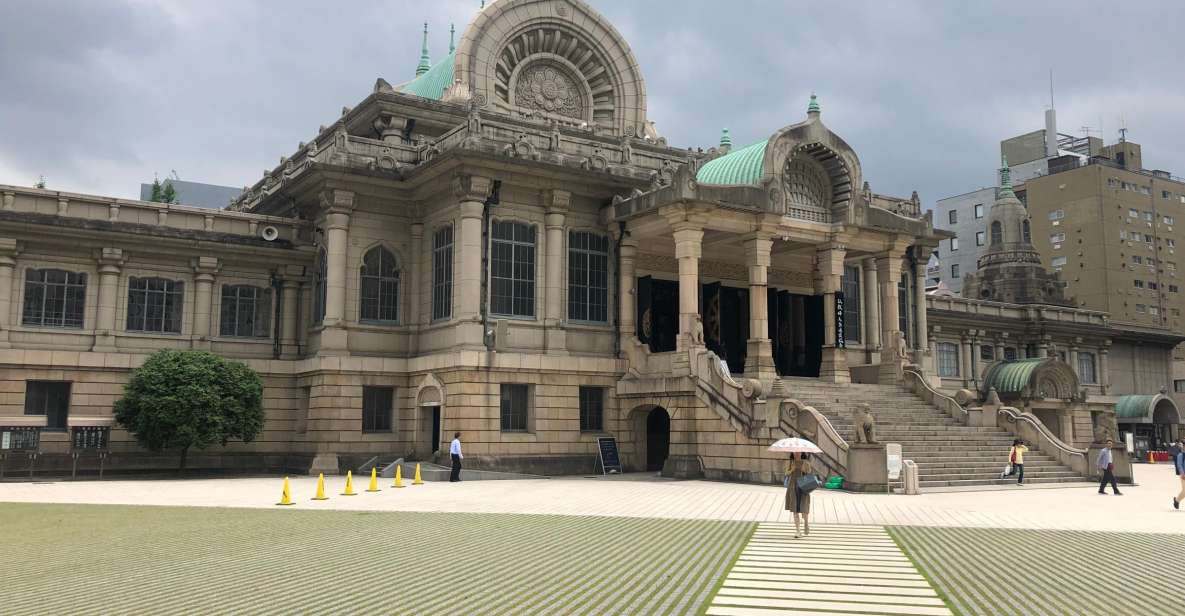
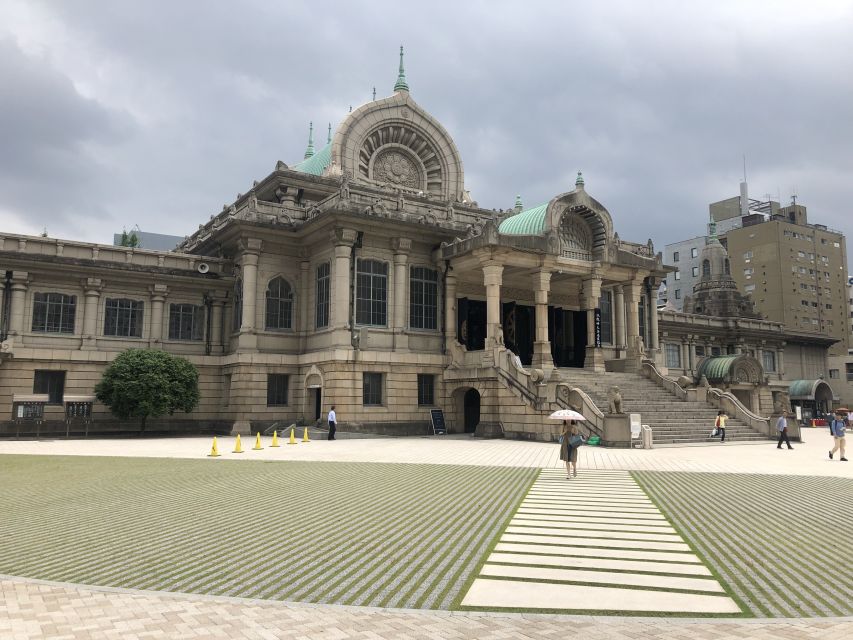
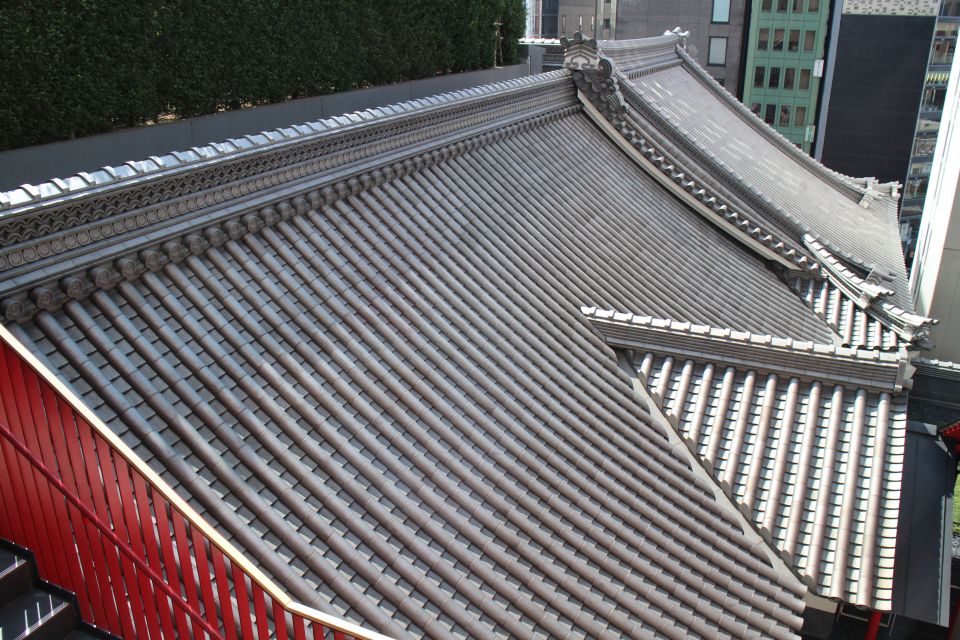
- Meeting at Tsukiji Hongwan-ji: Indian-Style Outside, Church-Like Inside
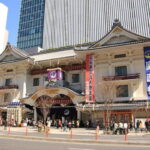
- Kabuki-za Theater (2013): Modern Build, Traditional Style DNA
- From Metabolism Ideas to Today’s Landmarks: Hayek, Hermes, Tokyu, Mikimoto
- Okuno Building and the Wako (SEIKO) Finish at Ginza 4-chome
- The Secret Backstreet Side Trip: Ginza Without the Main-Strip Noise
- How the 210 Minutes Feel: Pace, Break Time, and Photo Planning
- Price and What You Really Get for $129
- Who This Private Ginza Architecture Tour Is For
- Should You Book This Private Ginza Architecture Tour?
- FAQ
- Where does the tour start?
- How long is the Private Ginza Architecture Tour?
- What’s included in the price?
- What language is the tour guide?
- What is not included?
- Is it refundable if my plans change?
Key Things You’ll Notice on This Private Ginza Architecture Tour
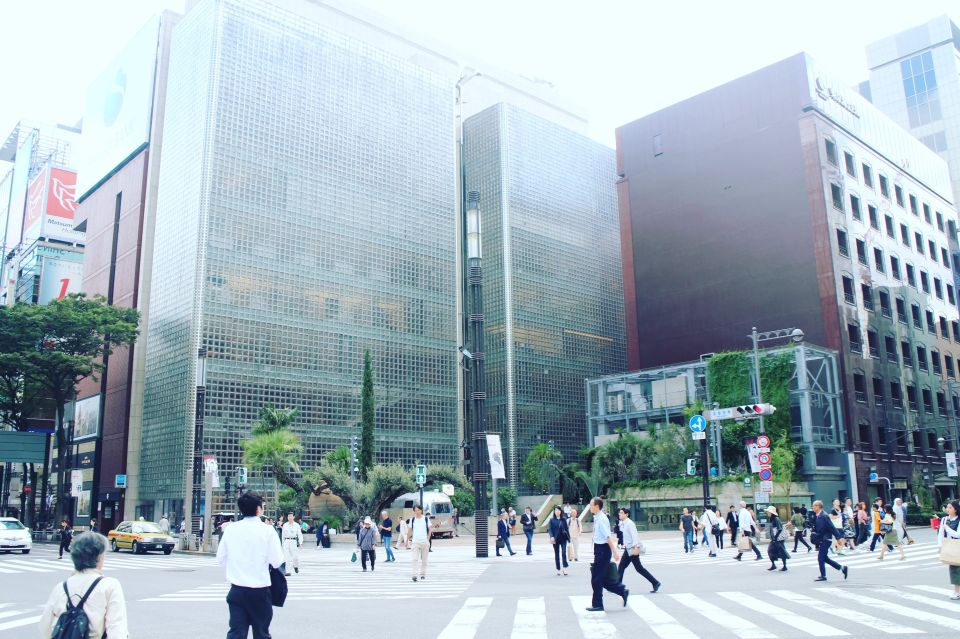
- Metabolism in plain sight: proposals for New Urbanism from the 1960s–70s, tied to buildings you can stand in front of today
- Tsukiji Hongwan-ji’s surprising contrast: an Indian-style exterior paired with a European church-like interior
- Kabuki-za continuity after a rebuild: the newly built 2013 theater that inherited traditional style cues
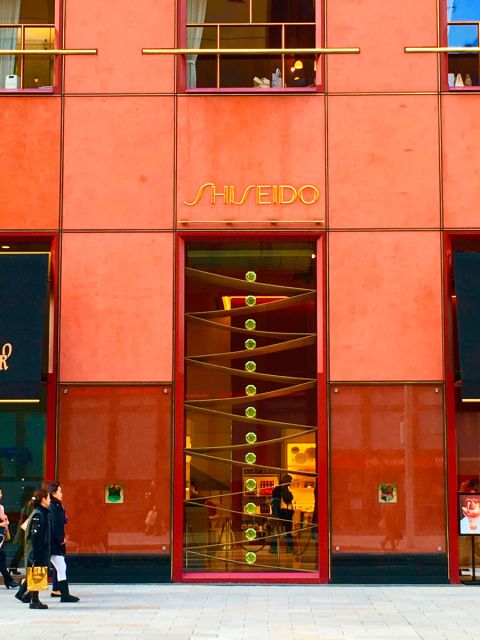
- A designer lineup across eras: Nicolas G. Hayek Center, Maison Hermes, Tokyu Plaza Ginza, Mikimoto Ginza 2, and the Okuno Building
- Ginza 4-chome’s Wako/SEIKO moment: you end at the famous intersection with the Wako building in view
- A side trip off the main drag: backstreet lanes that show Ginza’s quieter texture, not just the big frontages
Why Ginza Architecture Feels Like a Design Lab
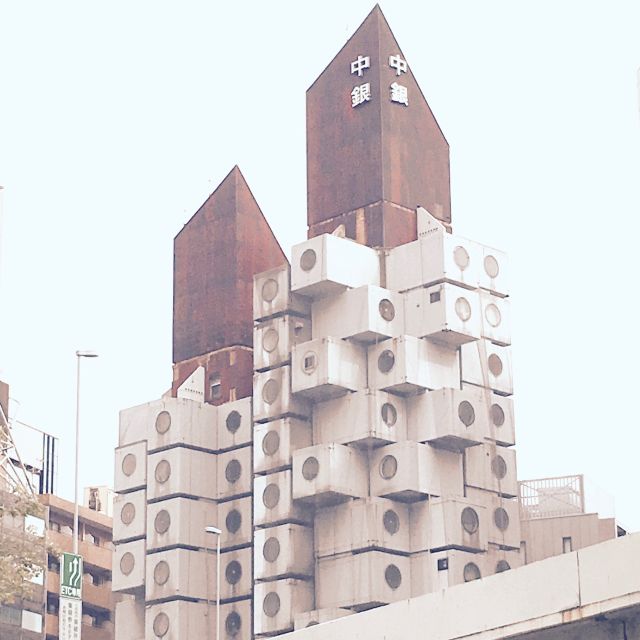
Ginza is one of Tokyo’s most recognizable districts, but it can also be easy to treat as a shopping zone. This tour flips that script. It frames Ginza as a place where planning ideas, commercial ambition, and architectural experiments all collide.
The best part is the arc: you start at a temple that already breaks expectations, then you move into modern landmark architecture while keeping one theme in focus. The guide’s talk is geared toward helping you see how form and city thinking evolve, not just how buildings look.
If you like architecture that has a point, not just a pretty face, this is a strong match.
You can also read our reviews of more private tours in Tokyo

Meeting at Tsukiji Hongwan-ji: Indian-Style Outside, Church-Like Inside
Your tour starts in front of the main gate of Tsukiji Hongwan-ji temple. Getting there is straightforward: take the Tokyo Metro Hibiya Line to Tsukiji station, exit at Exit 1, turn left, and walk straight for under a minute.
This stop is more than a warm-up. The temple is described as having an Indian-style exterior, paired with an interior that feels like a European church. That kind of stylistic mix is exactly what makes Tokyo architecture fun to learn in person. It teaches you to look past labels and notice how design choices create atmosphere.
Practical tip: once you arrive, take a minute to slow down and actually look at the transitions—outside to inside, bright street edge to the worship space. It makes the rest of the walk click.
Kabuki-za Theater (2013): Modern Build, Traditional Style DNA
Next you visit the newly built Kabuki theater, finished in 2013. The key idea here is inheritance: it was rebuilt while keeping traditional style directions from earlier generations.
If you only know Kabuki-za by photos, this is where you start connecting visuals to function. Theater buildings are designed for more than audiences and seating. They shape sightlines, movement, and the feeling of occasion. When the structure is modern but the style language remains, it’s a good example of architecture balancing continuity with the reality of rebuilding.
From a value standpoint, this stop works well because it gives you a “why” you can carry to later stops. You’ll start noticing how entrances, facades, and massing guide movement across the district.
From Metabolism Ideas to Today’s Landmarks: Hayek, Hermes, Tokyu, Mikimoto
This tour’s DNA is the Japanese Metabolism movement. You’ll hear it referenced as proposals for a New Urbanism in the 1960s to 70s, an era when architects were rethinking how cities could grow and change.
What makes this useful is that the walk isn’t stuck in theory. It uses landmark buildings to help you connect ideology to built form. As you progress, you’re not just looking at famous names—you’re learning how big architectural moves show up as practical shapes and urban relationships.
Key stops in this stretch include:
- Nicolas G. Hayek Center
- Maison Hermes
- Tokyu Plaza Ginza
- Mikimoto Ginza 2
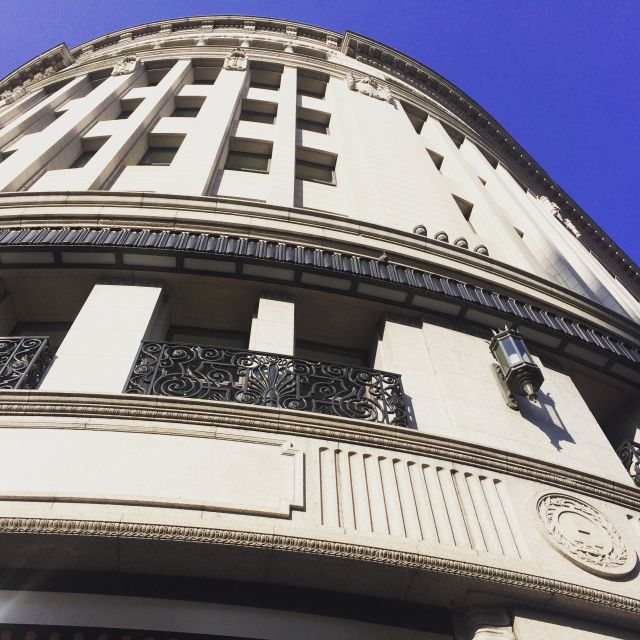
A lot of visitors focus on the front facade, but the guide’s approach is meant to help you look for balance. These buildings sit in a district where commercial life is intense, yet the architecture often tries to control scale and rhythm. That’s where you’ll appreciate the tour’s promise of “well-balanced works from traditional to modern.”
Possible drawback to keep in mind: these stops are visually busy by design. If you want quiet photography with zero distractions, you may prefer early or late in the day—but the tour’s payoff is the architecture education, not empty streets.
Okuno Building and the Wako (SEIKO) Finish at Ginza 4-chome
Later, you move on to the Okuno Building and then finish at the intersection of Ginza 4-chome. This is where you’ll find the Wako building, known for its SEIKO watch presence.
Ending here makes sense. Intersections are where architecture becomes urban choreography. You see buildings not as isolated objects, but as parts of a larger spatial conversation: sightlines, corner presence, and how massing holds a street edge together.
This final moment also gives you a natural decompression point. After roughly 210 minutes, you’ll likely have plenty to compare in your mind—how earlier stylistic surprises (like the temple) prepared you for later landmark contrast.
If you’re planning onward activities, give yourself a little buffer after the tour. You’ll be in one of Tokyo’s most central clusters, but you’ll still want time to reorient and choose your next move.


The Secret Backstreet Side Trip: Ginza Without the Main-Strip Noise
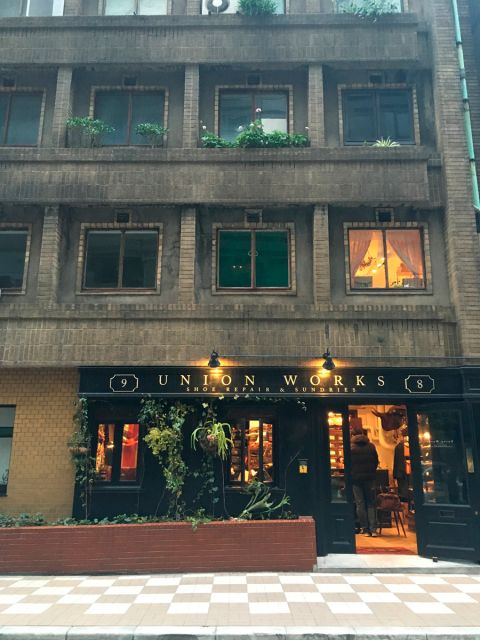
A highlight you don’t get on typical “big building” walks is the secret side trip to a backstreet neighborhood. The point is simple: Ginza isn’t only its big facades. The district’s character also shows up in smaller lanes and side blocks where the rhythm changes.
This works well for architecture curiosity. You start to notice details that feel human-scale: building edges, street proportions, and the way pedestrian flow tightens and relaxes. Even when the architecture is less famous here, the city design becomes easier to read.
Practical tip: bring your patience for narrow spaces. These lanes can feel like a different neighborhood mood compared to the wide, iconic Ginza streets. That contrast is part of the learning.
How the 210 Minutes Feel: Pace, Break Time, and Photo Planning
The tour lasts 210 minutes, so think about it as a solid 3.5-hour architecture outing. It’s a walking tour, and the included break time with drinks helps you reset without needing to hunt for a stop on your own.
Because it’s a private group, the pace can feel more controlled than a large group tour. That matters when you’re trying to read architectural details. You want time to look up, compare angles, and ask follow-up questions.
What to wear: comfortable shoes are the real requirement here. Ginza is flat in the big picture, but you’ll still cover ground and move between multiple landmark zones. If you’re planning to do it in heels, do it only if you’re truly confident.
Photo tip: if you’re trying to capture both the building and the street context, keep moving. If you stop too long at one corner, you’ll lose the chance to compare multiple facades and corners across the route.
Price and What You Really Get for $129
At $129 per person, you’re paying for three things: an English-speaking guide, a private format, and a guided walking structure that ties architecture to city thinking.
Is it cheap? No. But you’re not just buying time standing in front of buildings. You’re buying interpretation—especially around the Metabolism movement and how the tour relates those 1960s–70s urban ideas to modern Tokyo landmarks.
It also includes a break with drinks, which is a small thing but a real convenience in the middle of a 3.5-hour loop. The tour is also concentrated in central areas, so the mental overhead of planning your own route drops a lot.
What’s not included matters for budgeting: meals and transportation fees to and from the Ginza area are not part of the price. In practice, that means you should plan to arrive ready to start and handle your own post-tour transport and food.
Who This Private Ginza Architecture Tour Is For
This tour is a strong fit if you:
- enjoy architecture more than shopping or museum-style sightseeing
- want context for modern landmarks instead of just names
- like urban ideas explained in a way you can see while walking
It may be less ideal if you:
- want a slow pace with long sit-down breaks
- prefer a strictly scenic route without design interpretation
- are trying to combine multiple far-flung neighborhoods in one day (because this is focused on a tight Ginza-centered corridor)
Because the tour is private and English is offered, it’s also a good option if your group wants a calmer pace and more questions answered in real time.
Should You Book This Private Ginza Architecture Tour?
I’d book it if you care about architecture and you like the mix of old-meets-new design thinking. The value is strongest in the way it connects Metabolism-era urban ideas to specific Ginza landmarks, while also starting with Tsukiji Hongwan-ji’s unexpected architectural contrast.
If you’re short on time and want a guided “read the city” experience in one go, this format is efficient. Just come prepared to walk, and plan your meal and transport separately.
If that sounds like your kind of Tokyo day, this is a smart choice.
FAQ
Where does the tour start?
The meeting point is in front of the main gate of Tsukiji Hongwan-ji temple. Get out of Exit 1 of Tsukiji station (Tokyo Metro Hibiya line), turn left, and walk straight for less than a minute.
How long is the Private Ginza Architecture Tour?
The tour duration is 210 minutes (about 3.5 hours).
What’s included in the price?
Included items are a guide, a walking tour, and a break time with drinks.
What language is the tour guide?
The live tour guide speaks English.
What is not included?
Meals and transportation fees to/from the Ginza area are not included.
Is it refundable if my plans change?
Yes. Free cancellation is available up to 24 hours in advance for a full refund.