REVIEW · TOKYO
Tokyo : Visite des temples d’Asakusa avec guide français
Book on GetYourGuide →Operated by Sunrise Adventure · Bookable on GetYourGuide
Asakusa feels like a time machine. You get a Sensoji visit with a French guide, plus hands-on culture like temizu washing and omikuji fortunes. One thing to consider: this is a walking tour, so plan on comfortable shoes and a steady pace.
I also like the small-group size, max. 8 people, which keeps questions from piling up at the back. You’re guided through street-level details, not just photo stops, and that makes the whole area feel easier to read as you go.
The route mixes big landmarks with quieter spiritual moments, so you don’t just see temples—you learn how people actually behave there. If you enjoy ritual and meaning, the omikuji and the healing incense moment are the kind of specific experiences that stick with you.
In This Review
- Key takeaways before you go
- From Burger King Asakusa to Skytree Views
- Kaminarimon and Nakamise: The Entrance Scene and the Snack Meaning
- Temizu, Omikuji, and Jokoro: Rituals You Can Actually Participate In
- Sensoji Prayer Etiquette: Buddhist Practice in the Same Neighborhood
- How This Tour Explains Shinto and Buddhism Without Over-Splaining
- Price and Value: Is Around $40 Worth It?
- What to Pack and How to Make It Enjoyable
- Who This Tour Suits Best
- Should You Book the Asakusa Sensoji Tour?
- FAQ
- Is this tour fully walking?
- Where do I meet the guide?
- How early should I arrive?
- What language is the guide?
- How big is the group?
- Do I need extra money during the tour?
- Will the tour run in bad weather?
- What rituals are included?
- Is it wheelchair accessible?
- What is the cancellation policy?
- Can I book now and pay later?
Key takeaways before you go
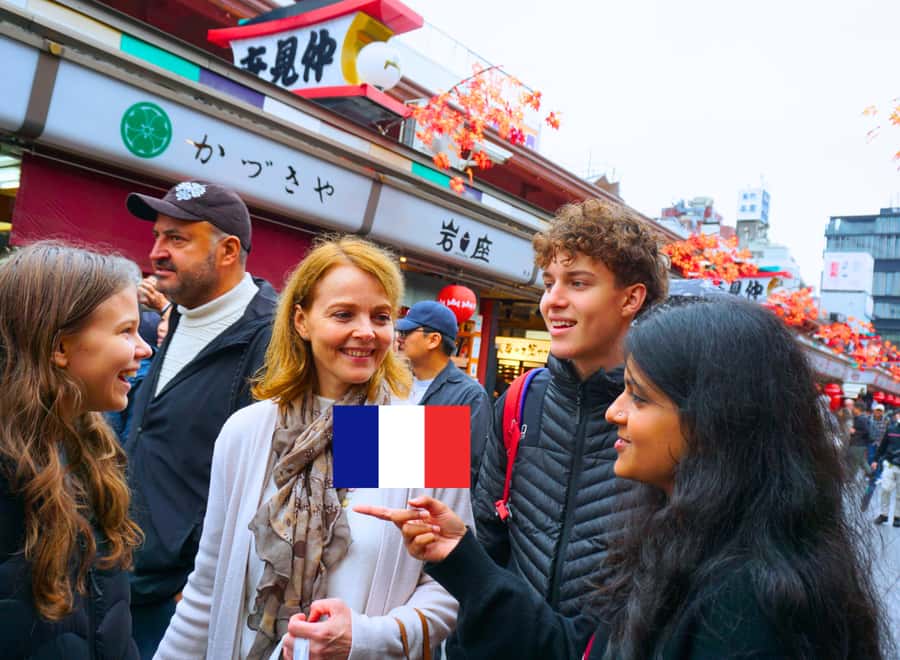
- Kaminarimon’s 700 kg lantern: you’ll learn what it is and why it matters
- Panoramas from Asakusa: Azumabashi views and a higher look from the info center
- Temizu, omikuji, jokoro: practical explanations of real rituals
- Buddhist prayer etiquette at Sensoji: how it differs from nearby shrine practice
- Max. 8 group with a French guide: easier pacing and Q&A
From Burger King Asakusa to Skytree Views
This tour is built around one simple idea: start in the right place, then let your guide help you make sense of it. You meet at Burger King Asakusa, near the lively streets. The guide waits at the entrance holding a Sunrise Adventure sign. Arrive about 10 minutes early so you can start calmly, not at sprint speed.
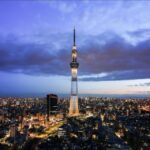
Once you’re together, the first “wow” comes fast. You begin at Azumabashi Bridge, which gives you a clean view over Asakusa and Tokyo’s skyline. If the sky’s clear, that sightline is a great way to orient yourself before you step into the older lanes.
Then the tour climbs. You head up to the top floor of the Asakusa Tourist Information Center for a panorama over the area. It’s not just a random stop. It helps you understand where you are going next, especially when the streets start to curve and overlap. Tokyo can feel maze-like; this view helps your brain draw a map.
The walking portion matters too. This isn’t a sit-down museum tour. You’ll be outside most of the time, moving through crowds and quieter side streets. The weather changes fast in Japan, so dress for rain or heat. The good news: the tour runs in good or bad weather, so you don’t lose the plan just because clouds roll in.
If you come in wanting structure—when to look up, where to stand, what to notice—this opening sets the tone. You’ll feel like you’re getting a guided storyline rather than just a checklist of temples.
You can also read our reviews of more guided tours in Tokyo
Kaminarimon and Nakamise: The Entrance Scene and the Snack Meaning
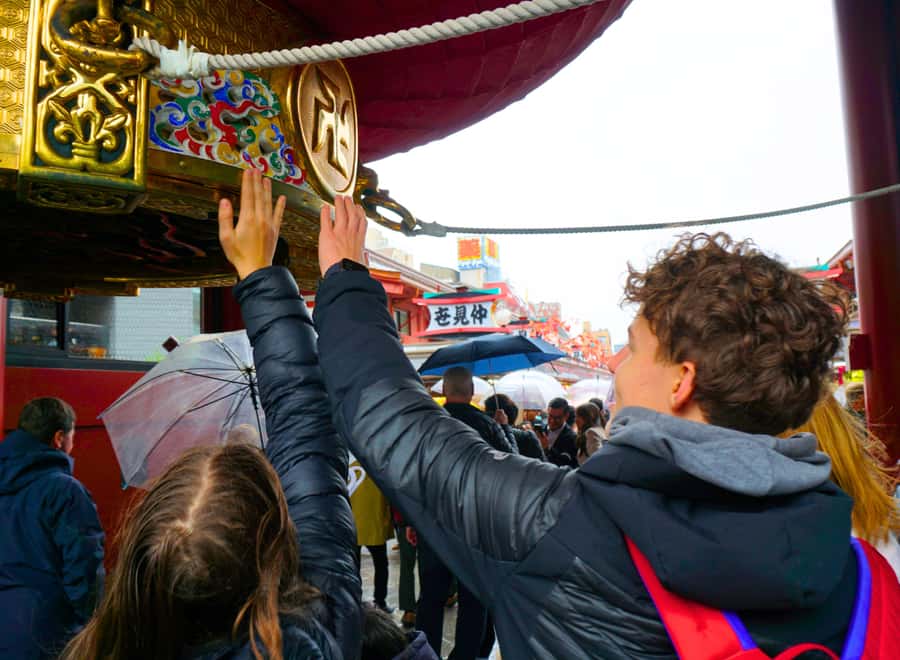
After your high-level orientation, you step into the famous gateway energy. You go through the Kaminarimon area, known for the red lantern hanging at the front. Your guide explains the lantern’s history, including the fact that it weighs about 700 kg, and the meaning behind the name: thunder gate.
Here’s what makes this moment valuable: people rush into photos without understanding why the place feels loud and important. With the guide’s context, you start noticing how the architecture and rituals point you toward behavior. Even before you reach the temple grounds, you learn how visitors and worshippers move through the space.
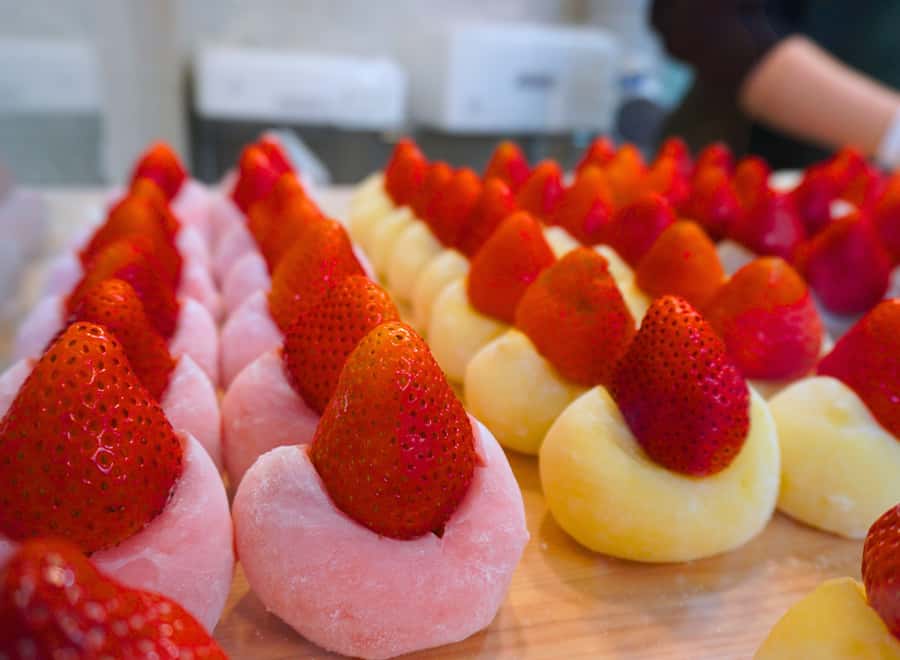
Next comes Nakamise, the street where shops line up along the route. Yes, you’ll see souvenirs. But the tour doesn’t treat the street like a vending strip. You learn the cultural meaning of common sweets and typical items people buy there. Your guide also points out where you can find the best options, which is helpful if you don’t want to guess blindly while the crowd pushes around you.
A small practical thought: Nakamise is busy. If you’re hoping for a slow stroll, you’ll need to follow the group and time your photos around your guide’s cues. Still, this is exactly where the tour earns its keep—because your guide turns a crowded shopping lane into something you can understand.
If you like travel that mixes the visible and the symbolic, this part is strong. You’ll leave knowing the “what” and the “why,” not just collecting a bag of snacks.
Temizu, Omikuji, and Jokoro: Rituals You Can Actually Participate In
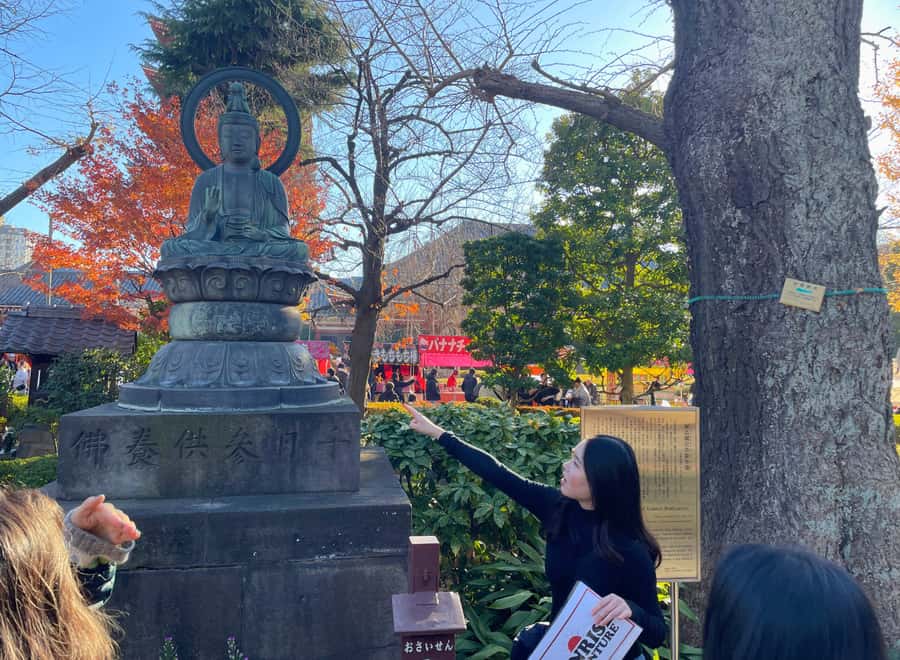
The most memorable moments often happen in the places most people skim. This tour makes a point of showing you the sanctuaries and temples that sit slightly off the main flow. That shift matters in Asakusa, where the spiritual landscape can look simple from the outside but is complicated in practice.
You’ll learn how Shinto and Buddhism show up side by side in modern Japan. And not in an academic way. It’s explained through the rituals you’ll see and, in some cases, try through your guide’s instructions.
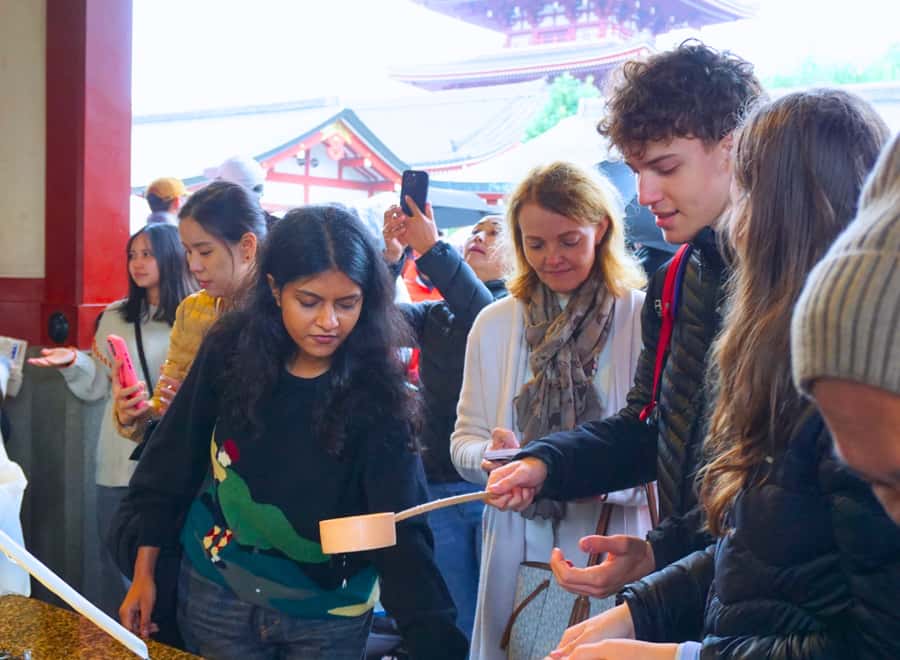
One key ritual is temizu, the hand-washing practice you’ll spot near shrine areas. Your guide explains what it represents and how it’s done respectfully. Once you know the steps and the intent, the action stops being just a quirky habit and becomes a way to understand how people prepare for prayer.
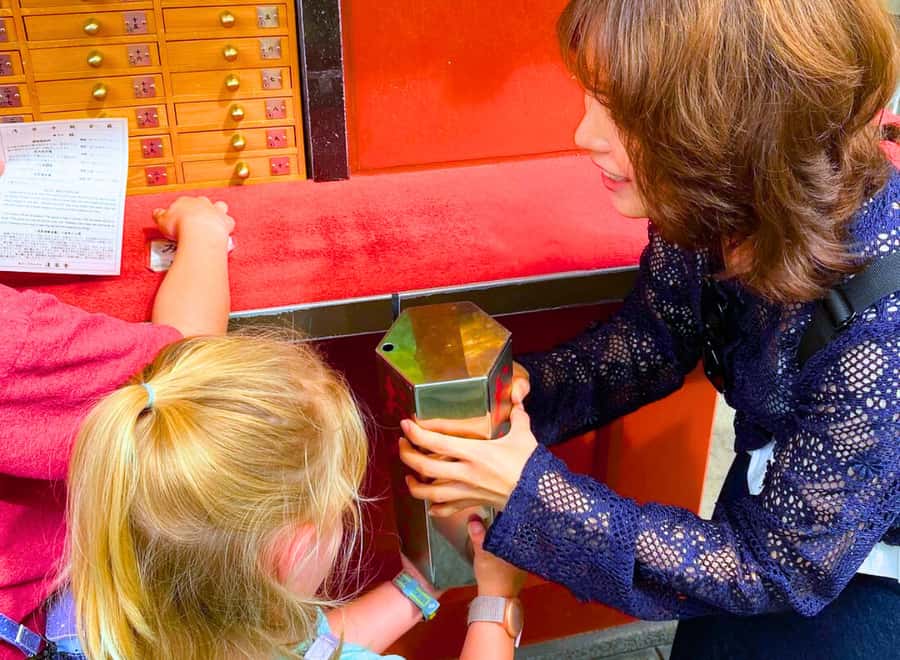
Then there’s omikuji, the fortune slips. You’ll try them during the visit. Your guide walks you through how to interpret the message and what the ritual means in everyday life. Even if you don’t read every character perfectly, you’ll understand the process and what to do with the outcome.
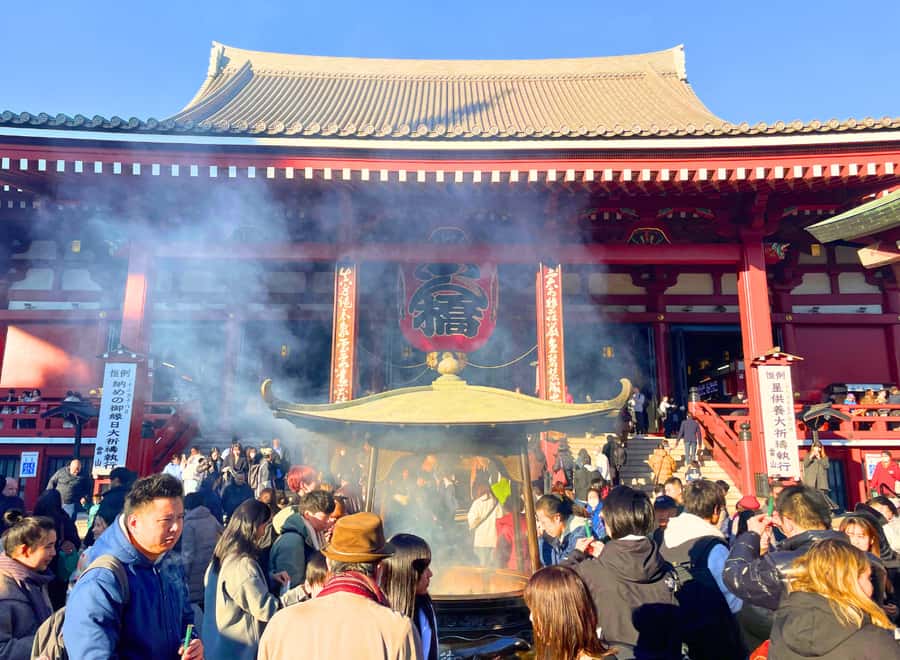
Another ritual moment involves incense used for healing, including the jokoro area where people burn incense. Your guide ties this to the idea of purification and well-being. It’s one of those experiences that feels physical, not theoretical—you watch, you understand the purpose, and you see why people take time with it.
If you’re worried about doing the wrong thing, that’s exactly what the guide solves. A patient, friendly approach helps you feel comfortable moving through sacred spaces. In particular, a guide named Nicolas is noted for being both patient and kind, and that kind of tone makes rituals less stressful.
One consideration: you’re learning while walking. If you’re the type who prefers reading everything slowly, you may want to keep a mental buffer for information while still paying attention to what your guide indicates in real time.
Sensoji Prayer Etiquette: Buddhist Practice in the Same Neighborhood
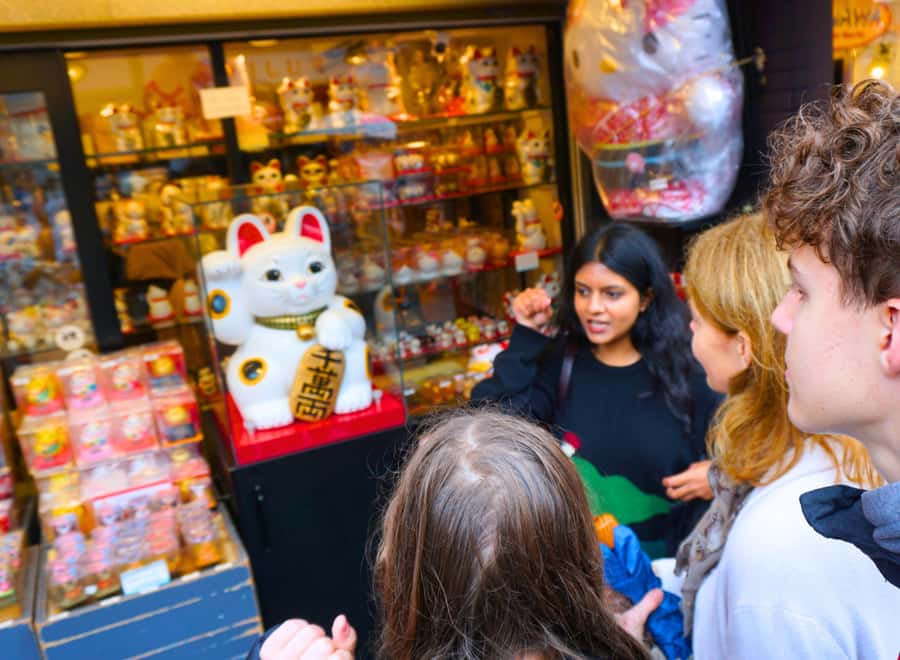
Now you reach the core stop: Sensoji. This is where the tour’s explanation becomes very practical. Sensoji isn’t just a photo backdrop. Your guide explains how to pray in the Buddhist style used at the temple, which is different from the nearby Shinto sanctuaries.
You’ll learn the basics of how people approach the space respectfully: how to bow, how to move through temple and gate areas, and how to handle the sense of ceremony that surrounds the main worship zones. The tour also covers how to treat the torii gates respectfully as you pass through—another place where your guide’s instruction saves you from guessing.
What I like about this part is the contrast. You’ll understand how the same neighborhood can feel shared but still follow different rules depending on the tradition. That helps you avoid the common mistake of assuming all Japanese sacred places operate under one identical etiquette.
And while Sensoji is famous, the tour also keeps you aware of the quieter spiritual layers around it. So you’re not only hearing about major structures; you’re building a mental model for why people behave the way they do.
If your goal is to build a deeper connection to Japan’s culture—beyond surface sightseeing—this is the section that does it. You end with a better sense of what you were watching all along: beliefs expressed through everyday motions.
How This Tour Explains Shinto and Buddhism Without Over-Splaining
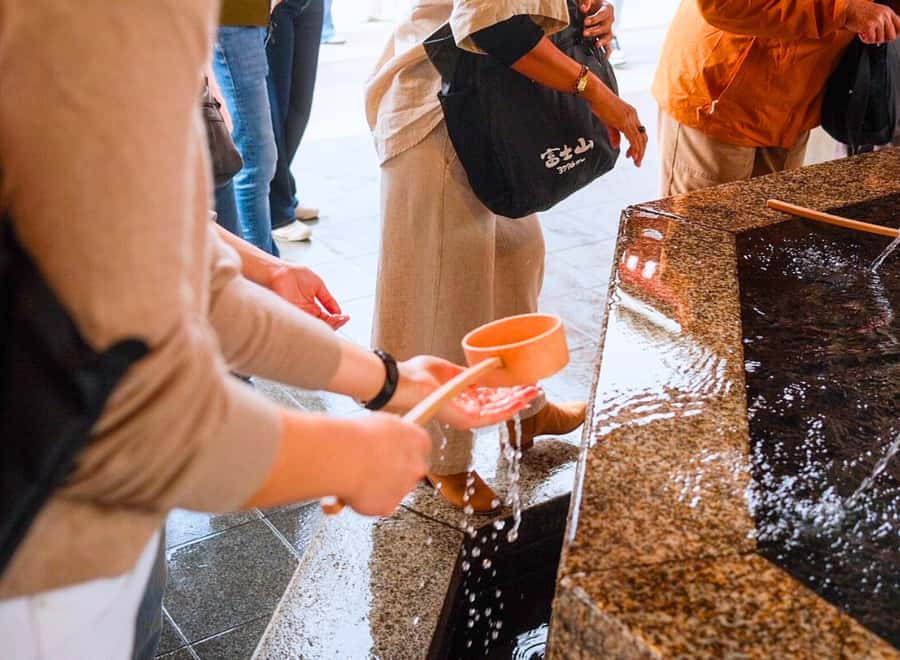
Japan’s spiritual life can feel confusing at first. Two systems, similar-looking structures, overlapping spaces. This tour’s strength is that it explains the mix without turning it into a lecture.
You’ll learn, step by step, how the traditions coexist. Rather than trying to force neat definitions, the guide shows you how the rituals create distinct experiences. Temizu feels like preparation and purification. Omikuji brings uncertainty into view through a personal message. Healing incense gives a more active role to prayer and hope. Then Buddhist prayer at Sensoji gives you another tone—another set of gestures and meanings.
That approach helps you when you’re out on your own afterward too. You can look at a gate, notice where people wash their hands, watch for the fortune-slip section, and understand what you’re seeing instead of shrugging and moving on.
Also, the tour uses the neighborhood itself as the explanation. Asakusa is a place where old and new overlap. Street snacks and shrine rules live next to each other. The tour doesn’t pretend the area is only sacred; it shows the real mix of everyday life and spiritual practice.
The guide language is French (and the tour also notes English availability), which is a big deal if you want clear, relaxed understanding. If you’re tired from translation fatigue, a francophone guide can turn a complicated experience into a smooth one.
One small drawback to keep in mind: if you dislike crowds, Nakamise and Kaminarimon can feel busy. The guide’s pacing helps, but it’s still central Tokyo. If you want quiet temples with zero people, you may need a different kind of tour.
Price and Value: Is Around $40 Worth It?
At about $40 per person, this isn’t the cheapest way to see Asakusa temples. But it also isn’t just “walking to Sensoji and taking photos.”
The value comes from a few concrete elements:
- French guide for a small group (max. 8), which usually means faster help and better explanations.
- Time spent on rituals like omikuji, temizu, and incense for healing, not just sightseeing.
- Viewpoints that make navigation easier: Azumabashi Bridge and the panorama from the information center.
- Extra cultural context for Nakamise so you understand what you’re buying and why it’s part of the local tradition.
Also, there’s no stated need for extra spending during the tour. You can bring a bit of cash for personal buys like snacks or souvenirs, but the core experience is handled.
So the question becomes: do you want the meaning? If you do, the price starts to feel fair. If you only want a quick, low-cost photo run, then yes—this might feel pricier than necessary.
What to Pack and How to Make It Enjoyable
This tour is straightforward. It’s still worth planning for the basics because the experience depends on comfort.
Wear comfortable walking shoes. You’ll be on your feet a lot, including some uphill moments as you move to viewpoints. If you’re sensitive to sun, bring water and consider a hat. If rain is in the forecast, dress for it because the tour runs in bad weather too.
If you want to participate in the full ritual experience, be ready for a bit of cultural etiquette. Your guide will steer you, but your mindset helps. Go in curious, not cautious.
For personal extras, bring a little cash. You might want snacks on Nakamise or a souvenir or two. The tour experience itself doesn’t ask for extra fees.
Finally, bring patience for crowds around Kaminarimon and Nakamise. The guide will help you time your movement, but Asakusa is popular.
Who This Tour Suits Best
This tour fits best if you want:
- A guided French explanation of what you’re seeing, not just landmarks
- A deeper look at how Shinto and Buddhism coexist through real rituals
- A small-group pace that keeps you from getting left behind
- Clear etiquette guidance so you don’t worry about doing things wrong
It’s also a good match if you’re visiting Tokyo for the first time and want an easy way to understand one of its most historic neighborhoods.
If you’re short on time, you might still fit it in, but only if you’re okay with walking and crowds. If you hate walking, or if you need wheelchair access, this one is not suitable.
Should You Book the Asakusa Sensoji Tour?
Book it if you want Asakusa with meaning. This is the kind of experience where a guide can change your whole understanding of a place, especially with rituals like temizu, omikuji, and healing incense.
Skip it if you only want a fast, budget-friendly temple stop and you don’t care about etiquette or the spiritual side. For pure “see-and-go” sightseeing, there are cheaper options. For learning how people actually pray and behave in sacred spaces, this tour is a strong choice.
If you’re trying to decide in one sentence: the price feels justified when you want the story behind the lantern, the etiquette behind the gates, and the ritual behind the fortune slip.
FAQ
Is this tour fully walking?
Yes. It’s an on-foot tour, so comfortable shoes are strongly recommended.
Where do I meet the guide?
Meet at Burger King Asakusa. The guide will wait at the entrance and hold a Sunrise Adventure sign.
How early should I arrive?
Please arrive about 10 minutes before the start time so the group can begin promptly.
What language is the guide?
The tour is available in French and also lists English.
How big is the group?
The group is kept small, with a maximum of 8 people.
Do I need extra money during the tour?
No additional costs are requested during the tour. You may want a little cash for personal purchases such as snacks or souvenirs.
Will the tour run in bad weather?
Yes. It runs in good weather and bad weather, so dress accordingly.
What rituals are included?
You’ll try or practice key rituals such as temizu (hand washing), omikuji fortune slips, and you’ll learn about incense used for healing.
Is it wheelchair accessible?
No, it is not suitable for wheelchair users.
What is the cancellation policy?
You can cancel up to 24 hours in advance for a full refund.
Can I book now and pay later?
The tour offers a reserve & pay later option, meaning you can book your spot and pay nothing today.