REVIEW · TOKYO
Tokyo: Explore Authentic Japanese Food Culture at Tsukiji
Book on GetYourGuide →Operated by gotcha Corporation · Bookable on GetYourGuide
Food in Tsukiji is a whole lesson. This 3-hour walk through Tsukiji Outer Market gives you more than sightseeing: you learn how Japanese light meals work in the real place they’re bought and eaten. I especially like the small-group pace and the way the guide keeps you moving without turning it into a rushed checklist.
One possible drawback: this tour isn’t built for everyone. The tasting includes seafood and meat, and it isn’t suitable for vegans or people with food allergies.
In This Review
- Key highlights to look forward to
- Tsukiji after the fish market closure: why the area still matters
- Meeting at Tsukiji Hongan-ji: start calm, then go taste
- Tsukiji Hongan-ji: the quick context stop that pays off later
- Tsukiji Outer Market for 2 hours: a guided route through the maze
- What you taste on this tour (and why it’s a smart way to eat)
- A quick note on allergies and who should skip this tasting
- Lunch isn’t included: how to turn snacks into a real meal plan
- The guide experience: small group energy and the Haruka effect
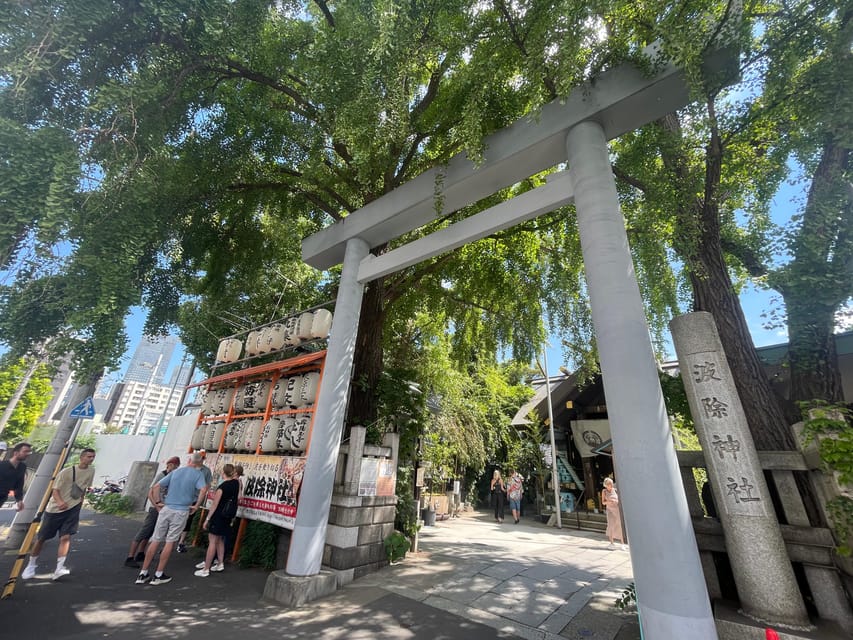
- Namiyoke Shrine (波除神社): ending with meaning, not just a stop
- Price and value: is $99 worth it for 3 hours?
- Who this Tsukiji food culture tour fits best
- Should you book this Tsukiji tour or skip it?
- FAQ
- How long is the Tsukiji food culture tour?
- Where do I meet for the tour?
- How many people are in the group?
- Is the tour offered in English?
- What snacks are included in the price?
- Is lunch included?
- Is there a shopping time?
- Can vegans join this tour?
- Is the tour wheelchair accessible?
Key highlights to look forward to
- Small group of up to 6 means you can ask questions and get help ordering
- English-speaking guide keeps you from getting lost in Tsukiji’s maze of stalls
- Temple context first with Tsukiji Hongan-ji, then straight into market life
- Included snack lineup: seaweed, dried fish, roast beef sushi, and oysters or sashimi
- Namiyoke Shrine (波除神社) ties the market to the people who worked it
Tsukiji after the fish market closure: why the area still matters
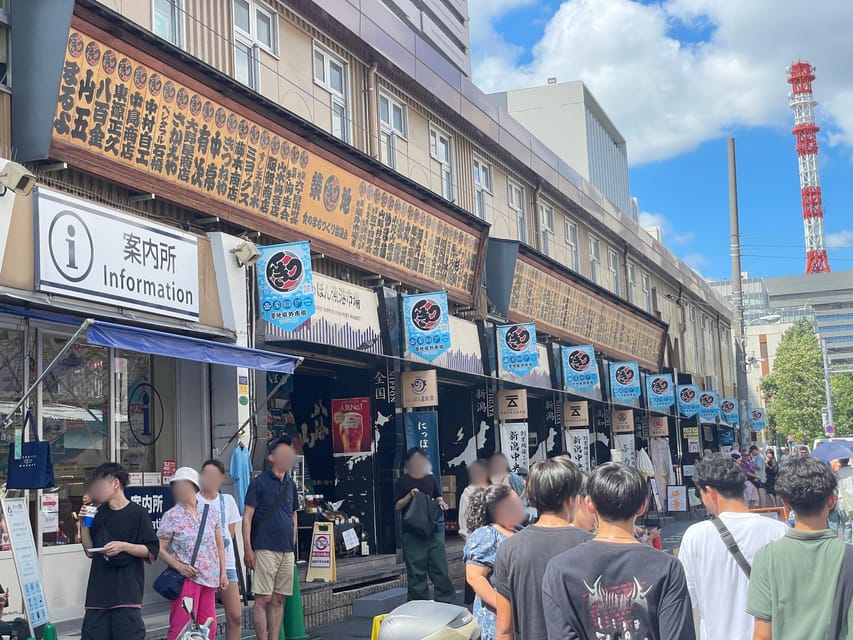
Tsukiji has a reputation for fish auctions, big crowds, and dramatic food lore. But even after the old central wholesale market closed, the area didn’t lose its pull. The surrounding streets—especially the Tsukiji Outside Market area—kept the feel of a working food neighborhood, with shops and stalls selling what locals and visitors want to eat right now.
That’s where this tour hits its sweet spot. You’re not only looking at food. You’re learning how to shop and taste like you’re part of the flow. For you, that means fewer awkward moments and more practical wins: how to choose a snack, how to think about light bites, and how to turn a market walk into a satisfying meal plan.
The time frame also helps. Three hours is long enough to taste several items and get the temple stops in, but short enough that you’re not stuck shopping for hours. If you’re trying to pack Tokyo efficiently, this tour plays well with a later lunch or a second food stop.
You can also read our reviews of more food & drink experiences in Tokyo

Meeting at Tsukiji Hongan-ji: start calm, then go taste
You meet outside the main gate of Tsukiji Hongan-ji. It’s a nice setup because it gives you a mental reset before the market chaos. The first stop is a photo moment and guided visit for about 20 minutes. That brief temple time matters more than it sounds, because it reminds you Tsukiji isn’t only commerce. It’s also a community space with traditions tied to workers, visitors, and everyday life.
I like this approach because it keeps your brain engaged. Instead of just chasing smells and crowds, you get context—what this part of Tokyo values and why certain shrines matter to the people who worked the market. It makes the later shrine visit feel connected, not random.
Tsukiji Hongan-ji: the quick context stop that pays off later
You’ll get a guided tour here, mostly for orientation and understanding. Expect a short, focused visit rather than a long temple experience. The payoff is that you’ll recognize what you’re seeing when the route shifts back toward food and street scenes.
In Tokyo, it’s easy to treat temples as photo backdrops. This stop nudges you to do the opposite. Even if you don’t consider yourself a temple person, you’ll still walk away with something useful: why Tsukiji’s food story includes religious sites like Namiyoke Shrine.
Also, photo stop means you can grab your bearings fast. You won’t feel like you’re scrambling for your first picture while everyone else is already moving.
Tsukiji Outer Market for 2 hours: a guided route through the maze
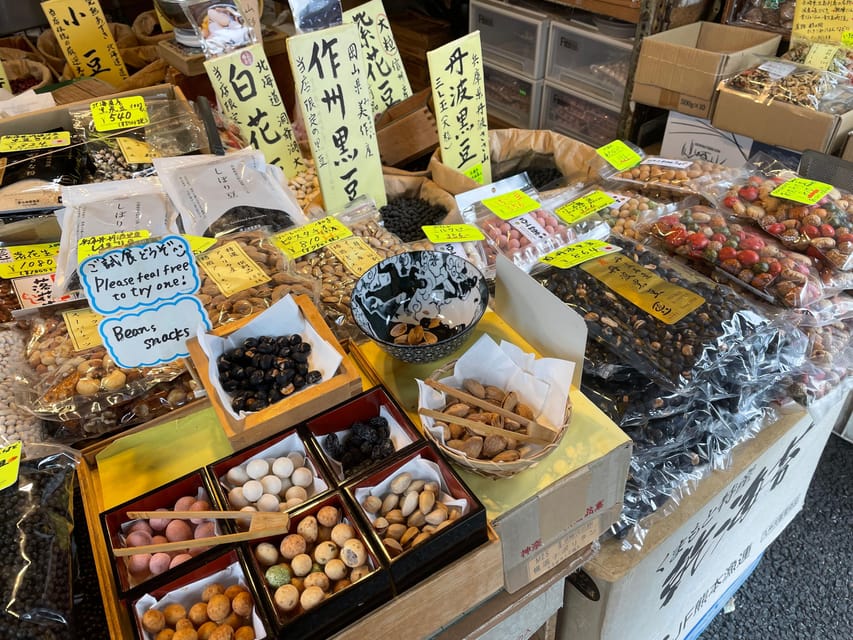
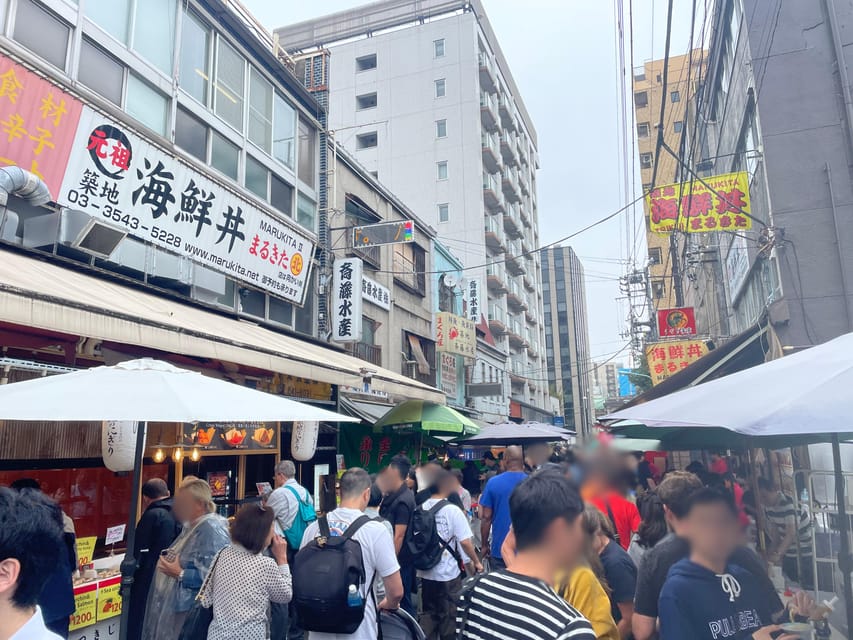
After the temple start, the heart of the tour is the Tsukiji Outside Market area, where you get about two hours of guided wandering. This is the part that can overwhelm you if you go alone. Tsukiji can feel like a maze—tight streets, lots of signs, and vendors selling similar-looking items.
The guide’s job is to cut through that confusion. They take you to recommended stores and help you choose snacks without turning you into a passive tourist. You’ll also have time for shopping at stalls, but the tour’s main focus is tasting and learning how to enjoy the market.
One thing I really like about a guided market route is the social pressure goes down. You don’t have to summon courage to ask basic questions. You can focus on tasting and comparing, which is how you actually learn what you like.
And yes, you’ll likely stop for photos and pass-by moments. That’s useful, not filler. When the streets are crowded, brief pauses help you notice details like packaging styles, serving sizes, and how people grab quick bites and move on.
What you taste on this tour (and why it’s a smart way to eat)
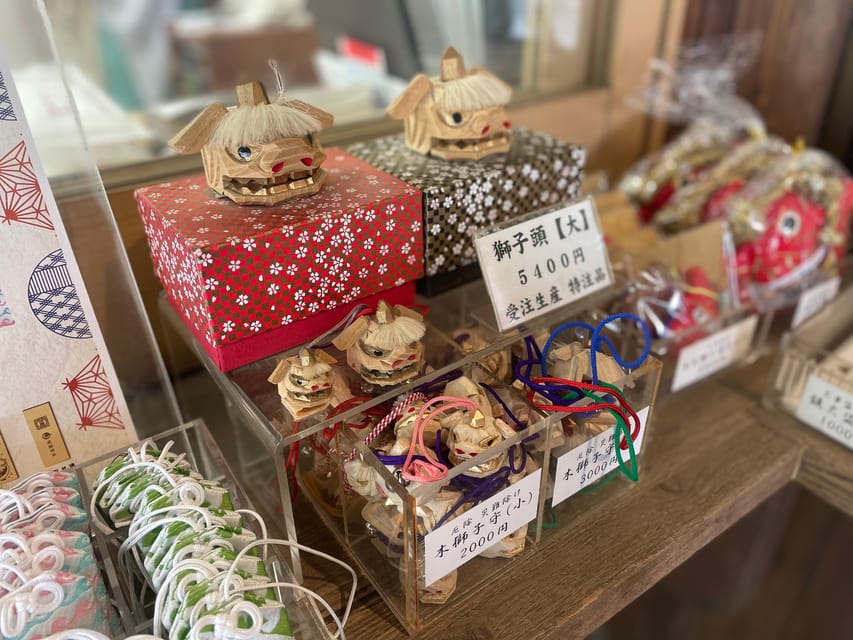
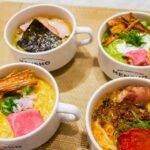
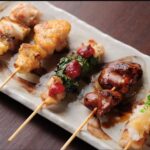
This tour includes a set of market snacks designed as light meals. That’s a big deal in a city where food choices can be endless and expensive.
The included tasting items are:
- seasoned seaweed
- dried fish
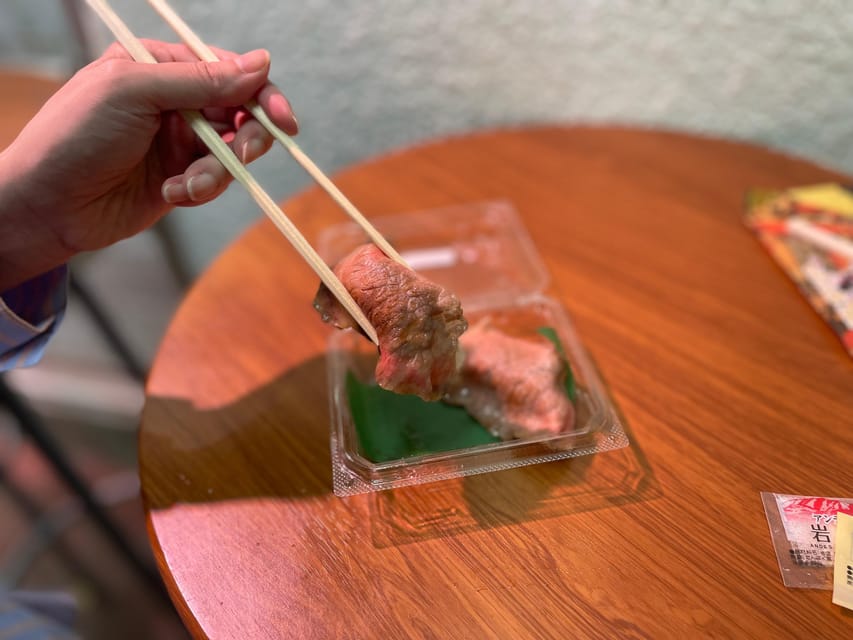
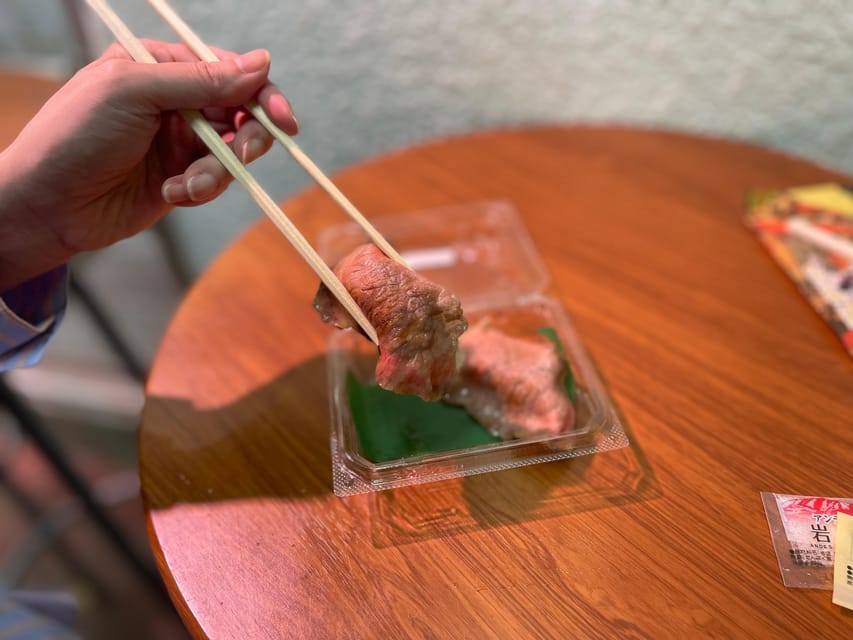
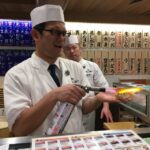
- roast beef sushi
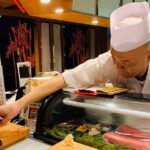
- oysters or sashimi
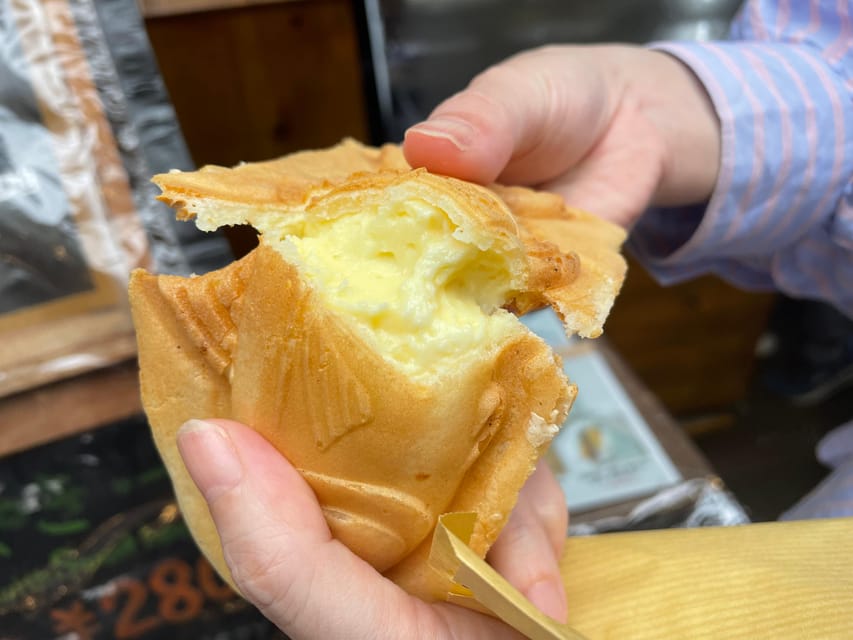
- bean snacks
You’re not just sampling one thing. You’re sampling categories. Salty crunch, chewy umami, something sushi-style, then seafood prepared either as oysters or sashimi. It’s a sequence that helps you understand how Japanese market eating often works: small portions, different textures, and quick satisfaction without committing to a full sit-down course.
From the guide-led experience, you’ll also learn how to pace yourself. Markets can trick you into overbuying. With a structured snack set, you get to taste widely and still feel comfortable saving room for lunch you purchase later.
You can also read our reviews of more tours and experiences in Tokyo

A quick note on allergies and who should skip this tasting
Snacks purchased on the tour include seafood and meat. If you have allergies, you must tell the guide. Also, this tour isn’t suitable for vegans. If that’s you, you’ll get better value choosing a different food tour built for your needs.
Lunch isn’t included: how to turn snacks into a real meal plan
Later in the tour, you can purchase your own lunch, and you’ll be able to enjoy it with the snacks you already bought on the tour. The lunch fee is not included, and the cost depends on what you choose at the stores.
This setup is practical. You’re not locked into a pre-set menu that might not match what you crave. Instead, you get guidance earlier—tasting and learning—so your later lunch decision is informed, not random.
Here’s how I’d approach it when you’re making your choices:
- If you’re a slow eater, get lunch that’s easy to share or quick to finish.
- If you love seafood, use the earlier tasting as your baseline. Then buy lunch that matches what you liked most.
- If you’re unsure, pick something that you can eat without rushing. The whole point is to enjoy the market, not sprint through it.
If you’re hungry but not sure what to order, that’s exactly where having an English-speaking guide helps. They can steer you toward what the recommended shops are known for, so you don’t end up buying the most expensive option just because it looks flashy.
The guide experience: small group energy and the Haruka effect
This is a small group tour with a limit of 6 participants. That detail matters because Tsukiji rewards attention. When the group is bigger, someone always gets left behind or stuck waiting. In a small group, the guide can keep everyone in the right spot and explain as you go.
In fact, one guide named Haruka earned standout praise for making Tsukiji feel navigable. The key theme from that kind of experience is simple: the route can feel like a maze, and a great guide helps you hit the best spots without feeling panicked.
I love that the tour also has an atmosphere that feels fun, not stiff. The pacing encourages questions and curiosity, and you’re likely to feel like you’re learning how to shop rather than just checking off photos.
If you’re traveling solo, the small-group format is also a confidence boost. You still get human interaction, but you’re not stuck in a big crowd. It’s easier to ask: What is this? How do I eat it? Is this portion enough?
Namiyoke Shrine (波除神社): ending with meaning, not just a stop
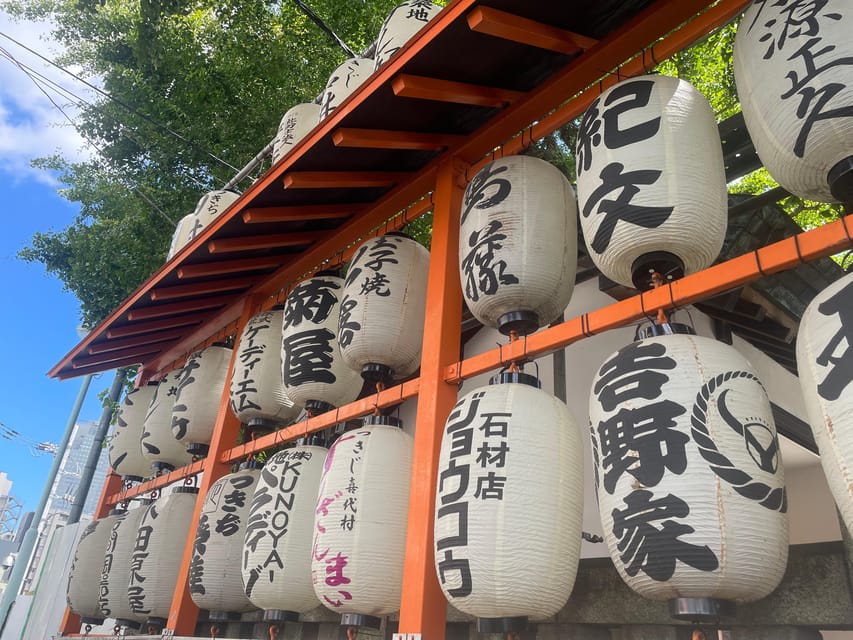
The tour finishes at Namiyoke Shrine (波除神社). The shrine visit isn’t only scenic; it connects the market to the workers. This shrine supports workers in Tsukiji, which makes the whole food-and-streets experience feel grounded in people, not just products.
I like ending here because it gives your senses a breather. After tasting salty snacks and moving through tight streets, you get a calmer moment at the end. It also helps you remember what you just saw: food markets aren’t just places to buy. They’re part of a working life and a local culture.
If you like respectful, place-based travel, this ending helps you feel like the tour had a point. If you only came for snacks, you still get a nice capstone that makes the route feel more intentional.
Price and value: is $99 worth it for 3 hours?
At $99 per person for a 3-hour tour, the value comes from how the tour is structured.
You’re paying for:
- an English-speaking guide
- a guided route through Tsukiji Outer Market
- included snack tastings (not just one bite, but a set of several items)
- temple and shrine context through guided stops
What you’re not paying for is lunch and shopping costs at stores. That keeps the tour flexible, but you’ll still want to budget for lunch on top of the price if you plan to eat a full meal.
So is it worth it? For most people, yes—if you want help choosing snacks and navigating. If you’re comfortable exploring Tsukiji alone and you already know what you want, you might feel you could do it cheaper. But the real savings from going solo can shrink fast once you factor in time spent wandering, buying duplicate items, or struggling with what to order.
A good rule: if you value guided decision-making and want to taste several prepared foods in a short window, this price makes sense. If you’d rather control every purchase yourself, you may prefer a cheaper self-guided food plan.
Who this Tsukiji food culture tour fits best
This tour is a strong match if you:
- want an English-speaking guide in a market area that can feel hard to navigate
- like tasting multiple light bites rather than committing to one full meal
- enjoy learning the cultural side of food stops through temple and shrine context
- like small-group experiences (max 6) that keep the pace comfortable
It may not be the best choice if you:
- are vegan (this tour isn’t suitable for vegans)
- have food allergies (it includes seafood and meat snacks, and the tour is not suitable for people with food allergies)
- need wheelchair accessibility (the tour is not wheelchair accessible)
If you’re somewhere between those options—like you can eat seafood but don’t want too much—talk to the guide at the start. The tour is built around tasting choices, so communication matters.
Should you book this Tsukiji tour or skip it?
Book it if you want a guided, snack-first introduction to Tsukiji that teaches you how to enjoy the market without getting lost. The included tasting set is a practical way to sample classic flavors, and the Hongan-ji and Namiyoke Shrine stops add real meaning to the route.
Skip it if you’re vegan or you have food allergies, or if you strongly prefer fully self-directed shopping with no structure at all. In those cases, the “included snacks” part is exactly what could make the experience frustrating.
If you’re simply trying to make the most of a short time in Tokyo and you like authentic food culture, this is a sensible bet. You’ll spend three hours eating, walking, and learning—then you can take the rest of the day at your own pace.
FAQ
How long is the Tsukiji food culture tour?
It lasts about 3 hours.
Where do I meet for the tour?
You meet outside the main gate of Tsukiji Hongan-ji temple.
How many people are in the group?
It’s a small group limited to 6 participants.
Is the tour offered in English?
Yes, the live tour guide speaks English.
What snacks are included in the price?
Included snacks are seasoned seaweed, dried fish, roast beef sushi, oysters or sashimi, and bean snacks.
Is lunch included?
No. Lunch is not included, and you can purchase it later during the tour depending on what you choose.
Is there a shopping time?
Yes, you’ll have time for shopping at recommended stores, but shopping costs aren’t included.
Can vegans join this tour?
No, this tour isn’t suitable for vegans.
Is the tour wheelchair accessible?
No, this tour is not wheelchair accessible.

![[Seasonal Limited] Mt. Fuji 5th Station &Hot Spring Day Tour - Getting Started in Tokyo: Pickup Options and the Bus Reality](https://b.tokyosights.com/wp-content/uploads/seasonal-limited-mt-fuji-5th-station-hot-spring-day-tour-400x225.jpg)