Tokyo makes sense with a guide. This fully customizable private half-day route lets you pick where you want the day to go, starting at Kaminari-mon and mixing classic landmarks with the kinds of stops that feel like you found them the hard way. I especially like how the route is tailored to your interests (culture, food, everyday life) and how your guide turns each place into a story you can actually use while you explore Tokyo on your own later.
One watch-out: this is a walking-heavy experience, with many potential stops grouped in about an hour each, plus some major add-ons like restaurants, Skytree, and theater tickets are not included—so plan your stamina and your budget.
In This Review
- Key highlights worth your attention
- A private Tokyo day that actually changes based on you
- Starting at Kaminari-mon: the easiest way to begin Asakusa
- Senso-ji and Asakusa’s approach streets: more than a temple photo
- Food stop options: sukiyaki at Imahan and Edomae-style soba
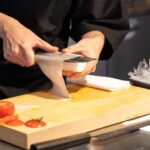
- Tsubaya Knives: samurai tech, modern Tokyo hands-on
- Tokyo Skytree views: the skyline moment, with your own ticket
- Ueno Park and the shrine trio: calm, learning vibes, and luck myths
- Ameyoko and street shopping: good-value energy in Ueno’s orbit
- Akihabara options: manga/anime, electronics, and backstreet tech stores
- Nihonbashi’s shopping spine: COREDO Muromachi and Mitsukoshi
- Tsukiji Outer Market and sushi add-on ideas
- Ginza shopping and stationery culture: Itoya and the Itoya red-clipped sign
- Imperial Palace East Gardens and Kabukiza: the culture pause
- Price and what you actually get for $65.15
- Who should book this East Tokyo private tour?
- Should you book? My take
- FAQ
- Where does the tour start?
- Is this a private tour or shared group?
- How long is the tour?
- Are entrance fees included for all stops?
- Is lunch included?
- Can I get a refund if my plans change?
Key highlights worth your attention
- Meet at Kaminari-mon and start in the exact Asakusa area most people only see from the train window
- Pick your “must-visit” stops from a menu that spans shrines, markets, knives, electronics, and Ginza shopping streets
- Former German TV crew + local guides bring a polished, story-first approach to East Tokyo neighborhoods
- Guide names to know: Kazuo Hirose is repeatedly singled out for kindness, professionalism, warmth, and adapting the pace to your likes
- Great mix of free sights + paid add-ons so you control how much you spend on entrances and meals
A private Tokyo day that actually changes based on you
At $65.15 per person, this tour isn’t priced like a fancy limousine fantasy. It’s priced like a smart way to buy time. You’re paying for a local guide’s judgment: which streets to take, where to pause, what to skip if you’d rather shop, and how to connect the dots between neighborhoods.
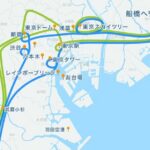
The backbone is East Tokyo. You’ll walk through classic areas that matter—Asakusa, Ueno, Akihabara, Nihonbashi, and Ginza—then your guide steers you toward your top picks. That “menu” style matters because Tokyo is big. Without a plan, you can end up spending the day crisscrossing the city for the same photo spots you already saw online.
And yes, the guide setup is distinctive. The tour provider highlights experienced staff with a background that includes former German TV national broadcasting crew members, plus local guides with deep knowledge of Japan. In plain terms: expect explanations that are clear, not just facts dumped on you.
A lot of people also like that the tour is private. Only your group participates, so you’re not stuck matching someone else’s pace or interests.
You can also read our reviews of more guided tours in Tokyo
Starting at Kaminari-mon: the easiest way to begin Asakusa
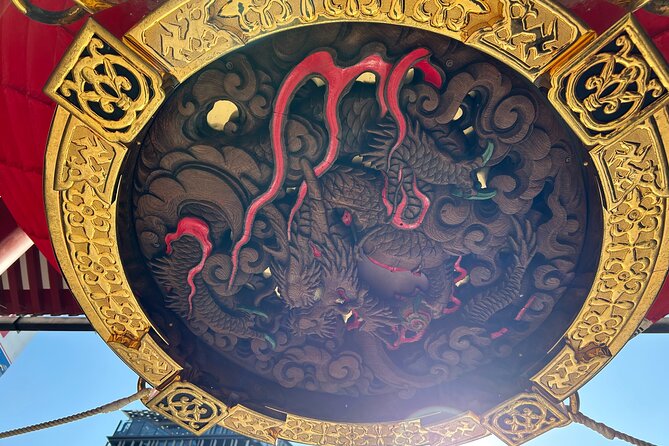
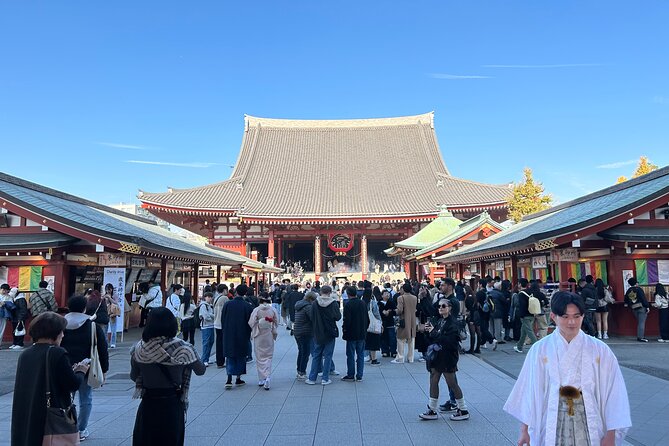
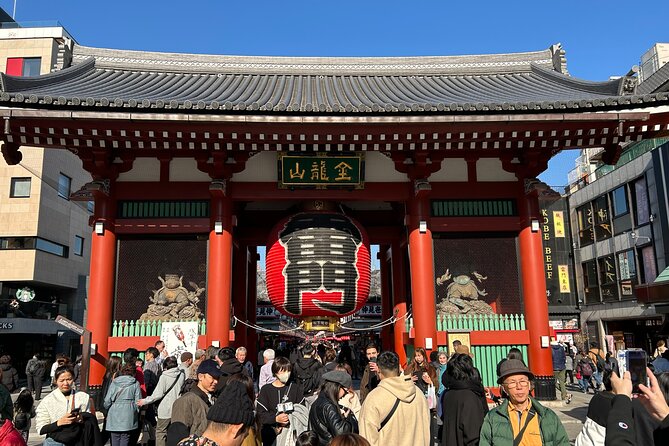
Your tour starts at Kaminari-mon (the Thunder Gate) in Asakusa. The exact meeting point is listed at Kaminari-mon 2-chōme-3-1, Taito City. The area is described as near public transportation, and you can get there by train or on foot.
Why this start works: Kaminari-mon is the gateway into the old-city mood. It’s a natural place to begin because it’s immediately recognizable, but it’s also right next to the approach streets that shape the whole Asakusa experience. When you start here, your guide can set up the day with context before the crowd noise hits full volume.
Also, the tour ends in a different location. That’s usually a good sign: your guide can plan a logical route and avoid backtracking. Just know you’ll finish somewhere else than where you started, so keep that in mind if you’re lining up later plans for a specific station or hotel.
Senso-ji and Asakusa’s approach streets: more than a temple photo
Asakusa’s centerpiece is Senso-ji Temple, and this is where the guide storytelling earns its keep. You’ll spend about an hour around the temple area, with stories tied to how Asakusa developed and how major events connect to daily life. One specific example mentioned in the tour description is the origin story of the Asakusa Sanja Festival, linked to two fisherman brothers.
Then you move into Asakusa’s shrine area (Asakusa Shrine), which is described as a guardian deity of Asakusa and popular with visitors from Japan and abroad. The tour notes Shinto basics in a simple way—polytheistic religion, gods and worship practices—so even if you’re not a shrine expert, you have enough background to notice what you’re looking at.
From there, the Nakamise Shopping Street approach is the classic in-between step. The route explicitly calls out Nakamise Shopping Street as stretching along the main approach to Senso-ji and being among the oldest shopping streets in Japan. This is where you should slow down. It’s not just for snacks; it’s part of the temple approach theater. Your guide can also help you figure out what’s worth buying and what’s mostly for show.
A practical drawback: Nakamise can be crowded. If you’re sensitive to crowds, tell your guide early. A private guide can often shift timing and walking position to make the same area feel more manageable.
Food stop options: sukiyaki at Imahan and Edomae-style soba
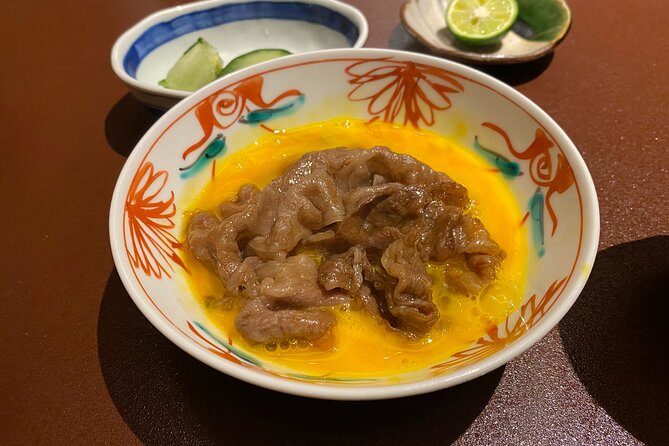
Tokyo food during a walking tour can go two ways: quick-and-cheap or planned-and-meaningful. This tour includes named restaurant stops that are not included in price, meaning you can choose your level of splurge.
One option is Imahan Honten (すき焼き今半本店), described as a long-established high-end restaurant founded in Asakusa Kaminarimon during the Taisho era, using carefully selected Kuroge Wagyu beef. If you like the idea of doing one serious meal moment during a tour, this is the kind of stop that gives Tokyo flavor beyond convenience-store food.
Later, there’s also an Edomae soba option described as soba that connects people, plus a place framed as a playground for adults. It’s described as a hideaway-like space for adults, with Edomae soba from a main store that has been in business since 1922. That’s a nice “Japan lifestyle” contrast: after busy streets, you sit down for something local and steady.
Just be realistic: lunch and restaurant costs are not included. So treat food stops as add-ons, not freebies. If you want to keep costs lower, you can let the guide point out where you can grab a bite on your own between sights.
Tsubaya Knives: samurai tech, modern Tokyo hands-on
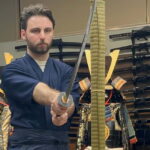
One of the more interesting non-touristy-sounding stops is Tsubaya Knives. The description ties knife-making to samurai sword techniques passed down through time.
The tour text mentions honyaki, described as Japanese knives made by punching a single piece of steel out of a block, imitating the process. Even if you don’t understand metalwork on sight, it’s a compelling stop because it connects Tokyo’s modern craft economy to older skills. It also breaks up the usual pattern of temples, shopping, photos, repeat.
Consideration: if you’re not into crafts or you’re short on time, you might want to skip this. Since the tour is customizable, you can prioritize a different type of stop like views, markets, or electronics.
You can also read our reviews of more private tours in Tokyo
Tokyo Skytree views: the skyline moment, with your own ticket
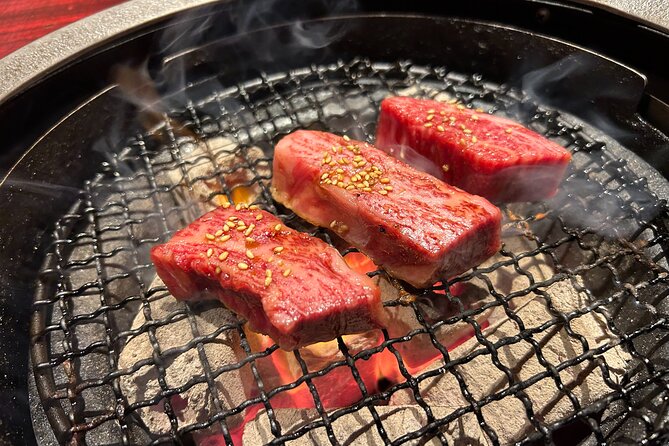
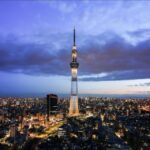
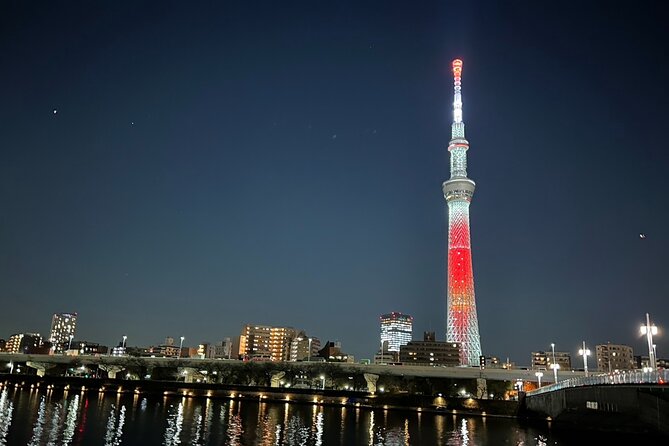
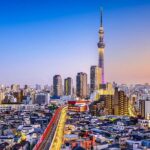
Tokyo Skytree appears as a potential stop with an observation-deck view angle. The tour description says it’s a 634-meter-tall freestanding radio tower, the tallest in the world, with observation decks called Tembo Deck and Tembo Galleria.
This is a classic Tokyo payoff: you walk through older streets, shrines, and shopping corridors, then you climb to see the city’s sprawl laid out beneath you. It’s a good way to get a mental map, even if you’re only visiting for a few days.
Not included: entrance tickets for Skytree are not included. If you choose this stop, you’ll need to plan for that add-on cost.
Ueno Park and the shrine trio: calm, learning vibes, and luck myths
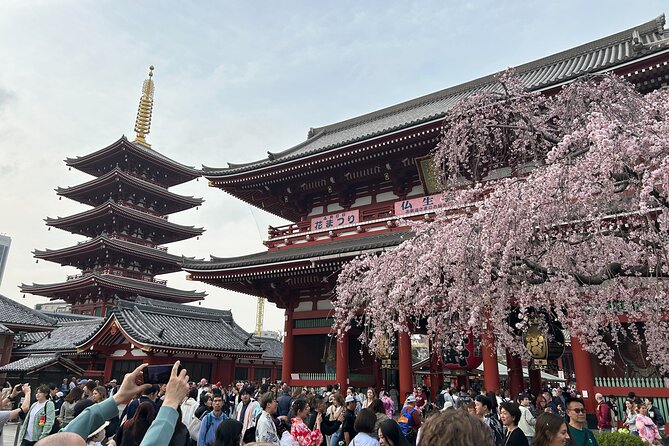
After Asakusa, the tour can swing you toward Ueno Park. Ueno Park is described as large, and it’s home to major museums like the Tokyo National Museum and the National Museum of Western Art, plus Ueno Zoo (first zoo in Japan). Even if you don’t enter museums, the park gives you a breather from shopping streets.
Then come two shrine options that fit well into a walking itinerary:
- Imado Shrine, described as one of the birthplaces of the maneki-neko (beckoning cat), with maneki-neko figures scattered around the grounds and linked to luck in match-related contexts.
- Yushima Tenmangu, known for attracting students taking exams and enshrining Sugawara no Michizane, described as the god of learning. The tour also notes blessings beyond exams, tied to qualifications.
Add Mimeguri Shrine as another power-spot style stop. The description frames it as known for financial luck and business luck, connected to the Sumida River Seven Lucky Gods tour concept.
What you’ll get from these shrine stops: context. Your guide can explain what each place is known for and why people treat them as stops with purpose. It’s not required to believe the luck stories to enjoy the ritual atmosphere.
Possible drawback: shrines are peaceful, but they’re still part of Tokyo’s schedule. If you have low patience for standing around or waiting in line, you’ll want to keep your pace up and communicate preferences early.
Ameyoko and street shopping: good-value energy in Ueno’s orbit
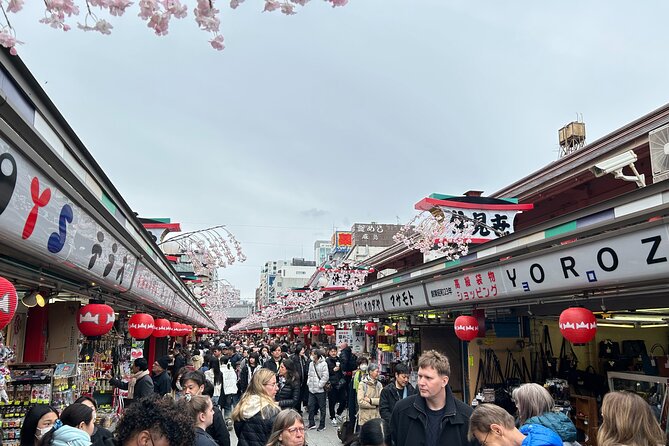
Ameyoko Shopping Street (Ameyoko) is called one of Japan’s most famous shopping streets, known for good value for money with quality products and food available. It’s a great place to buy small items that feel local rather than like airport souvenirs.
The strength of having a guide here is practical: you’ll know where to spend time. You’re not just wandering. You can ask what’s actually worth buying, what’s more tourist-driven, and which snack types fit your tastes.
Akihabara options: manga/anime, electronics, and backstreet tech stores
Akihabara is where the tour shifts gears. The stops listed include Akihabara Junk Street, Yodobashi Akiba, and Akihabara itself—plus Kanda Myojin in the surrounding context (via Kanda Shrine as a power spot linked to praying for victory and finding a partner).
Akihabara Junk Street is described as a unique backstreet packed with stores selling PC peripherals. That’s a different kind of electronics browsing than the big-box experience. Yodobashi Akiba is described as a large consumer electronics retailer with one of the largest sales floor areas in Akihabara.
Then plain Akihabara is described as a sacred place for manga and anime, with maid cafes and a large electronics store. If you want the full energy of Akihabara without walking in circles, a guide helps you choose which sub-area matches your interests.
Kanda Shrine adds another layer. It’s described as a power spot for victory and partner-finding, and it’s tied to the Kanda Festival, one of Japan’s three major festivals in Edo.
Practical consideration: Akihabara can be overwhelming if you’re not into electronics or anime culture. If that’s you, you can let your guide steer you toward the most appealing parts and keep the stop shorter.
Nihonbashi’s shopping spine: COREDO Muromachi and Mitsukoshi
Nihonbashi is a nice midpoint between old trade routes and modern retail. One stop listed is COREDO Muromachi 1, a commercial complex in Nihonbashi that includes high-rise buildings and shopping zones, plus long-established famous stores.
Then there’s Nihombashi Mitsukoshi Main Store, described as the place where Japan’s oldest department store is located. The basement is highlighted as having over 70 shops selling Japanese, Western, and Chinese dishes, plus bento boxes and sweets.
Even if you don’t buy much, this area helps you understand how Tokyo feeds itself. It’s a controlled chaos compared to street markets—more indoor, more temperature-friendly, and often easier for a walking tour day.
Tsukiji Outer Market and sushi add-on ideas
Tsukiji Jogai Market (Outer Market) is listed as a stop. The description emphasizes how many foreign tourists visit and that the appeal is food and sushi access. If you love sampling Tokyo food, this is a practical choice.
Sushi Dai is listed as a named sushi option at the market area. The description says they carefully select and purchase ingredients at Tsukiji Market and prepare sushi toppings, with rice warmed to the touch.
Not included: sushi is not included, so this is another add-on you can match to your budget. If you want the market feel but not the sit-down meal cost, you can use this area as your tasting zone, then move on.
Ginza shopping and stationery culture: Itoya and the Itoya red-clipped sign
Ginza is a different Tokyo mood: refined, polished, and shopping-focused. The tour includes multiple Ginza stops that make it easy to understand the neighborhood’s personality.
Ginzaspecific stops include:
- Ginza Itoya Hontren (marked by a red paperclip-shaped sign), a stationery specialty store founded in 1904.
- Ginza itself, described as built on the remains of a silver coin foundry during the Edo period, with department stores and luxury shopping along Ginza Chuo-dori.
- Wako Main Building described as a Ginza clock tower symbol, with a note that it will be renamed Seiko House Ginza in 2022.
- Uniqlo Ginza, described as a global flagship store with multiple floors and being the largest store in the world.
These stops are ideal if you like taking home small items that feel Tokyo-specific—stationery, notebooks, pens, and clothing you can only buy in flagship style.
Imperial Palace East Gardens and Kabukiza: the culture pause
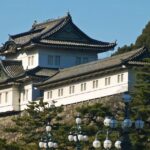
The East Gardens of the Imperial Palace (Edo Castle Ruin area) are described as a stroll that mixes old and new Tokyo. It’s part of the former Edo Castle site that once served as the residence of Tokugawa shoguns, and it’s presented as a tranquil oasis.
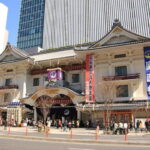
Then Kabukiza Theater is listed. Kabuki is described as a traditional Japanese performing art with over 400 years of history and registered as an intangible cultural heritage by UNESCO. The tour description notes you can enjoy performances by highly trained performers.
Not included: Kabukiza admission fees for yourself are not included. If you want a performance, treat this as your bigger ticket moment. If you don’t, you can still appreciate the exterior and the place’s cultural weight.
Price and what you actually get for $65.15
Here’s the value math that helps you decide:
- You’re paying about $65.15 per person for a private walking tour shaped around your picks.
- Many listed sights are explicitly marked free for admission tickets (temples, shrines, some shopping streets, and several public areas).
- Your main costs beyond the tour are the ones marked not included: restaurants like Imahan Honten and Sushi Dai, paid observation like Tokyo Skytree, and paid theater like Kabukiza.
So the value depends on how many paid add-ons you choose. If you stick to free sights and use food as light snacks, you’ll keep spending controlled. If you choose Skytree plus a major sit-down meal plus Kabukiza, your total day will rise, but the experiences feel more “one-and-done” memorable.
Also, the tour gives you a local guide in real time, which is hard to recreate by yourself in a first-day Tokyo situation. Tokyo is full of shortcuts and etiquette rules you learn faster with someone who can explain them while you walk.
Who should book this East Tokyo private tour?
This is a strong fit if you:
- Want a private plan with room to change directions based on your mood
- Like mixing temples and shrines with shopping streets and modern districts
- Appreciate craft and culture stops like Tsubaya Knives, plus food stops you can choose to upgrade
- Prefer guidance that helps you understand what you’re seeing while you’re still in the moment
It’s not the best fit if you:
- Hate walking or prefer long museum sit-down time only (the tour is listed with moderate physical fitness)
- Want everything included with zero decisions (some ticketed attractions and meals are on you)
Also, I like that the guide roster includes people like Kazuo Hirose, who in guest feedback is described as kind, professional, warm, and good at adapting the itinerary. That kind of flexibility matters most when you’re traveling with different interests in one group.
Should you book? My take
If you’re planning a Tokyo trip where you want one day to connect neighborhoods instead of collecting random pins on a map, this private East Tokyo tour is worth serious consideration. The route is structured enough to keep you efficient, but customizable enough that it doesn’t feel like a conveyor belt.
Book it if you want Asakusa to start with meaning, Akihabara to match your interests, and Ginza to feel less like a mall maze. Skip it if you want a totally chill day with minimal walking and no paid add-ons.
FAQ
Where does the tour start?
The tour starts at Kaminari mon 2-chōme-3-1, Asakusa, Taito City, Tokyo 111-0032, Japan.
Is this a private tour or shared group?
It’s a private tour/activity. Only your group will participate.
How long is the tour?
The duration is listed as approximately 2 hours to 1 day.
Are entrance fees included for all stops?
Not always. Some stops are marked as free (many shrines, temples, and streets), while others are marked as admission not included such as Tokyo Skytree and certain restaurants or theater.
Is lunch included?
Lunch is not included, along with other personal expenses and any private transportation.
Can I get a refund if my plans change?
Yes. Free cancellation is available if you cancel up to 24 hours in advance for a full refund. If you cancel less than 24 hours before the experience start time, the amount paid is not refunded.
If you want, tell me your travel dates and which 3 stops you most care about (food, views, anime/electronics, shrines, or Ginza shopping). I can help you pick a smart mix that fits a half-day walk.