REVIEW · TOKYO
Asakusa Historical And Cultural Food Tour With A local Guide
Book on GetYourGuide →Operated by Washoku club city and food tours · Bookable on GetYourGuide
Asakusa tastes like old Tokyo. This 4-hour walk ties Sensō-ji temple time to real street-food stops, with English/Japanese guidance from Adam, so you get both flavor and context. I especially like the small group (10 max) and the way the food mix hits savory staples like beef, sushi, and tempura, plus sweet treats like dango and daifuku. The one catch is that it’s a lot of moving on foot in a short window, so plan for comfortable shoes.
I also appreciate the pacing. You’re not rushing through big sights without a reason. Each stop feels tied to what you’ll see and eat nearby—starting from the Asakusa Culture Tourist Information Center, then working through Nakamise Street and the temple area on a route that makes sense.
And because Asakusa sits in Honshu and feels like Tokyo’s older layer, you’ll notice more than the headline monuments. The neighborhood is where traditional craft shops and snack stalls keep doing their thing, with festivals and fireworks happening around the Sumida River area when the calendar lines up.
In This Review
- Key highlights you’ll feel fast
- Starting Point: Asakusa Culture Tourist Information Center
- Nakamise Shopping Street: Snacks First, Shopping Second
- Sensō-ji Temple: One Stop That Explains Asakusa
- Asakusa Shopping and Asakusa Shrine: Two More Layers of the Neighborhood
- Hanayashiki Amusement Park: Rides and Cafe Time Near It All
- Tokyo Skytree and the 360-Degree Scale Check
- The Food Plan: Beef, Sushi, Tempura, and Sweet Snacks
- A Local Guide Makes It Click (Adam, On Time and Insightful)
- Price and Value for a 4-Hour Asakusa Street-Food Experience
- Who This Tour Is Best For
- Should You Book This Asakusa Food and Culture Tour?
- FAQ
- How long is the Asakusa Historical and Cultural Food Tour?
- Where does the tour start?
- How big is the group?
- What languages are the guides?
- What’s included in the food and drinks?
- Is alcohol included?
Key highlights you’ll feel fast
- Asakusa Culture Tourist Information Center as your smart, easy meeting hub
- Nakamise Shopping Street where shopping and snacks happen side by side
- Sensō-ji Temple time to actually look, not just pose
- Sweet stops featuring dango and daifuku
- Hanayashiki Amusement Park for rides and cafes near the older side of Tokyo
- Tokyo Skytree for a 360-degree sense of Tokyo’s scale (634 meters tall)
Starting Point: Asakusa Culture Tourist Information Center
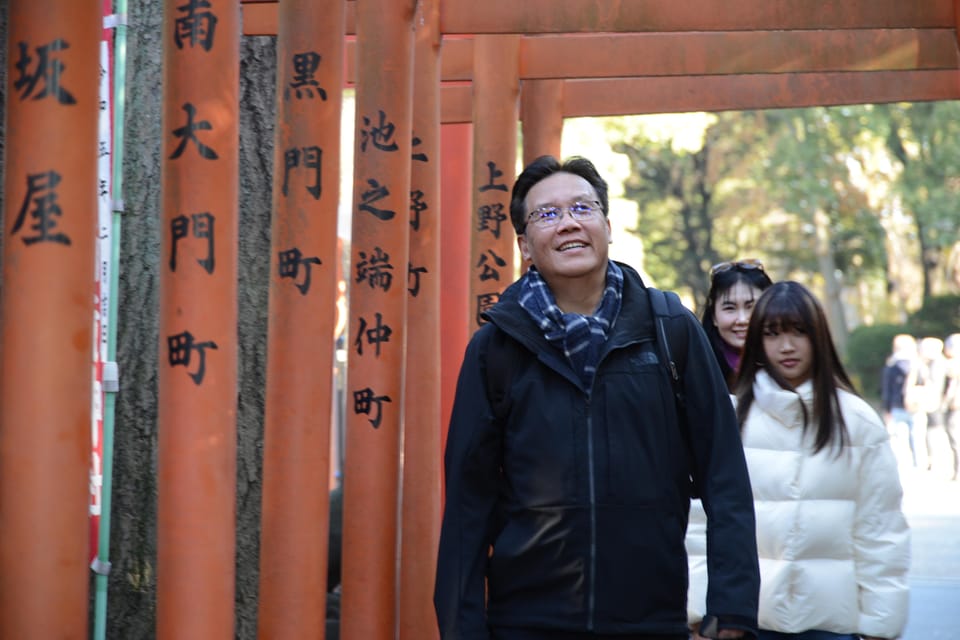
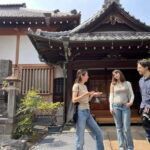
You meet at the Asakusa Culture Tourist Information Center in Kaminarimon, Taito City. I like this kind of start because it’s practical: you begin in the right place for the Asakusa loop and you’re not scrambling to match a vague landmark.
You’ll also spend time at the center itself. Think of it as a quick reset before the food and sights kick in. It helps you get your bearings in a neighborhood that can feel like a maze if you go solo, especially when Nakamise Street starts filling up with stall lights, snack smells, and souvenir aisles.
If you’re the type who likes knowing what you’re looking at before you look too hard, this start works well. You’ll have a guide there to help you connect what you see to how the area works. It’s not just a meet-and-leave point.
You can also read our reviews of more food & drink experiences in Tokyo

Nakamise Shopping Street: Snacks First, Shopping Second
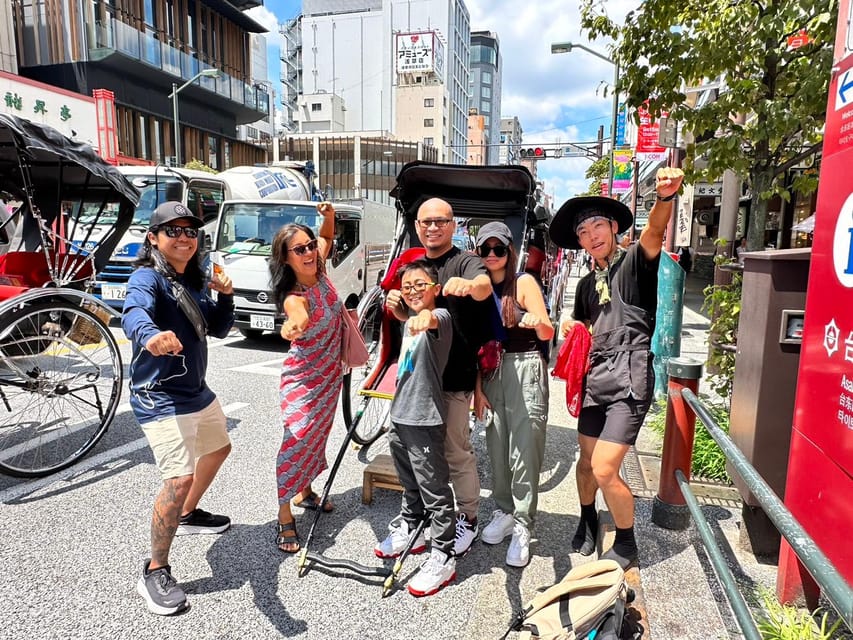
Nakamise Shopping Street is where Asakusa makes its case quickly. You get about half an hour here, which is long enough to sample the vibe and short enough to stay focused on food.
This is the zone where street food is part of the walking experience. You’ll be tasting local bites and moving stall to stall, so you don’t end up with the usual problem of ordering one snack and missing everything else.
Expect a mix of savory Japanese favorites and sweets that are easy to love on the go. The sweets mentioned for this tour include dango and daifuku, which are the kind of treats that feel like Asakusa even if you don’t know the backstory yet. If you like food tours where the eating happens naturally as you walk, Nakamise is the right setting.
A small practical note: Nakamise is also a shopping street. You’ll have a chance to browse, but the time is limited, so don’t plan on shopping like you have a whole afternoon. This portion is about seeing what locals and visitors gravitate toward and letting the guide steer you.
Sensō-ji Temple: One Stop That Explains Asakusa
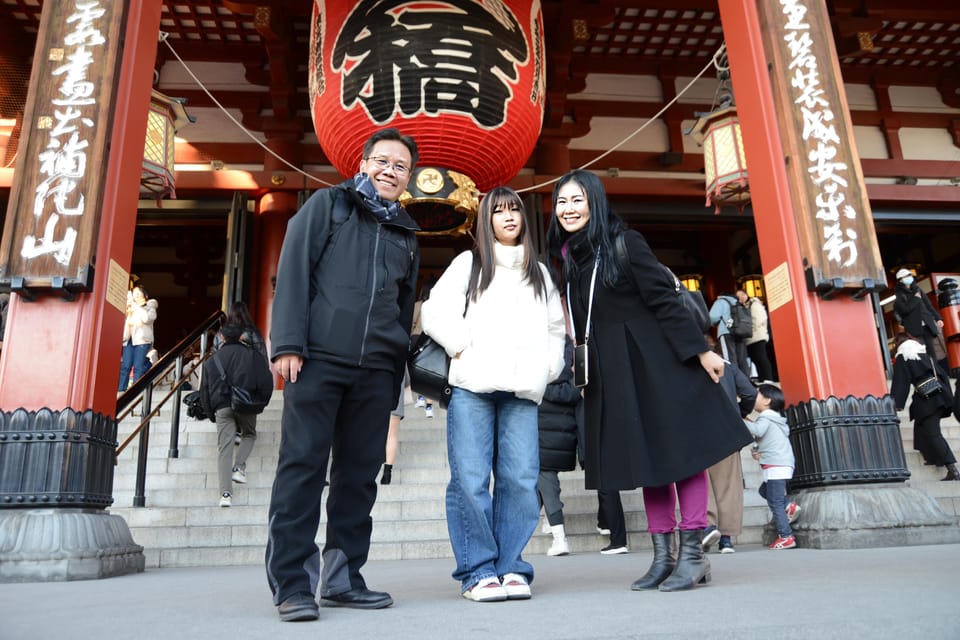
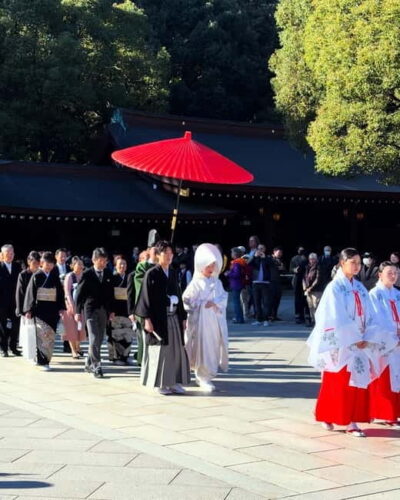
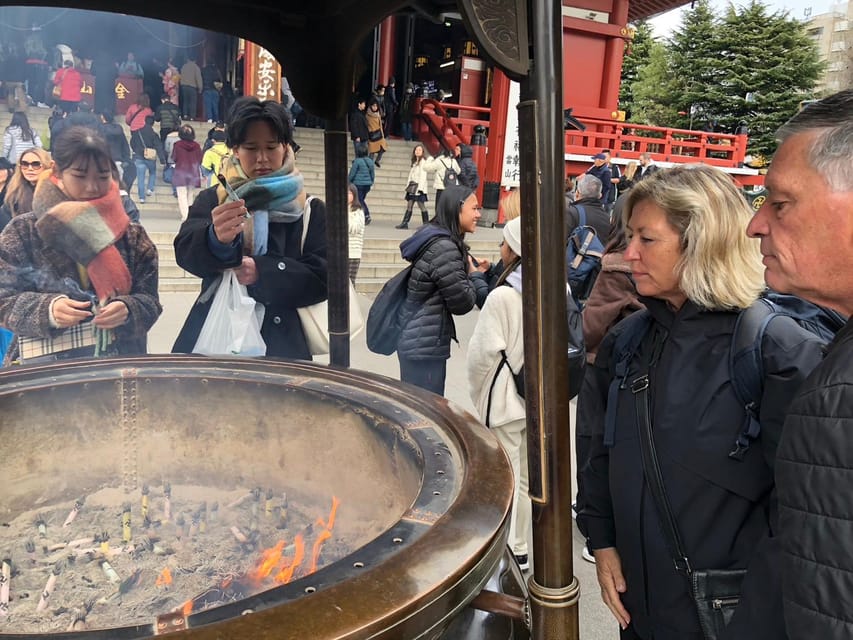
The tour then heads to Sensō-ji Temple, one of Tokyo’s best-known Buddhist sites and described as an ancient temple and one of the most visited sightseeing spots in Japan.
You get around 30 minutes sightseeing time. That’s enough to take in the big views and the overall temple atmosphere without turning it into a rushed sprint. I like that the time is balanced: you’re not stuck lingering so long that you miss the neighborhood food window.
What’s useful here is that the temple area isn’t separate from the street-life. It connects to the snacks, the souvenir aisles, and the craft shops that orbit the temple zone. With a guide, you’ll understand why Asakusa still feels like an older Tokyo rather than just a photo stop.
If you’re sensitive to crowds, go in with a flexible mindset. This is a major attraction. The guide’s job is to keep the route flowing so you spend more time looking and less time getting stuck behind bottlenecks.
Asakusa Shopping and Asakusa Shrine: Two More Layers of the Neighborhood
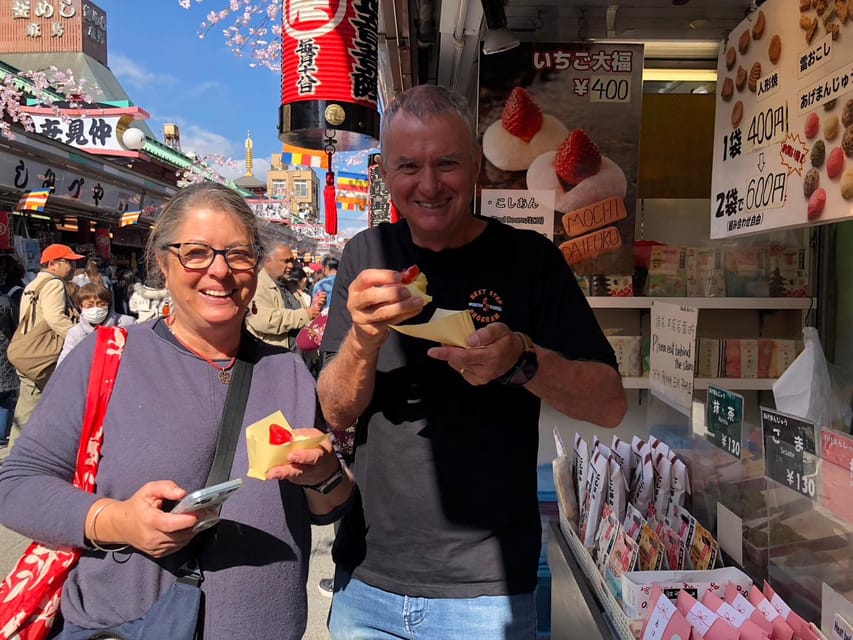
After the temple, you’ll continue through Asakusa with time set aside for shopping and sightseeing. The schedule includes another Asakusa shopping window and a stop at Asakusa Shrine, both around 30 minutes each.
This part matters because it fills in the space between headline sights and everyday streets. Temple zones can be loud and crowded, but the surrounding area is where you start to see everyday Tokyo habits—people stepping in and out of shops, street vendors doing their work, and crafts being sold in small counters rather than mass outlets.
At Asakusa Shrine, you get another pause for sightseeing, which helps break up the sensory load of Nakamise. It also adds variety. Instead of only being in one religious site area, you see another spiritual stop within the broader Asakusa feel.
The trade-off is that you’ll be moving through multiple mini-zones in a short timeframe. If your dream is slow wandering with long sit-down breaks, this tour may feel a bit tight. But if you want a focused Asakusa sampler in about four hours, this structure helps a lot.
Hanayashiki Amusement Park: Rides and Cafe Time Near It All
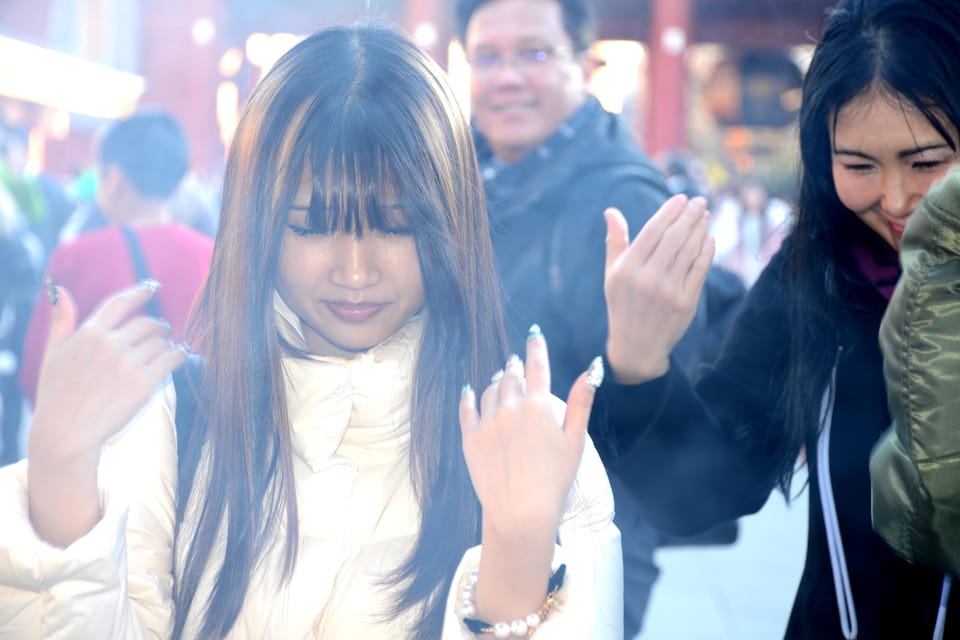
Then you head to Hanayashiki Amusement Park, described as a mid-19th-century amusement park area with rides and cafes. You get about 30 minutes here for sightseeing and walking.
This is a smart addition for food-and-culture tours. It adds contrast. You’re not only dealing with temples and shopping corridors. Instead, you get a slice of older-style entertainment right in the same general Asakusa orbit.
If you like taking photos between bites, this stop gives you visual variety. And if you’re the type who gets tired after a lot of walking, a park with cafes is a nice change of pace. Even when you’re not buying anything, the atmosphere is a reset.
Don’t plan heavy shopping or long ride lines here. The purpose is the snapshot experience: a short break from the crowds and a fun moment that still feels local to the neighborhood’s older Tokyo identity.
You can also read our reviews of more tours and experiences in Tokyo

Tokyo Skytree and the 360-Degree Scale Check
One of the highlights included for the experience is a chance to see Tokyo Skytree. The info provided calls out that it’s the tallest tower in the world at 634 meters, with 360-degree views that let you grasp Tokyo’s sheer size and density.
This kind of viewpoint stop is great when you only have a few hours. Street level can make a city feel like endless blocks. A tall, wide-angle perspective changes that. You start to understand how far neighborhoods stretch, and how much of Tokyo sits beyond the area you’re walking through.
A practical consideration: tower viewpoints usually come with time limits and crowds. This tour is only four hours, so you likely won’t treat Skytree like a full half-day activity. Instead, think of it as the big-picture moment that makes everything else feel more understandable.
The Food Plan: Beef, Sushi, Tempura, and Sweet Snacks
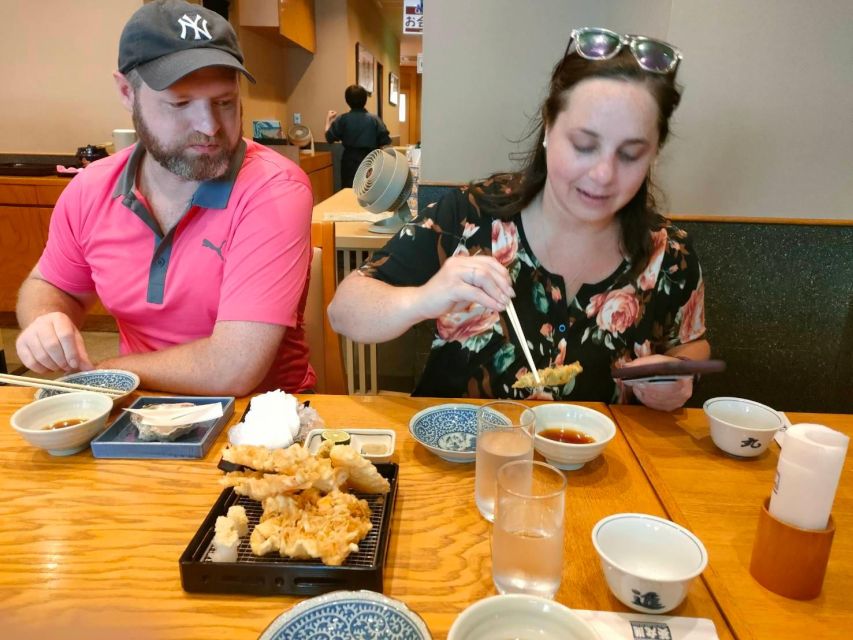
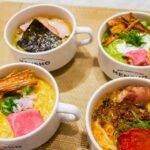
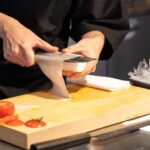
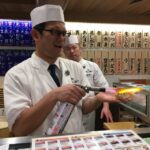
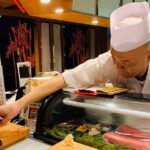
The tour is built around eating, not just walking. Included items cover a mix of hearty and classic bites: beef, sushi, and tempura, plus 2 soft drinks and water. You’ll also have snacks and desserts along the way.
I like this combo because it hits both comfort and variety. Tempura and beef tend to be satisfying without being heavy in your pacing, and sushi brings that Tokyo ingredient-and-craft angle. Then you get the sweet side with items like dango and daifuku, so you’re not stuck eating only savory all tour.
One smart detail: the drinks are partly handled for you. Having water and soft drinks included means you don’t spend the first hour hunting for hydration that fits your snack timing.
Alcohol is not included. That’s good to know if you prefer to stay sharp and not worry about what’s covered. Alcoholic drinks are available to purchase, but they’re on you, so you can decide your pace and budget.
Value question: $180 for four hours can sound steep until you compare it to the cost of multiple meals and snacks plus a live guide. Here, a big chunk of that price is paying for the structure—someone guiding you through what to try and when, and handling the “which stall should I pick” uncertainty so you don’t waste time making guesses.
A Local Guide Makes It Click (Adam, On Time and Insightful)
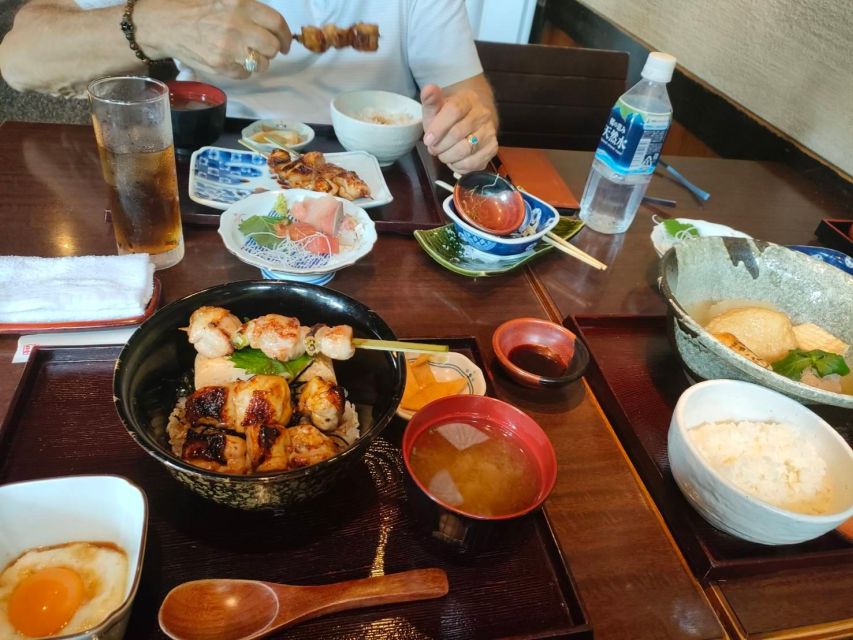
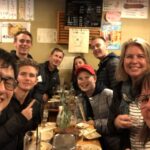
This is a live guide tour with English and Japanese support. The group is limited to 10 participants, which is the sweet spot for a walking food experience: small enough to ask questions and stay together, large enough that the tour doesn’t feel like a private lecture.
The review highlight included here names Adam and describes him as on time, polite, and full of insight. That matters more than people think. In a food-and-culture tour, your guide affects what you notice. A great guide helps you connect the dots between what you’re eating and why the place matters.
If you like learning as you go, this format works. You’re not stuck with a long intro or a long bus ride. You’re getting answers in the moment: what this snack is, what to look for on the street, and how the spots relate to each other.
Also, since the tour is multilingual, you’ll get help even if your Japanese is basic. You can focus on tasting and looking rather than negotiating menus.
Price and Value for a 4-Hour Asakusa Street-Food Experience
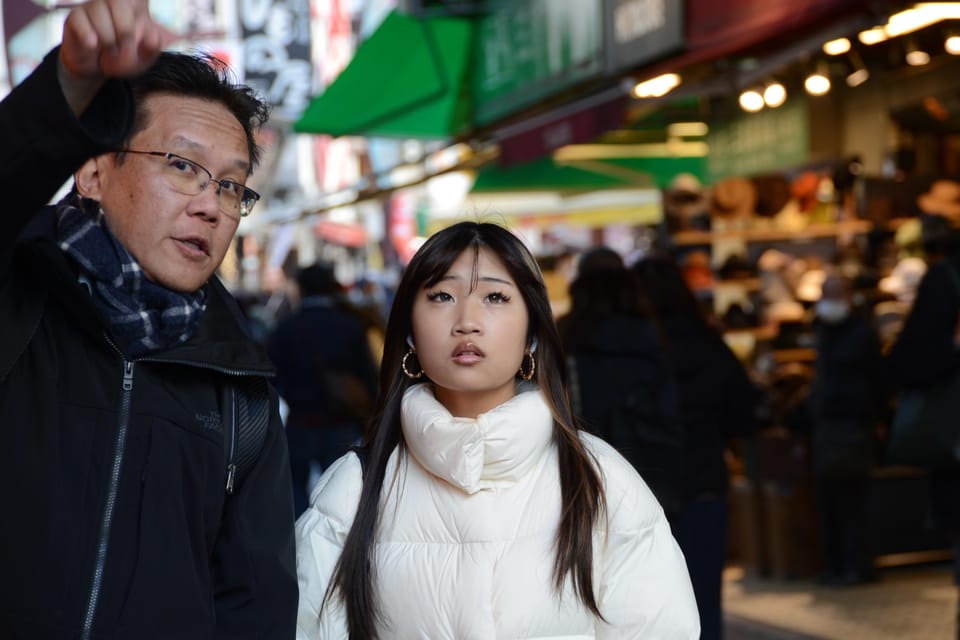
At $180 per person for about 4 hours, the price is mainly paying for three things: time with a guide, a planned route that covers multiple key areas, and included food.
Let’s translate that. You’re getting a mix of meals and snacks—beef, sushi, tempura, plus sweets and desserts—along with water and soft drinks. You’re also getting a guided walk through places like Nakamise Shopping Street, Sensō-ji, Asakusa Shrine, and Hanayashiki Amusement Park, plus a Tokyo Skytree viewpoint component.
If you were doing this alone, you’d still pay for food, drinks, and the time cost of figuring out what to prioritize. Solo wandering can be fun, but it’s slower and it’s easier to miss the best stops when you only have one day in the area.
This tour feels best when you value efficiency. You get a concentrated Asakusa sampler that combines temple sights, shopping-street culture, and snack variety in a fixed block of time.
Who This Tour Is Best For
This experience fits best if you:
- want Asakusa food plus major sights without building a full plan yourself
- like having a guide help you choose what to eat instead of guessing
- prefer a small group experience so you can move as a unit and ask questions
- are in Tokyo for a short stretch and want a meaningful slice of older-style neighborhood life
It’s also a good match if you enjoy sweets as much as savory. The included plan and the stop choices make sure you’re not just eating one category of food.
If you hate walking, this might not be your ideal match. It’s only four hours, but it’s still multiple zones on foot. Go in with the right expectations and shoes, and you’ll likely enjoy it more.
Should You Book This Asakusa Food and Culture Tour?
I’d book it if you want a structured Asakusa experience that mixes the obvious sights with real eating, and you like the comfort of a small group guiding you through a short window.
You should skip it if you already have a tight personal plan for Asakusa and you’re only interested in one or two stops. With this tour, the value comes from the bundle: multiple areas, multiple tastes, and guide-led flow.
For most first-timers and food-focused visitors, this one is a strong choice. You get the classic Asakusa landmarks, you sample a range of local favorites, and you end up with a clearer sense of Tokyo’s scale thanks to the Skytree component.
FAQ
How long is the Asakusa Historical and Cultural Food Tour?
It lasts 4 hours and is a walking tour.
Where does the tour start?
The meeting point is the Asakusa Culture Tourist Information Center at 2-chōme-18-9 Kaminarimon, Taito City, Tokyo 111-0034, Japan.
How big is the group?
The group is limited to 10 participants.
What languages are the guides?
The live tour guide offers English and Japanese.
What’s included in the food and drinks?
You’ll get beef, sushi, tempura, 2 soft drinks, water, plus snacks and desserts.
Is alcohol included?
Alcoholic drinks are not included, but you can purchase them on-site.