REVIEW · TOKYO
Tokyo: Ghost Tour with Scary Japanese Stories and Folklore
Book on GetYourGuide →Operated by Maji Super Tours · Bookable on GetYourGuide
Tokyo at night gets an eerie education. This Tokyo ghost tour turns a simple walk into a guided route through dark legends, with your first big gut-check at Yoshiwara-jinja. I especially liked how the stories connect folklore with more modern, unsettling angles (true crime and missing-person themes), and how the shrine stop comes with a real-world behavior people still follow because they fear what’s there. The main drawback: it’s a night-walking tour, and it’s not a great fit if you have heart issues or you’re traveling with kids under 10.
You start inside Tokyo Station, where your guide meets you with a name sign, so you’re not wandering around in the dark. You’ll also get a small Japanese snack during the tour, plus a friendly, multi-language guide setup (English, French, German, and Italian are listed). One practical consideration: you won’t be using flash photography, so plan to rely on normal low-light camera settings instead.
In This Review
- Key things I’d circle on your Tokyo ghost-tour map
- Entering Tokyo Station: where the ghost tour starts
- Why the Asakusa Shitamachi walk matters at night
- Yoshiwara-jinja Shrine: the 1000-year rule you can feel
- The stories: folklore plus darker threads (and why that combo works)
- Tokyo Station orientation: your guide’s job is to set the tone early
- Group size, pacing, and language options
- Price and value: is $90 a fair deal?
- What to bring (and what to skip) for a smooth night
- Who should book this ghost tour, and who should skip it
- Should you book this Tokyo ghost tour?
- FAQ
- Where do we meet for the tour?
- How much is the Tokyo ghost tour?
- What’s included in the experience?
- Are transportation and drinks included?
- What languages are offered?
- Is the tour suitable for children or people with health conditions?
Key things I’d circle on your Tokyo ghost-tour map
- Start smart inside Tokyo Station (Marunouchi North exit area) so you can focus on the walk, not the maze.
- Yoshiwara-jinja Shrine and the 1000-year fear: locals around the offices reportedly still avoid turning their backs.
- Asakusa’s Shitamachi district at night gives the stories a matching setting.
- True stories mixed with folklore: local legends, ghost stories, and darker threads like missing-person themes.
- Snack included + no flash photos: small comfort now, and better lighting habits later.
Entering Tokyo Station: where the ghost tour starts
Most Tokyo tours begin at a subway stop and end with you guessing where you’re supposed to be. This one starts inside Tokyo Station, at the Marunouchi North exit area (the Marunouchi-Kitaguchi side). That matters because Tokyo Station is huge. Meeting in the station’s north wing reduces the usual stress, especially at night when navigation feels harder.
You’ll look for signs for the Marunouchi North Exit, then your guide will pick you up with a sign that has your name on it. That’s a big deal for first-timers. You get oriented quickly, and the tour can begin without that awkward delay where everyone checks their phone and pretends it’s intentional.
Also, the tour is set up as a guided night walk through a few key areas, not a bus tour. That means the “where” and “when” of Tokyo Station become part of the experience: you’re transitioning from the bright, commuter world into the darker, story-driven Tokyo you rarely notice during daylight.
You can also read our reviews of more tours and experiences in Tokyo.



Why the Asakusa Shitamachi walk matters at night
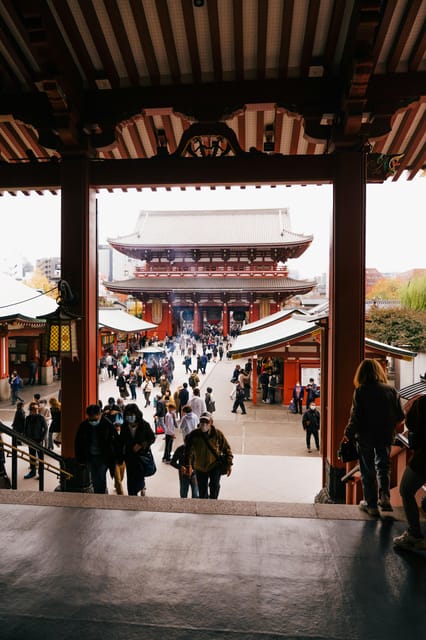
The route is built to move you from a major transportation hub (Tokyo Station) toward Asakusa, specifically Shitamachi—the old-school Tokyo atmosphere that shaped the city’s working-class neighborhoods.
At night, Shitamachi has a different rhythm. The streets feel less like a checklist of sights and more like a place where people lived their everyday lives, and where stories could settle into the corners. You’re not just passing landmarks—you’re getting guided context while you’re walking, which helps the area click in your mind.
And because it’s a ghost tour, the setting isn’t decoration. It’s the delivery system. The darker tone works best when the neighborhood still feels like Tokyo, not a theme park version of it. Asakusa’s feel—traditional streetscape plus local texture—makes the folklore feel more plausible, even if you don’t fully believe in ghosts.
Yoshiwara-jinja Shrine: the 1000-year rule you can feel
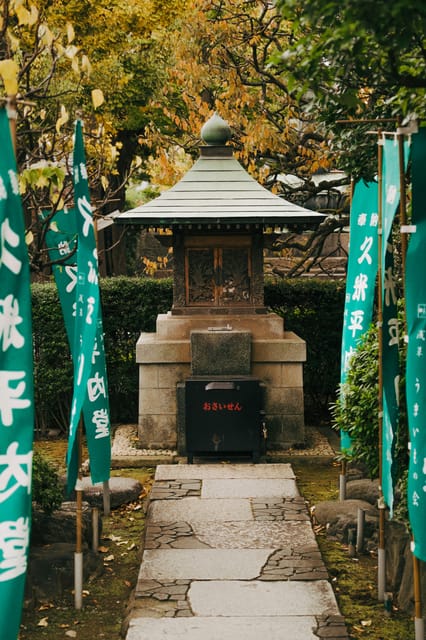
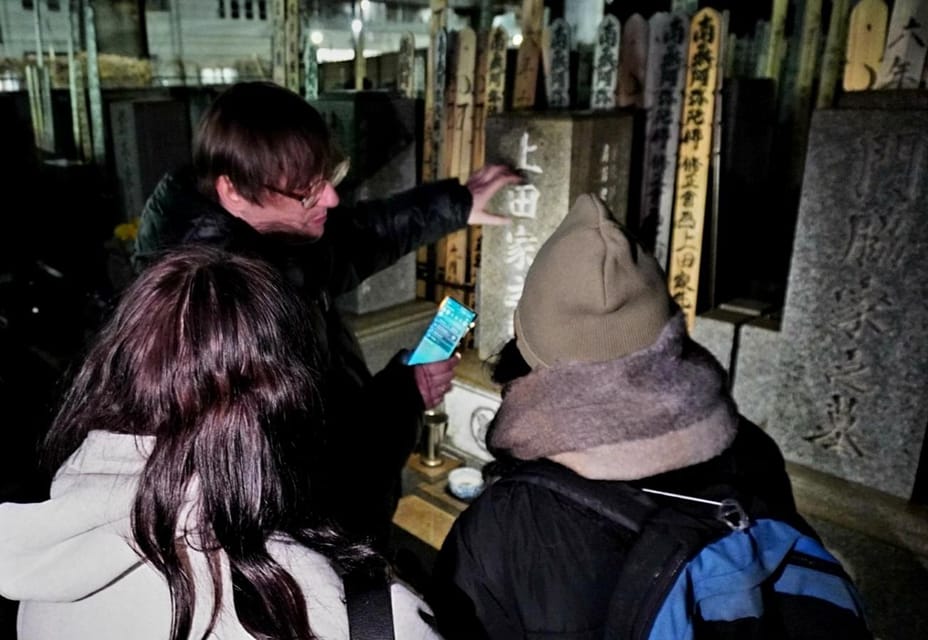
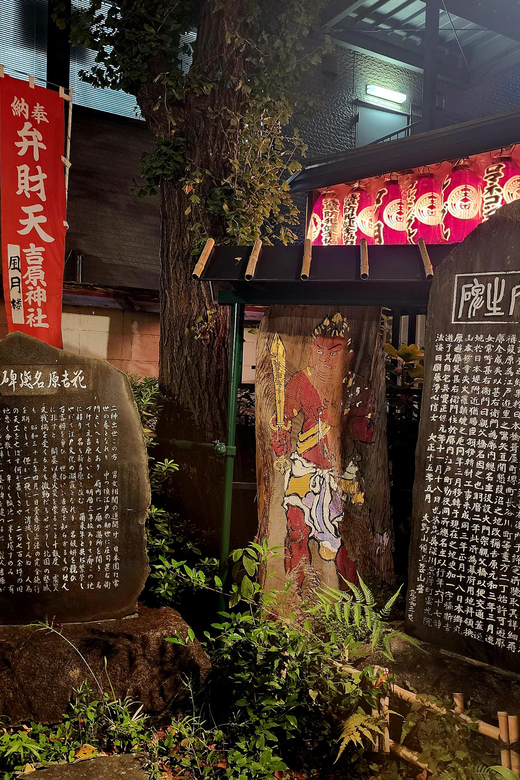
The most memorable stop is Yoshiwara-jinja Shrine. This is where the tour’s story focus tightens into something specific and unnerving: the shrine is tied to a vengeful spirit that has reportedly haunted the area for over 1000 years.
What makes this stop more than just scary storytelling is the behavior people are said to follow. Even around nearby offices, people are reported to avoid turning their backs toward the shrine location. That’s the kind of detail that turns a legend into something you can practically understand. You’re seeing the physical space that the legend points to, and you’re hearing about how real routines can get shaped by fear.
For me, that’s where the tour earns its keep. A ghost tour can be “spooky, spooky” with generic urban legends. Here, you get a shrine with a long timeline and a real-world behavioral rule. It makes the stories land harder because it’s not only about what happened. It’s also about what people still do.
Two quick notes to make this stop work for you:
- Dress and move calmly. You’ll be walking at night, and shrine areas can be uneven.
- Be ready for an emotionally heavy tone. The theme is clearly warning-focused, not funny-horror.
The stories: folklore plus darker threads (and why that combo works)
I like ghost tours that take the cultural angle seriously. This one’s built around true accounts of ghost activity and Japanese folklore, and the guide’s storytelling is also described as covering topics that can include true crime and missing persons themes.
That combination might sound like it could become messy, but it actually fits Tokyo’s storytelling style: people don’t keep the “spirit world” and the “human tragedy world” in separate boxes. Legends often sit next to real suffering, and the result is a tour that feels like you’re learning how locals frame fear.
From your perspective, that means you’ll probably get two different types of chills:
- The folklore side: old, supernatural explanations that survive because they’re tied to places.
- The darker modern side: the sense that something frightening isn’t always supernatural. Sometimes it’s human, and the story just carries longer.
If you enjoy narrative tours with variety—local legends, ghost tales, and unsettling real-world themes—you’re likely to have a stronger time than if you only want jump-scare-style scares.
Tokyo Station orientation: your guide’s job is to set the tone early
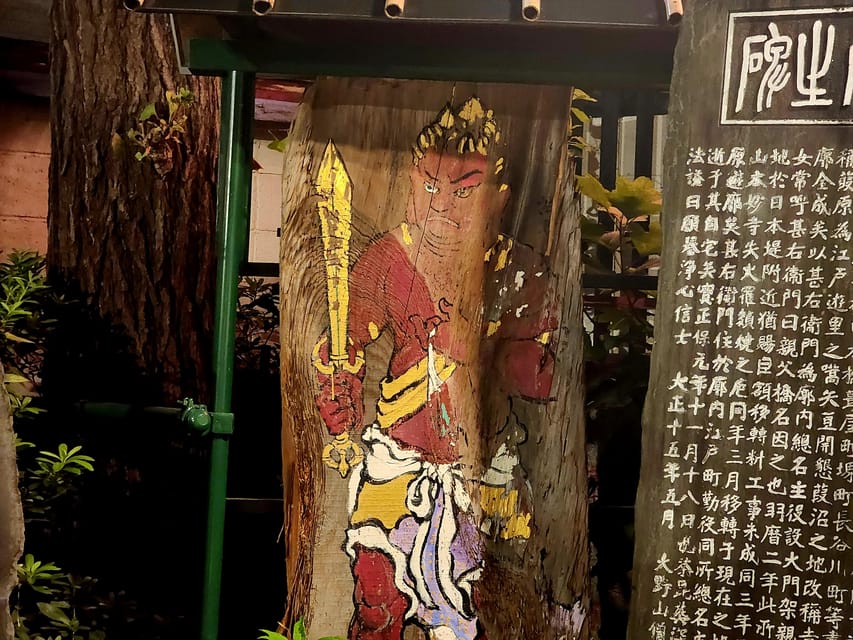
You start at the Tokyo Station meeting area, then you’re guided through the next parts of the tour with an actual professional guide—not an audio app. That matters more than you’d think.
In the early minutes, a good guide does three things:
- Establishes the story framework so you don’t just hear random scary bits.
- Keeps the group moving as Tokyo gets busier in bursts and quieter in between.
- Adjusts for your pace and your questions.
The tour is listed as live guided with multiple languages available: English, French, German, and Italian. If you’re lucky enough to have a guide like Matthias or Maikel (both names appear in provided feedback), you’ll likely get a mix of local detail and story momentum. In particular, I’d pay attention to how the guide links each stop back to the theme of fear—why this place, why now, why it stuck.
Also, the tour includes a Japanese traditional snack. That’s not just a perk. It’s a smart rhythm tool for a night walk: it helps you stay comfortable without turning the tour into a meal plan.


Group size, pacing, and language options
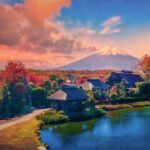
This is designed as a small-group tour, which is exactly what I look for in a night experience. Smaller groups are easier to manage in the dark, and you usually get more guide attention when something doesn’t make sense. You’re not stuck behind ten people.
You’ll also see that a private group option is available. If you’re the type who wants to ask questions freely—or you’re traveling with friends and want the tour to feel tailored—that private structure can be a better fit than waiting your turn in a larger group.
Language coverage is also worth noting. The listed options (French, German, Italian, English) mean the guide can explain the folklore and the more serious story themes in a way that stays clear. That clarity matters on a ghost tour. If you’re missing key details, the story loses its teeth.
Price and value: is $90 a fair deal?
The price listed is $90 per person for a 1-day experience. On paper, that’s not cheap. But for Tokyo, what you’re really paying for is not only “a tour” but:
- A professional guide
- Live storytelling with folklore and true-story themes
- A visit to a specific shrine site tied to local fear behavior
- A traditional snack included
- A night experience where logistics and timing are a big part of the value
So the real question is: do you want the guided storytelling, or would you rather DIY? If you want the route stitched together with context while you’re walking, $90 starts to look reasonable. If your plan is mostly “take photos and wander,” then the cost will feel heavier because you might not fully use the main benefit: the guide’s narrative.
My practical take: if you’re the kind of person who enjoys learning what locals believe and why they believe it, this price is easier to justify. If you’re sensitive to scary themes, budget accordingly because you’ll get a stronger emotional tone than a casual walking tour.
What to bring (and what to skip) for a smooth night
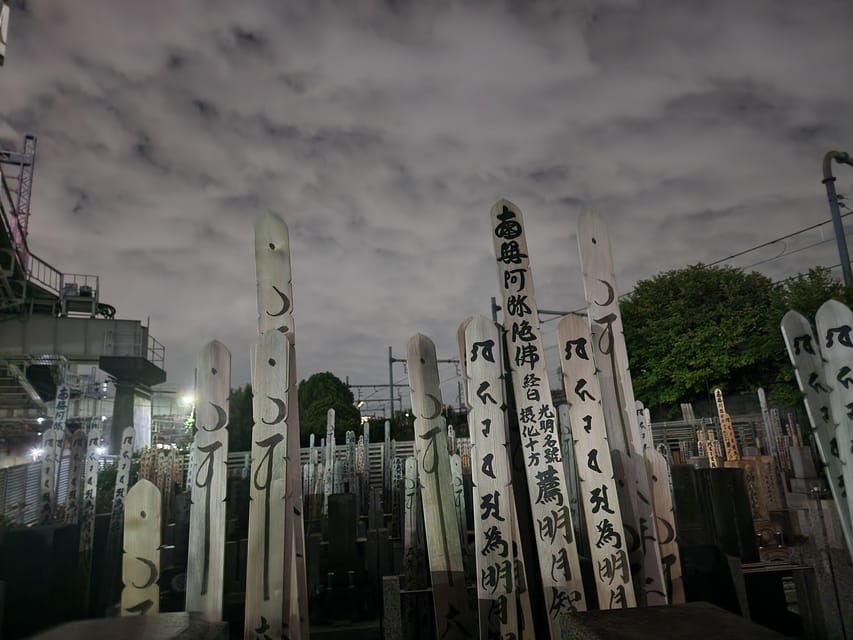
This tour includes night walking, so packing matters more than usual.
Bring:
- Comfortable shoes (this is non-negotiable for uneven sidewalks and longer walking)
- A camera if you want photos (the tour notes that bringing one is appropriate)
Don’t plan on:
- Flash photography (it’s not allowed). Use normal camera settings instead, and keep your focus on the story rather than trying to force perfect shots.
Dress for the weather. That sounds obvious, but night walks in Tokyo can feel cooler than you expect, and you’ll be outside for the duration of the tour. If you’re uncomfortable, the ghost stories won’t land the way they should.
Who should book this ghost tour, and who should skip it
This tour is a strong fit if you:
- Want a small-group night experience
- Like Japanese folklore with real place context
- Enjoy storytelling that mixes ghost themes with darker human narratives
- Prefer guided clarity over self-navigation
It’s not a good fit if:
- You’re traveling with children under 10
- You have heart problems (the tour involves walking at night)
Also, if you’re the type who needs lighthearted content only, you might find the theme heavy. The shrine warning element and the longer-time haunting focus make this more “serious spooky” than “fun haunted-house.”
Should you book this Tokyo ghost tour?
I’d book it if you’re craving an evening in Tokyo that feels specific, not generic. Starting inside Tokyo Station, ending with a guided feel for Asakusa’s Shitamachi streets, and getting a shrine stop tied to fear behavior—this combination gives you both story and place.
I’d skip or rethink if night walking is hard for you, or if you need a kid-friendly format. At $90, you’re paying for guided narrative quality, so make sure you’re in the mood for scary folklore and darker themes—not just casual sightseeing.
If you go, go prepared: comfy shoes, no flash, and a calm, curious mindset. That’s the formula that turns ghost stories into a Tokyo memory you can actually explain back home.
FAQ
Where do we meet for the tour?
You meet inside Tokyo Station at the Marunouchi-Kitaguchi (Marunouchi North Exit), in the north wing area. Look for signs for Marunouchi North Exit, and your guide will pick you up with a sign showing your name.
How much is the Tokyo ghost tour?
The price is $90 per person.
What’s included in the experience?
It includes a professional guide, true ghost stories and folklore, a visit to a haunted shrine, and a Japanese traditional snack.
Are transportation and drinks included?
No. Transportation to and from attractions and drinks are not included.
What languages are offered?
The live tour guide is available in French, German, Italian, and English.
Is the tour suitable for children or people with health conditions?
It is not suitable for children under 10, and it is not recommended for people with heart problems.