REVIEW · TOKYO
Tokyo: Best Samurai Experience
Book on GetYourGuide →Operated by 株式会社テイク · Bookable on GetYourGuide
Duel a samurai in Tokyo? This 1-hour experience turns a traditional kimono setup into real hands-on sword practice, then ends with a playful chanbara fight with music. You’ll be in a dojo space that feels intentionally old-school, not modern and sterile.
I love that you choose your kimono and hakama first, then get guided instruction on how to handle a sword step by step. I also like the way the class builds in lots of chances to get photos (and video) of yourself in action, not just watch from the side.
One consideration: the armor on display can be worn only if you pay an optional extra fee, so your total might run a little higher than $63.
In This Review
- Key things I’d circle before you book
- Finding Samurai Theater Tokyo and Getting Set Up
- Choosing Your Kimono and Hakama (and the Optional Armor Fee)
- Inside the Dojo: Weapons on Display and Old-School Atmosphere
- Sword Basics in an Hour: Draw, Hold, Swing, Retract
- Stances, Safety, and the Reality of Chanbara
- The Finale: Fighting to Music and Getting Your Best Photos
- Who This Samurai Experience Fits Best
- Price and Value: Does $63 Make Sense for a Tokyo Dojo Session?
- Small Tips That Help You Look (and Feel) Better in the Photos
- Should You Book This Samurai Experience in Tokyo?
- FAQ
- How long is the Tokyo samurai experience?
- How much does it cost?
- Where do I meet for the experience?
- Is it a small group?
- What languages are available with the instructor?
- Do I get to wear a kimono and hakama?
- Do I use a real sword?
- Is there armor involved?
- Can I take photos or video?
Key things I’d circle before you book
- Kimono-and-hakama costume choice first, so you start the experience feeling like part of the story
- Non-cutting practice sword so beginners can join without worrying about safety in a normal way
- Clear sword fundamentals: draw, hold, swing, and retract, then basic technique repetition
- A structured mock sword fight (chanbara) that’s more about timing than toughness
- Photos and phone video throughout, with staff helping you capture the moments
- Authentic-drama-experienced instructors, plus weapon-and-armor displays for atmosphere
Finding Samurai Theater Tokyo and Getting Set Up
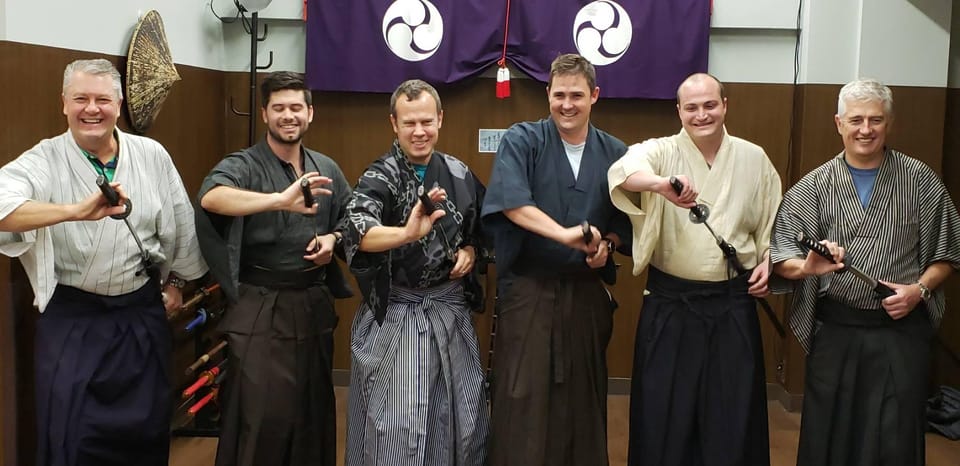
This experience is based around a dojo-style space near Samurai Theater Tokyo, so I recommend you start by searching Samurai Theater Tokyo in Google Maps and confirm the exact entrance area a bit early. You’re arriving for a costume-and-training block, not just a quick show, so building in a few minutes helps you avoid rushing while you’re wearing traditional clothing.
The pace is built for a small group, capped at 10 participants. That matters because sword work is hard to learn when you’re lost in a crowd. With fewer people, you’ll get closer attention as you repeat movements and adjust your grip and stance.
If you’re coming solo, one person can join. And if your schedule is tight, same-day reservations are possible, which is handy when Tokyo plans change day to day.
You can also read our reviews of more tours and experiences in Tokyo.



Choosing Your Kimono and Hakama (and the Optional Armor Fee)
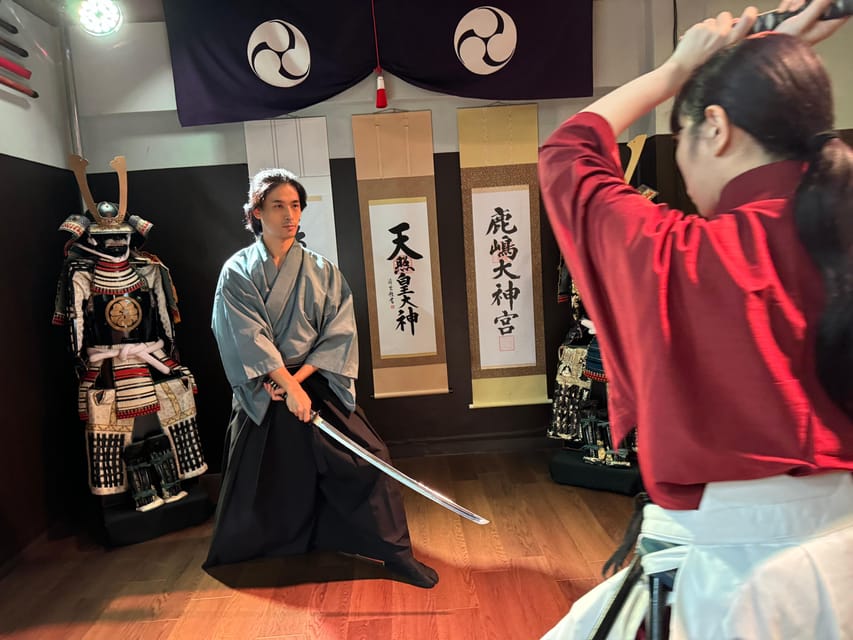
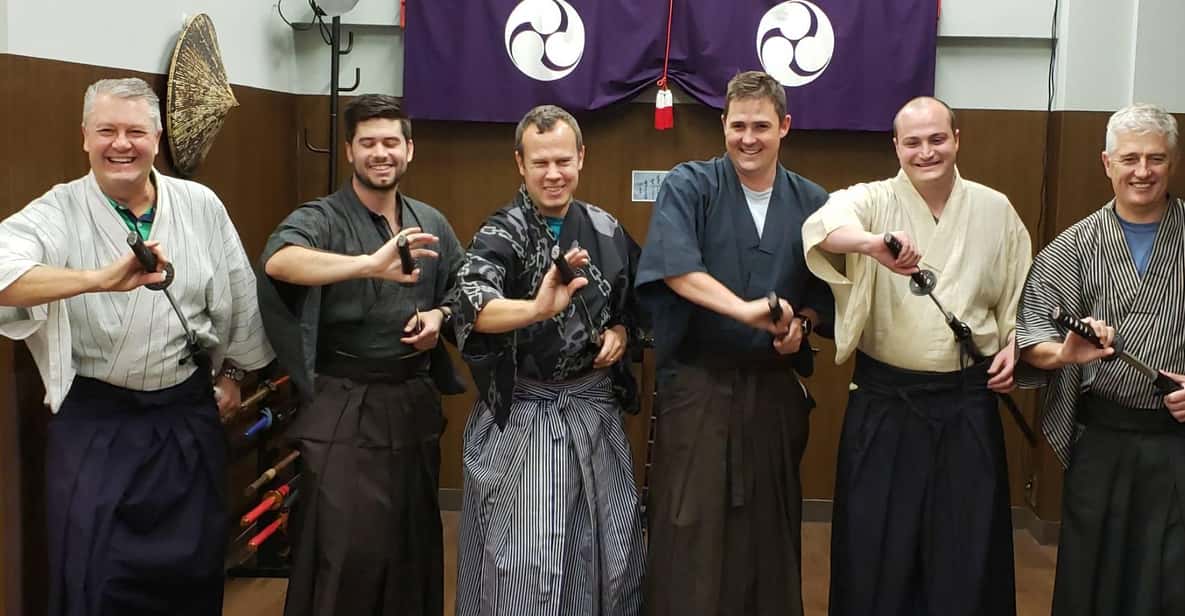
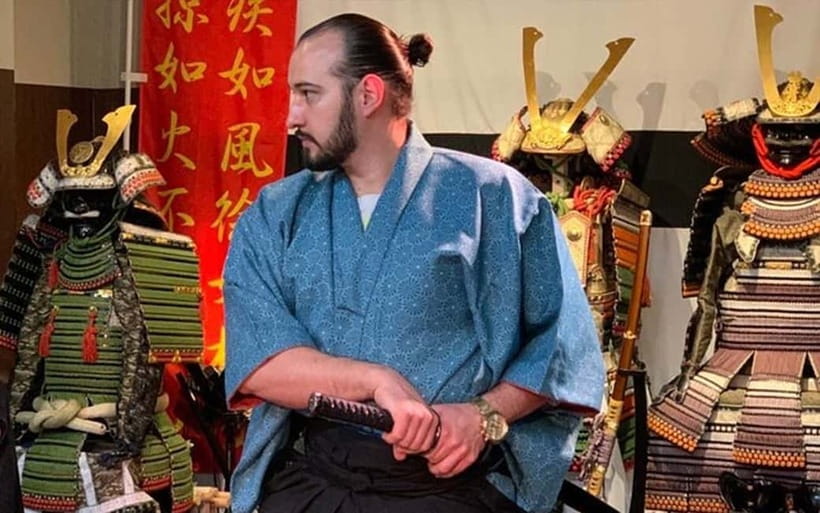
A big part of the fun is that you don’t just get dressed quickly and moved along. You pick your favorite kimono and hakama before the training starts. That simple step turns the experience from a generic activity into something you’ll actually remember when you look back at photos.
Costumes also change how you move. Even if you’ve never worn hakama before, the fit nudges your posture and footing, which helps you learn the basics of stances that sword practice relies on. It’s one reason this doesn’t feel like a “tour” you’re watching. You’re physically in it.
Around the space, you’ll see armor on display. You can wear it too, but there’s an optional fee. If you’re focused on value and want to keep costs clean, you can skip it. If you want the full samurai look for photos, it’s there.
Inside the Dojo: Weapons on Display and Old-School Atmosphere
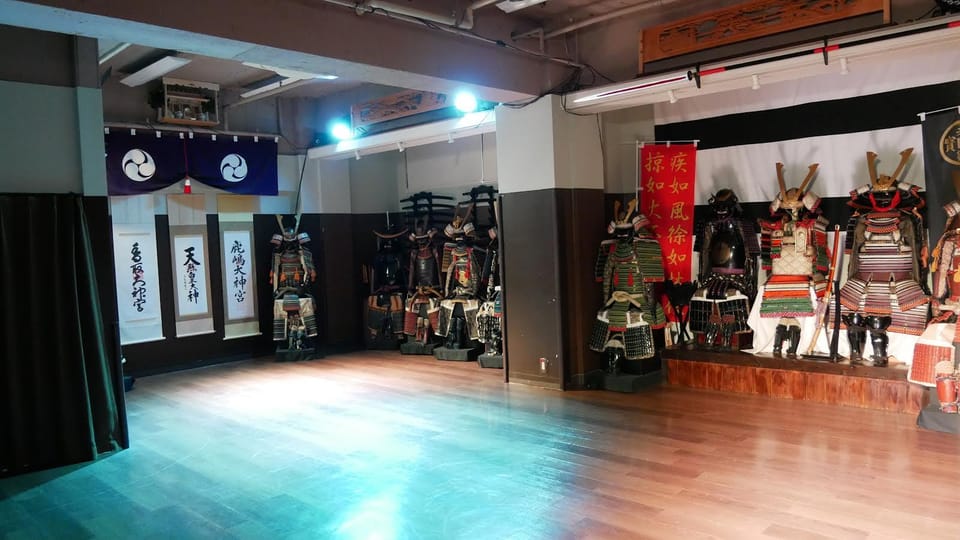
Before you even touch a practice sword, you’re surrounded by weapons and visual cues—swords and spears on display, plus armor. That setup matters because it gives your brain context. Sword basics make more sense when the room itself is teaching you what “samurai space” feels like.
The tour description notes the dojo area doesn’t feel modern. I like experiences that do this because it prevents the “we’re in a studio” feeling that can flatten the story. Here, the environment supports the training.
You’ll also see why the instructors emphasize form over force. When the setting is built like a real dojo (even if the activity is safe and playful), you tend to take the instructions seriously—without turning it into something intimidating.
Sword Basics in an Hour: Draw, Hold, Swing, Retract
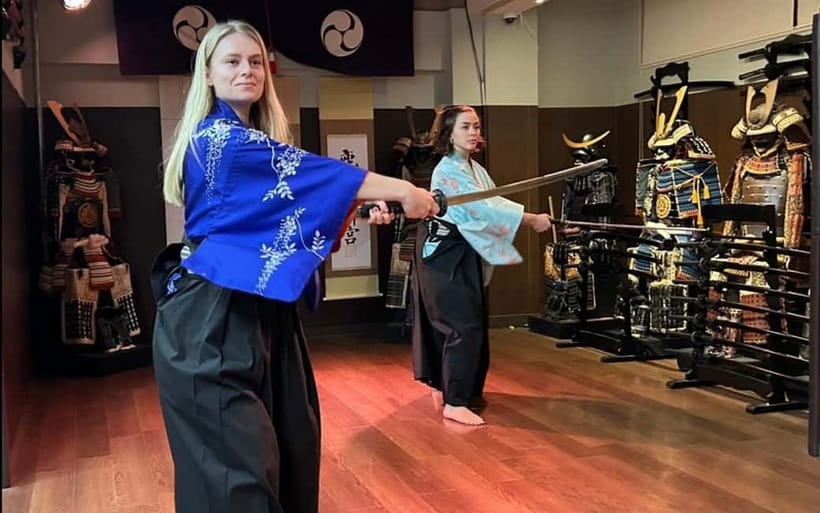
The training has a tight, practical flow. You’ll start with sword basics, then move through the core motions: draw a sword, hold it, swing it, and retract it. Each step is taught clearly so you’re not just handed a costume and told to “go fight.”
You’ll also get an explanation of sword parts. That’s useful even if you’re not trying to become a swordsman. Knowing basic terms and what you’re looking at helps you connect the movements to the tool, not just copy hand positions.
Then come the repetition blocks. This kind of practice is ideal in a short session because it teaches muscle memory quickly. You’ll probably feel clumsy at first, then steadier as the instructor adjusts your grip, stance, and timing.
One more thing: the sword you use is a fake practice sword that cannot be cut. That keeps things accessible. You can focus on control and technique without the fear factor that comes with any real-blade experience.
Stances, Safety, and the Reality of Chanbara
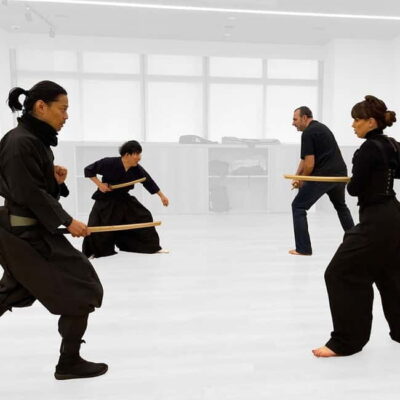
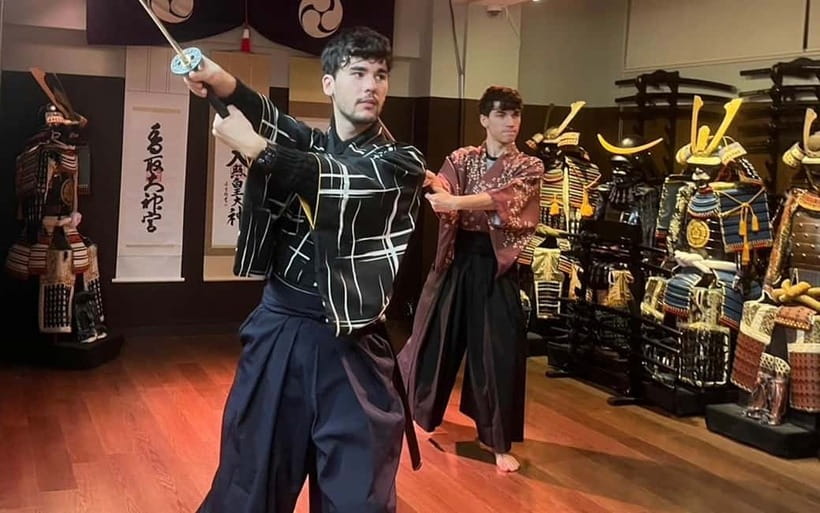
After the basics, you practice a simple chanbara—a stylized, safe sword fight. Chanbara usually means fun sword sparring with clear boundaries and choreographed “attacks” and “defense” moments. In other words, it’s not a chaotic brawl.
The class uses energy and structure to make you feel like you’re doing something cinematic. One of the most praised parts of the experience is how interactive it is, with instructors pushing you to actually participate instead of watching from the edge.
In practical terms, this is where timing matters most. You’ll learn offensive and defensive moves and then try them in a basic fight scene. If you’ve ever wanted to try martial arts but worried you’d be out of your depth, this is a good entry point. The practice sword is safe, the choreography is repeatable, and the group is small.
Also, a good setup for your expectations: you’re learning fundamentals and a mock-fight routine, not advanced kendo or full traditional sword training. That’s the trade-off for a 1-hour experience. The upside is you get a lot of memorable action without needing months of training.




The Finale: Fighting to Music and Getting Your Best Photos
The experience culminates in a performance-style finish, described as a fight against bad guys to music. Think of it like the class’s “stage moment.” You’ll move from learning into a more energetic, show-like sequence where your technique and timing get used in a more cinematic way.
Photo and video are not an afterthought here. You can take photos and videos with your smartphone during the activity. Staff members also help capture the moments, including video and photos taken throughout the session. That’s a big value add because getting good action shots is hard on your own while you’re also trying to perform.
There’s also a photo with a samurai as part of what’s included. I like this because it creates a clean “end cap” to the experience: you can step out of the practice rhythm, reset, and get the classic memory photo.
If you care about quality, bring a fully charged phone and consider bringing a small power bank. Even if you’re only recording short clips, one hour can fill your camera roll faster than you’d expect.
Who This Samurai Experience Fits Best
This is a strong pick if you like martial arts, samurai movies, or hands-on cultural activities where you’re not just looking at stuff. The class is especially fun if you enjoy dressing up and then turning the costume into something active.
It also works well as a family activity for the right age group. The experience isn’t suitable for children under 4 years, and it also lists a height limit: under 90 cm can’t join. There are additional limits too—pregnant women, wheelchair users, visually impaired people, babies under 1 year, and people over 95 years.
If you’re an older adult, you can still likely enjoy it because it’s structured and supportive, but you should go in knowing it’s a physical activity in traditional clothing. You’ll be moving, and you’ll want comfort with basic standing and stepping.
For visitors who want “authentic feel” without technical gatekeeping, this delivers. You get an environment with weapons and armor displays, instructors with media experience, and a real attempt at teaching fundamentals—without requiring you to already know stances or sword vocabulary.
Price and Value: Does $63 Make Sense for a Tokyo Dojo Session?
At $63 per person for about 1 hour, this is priced like a specialized cultural activity, not a cheap tourist stop. So the real question is what you get for that hour, and it’s more than you’d expect for the time.
You get:
- Costume dressing into kimono and hakama
- Sword basics instruction plus sword part explanations
- A safe practice sword that cannot be cut
- Sword-fight practice (chanbara)
- A photo with a samurai
- Time for you to take video and photos during the action
That mix is where the value sits. Many “performance” activities give you a show but limited participation. Many “workshops” give you instruction but not enough photo moments. Here, the session blends both: learn a few core movements, then use them in an energetic finale while your phone captures it.
The small group size (up to 10) also matters. Better supervision usually means fewer people standing around while you wait your turn.
If you add the optional armor fee, your total goes up—but you’re choosing that enhancement, not being pushed into it.
Small Tips That Help You Look (and Feel) Better in the Photos
Even though the session is guided, your preparation still changes your results.
- Wear comfortable shoes you can remove quickly. You’ll be changing into costume, so speed matters.
- Keep your phone in a stable grip. During the fight scenes, you want video that stays steady and doesn’t cut off mid-swing.
- Don’t try to “win” the choreography. Lean into following the instructor’s pace. Your stance and timing will look better and feel safer.
- If you care about video quality, clear storage beforehand. One hour of clips can fill space quickly.
One more practical note: the instructors teach movements and stances names as part of the learning flow. Even if you don’t remember everything later, you’ll probably feel more confident during the mock fight because you’re not just copying arm motions.
Should You Book This Samurai Experience in Tokyo?
Yes, I’d book it if you want a participatory Tokyo experience where you dress up, learn basic sword handling, and end with a fun fight scene you can actually record. The 1-hour format is ideal for travelers who don’t want a long class, and the small group size helps you feel guided instead of processed.
Skip it if you need a fully accessible environment, or if your group includes someone who fits the listed unsuitability limits (under 4 years, under 90 cm, wheelchair users, visually impaired, pregnant women, and others). Also consider whether you’re comfortable doing light physical movement in traditional clothing.
If you’re on the fence because you think sword training will be intimidating, don’t. This is built around a safe, non-cutting practice sword and simple chanbara choreography. You’ll leave with costume photos, action clips, and a better understanding of the fundamentals than you’d get from a quick show.
FAQ
How long is the Tokyo samurai experience?
It lasts 1 hour.
How much does it cost?
The price is $63 per person.
Where do I meet for the experience?
Use Google Maps and search for Samurai Theater Tokyo.
Is it a small group?
Yes. The group is limited to 10 participants.
What languages are available with the instructor?
The instructor speaks English and Japanese.
Do I get to wear a kimono and hakama?
Yes. Changing into kimono and hakama is included.
Do I use a real sword?
No. You use a fake sword that cannot be cut.
Is there armor involved?
Armor on display is optional. There is an extra fee if you want to wear it.
Can I take photos or video?
Yes. You can take photos and videos with your smartphone, and a photo with a samurai is included.