REVIEW · TOKYO
Tokyo Cherry Blossom Express Tour with Boat Ride
Book on GetYourGuide →Operated by Maji Super Tours · Bookable on GetYourGuide
Spring in Tokyo can feel busy, but this route keeps it calm. You’re guided to several top blossom zones in a tight 6-hour plan, with a 30-minute boat ride for that postcard reflection moment. Starting at historic Koishikawa Korakuen sets the tone, and the pace stays manageable even though the day includes a fair bit of walking.
I love how the itinerary hedges its bets: you’re not relying on one location only. Koishikawa Korakuen gives you peaceful garden beauty, and Ueno Park plus the Chidorigafuchi moat walk increases your odds of catching trees in the sweet spot. I also like the way the guides can adapt. One English guide named Denise tailored the day to what her group wanted, even heading off script to see a shrine, while another guide, Jim Smashy, was described as helpful and caring.
One consideration: the day runs in most weather, but the boat is at the mercy of wind and rain. If conditions get rough, the boat ride (and any night option if offered) may not happen, and you’ll want to be okay with soaking wet walking time when the sky doesn’t cooperate.
In This Review
- Key things to know before you go
- Koishikawa Korakuen West Entrance: where the blossom day starts
- The 6-hour route: from Koishikawa to Ueno to the moat walk
- Ueno Park cherry blossom time: big scenes, easy flow
- Chidorigafuchi Moat (700 meters): your photo corridor
- The 30-minute boat ride: reflections, plus the weather reality
- Guide style that actually helps: Denise and Jim Smashy’s touch
- Price and value check: is $141 fair for six hours?
- Timing Tokyo cherry blossoms in 2025: plan for early season
- What to bring and how to stay comfortable (and dry-ish)
- Who this tour suits best (and who should look elsewhere)
- Should you book this Tokyo Cherry Blossom Express Tour?
- FAQ
- FAQ
- How long is the Tokyo Cherry Blossom Express Tour?
- What does the $141 per person price include?
- Where is the meeting point for the tour?
- Is hotel pickup or drop-off included?
- Is the boat ride guaranteed?
- Does the tour run in bad weather?
- What should I bring?
- Is it suitable for wheelchair users or young children?
Key things to know before you go
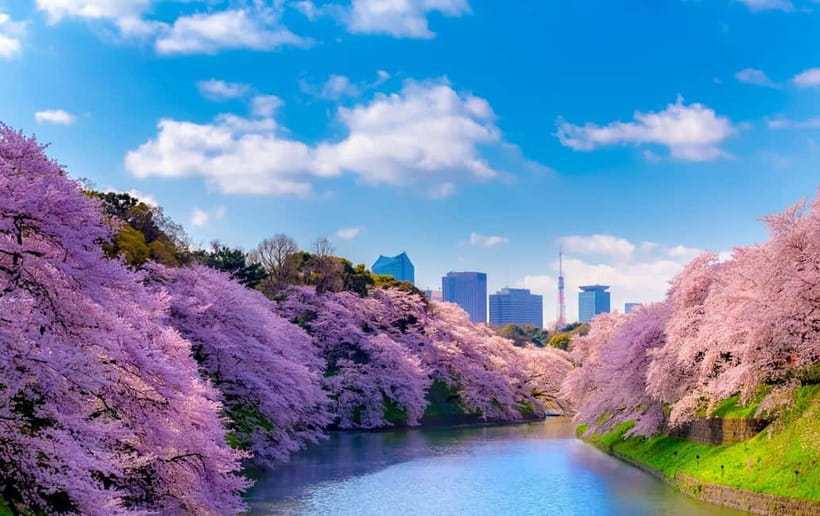
- Six hours, three blossom zones, one boat ride so you get variety without spending the whole day on transit
- Koishikawa Korakuen Garden (Edo-period setting) starts you in a quieter, garden-focused mood
- Ueno Park and its huge number of trees helps you see why this area is such a blossom magnet
- Chidorigafuchi moat walk (about 700 meters) gives you that classic row-of-trees photo angle
- Boat ride timing depends on conditions since operators make the safety call
- English live guide who can adjust the plan to your interests
Koishikawa Korakuen West Entrance: where the blossom day starts
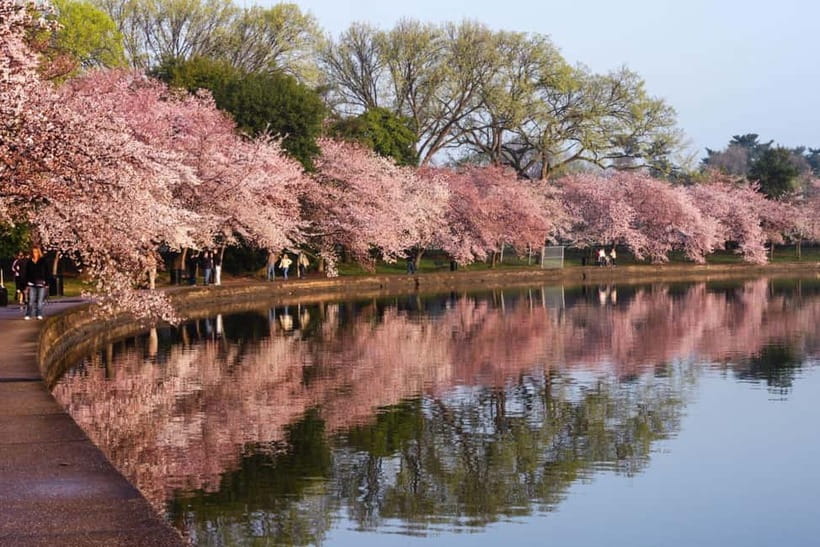
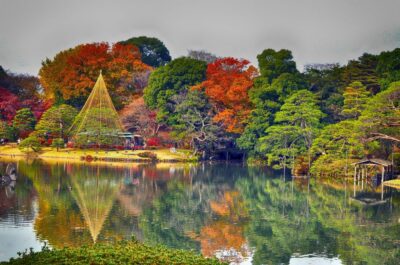
The meeting point is the West Entrance of Koishikawa Korakuen Garden, and it’s a smart place to begin. Koishikawa Korakuen has roots in the Edo period, so you’re not just stepping into a pretty park—you’re entering a historical garden layout that’s designed for strolling. That matters during cherry season, because it helps the day feel like an actual experience, not a speed-run from one crowded spot to the next.
Getting there is straightforward if you use public transit. From Iidabashi Station (Toei Oedo Line), take Exit C3 and plan about a 3-minute walk. From Iidabashi Station (JR Sobu Line), use the East Exit and allow around 8 minutes on foot. The garden has no parking, so if you’re tempted to drive, don’t—train and walking is the cleanest route.
I’d treat this start as your warm-up. You’ll be walking and outdoors later, so arriving a few minutes early gives you time to settle in, use the bathroom if needed, and get your comfortable-shoes stance ready. And yes, the tour specifically calls for comfortable shoes.
You can also read our reviews of more boat tours in Tokyo


The 6-hour route: from Koishikawa to Ueno to the moat walk
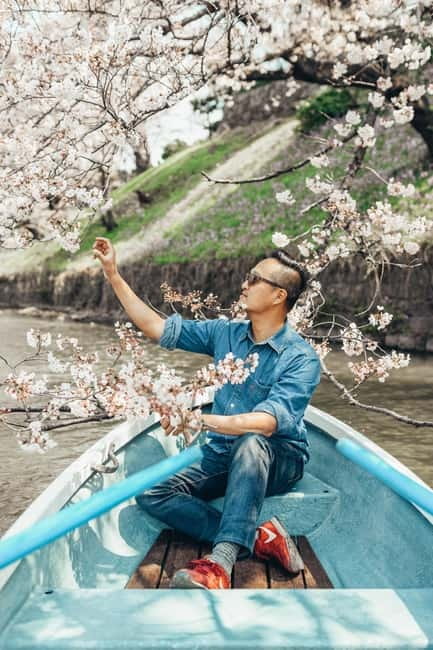
This tour is built around a simple idea: see cherry blossoms in different settings, without losing hours. In six hours, you’ll move from a garden space (Koishikawa Korakuen) to a big public park area (Ueno Park), then into one of Tokyo’s most iconic “trees along water” scenes at the Chidorigafuchi Moat.
Here’s what that adds up to for you:
- Koishikawa Korakuen Garden gives the calm version of blossoms—slower views, quieter paths, and that classic garden feel.
- Ueno Park brings scale. The tour plan highlights the dense cherry presence here, the kind of scene where you can look around and see flowers in multiple directions.
- Chidorigafuchi Moat turns it into a long, photogenic corridor. The tour includes a 700-meter walk along the moat, framed by blossoms.
A practical note: “express” doesn’t mean “no walking.” You should expect a steady day on your feet. If you’re the type who likes to stop often for photos and small detours, the guide’s plan helps, because you’re not trying to figure everything out solo.
Ueno Park cherry blossom time: big scenes, easy flow
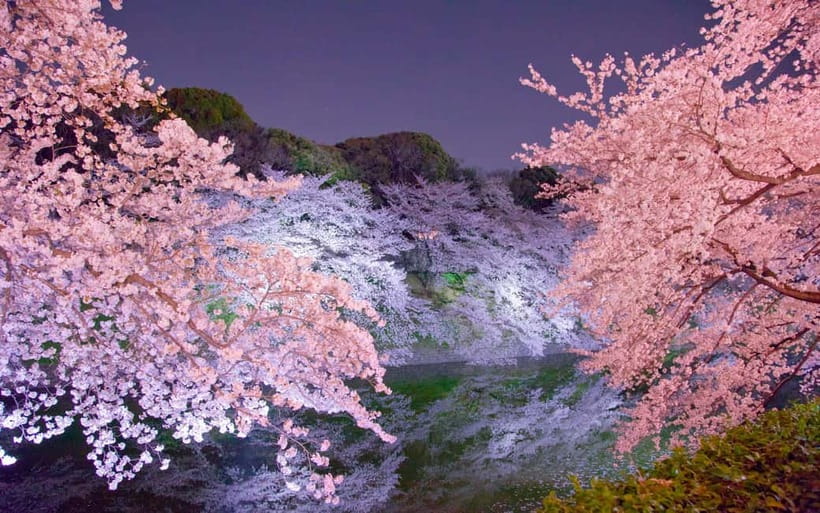
Ueno Park is one of those places where the blossoms can feel like part of the city’s rhythm. The tour doesn’t ask you to do complicated navigation here; you get guided access to the main cherry blossom atmosphere, built around the idea that thousands of trees create an unmistakable seasonal spectacle.
What I like about this stop is how it balances the earlier garden calm. Koishikawa is about quiet and composition—paths, garden edges, and blossoms that look almost staged by the landscape design. Ueno is more about crowd energy (in a good way) and the sheer “wow, there are so many trees” feeling. The guide keeps you moving through the right zones so you’re not stuck circling or doubling back.
Also, if the season isn’t at peak for every tree, this kind of large park stop helps. One day might be heavy on peak bloom while another day may have more “late bloomers” and finishing blossoms. Having multiple stops in multiple spots increases your odds of seeing something beautiful throughout the route.
Chidorigafuchi Moat (700 meters): your photo corridor
If you’ve ever seen the iconic Tokyo cherry photos with trees leaning over water, chances are high they come from the Chidorigafuchi Moat area. This tour includes a 700-meter walk along the moat, which is a sweet length: long enough to feel like a full experience, short enough that you still have energy left for the rest of the day.
Walking this stretch does a few things for you:
- You get the “row of blossoms” perspective from multiple angles.
- You build a sense of rhythm, because you’re moving parallel to the water.
- You end up naturally positioned for the later boat ride, when the viewpoint shifts.
Two practical pointers I’d keep in mind: first, bring a plan for photos that doesn’t hold up the group. Second, treat the moat walk as both scenery time and timing time. If you want the best shots, you’ll likely want a few seconds at each cluster—just don’t let it become 30 minutes of decision-making every 10 steps.
The 30-minute boat ride: reflections, plus the weather reality
This is the signature extra: a 30-minute boat ride where you see the cherry blossoms reflected on the water. That changes the way the blossoms “read” to your eye. From the deck, the trees become shapes and colors first, and details second. It’s also one of the few ways to see Tokyo blossoms that feels truly different from standing on land.
Here’s the reality check: the tour says it operates in all weather conditions, but the boat operators run the safety show. They decide independently based on the current conditions. On a rainy and windy day, the boat portion can close. And if it’s unsafe for the boat, you may miss any follow-on options connected to that day’s schedule.
So what should you do? Be prepared for two versions of the boat plan:
- Best case: smooth ride, clear reflections, and a calm reset mid-day.
- Worst case: more time walking and less time on the water.
If your heart is set on the boat, I’d watch the weather and go in with flexible expectations. And keep in mind that during cherry season, blossom timing itself depends on weather, so the “perfect conditions” day can be different from the “perfect blossoms” day.




Guide style that actually helps: Denise and Jim Smashy’s touch
A lot of cherry blossom tours feel like a checklist. This one feels closer to a guided stroll where the guide understands that your attention will wander—because blossoms do that.
Two guide stories from the tours highlight what you can hope for. Denise was described as tailoring the trip to the group’s desires and even taking an off-script route to see a shrine. Another guide, Jim Smashy, was praised for being helpful, informative, caring, and calm. That kind of tone matters on blossom days, because the crowd level and weather can change fast.
One more thing worth noting for your decision-making: guides are human. On a day with tough weather, one outing included moments where the guide had to look up details. That’s not a disaster, but it’s a reminder that you’ll be happier if you see this as a flexible experience rather than a scripted lecture.
If you want a tour where the guide supports your pace—stopping when you want, steering you toward the right blossom moments—this format is a good match.
Price and value check: is $141 fair for six hours?
At $141 per person for 6 hours, the price looks like it’s in the mid-range for Tokyo guided experiences, but the value comes from what’s included. You get:
- All entrance fees
- The 30-minute boat ride
- A live English tour guide for 6 hours
Not included are the usual extras: hotel pickup/drop-off, food and drinks, and transportation fees via train/bus. You also need to get yourself to the meeting point by public transit since the garden has no parking.
So how do you decide if it’s worth it for you? Ask one question: how much do you want to pay to avoid planning and ticket math during cherry season? If you’d rather spend your brain power on photo angles and walking comfort, this package makes sense. The guided route across multiple iconic areas is exactly what you’d otherwise piece together yourself—likely with more time and more trial and error.
The guide-led route also matters if you care about timing. Blossom season shifts year to year, and this itinerary’s multi-stop approach improves your odds of finding trees that are still looking good.
Timing Tokyo cherry blossoms in 2025: plan for early season
The tour’s guidance is clear: cherry blossom timing is weather dependent, and it can start earlier than you expect. For 2025, it notes an early start, with blossoms already visible in some parts of Tokyo. The “best timing” window it suggests is roughly March 15 through the end of April, but it’s explicitly a guess and can swing based on the season.
What I recommend you do with that info: don’t wait for perfection. Blossom season can change faster than your calendar. If you want a guided shot at the classic spots—garden, park, moat, and boat—booking early is a rational move, especially if you’ll be in Tokyo around mid-March through late April.
Also, consider your mindset. If you arrive and find that many trees have finished, you can still get beauty. One guide-led day noted that most trees had finished blooming, yet they still found “some beautiful ones,” which is the advantage of covering multiple locations.
What to bring and how to stay comfortable (and dry-ish)
This tour is outdoors and weather-dependent, even though it’s designed to run in all weather. Bring comfortable shoes because you’ll be walking between areas and along the moat. Smoking is not allowed, so if you smoke, plan ahead and step away during any pauses.
For weather, the tour notes that boat operations depend on current conditions and the operators decide independently. That’s your cue to pack practical layers. If rain is possible, consider a light rain jacket and a small towel or something to wipe your camera/phone. Wind can be an issue for boat safety and comfort, so even on “maybe rain” days, you’ll be glad you dressed for the elements.
Finally, check the suitability notes before you book. This tour is not suitable for children under 5, wheelchair users, or people over 95. If you fall near either end of that range, you’ll want to consider comfort and pace carefully.
Who this tour suits best (and who should look elsewhere)
You’ll probably love this experience if you want a structured way to see Tokyo cherry blossoms without doing route planning all day. It’s especially good for:
- First-time visitors who want iconic spots in one guided day
- People who want a mix of garden calm, park scale, and water views
- Anyone who values a guide who can adapt, like Denise’s tailoring and off-script shrine stop
You might skip it if:
- You’re hoping for guaranteed boat time no matter what
- You’re not comfortable with long outdoor walking
- You need wheelchair accessibility (the tour isn’t suitable)
If you’re traveling with kids under 5, you’ll also need a different option.
Should you book this Tokyo Cherry Blossom Express Tour?
If you’re aiming to see multiple cherry blossom icons in a single day—and you like the idea of the boat ride as a separate viewpoint—this tour is a strong choice. The included entrances and the guided route across Koishikawa Korakuen, Ueno Park, and the Chidorigafuchi moat walk make the $141 price feel more “package deal” than “just a guide.”
My main advice is to book with flexible expectations about weather. The walking will happen, but the boat may not if wind and rain get too intense. If that uncertainty is okay for you, you’re in the right mindset for a joyful blossom day.
FAQ
FAQ
How long is the Tokyo Cherry Blossom Express Tour?
The tour duration is 6 hours.
What does the $141 per person price include?
It includes all entrance fees, a 30-minute boat ride, and a live English tour guide for the full 6 hours.
Where is the meeting point for the tour?
The tour starts at the West Entrance of Koishikawa Korakuen Garden.
Is hotel pickup or drop-off included?
No. Hotel pickup and drop-off are not included.
Is the boat ride guaranteed?
The boat ride depends on current weather conditions. Boat operators are responsible for safety and decide independently based on the weather.
Does the tour run in bad weather?
The tour operates in all weather conditions, and you should dress appropriately. However, the boat operation depends on the weather safety decision by the boat operators.
What should I bring?
Wear comfortable shoes, since it’s a walking tour and you’ll be outdoors for hours.
Is it suitable for wheelchair users or young children?
No. It is not suitable for wheelchair users, and it is not suitable for children under 5 years old.