REVIEW · TOKYO
From Tokyo: Mount Fuji and Hakone Private Day Trip
Book on GetYourGuide →Operated by Japan-tours · Bookable on GetYourGuide
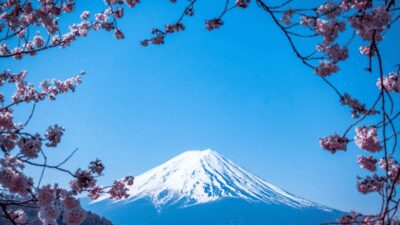
Mount Fuji on a cloudy day can still feel magical. This private day trip is built for big viewpoints, calm pace, and smart routing across Fuji and Hakone. I love that you get a driver/guide in your own air-conditioned van, so stops aren’t locked to a crowd-controlled schedule. I also like how the day blends iconic Fuji views with Hakone’s volcanic energy and lakeside scenery.
The main thing to weigh: visibility matters. If weather hides Mount Fuji, your guide can still pivot, but you won’t get every postcard view from every angle. Also, a few popular add-ons cost extra, like the Lake Ashi boat, ropeway/cable car, and the Hakone Open Air Museum ticket.
In This Review
- Key things that make this day trip worth it
- Fuji and Hakone in one day: how the route actually feels
- The Mt Fuji visibility game: what your guide will do with bad weather
- Subaru 5th Station: the highest paved experience and its shrine stop
- Fujiyoshida and lake-area classics: Chureito Pagoda and Fuji shrines
- Chureito Pagoda at Arakurayama Sengen Park
- Kitaguchi Hongu Fuji Sengen Shrine
- Oshino Hakkai: eight ponds, snowmelt water, and easy strolling
- Hakone’s Owakudani and ropeway views: sulfur, steam, and panoramas
- Lake Ashi pirate cruise (optional): why it’s a top use of time
- Hakone Open Air Museum: art with actual scenery
- Price and what you’re really buying at $438 per group
- Pickup, timing, and how to avoid wasting daylight
- Who should book this private Fuji and Hakone day trip
- Should you book? My honest take
- FAQ
- What’s the tour price, and how many people can be in a group?
- What’s included in the tour price?
- What costs extra during the day?
- Is there an extra pickup fee from outside Tokyo’s 23 wards?
- What if I want to reach the Subaru 5th Station in summer?
- What languages are available for the tour?
- Is the tour suitable for elderly travelers?
- Is smoking allowed during the tour?
- What’s the cancellation policy?
Key things that make this day trip worth it
- Private van time: you can adjust stops on the day to match traffic and weather instead of rushing through fixed times.
- Fuji variety in one loop: Subaru 5th Station views plus shrine and lake-area sights across the Fuji Five Lakes region.
- Hakone’s volcanic drama: Owakudani sulfur area paired with ropeway-style panoramic lookouts (optional add-ons).
- Lake Ashi options: the pirate-style cruise is an easy win if you want Fuji reflections and mountain views.
- Art + walking, at your pace: Hakone Open Air Museum combines outdoor strolls with works spread along gentle hills.
- Guides who help you time crowds: multiple guides (like Ali, Hadi, Nomi, and Mike-san) emphasize timing and photo spots, especially during peak periods.
Fuji and Hakone in one day: how the route actually feels
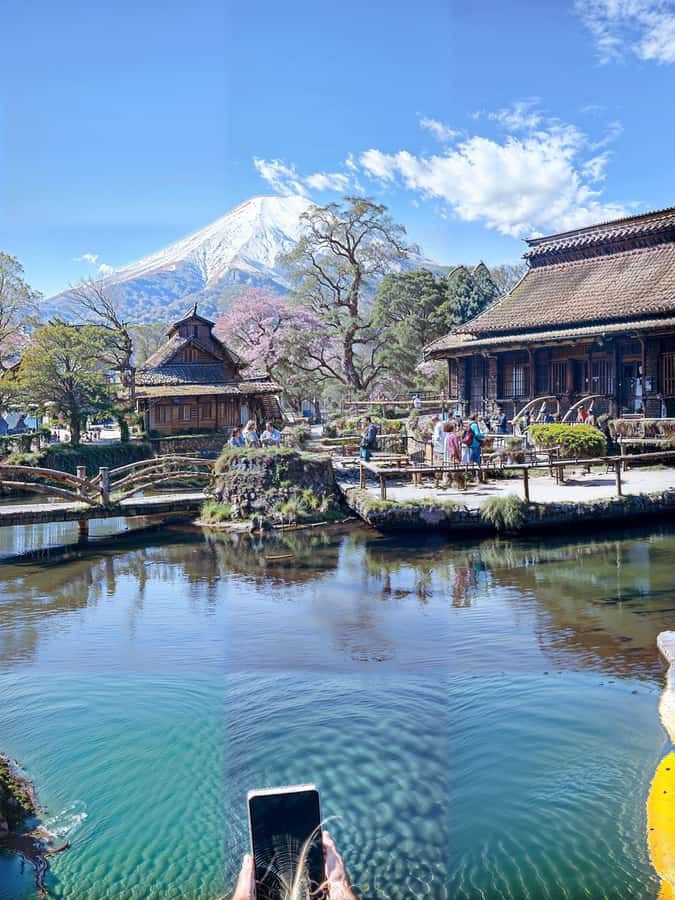
This is the kind of day trip that makes sense if you want the highlights without the hassle of trains, transfers, and hauling bags from one area to the next. You get picked up in an air-conditioned vehicle, and you spend the day moving between viewpoints around Mount Fuji and into Hakone National Park.
The rhythm matters. You start in the Fuji area (with chances at the best Mt Fuji angles), then shift toward Hakone’s hot-spring, volcanic, and lakeside scenery. The tour also has a built-in reality check: the guide helps you choose what to prioritize because not everything can fit in a 10-hour day. That flexibility is a big part of why people rate this so high.
If you’re traveling as a family, the private format is especially useful. Several reviews mention kids doing better with fewer logistics and more breaks between stops. And if you care about photos, the best guides here don’t just point at sights—they help you line things up and tell you when to be at each viewpoint to avoid peak crush.
You can also read our reviews of more private tours in Tokyo
The Mt Fuji visibility game: what your guide will do with bad weather
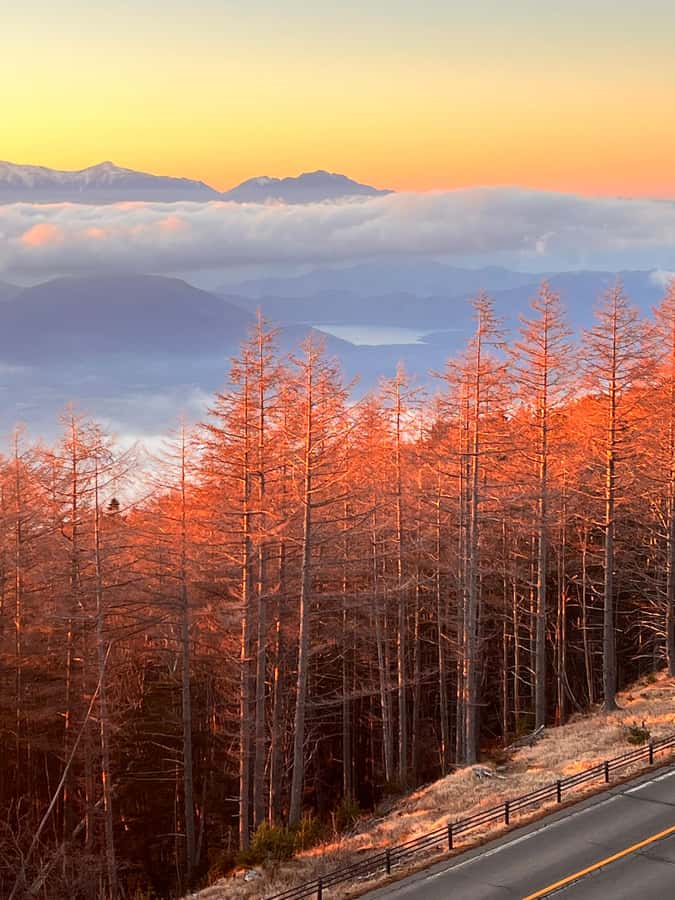
Mount Fuji is famous for being dramatic, but it’s also famous for disappearing into cloud. The good news: this tour is designed with that in mind. Even when the view wasn’t clear, guides like Hadi and Ali still built a full day around strong alternatives and timed viewpoints.
Here’s what that looks like in practice:
- If Fuji is blocked early, your guide can change the order of stops so you spend your best effort where visibility improves.
- If crowds spike, you can often reposition to calmer angles or wait for gaps.
- If you’re traveling on a weekend, guides may push for an earlier start to reduce traffic and get you to viewpoints before the busiest waves.
A few helpful travel habits will make this easier:
- Bring cash. One of the practical tips from reviews was that some places didn’t take cards, so yen helps.
- Be camera-ready but don’t panic if weather shifts. Guides consistently steer the day toward good vantage points as the sky changes.
Subaru 5th Station: the highest paved experience and its shrine stop
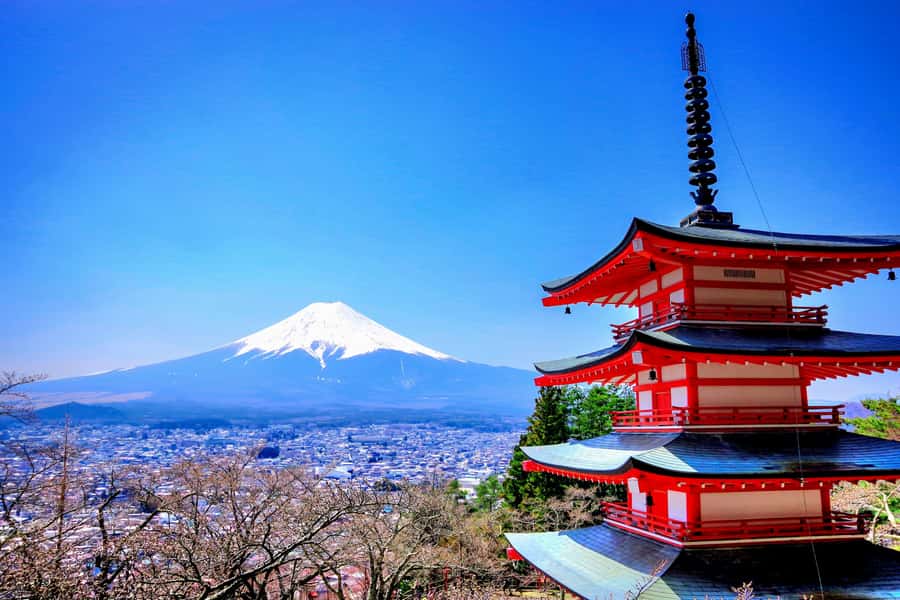
One of the biggest reasons people book this is the shot at Subaru 5th Station. It sits at about 2,300 meters above sea level, so even on a day when the view isn’t perfect, you still get that altitude feel and wide crater-and-mountains context.
At Subaru 5th Station, you also visit Tenjosan Komitake Shrine. That shrine stop isn’t just a checkbox. It’s a place where you can slow down, look out over the surrounding area, and catch any break in the clouds from a calmer spot than a busy road edge.
Two important considerations:
- In summer hiking season (July 1 to September 30), private vehicles aren’t allowed on the Fuji Subaru line. If you really want to reach the station by vehicle, you’ll need the shuttle bus instead, with an extra 2,500¥ per person charge mentioned for that period.
- High altitude is cool and changeable. Wear comfortable layers so you don’t feel miserable if temps drop.
If your goal is to experience Fuji at height, Subaru 5th Station is the “yes, this is different” stop on the day. Even when the full postcard view doesn’t happen, the scale is hard to fake.
Fujiyoshida and lake-area classics: Chureito Pagoda and Fuji shrines
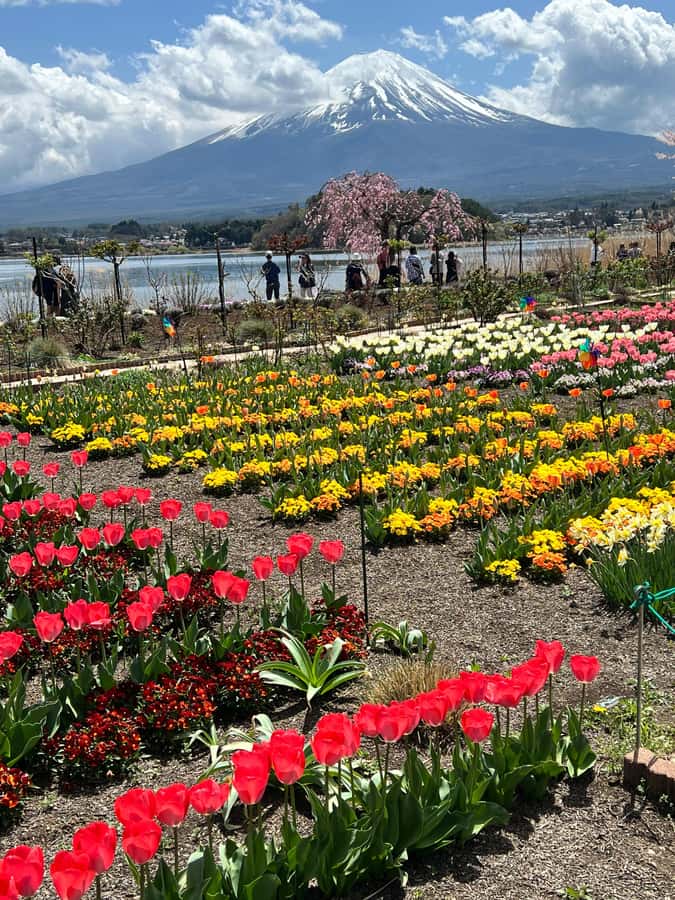
After the altitude stop, this tour moves into the Fuji region’s cultural side—places where the mountain is framed through architecture, torii gates, and shrine paths.
Chureito Pagoda at Arakurayama Sengen Park
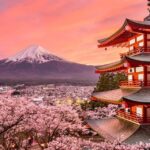
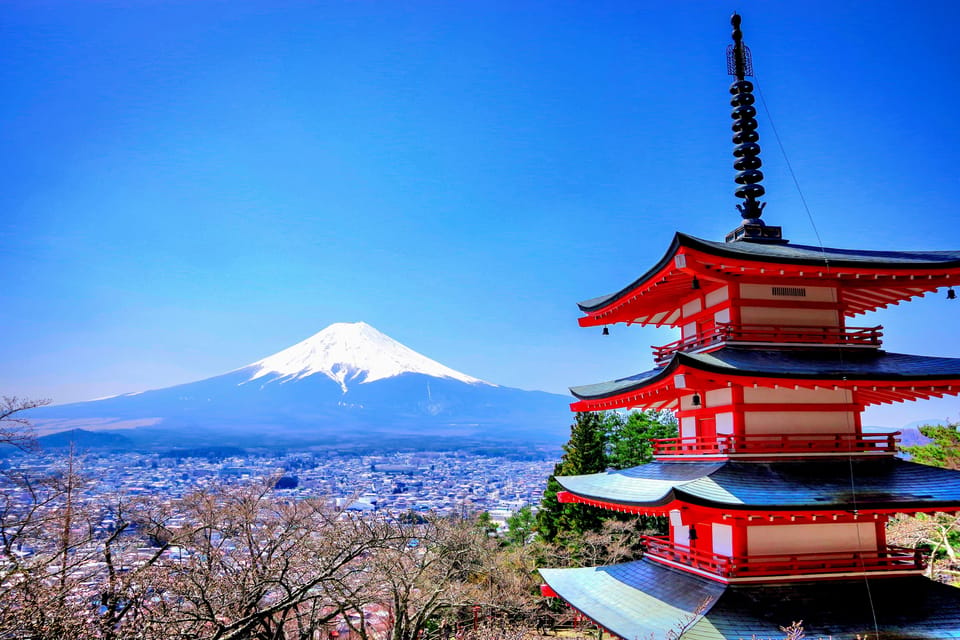
This five-story pagoda is one of the most recognizable Fuji compositions around. It’s part of Arakurayama Sengen Park, and it’s especially famous during seasonal color—cherry blossoms and autumn foliage. Even if the season isn’t your timing, it’s still a clean, photogenic viewpoint.
The key practical note: it’s scenic, but it can be busy. A good guide will manage your time so you get your photos without turning it into a two-hour queue.
You can also read our reviews of more tours and experiences in Tokyo

Kitaguchi Hongu Fuji Sengen Shrine
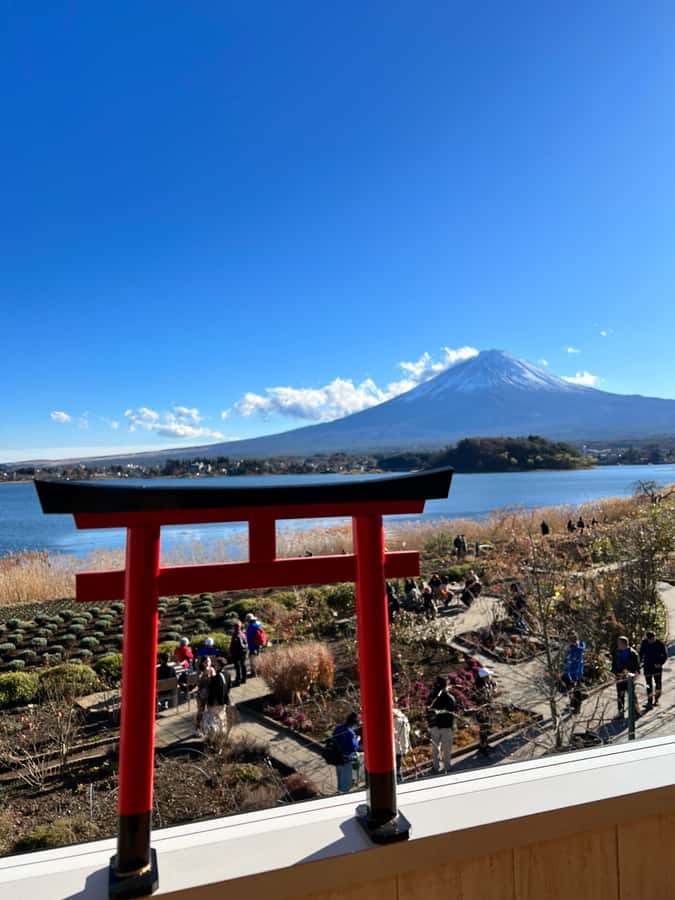
Next comes another Mount Fuji shrine experience: Kitaguchi Hongu Fuji Sengen Shrine. Look for the red torii gates and a more quiet, grounded atmosphere. The approach path is lined with cedar trees over 1,000 years old, plus stone lanterns that create a classic, steady walking rhythm.
Some reviews specifically called out this shrine as a memorable, calming stop. If you want a break from view-chasing, this is where you can exhale and enjoy the atmosphere.
Oshino Hakkai: eight ponds, snowmelt water, and easy strolling
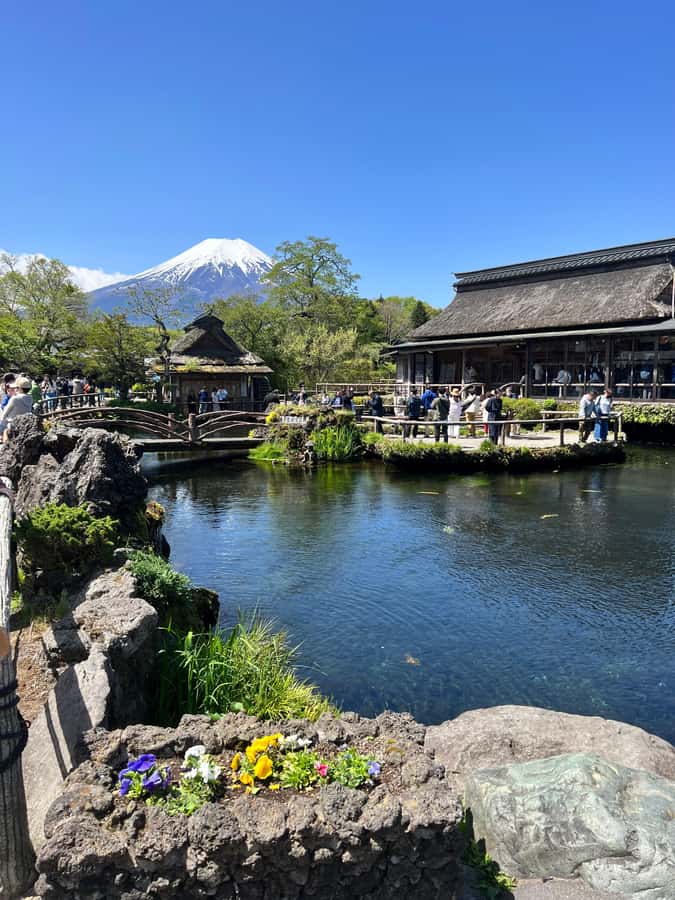
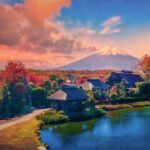
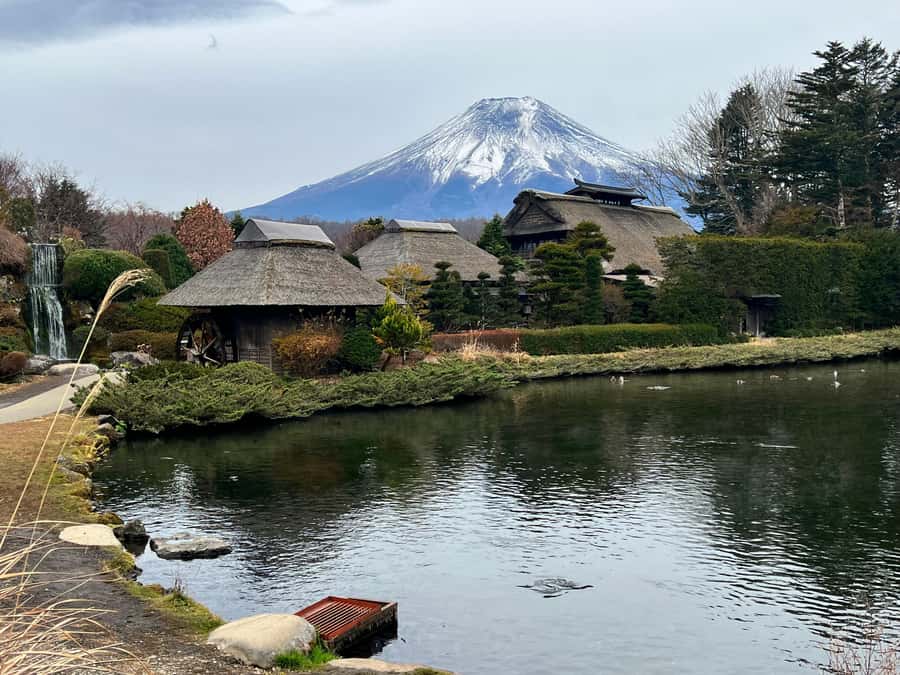
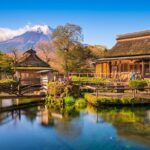
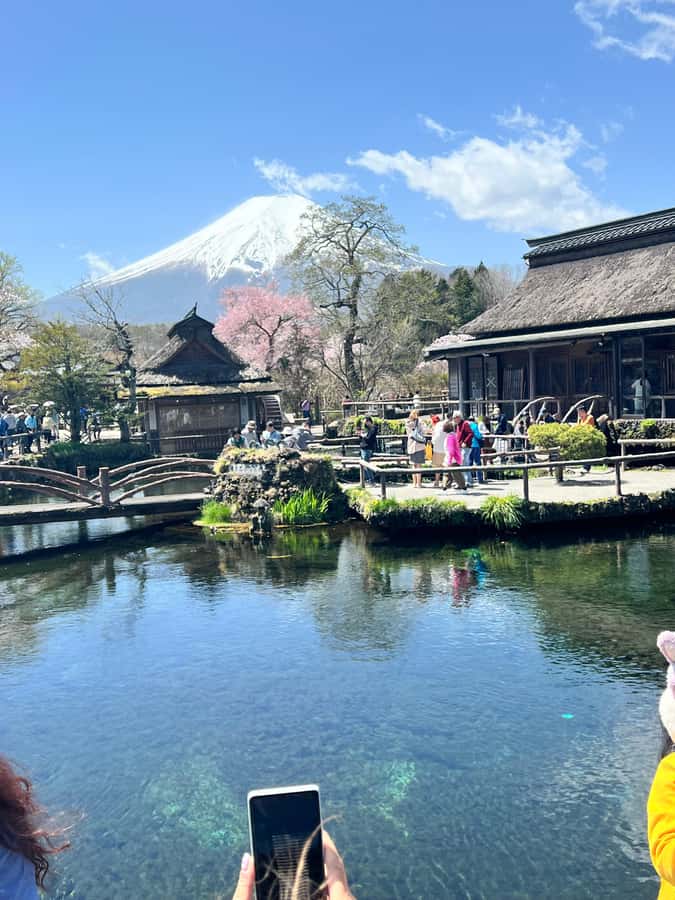
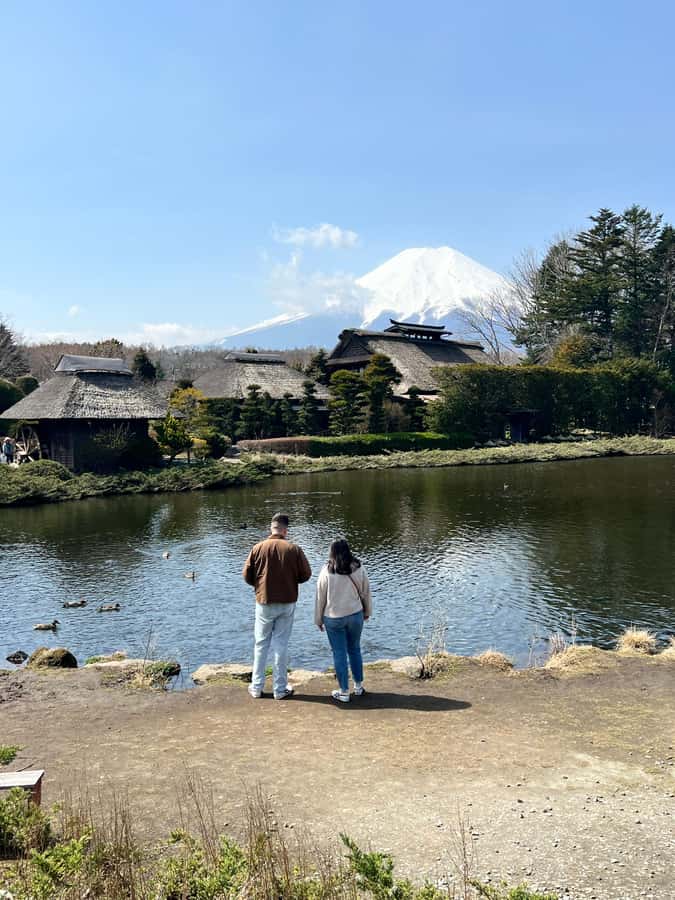
Oshino Hakkai is a favorite because it’s both scenic and simple. You’re not climbing a summit; you’re walking at human speed through a village built around eight ponds formed from melting snow of Mount Fuji.
What makes this stop valuable on a one-day itinerary:
- It gives your legs a lighter activity after height and stairs at other stops.
- It’s a great reset if the weather changed and you want something peaceful instead of trying to force “the perfect Fuji shot.”
- You can linger without losing the day, especially with a private guide who keeps your pacing realistic.
The village setting also makes it easier to find small snacks or treats between viewpoints. Just keep your expectations flexible: card payment can be spotty in parts of the area, so yen is helpful again.
Hakone’s Owakudani and ropeway views: sulfur, steam, and panoramas
Once you move into Hakone, the scenery shifts from lake-and-pagoda Fuji framing to a more volcanic, steam-and-valley look. The tour centers on Owakudani Valley, where the sulfur landscape shows off Hakone’s hot-spring roots.
From there, the plan often includes the Hakone Ropeway experience (optional add-on depending on your chosen stops and tickets). This is the kind of ride that turns your day from “drive and park” into “actually see the geography from above.”
A few details you’ll likely notice on the ground:
- Sulfur-area treats and themed shopping tend to be part of the experience.
- Black egg snacks are a famous part of Owakudani’s vibe in general, and reviews mention enjoying them here.
If you’re sensitive to strong smells or steam, it’s not a reason to skip—but do plan a short, focused time and then move on.
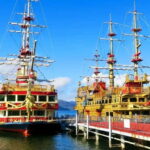
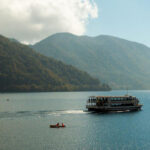
Lake Ashi pirate cruise (optional): why it’s a top use of time
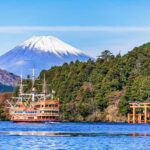
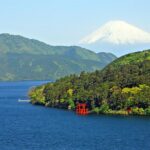
Lake Ashi is where Hakone slows down. The water, the hills, and the volcanic backdrop create a different kind of “wow” than the Fuji viewpoints—more atmospheric, often more soothing.
The optional Lake Ashi pirate cruise is worth serious consideration because:
- You’re not standing in crowds while you wait for a view. You’re moving across the lake and getting perspective changes naturally.
- It’s one of the best places to look for Fuji framing, depending on weather.
- It’s a break from walking and photo-stopping pressure.
From reviews, guides recommended the boat at the right moments and made it feel like a highlight rather than an optional detour. If you only do one “ticketed” optional thing in Hakone, this is often the one people talk about afterward.
Hakone Open Air Museum: art with actual scenery
The Hakone Open Air Museum is not just indoors-and-quiet. It’s outdoor art set across gentle hills. That matters because you get two experiences at once: sculpture and views.
Why I think this stop works for real people:
- It gives you a calmer, more “wander” activity instead of only viewpoint hopping.
- The museum layout helps you spread out, so it doesn’t feel like you’re stuck in a single overcrowded room.
- It’s a good fit for families who want something interesting without steep climbs.
One caution: museum entry ticket isn’t included. So if this is a “must see” for you, budget extra.
Price and what you’re really buying at $438 per group
The headline cost is $438 per group (up to 5 people). On paper, that sounds like a lot until you compare it to two realities: private van comfort and a full-day schedule that covers Fuji plus Hakone.
Here’s what your money covers:
- Hotel pickup and drop-off
- Air-conditioned vehicle and driver/guide
- Parking fees
- Water bottle
What costs extra:
- Lunch (not included)
- Mt Fuji entrance fee: 2,100¥ per group
- Lake Ashi boat, ropeway/cable car, and Hakone Open Air Museum ticket (all optional and not included)
Then there are two add-on policy items that can affect total cost:
- Pickup outside Tokyo’s 23 wards has an extra 5,000¥, paid in cash to the driver on the day.
- Summer (July 1–Sept 30): reaching Subaru 5th Station by shuttle instead of private vehicle adds 2,500¥ per person.
So is it good value? If you’re 3–5 people, it often stacks up well versus separate tickets, taxis, and the cost of multiple day-plans. If you’re traveling solo or as a couple, it can still be worth it if you care about convenience, private pacing, and seeing both Fuji and Hakone without extra logistics.
Pickup, timing, and how to avoid wasting daylight
This day trip is built around timing. Even the best itinerary won’t work if you arrive late and miss the best conditions for viewpoints.
A few practical tips based on what guides do well:
- Start the day early when possible. Several reviews mention guides suggesting early pickup to dodge weekend traffic.
- Don’t overstuff the list. The places are for reference, and you may not fit everything into a 10-hour window. Let your guide help you choose.
- Plan for walking. Even on a private day, you’ll be on your feet at shrines, viewpoints, and museum paths.
Also, the guide’s communication matters. Multiple reviewers praised pre-trip contact and day-of updates. That reduces stress when you’re trying to coordinate timing and ticketed attractions.
Who should book this private Fuji and Hakone day trip
This is a smart pick if you:
- Want Mount Fuji + Hakone in one day without assembling public-transport connections.
- Prefer a schedule that can change when the sky changes.
- Travel with kids, older relatives, or anyone who values fewer transfers and smoother transitions.
- Care about photography and want someone to help time viewpoints and take photos.
It’s less ideal if:
- You want zero extra costs beyond the base price (because optional tickets and entrance fees are real).
- You have strict mobility limits and expect minimal walking everywhere. Some stops involve paths and stairs, even if the guide can help pace it.
Should you book? My honest take
If your goal is a high-effort day with real variety—Fuji at height, shrines and ponds, then Hakone’s volcanic and lakeside scenes—this private trip is one of the cleaner ways to do it from Tokyo. I’d book it if you value convenience, flexible routing, and the chance to catch Fuji from multiple angles.
The deciding factor is weather expectations. If you can accept that clouds might hide the mountain, you’ll still likely enjoy the day: the tour is set up to keep moving, keep seeing, and keep choosing smart stops. Guides like Hadi and Ali have repeatedly shown that a cloudy day doesn’t have to become a letdown—especially when you let them steer.
FAQ
What’s the tour price, and how many people can be in a group?
The price is $438 per group for up to 5 people. That makes it a private option where the per-person cost drops as you share the van.
What’s included in the tour price?
Included are hotel pickup and drop-off, transportation in an air-conditioned vehicle, a driver/guide, parking fees, and a water bottle.
What costs extra during the day?
Lunch isn’t included. Also not included are the Lake Ashi boat tour, Hakone Ropeway/Cable Car, Hakone Open Air Museum entry, and the Mount Fuji entrance fee (2,100¥ per group).
Is there an extra pickup fee from outside Tokyo’s 23 wards?
Yes. There’s an additional 5,000¥ charge for pickup outside Tokyo’s 23 wards, paid in cash to the driver on the tour day.
What if I want to reach the Subaru 5th Station in summer?
Between July 1 and September 30, private vehicles aren’t allowed on the Fuji Subaru line. If you want to go to the 5th Station during that period, you’ll need the shuttle bus, with an extra 2,500¥ per person charge.
What languages are available for the tour?
The tour is offered in English, Hindi, and Japanese.
Is the tour suitable for elderly travelers?
It’s not suitable for people over 95 years old.
Is smoking allowed during the tour?
No. Smoking isn’t allowed in the vehicle.
What’s the cancellation policy?
You can cancel up to 24 hours in advance for a full refund.