REVIEW · TOKYO
Tokyo: Name Seal & Pouch or Tote Bag Making Experience
Book on GetYourGuide →Operated by Shodocafe7557 – Kanji & Calligraphy Tokyo · Bookable on GetYourGuide
A name seal can feel like a real piece of Japan. You’ll turn your name into an inkan stamp in Kanji or Hiragana, then personalize a matching pouch or tote to take home. It’s short, hands-on, and guided in English in a small group setting in central Tokyo.
I especially like two things: you get meaningful personalization through the Kanji choices, not just a generic stamp, and you also leave with something useful and displayable, not only a photo. The vibe is warm and patient too, since the instruction is geared to helping you write your own characters.
One thing to keep in mind: the Kanji seal requires you to provide your name and design in advance, and production time can run close to the full 40 minutes per person if the schedule is tight.
In This Review
- Key points to know before you go
- Why an inkan name seal still feels practical in Japan
- Choosing your name, seal style, and Kanji direction
- Pouch or tote bag: gold vs silver and the decoration rule
- What the 30–40 minute class feels like in Roppongi
- Calligraphy postcard time: a smart extra you’ll use later
- The real learning: beyond craft, you get the story of your characters
- Where to meet and how to get there without stress
- Price and value: why $29 can work for different budgets
- Who should book this name-seal workshop
- Should you book this Tokyo name-seal experience or skip it?
- FAQ
- How long is the Tokyo Name Seal & Pouch or Tote Bag Making Experience?
- Where is the meeting point?
- What do I make during the class?
- What are the seal options in Kanji vs Hiragana?
- What do I need to choose in advance for the Kanji seal and the bag?
- Can I personalize my tote with any decoration I want?
- What’s the cancellation and payment flexibility?
Key points to know before you go
- Custom name in Kanji or Hiragana: you’re not picking from a pre-made souvenir.
- Kanji design options for your seal: Mt. Fuji, Pine Tree, Floral Leaf (Kiri-mon), or Maiko Girl.
- Pouch color choices: silver or gold, depending on what you order.
- Tote bag decoration limits: you can choose three decorations (cherry blossoms or stars) included for your tote.
- Small group format (up to 5): easier to get help with your calligraphy.
- While you wait, you’ll do calligraphy postcard art: a nice extra keep.
Why an inkan name seal still feels practical in Japan
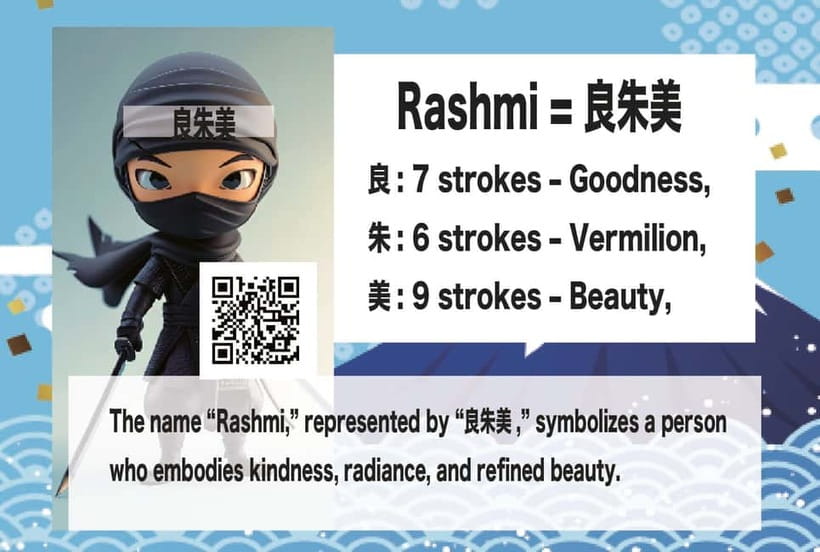
In Japan, an inkan (seal stamp) isn’t just a craft idea. It’s used for signing and verification in everyday life and in business settings, so what you make has a real cultural function, not only decorative value.
That matters for your souvenir choice. A stamp is meant to be used, shared, and remembered. If you like gifts that feel personal and not mass-produced, this is one of the better ways to bring Japanese culture home without overthinking it.
You can also read our reviews of more tours and experiences in Tokyo.


Choosing your name, seal style, and Kanji direction
The core of the experience is your custom seal, written in your name. You can choose either a Kanji version or a Hiragana version, and the staff will translate your name into the right script.
You’ll also choose the seal format:
- Square stamp with Kanji (24mm)
- Round stamp with Hiragana (12mm)
If you pick Kanji, you’ll need to decide on one of four design styles in advance: Mt. Fuji, Pine Tree, Floral Leaf (Kiri-mon), or Maiko Girl. Staff help with selecting beautiful, auspicious characters based on the meaning and sound of your name, which is the part people tend to remember later. One detail I like about this setup is that it connects your name to Japanese visual symbols, so the result feels intentional.
If you’re traveling late in the day or you don’t want extra planning, Hiragana can be simpler because it doesn’t require that Kanji design selection in advance. Either way, start by making sure the spelling of your name you send matches how you want it rendered.
Pouch or tote bag: gold vs silver and the decoration rule
Your stamp pairs with a matching personalized bag, either a pouch or a tote. This is where the experience turns from “cool craft” into “something you’ll actually use.”
For the pouch:
- you choose a silver or gold pouch color
- your name is added in Kanji or Hiragana
For the tote:
- you’ll choose the tote’s name writing style (Kanji or Hiragana)
- then you pick up to three decorations for your tote, with cherry blossoms or stars included in that three-decoration package
Keep that three-decoration limit in mind. If you want more, additional charges apply. This is one of those small rules that can change your final cost, so it’s worth deciding early what look you want.
Also, one practical upside: bags made from this kind of craft process tend to pack well and work as an everyday carry. Several people highlighted that the tote and pouch became some of their favorite souvenirs, which usually means they looked good and felt durable enough for normal use.
What the 30–40 minute class feels like in Roppongi
The class runs about 30 to 40 minutes, and the experience can take close to 40 minutes per person, since your stamp is custom-made. The studio is in the Crest Roppongi building area, so it’s easy to tack onto other sightseeing in Minato City.
Here’s the flow you should expect, in plain terms:
- You meet at RoppongiHanko, at Shodocafe7557 in the Crest Roppongi building.
- Your group gets set up to confirm the seal type and bag customization.
- While the stamp production happens, you’ll do calligraphy practice tied to your own name.
- You’ll personalize a postcard with calligraphy art as you wait.
- You finish with your completed name seal + pouch or tote.
The English guidance is a big part of why this works for non-Japanese speakers. The instruction is not limited to telling you what to do; it’s aimed at helping you understand what you’re writing. In fact, multiple people mention that the teacher explained parts of the characters and meaning, not just the hand movements.
Because the group is limited to 5, you’re less likely to feel rushed. Still, if you show up very late or expect a super casual pace, build in a little buffer.
Calligraphy postcard time: a smart extra you’ll use later
One included touch that adds value without adding hassle: while you wait, the team creates a personalized postcard with calligraphy art.
If you’ve ever bought postcards in Japan, you know they can be hit-or-miss. This one is hit because it’s tied to your name and your writing effort. It also gives you something easy to mail or keep as a memento, which is great when you’re balancing souvenirs with luggage space.
Many people also mention getting drinks during the session. That’s the kind of small comfort that makes a short class feel less like a production line and more like a real break from sightseeing.


The real learning: beyond craft, you get the story of your characters
This isn’t only about making a stamp that looks nice. You’re learning how to write your name in a Japanese style, and you’re getting context for what you’re doing.
From the way the instruction is described in feedback, the host/teacher is:
- patient with beginners
- friendly and encouraging
- focused on calligraphy while the seal is being produced
- willing to help explain the characters and meaning
That matters because calligraphy is one of those skills where the first attempt can feel awkward. When an instructor is patient, you end up with something that looks like your own work rather than something you copied. Several people specifically mentioned practicing calligraphy during the production time, which is exactly what you want if you’re coming for the experience, not only the final product.
If you’re traveling with kids, this is also a good fit. People highlighted that it worked well as a family activity, with children enjoying the process of learning their names in Japanese and then proudly using the final stamp and tote.
Where to meet and how to get there without stress
You’ll meet at the RoppongiHanko location, at Shodocafe7557 inside the Crest Roppongi building.
By train:
- Take the Toei Oedo Line
- Get off at Roppongi Station
- Use Exit No. 7
- Cross toward FamilyMart and keep to the right
- Walk toward the National Art Center along the museum street
- Look for a large crane sign on the left side
- The studio is on the 2nd floor of the CREST Roppongi building
If you want the simplest route, search Shodocafe7557 on Google Maps.
By taxi:
- Show the driver: Shodocafe7557 in Crest Roppongi building, near the National Art Center Tokyo
- Address: 7-9-3 Roppongi, Minato-ku, Tokyo – Crest Roppongi Building 2F
This is one of those locations where being a couple minutes late can feel awkward, because the production timing matters. So plan to arrive a little early, especially if you’re also doing other Roppongi plans the same day.
Price and value: why $29 can work for different budgets
At $29 per person, this experience can feel like good value because it bundles multiple personalized outputs into one short session: a custom name seal plus a matching pouch or tote, plus a personalized calligraphy postcard.
What makes it better than many “souvenir class” deals is that the main product is genuinely personalized:
- your name is translated into Kanji or Hiragana
- you choose the bag type and style details
- for Kanji seals, you pick from four design directions in advance
The included customization also helps:
- pouch color options: gold or silver
- tote includes up to three decoration choices (cherry blossoms or stars)
- calligraphy postcard art while you wait
The only cost surprises to watch for are not hidden fees so much as choices. If you want more than three tote decorations, extra charges apply. If you want Kanji, you’ll need to provide your selected design ahead of time so they can prepare for the character work.
If you’re trying to keep your Tokyo budget under control, this is a clean option: one price, short time, and you end up with wearable or usable items.
Who should book this name-seal workshop
I think this experience fits best if you want a souvenir with real personalization and a little learning.
It’s especially good for:
- couples or solo travelers who want a meaningful keepsake
- families looking for a structured, kid-friendly activity
- anyone interested in Japanese writing systems and how they connect to culture
- travelers who prefer short, guided experiences over long museum-style visits
If you’re only after a quick photo stop with zero planning, it might feel like more work than you want because Kanji design and pouch color details need to be sent in advance. But if you’re game to prepare your preferences, it’s an easy win.
Also note the experience is wheelchair accessible, and it’s a small group capped at 5. That usually makes the room feel calmer and more supportive.
Should you book this Tokyo name-seal experience or skip it?
Book it if you want a souvenir that feels crafted for you, not just purchased in a shop. The combination of your name seal plus a personalized pouch or tote, plus calligraphy practice and a postcard, makes the time feel justified.
Skip it if your priority is pure sightseeing time and you don’t want to provide Kanji design choices ahead of schedule. And if your plans are tight and you can’t spare a full 40 minutes, I’d plan around the production timing so you don’t feel rushed.
Overall, if you enjoy hands-on culture and you like the idea of bringing something you can actually use, this is the kind of Tokyo activity that usually pays you back every time you see it in your bag.
FAQ
How long is the Tokyo Name Seal & Pouch or Tote Bag Making Experience?
It runs about 30 to 40 minutes, and creating the stamp can take up to 40 minutes per person since it’s custom-made.
Where is the meeting point?
You’ll meet at RoppongiHanko, at Shodocafe7557 in the CREST Roppongi building (2nd floor). You can also search Shodocafe7557 on Google Maps for the smoothest directions.
What do I make during the class?
You’ll create a custom Japanese seal stamp with your name in Kanji or Hiragana, and you’ll also personalize a pouch or tote bag with your name.
What are the seal options in Kanji vs Hiragana?
You can choose a square stamp with Kanji (24mm) or a round stamp with Hiragana (12mm).
What do I need to choose in advance for the Kanji seal and the bag?
For Kanji stamps, you’ll need to provide your name and selected design (Mt. Fuji, Pine Tree, Floral Leaf/Kiri-mon, or Maiko Girl) in advance. You also need to specify pouch color (gold or silver) if you’re making a pouch.
Can I personalize my tote with any decoration I want?
You can choose three decorations—cherry blossoms or stars—which are included. If you want more than three decorations on a tote, additional charges apply.
What’s the cancellation and payment flexibility?
You can cancel up to 24 hours in advance for a full refund. There’s also a reserve now & pay later option, so you can book your spot without paying today.