REVIEW · TOKYO
Mount Fuji 1-Day Trip: the Hottest Photography Tour
Book on GetYourGuide →Operated by REOTRIP TECHNOLOGY LIMITED · Bookable on GetYourGuide
Fuji photos feel easier when the route is solved. I like the stress-free transport and the way you get multiple Mount Fuji angles without wrestling with buses, maps, or language. For one long day packed with stops, that’s a big deal.
The main thing to consider is the physical side of the day: expect walking and stair climbs, and weather/crowds can shift how the day feels even when the plan stays similar.
In This Review
- Key moments that make this tour worth it
- Why a guided Mount Fuji photography day beats DIY
- Meeting in Tokyo and riding to Lake Kawaguchi
- Arakurayama Sengen Park: Chureito Pagoda and the 397 steps
- Stairway-style Fuji views and the Hikawa Clock Shop photo break
- Oshino Hakkai: eight springs with Mount Fuji reflections
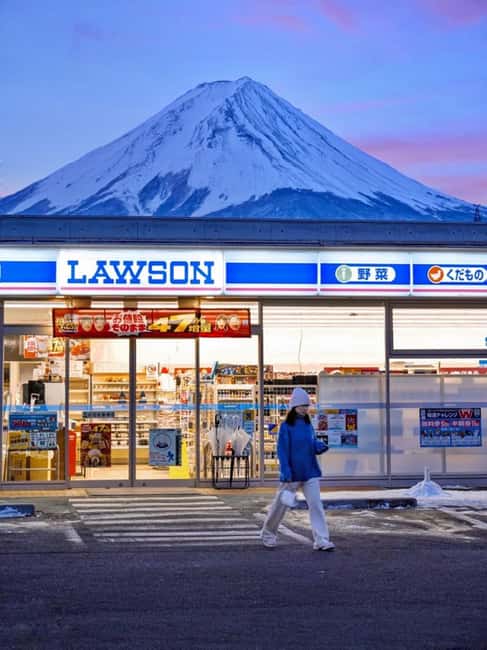
- Lake Kawaguchi: the Lawson break and its unexpected photo value
- Oishi Park and the seasonal flower “sea” around Fuji
- Timing, crowds, and weather: how to get better results anyway
- Price and value: what $83 really buys you
- Who this tour is best for (and who should pass)
- Should you book this Mount Fuji 1-Day Trip?
- FAQ
- How long is the Mount Fuji 1-Day Trip?
- Where do I meet the group in Tokyo?
- What is included in the tour price?
- Are food, drinks, and attraction tickets included?
- What should I bring for the day?
- Can the tour be affected by weather or traffic?
Key moments that make this tour worth it
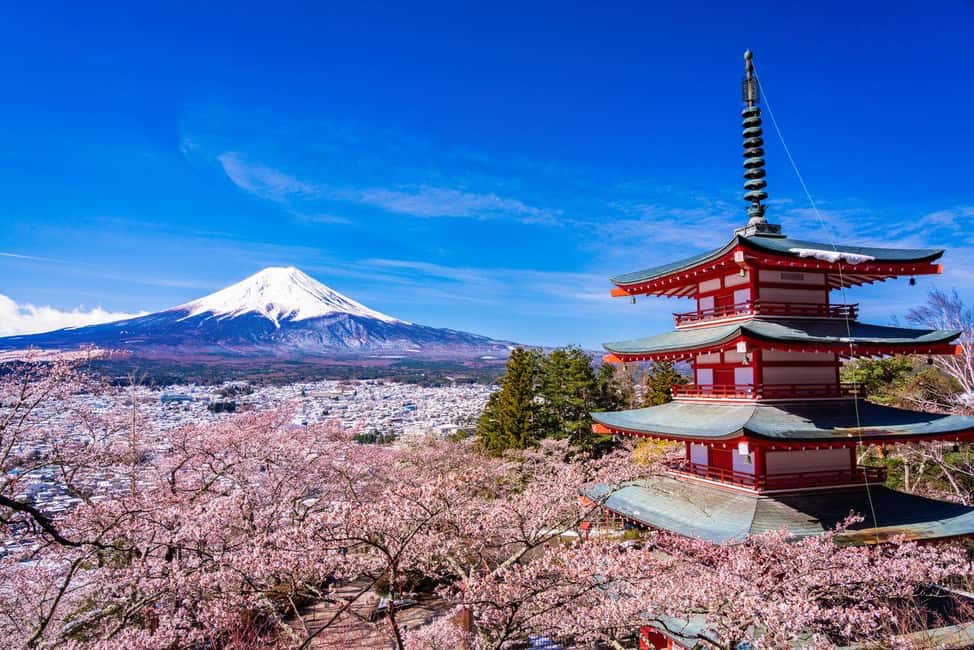
- Arakurayama Sengen Park with Chureito Pagoda: 397 steps for a classic Fuji-and-streets composition
- Stairway to Heaven-style photo views: quick, viewpoint-focused moments to line up shots
- Oshino Hakkai’s eight springs: reflective water scenes with Mount Fuji in the background
- Lawson Kawaguchiko Station breaks: a photo-friendly stop plus a complimentary drink or ice cream
- Oishi Park’s seasonal flower “sea”: lavender, foliage, or other blooms depending on the month
- A live English/Japanese guide: local guidance that keeps you moving and thinking like a photographer
Why a guided Mount Fuji photography day beats DIY
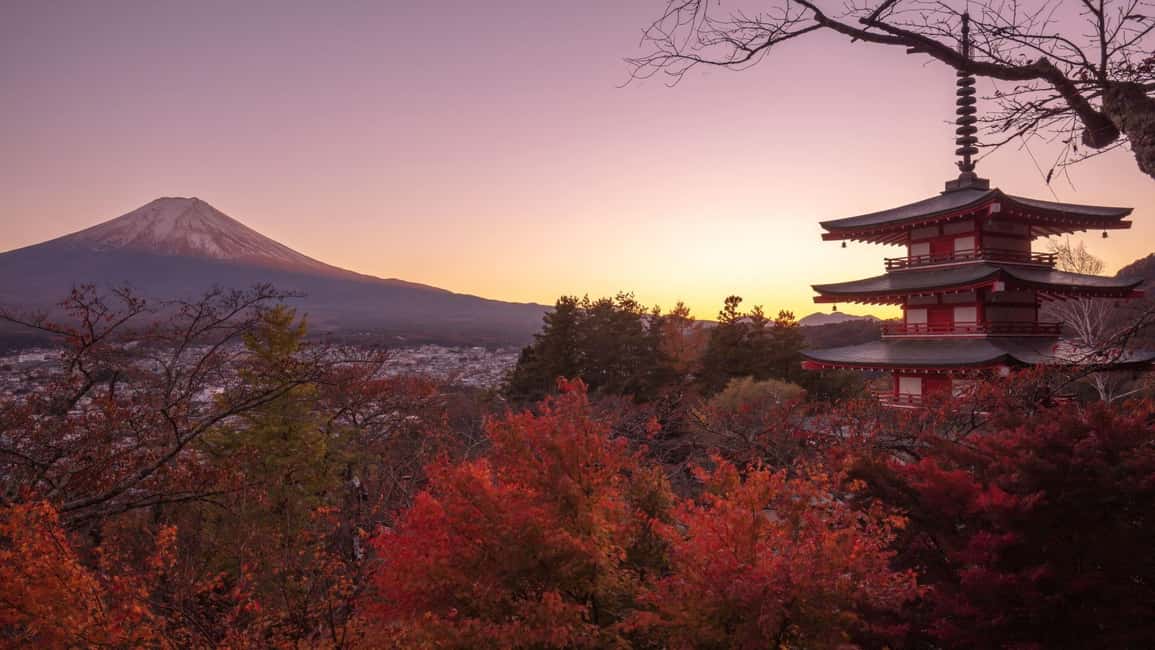
Mount Fuji is famous for a reason, but the hard part is the logistics. Between getting out of Tokyo, finding the right viewpoints, and timing everything for light, a DIY day can turn into stress that steals your energy for photos.
That’s why I like this tour’s structure. You’re not guessing. You’re following a clear route built around iconic compositions—pagoda views, spring reflections, and flower-framed Fuji angles—so you can focus on photography instead of navigation.
And you’re not alone with it. A live guide (English and Japanese) helps you connect the dots: where the best sightlines tend to be, what to prioritize when the crowd level is high, and how to spend your limited time at each location. When I went, our guide Louis was genuinely friendly and attentive, which matters more than people expect on a full-day outing.
You can also read our reviews of more photography tours in Tokyo


Meeting in Tokyo and riding to Lake Kawaguchi
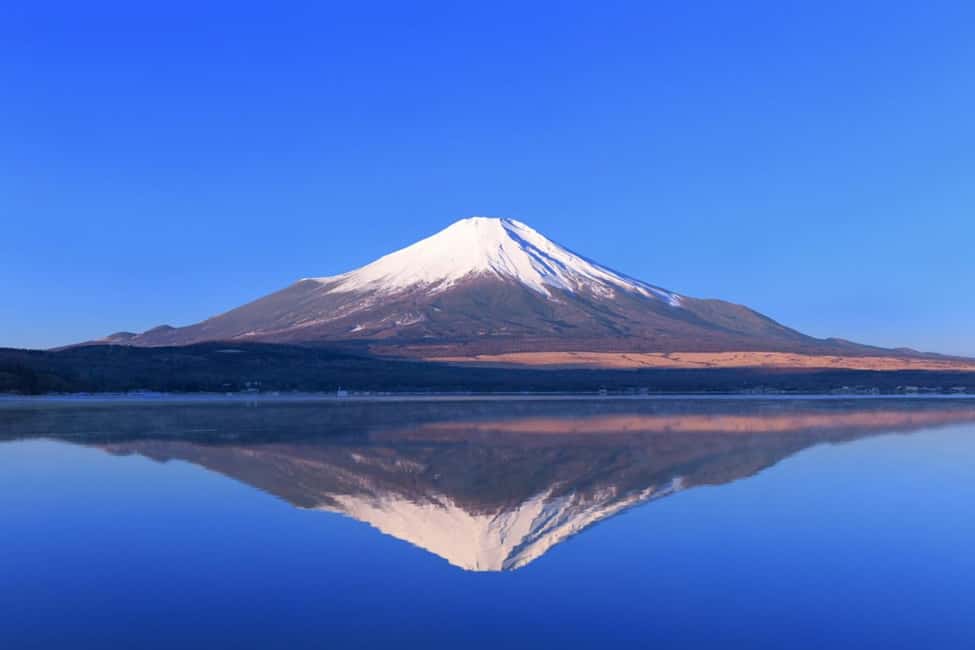
Your day starts with one of two Tokyo meeting points: JR Tokyo Station Marunouchi South Exit or Tokyo Mode Gakuen (pickup depends on the option you booked). The tour runs for about 10 hours, and there’s roughly 2.5 hours of coach/bus time each way.
That ride time is not just downtime. It’s when you can plan your priorities. If you care about the sun angle, you’ll want to keep track of what time you’ll arrive near each viewpoint. If you care about reflections and calmer water, you’ll think a little differently about which stop matters most to you.
One practical tip: you’ll get an email the day before with your pickup location details, the guide contact info, and the bus license plate number. Don’t treat that as optional. With multiple meeting points and a set departure time, it helps you get your bearings fast.
Arakurayama Sengen Park: Chureito Pagoda and the 397 steps
The day’s momentum kicks off at Arakurayama Sengen Park, a spot that’s widely recognized by photographers. This is where you get the dramatic payoff: ascend 397 steps to the famed Chureito Pagoda view, framed with Mount Fuji and the surrounding streets.
This is the stop that teaches you the value of composing with context. Fuji isn’t just a mountain you point at. Here, it’s layered behind architecture and town streets. That’s why this viewpoint works in every season, and why it tends to attract a steady crowd.
For your photos, think about two things during your hour here:
- Height and viewpoint control: you’ll be climbing and changing angles. Don’t shoot only from the first spot you reach.
- Crowd timing: you can’t control the number of people, but you can control whether you wait for a moment with fewer heads in the frame.
Time-wise, you get about 1 hour at Arakurayama Sengen Park. That’s enough to climb, settle, shoot, and still breathe. If you’re prone to moving slowly, bring patience—this is a stair-forward location.
Stairway-style Fuji views and the Hikawa Clock Shop photo break
After Arakurayama, the tour shifts into more viewpoint variety. You’ll spend time around the Stairway to Heaven-style Mount Fuji views (the idea is clear even if you’re not there for a “hike” in the classic sense). It’s meant for quick, composition-focused photography moments.
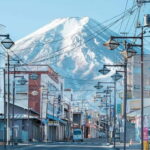
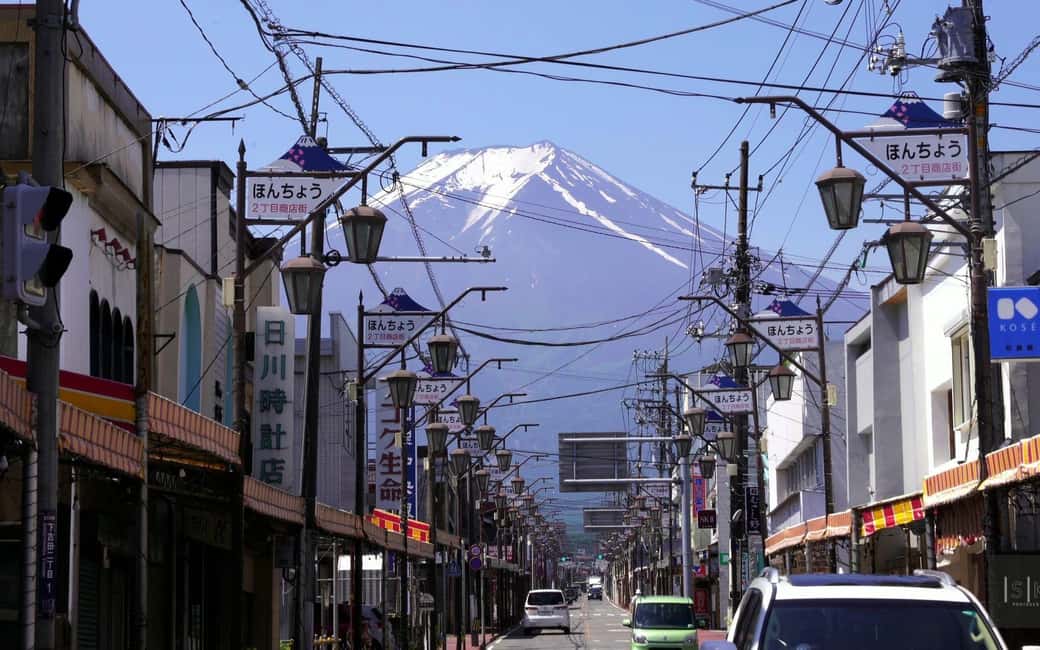
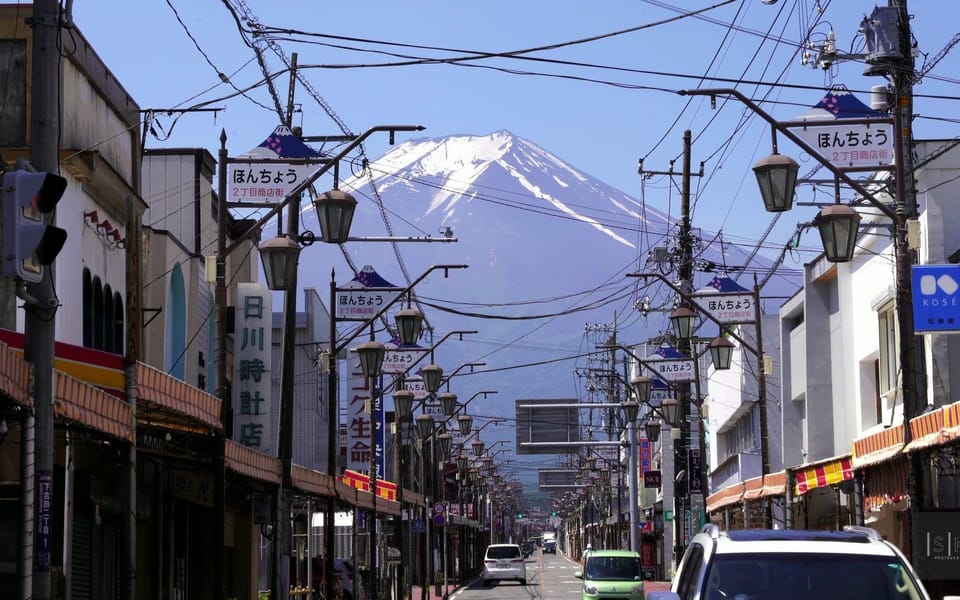
Then comes one of the most recognizable Instagram-style landmarks on the route: Hikawa Clock Shop. This is where you can grab a different type of image—still Fuji, but with a distinct human-scale subject and clock-shop framing.
There’s also a break component here. You’ll have some time for photos and to reset. That’s important because once you’re out near the lake and moving between locations, your energy will determine how many good frames you end up with.
If you’re the kind of photographer who likes to experiment (different focal lengths, quick framing swaps, or checking reflections), use this moment to slow down. It’s easy to get “Fuji tunnel vision” after the pagoda viewpoint. This helps you expand your set.
Oshino Hakkai: eight springs with Mount Fuji reflections
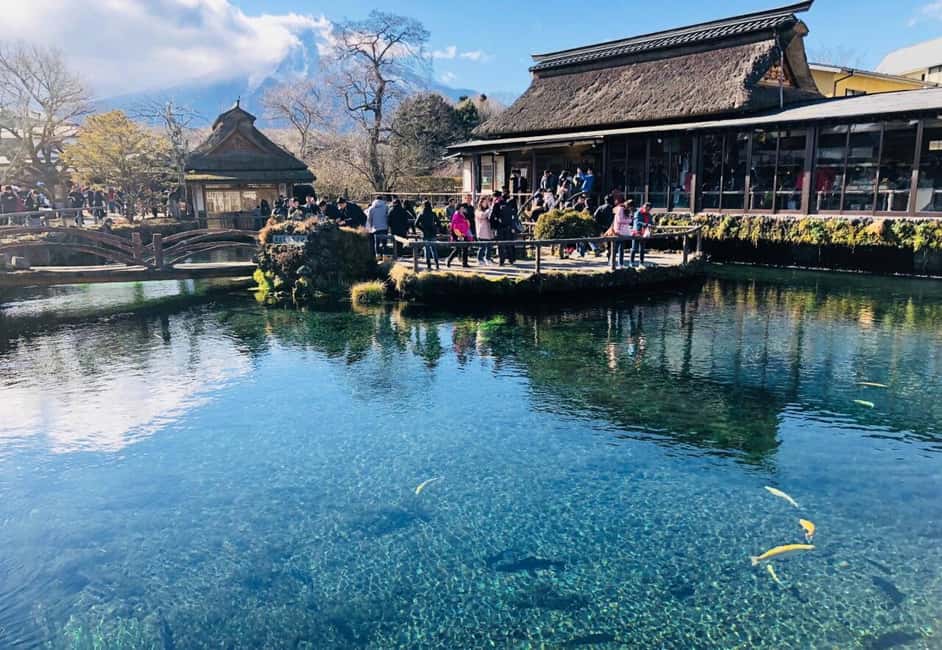
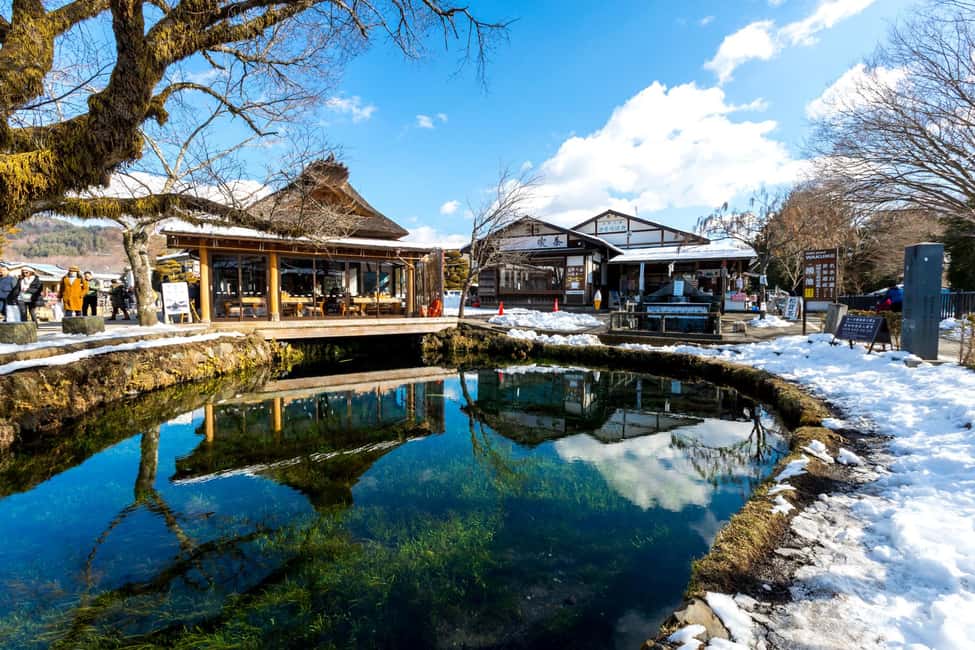
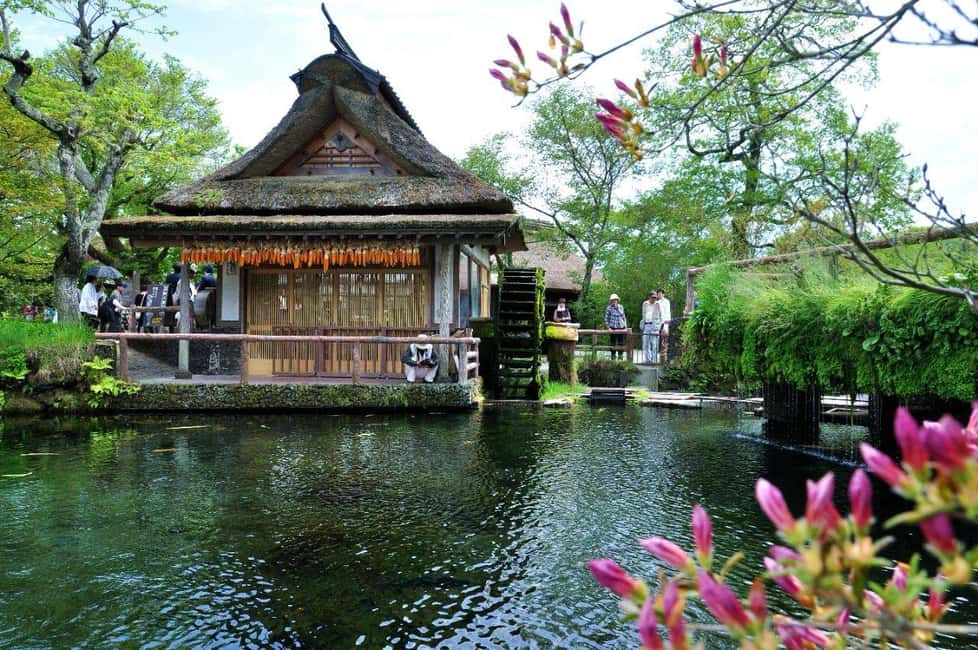
Next is Oshino Hakkai, known for its eight pristine springs. You’ll have about 1.5 hours here, with scenic views on the way in.
This is the stop for reflection lovers. The springs are a powerful visual counterpoint to the mountain’s scale. Instead of only seeing Fuji as a tall subject, you start seeing it as something that can appear in water surfaces, nearby textures, and misty atmosphere.
A useful way to think about Oshino Hakkai: it changes the challenge from getting the right view to getting the right clean composition. Water surfaces can be tricky with wind and foot traffic. So if you want mirror-like frames, you’ll want to be patient and ready to reposition.
Also, this is where the tour’s guide value shows. With limited time, you need help focusing on the most photogenic angles rather than wandering. A guide helps you keep your shooting time efficient.
You can also read our reviews of more tours and experiences in Tokyo

Lake Kawaguchi: the Lawson break and its unexpected photo value
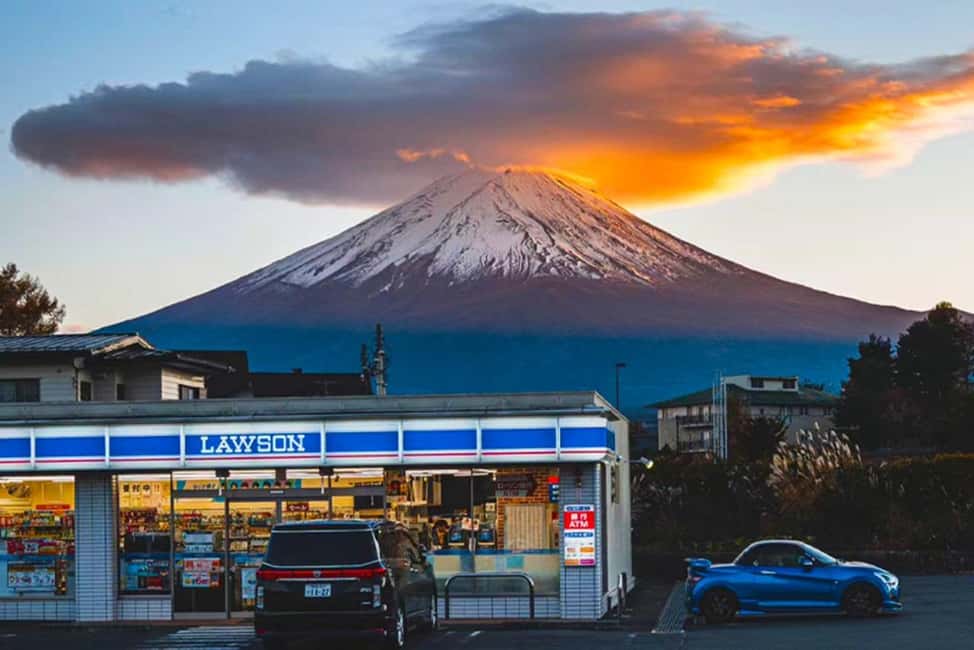
Once you reach Lake Kawaguchi, you’ll stop at a Lawson convenience store at Kawaguchiko Station. This is a photo-friendly break point, not just a place to stretch.
The tour adds a small perk: you can choose a complimentary ice cream, tea, or coffee. That’s not a life-changing benefit, but it helps you avoid the common mid-day trap—getting tired, skipping a snack, then feeling off for the rest of the day.
More importantly for photographers, convenience-store framing is part of modern travel imagery. You’re capturing Fuji with a real-world, everyday reference point. That’s often more compelling than only photographing “perfect postcard Fuji” every time.
Use this break strategically. Drink water, eat something if you need it, and check your camera settings before you head toward the flower and park stop.
Oishi Park and the seasonal flower “sea” around Fuji
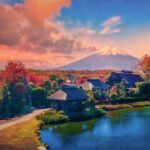
The day’s final major photography moment is at Oishi Park, where you get about 1 hour of sightseeing and scenic views on the way.
This is the part the highlights promise: the chance to relax after a long day focused on Mount Fuji, then enjoy the sea of flowers feel that Lake Kawaguchi is known for. The key detail is that the flowers change by season, and the tour spells out what you can expect:
- Lavender: June and July
- Begonias and cosmos: July to September
- Kochia: October
- Maple Corridor: only seasonal, from October 20th to November 23rd
If you’re planning your trip around fall colors or lavender, this is one of those rare times where the schedule matters more than you’d think. You don’t just show up for Fuji; you show up for the plant color palette that makes your photos feel different from everyone else’s.
After a full day, this is also where your eyes get a rest. You’ve spent hours thinking about mountain angles, architecture, and water reflections. Flower fields give you a calmer frame: wide compositions, softer backgrounds, and the kind of photos where you can stop and enjoy the moment.
Timing, crowds, and weather: how to get better results anyway
Mount Fuji photography is weather-dependent, and even a well-run day can feel different if clouds move in or visibility is limited. The good news: the tour’s route covers multiple kinds of scenes—pagoda, clock shop, springs, park flowers—so you’re not betting your whole day on one single “perfect view” location.
Here are practical ways to improve your odds without overthinking it:
- Shoot early at the iconic stops you can climb to (like Arakurayama) so you’re not stuck waiting later.
- Bring layers. Near the lake, conditions can shift, and if you’re moving between viewpoints you’ll want to stay comfortable.
- Expect schedule drift. Daily traffic conditions, weather, holidays, and crowd levels can change timing. The tour also notes that delays or cancellations due to uncontrollable factors can happen.
Think of it like this: your best strategy is to be flexible with the plan while being focused with your camera.
Price and value: what $83 really buys you
At $83 per person for a 10-hour day trip, the value comes from what’s handled for you. Included are the tour guide, round-trip transfers between Tokyo and the Fuji/Lake Kawaguchi area, plus toll fees, parking fees, and fuel fees.
That’s a big chunk of the cost when you DIY it—especially if you want to visit several separate Fuji spots rather than just one viewpoint.
What you should budget for separately:
- Food and drinks (the Lawson stop includes a complimentary ice cream/tea/coffee choice, but meals are not included)
- Attraction admissions (not included)
So the real calculation is this: if you want multiple key Fuji/photo locations with minimal planning stress, this price can feel fair. If you only care about one view and you’re comfortable doing public transport and research, you could spend less on your own. But you’ll likely trade money for time and stress—the exact trade this tour tries to remove.
Who this tour is best for (and who should pass)
This is a strong fit if you want:
- a guided Fuji photography route with multiple famous photo subjects
- help handling transportation and timing
- a day that mixes classic viewpoints with quieter scene variety (springs + seasonal flowers)
It’s also a decent choice if you appreciate a structured day and don’t want to build a complex plan from scratch.
I’d consider skipping (or at least think hard) if you:
- dislike stair-heavy viewpoints (the 397-step climb is real)
- need a very slow pace or lots of downtime
- are traveling only for one specific flower season and can’t tolerate weather variability
Should you book this Mount Fuji 1-Day Trip?
I’d say book it if you want the Fuji highlights in one day without turning your trip into logistics homework. The biggest wins are the guided flow, the photo-focused sequence of locations, and the fact that you get both postcard icons and more scene variety around Lake Kawaguchi.
You should think twice if your plan is fragile around perfect skies, or if you know you’ll struggle with the day’s walking. Still, even then, the route gives you more than one way to make a good photo day out of it.
If you’re aiming for a confident set of Mount Fuji images—pagoda framing, spring reflections, and seasonal flower color—this is a solid, efficient way to do it.
FAQ
How long is the Mount Fuji 1-Day Trip?
The total duration is about 10 hours.
Where do I meet the group in Tokyo?
You’ll meet at either JR Tokyo Station Marunouchi South Exit or Tokyo Mode Gakuen, depending on the option you booked.
What is included in the tour price?
The tour includes a tour guide, round-trip transfers to and from the meeting point, toll fees, parking fees, and fuel fees.
Are food, drinks, and attraction tickets included?
Food and drinks are not included, and attraction admissions are also not included. At Lawson Kawaguchiko Station, you do get a complimentary choice of ice cream, tea, or coffee.
What should I bring for the day?
Bring comfortable shoes and comfortable clothes.
Can the tour be affected by weather or traffic?
Yes. Travel schedules may change due to daily traffic conditions, weather, holidays, or crowd levels. If delays or cancellations happen due to uncontrollable factors, refunds cannot be requested.