REVIEW · TOKYO
Tokyo: Learnt to cook Bento, Oyakodon and More!
Book on GetYourGuide →Operated by Alleyway Gourmet Lab · Bookable on GetYourGuide
Japan tastes better after you cook it. This Tokyo hands-on class walks you through Japanese home favorites like bento and oyakodon, with culture added by local instructor Yuki. I love the way it teaches dashi step by step, so the flavors make sense instead of feeling like magic.
You’ll also leave with practical techniques you can actually repeat, not just a meal and a story. I like the small-group setup (max 6) and Yuki’s confident, easy-to-follow English, so questions don’t get awkward. One consideration: this class isn’t suitable for vegetarians or vegans, and it can be a poor fit if you have gluten or nut allergies.
You’re in and out in about 2 hours, wearing a rental apron and using everything provided. The payoff is that you get detailed recipes plus a surprise Japanese souvenir, which is a fun bonus after you finish eating.
In This Review
- Key Things You’ll Notice in This Tokyo Cooking Class
- A 2-Hour Bento and Oyakodon Session That Feels Practical
- Meeting Alleyway Gourmet Lab Without Stress
- What You’ll Cook: Bento, Oyako Don, and Miso Soup
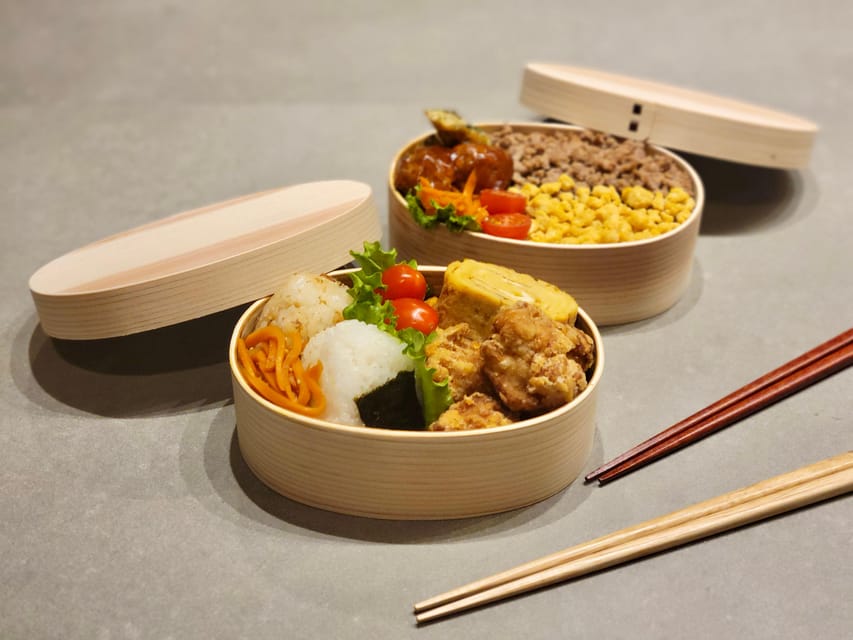
- Bento: More Than a Box of Food
- Oyako Don (Oyako Donburi): Comfort Food With a Science Core
- Miso Soup and the Dashi Connection
- The Teaching Style: Clear Steps, Kind Corrections, and Real Tips
- Inside the Kitchen: Clean, Modern, and Easier Than You Expect
- The Value of $83: What You Really Get for the Money
- Recipes That Stick: Why Take-Home Notes Matter
- When This Class Is a Great Fit (And When It Isn’t)
- You’ll probably love it if you:
- You should skip it if you:
- Practical Tips for Your Visit
- Should You Book This Tokyo Bento and Oyakodon Class?
- FAQ
- How long is the cooking class?
- How many people are in the group?
- What dishes will I learn to make?
- What languages are offered for the instructor?
- Where do I meet the instructor?
- What is included in the price?
- Are meals included beyond what you cook during the class?
- Do I need to bring any cooking equipment?
- What is the cancellation policy and can I pay later?
Key Things You’ll Notice in This Tokyo Cooking Class
- Step-by-step dashi making that connects to both miso soup and oyakodon
- Small group of up to 6 with room to ask questions and get corrections
- English-forward instruction with excellent pronunciation and clear explanations
- Bento building skills plus the cultural logic behind Japanese home meal prep
- Take-home recipes and a surprise souvenir so the class keeps going after you leave
A 2-Hour Bento and Oyakodon Session That Feels Practical
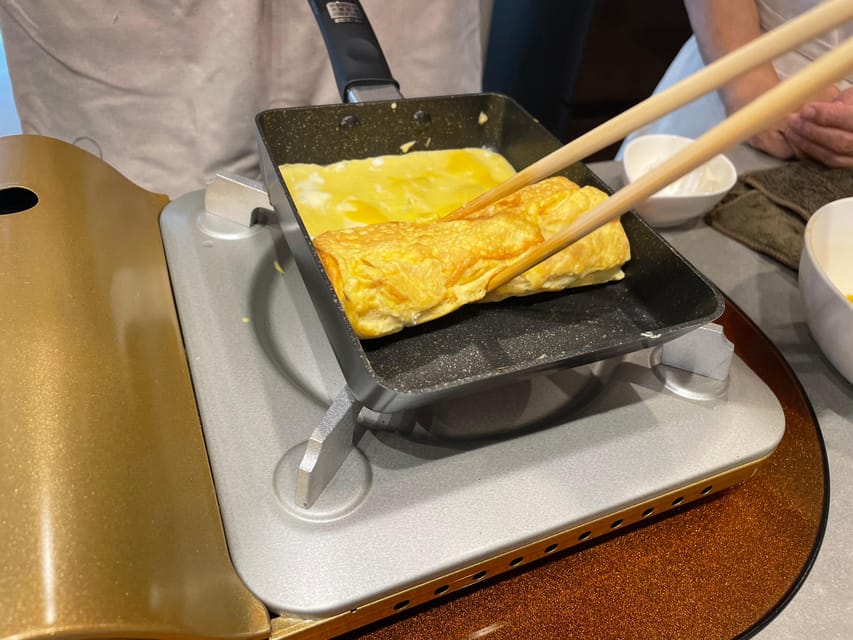
Tokyo cooking classes can be hit-or-miss. Some are basically “watch and stand back,” while others are so rushed you forget what you did five minutes later. This one hits a sweet spot: structured enough to guide you, hands-on enough to make you feel competent, and short enough that you keep your energy for the rest of the city.
The class centers on Japanese home cooking using simple ingredients. You’re not trying to impress a food network producer here. You’re learning how everyday Japanese meals get built: how flavor comes together, how textures work, and how meal prep habits connect to culture.
For your schedule, the duration is 2 hours. For your mindset, that time is just right. You’ll get enough repetition to remember steps like how to handle dashi and how to assemble a bento-style presentation, without feeling like you spent your whole day in a kitchen.
You can also read our reviews of more tours and experiences in Tokyo.



Meeting Alleyway Gourmet Lab Without Stress
The meeting point is easy once you know what you’re looking for. Turn into the alley, and you’ll see a four-story gray building on the right. At the front of the building, there are doors on both the left and right.
Go in through the door on the right with the Alleyway Gourmet Lab sign, then head to the 2nd floor.
What I like about this setup is that it keeps the class anchored in a specific, walk-up location instead of bouncing you around multiple neighborhoods. You can focus on arriving on time and not on decoding a scavenger hunt.
Once you’re there, you’ll be provided with the basics: a rental apron and towel, plus slippers so you don’t need to worry about indoor footwear. Comfortable clothes matter more than anything complicated.
What You’ll Cook: Bento, Oyako Don, and Miso Soup
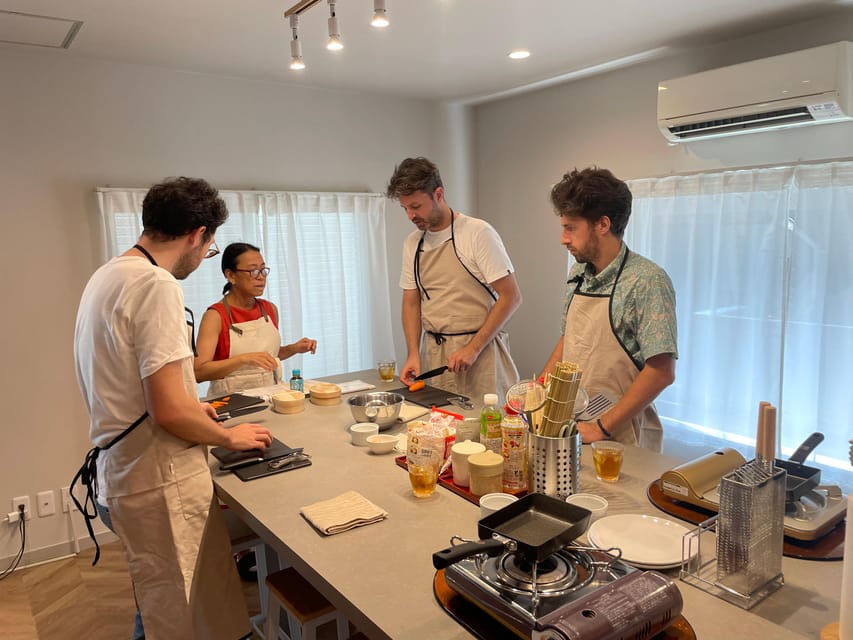
This is the core of the experience, and it’s also what makes it valuable after you go home. Based on the class description and what learners report making, you’ll work on these dishes:
Bento: More Than a Box of Food
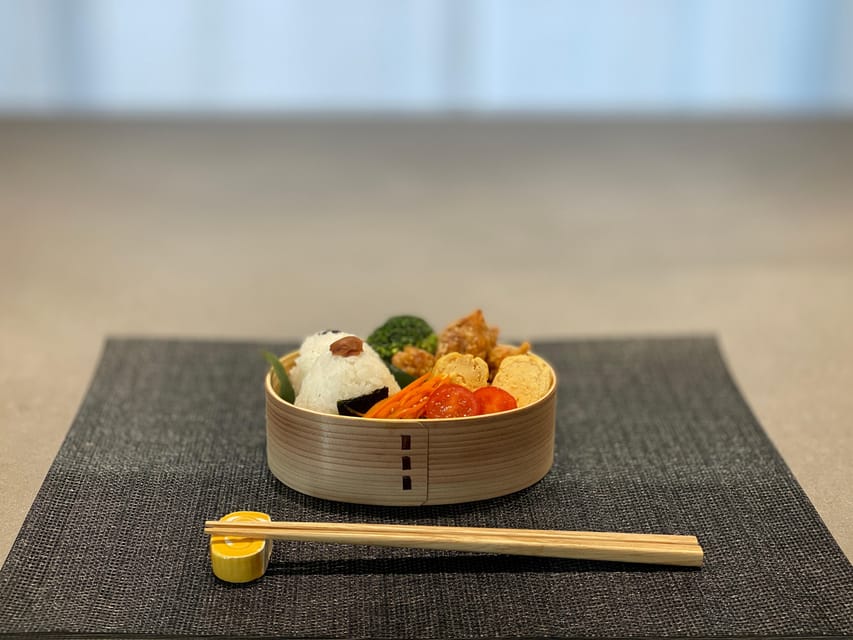
Bento is often described as a lunch, but in Japan it’s also a small ritual. You’ll learn how to prepare and pack elements so they look neat and eat well. Even if you’re not aiming for Instagram-level artistry, you’ll pick up practical rules about portioning and arranging food so it stays appealing.
The cultural side matters here. Bento isn’t just about saving time. It’s a way to show care and structure, whether you’re packing for school, work, or travel.
Oyako Don (Oyako Donburi): Comfort Food With a Science Core
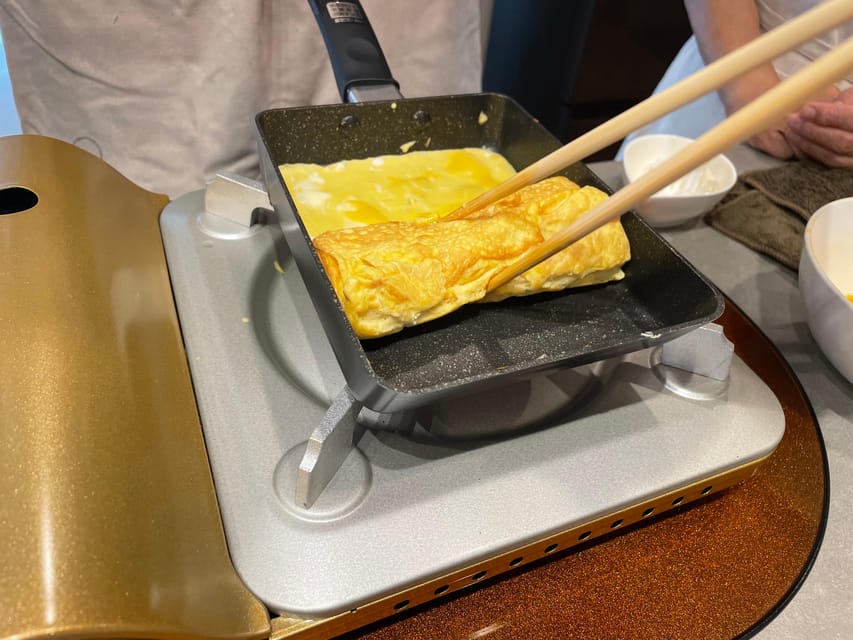
Oyako don is a classic comfort bowl: chicken and egg over rice. The key skill is knowing how to manage the timing and flow so the egg turns silky instead of weirdly rubbery.
You’ll likely work with the sauce and then bring it together over rice. Learners specifically mention oyako don, so this dish is not just a passing mention. It’s part of the hands-on cooking focus.





Miso Soup and the Dashi Connection
Miso soup may sound simple, but the broth is where everything lives. You’ll learn about dashi broth, which is used for more than one dish in Japanese home cooking.
One detail that stands out: people love learning how to make the dashi broth needed for both miso soup and oyako don. That connection is a real learning win. When you understand the base, you stop treating each dish like an isolated recipe and start building flavor logically.
If you’ve ever tasted Japanese food and wondered why it feels clean and savory instead of heavy, this is part of the answer. Dashi is the backbone.
The Teaching Style: Clear Steps, Kind Corrections, and Real Tips
You’re not alone at a counter with a clipboard. This is a small-group experience limited to 6 participants, which changes everything. You get closer to the cooking process, and the instructor can actually see what you’re doing.
The biggest praised element is instructor Yuki. Learners highlight her kindness, competence, and confidence answering questions. They also mention her English skills and pronunciation are excellent, which matters more than most people think.
When you’re standing over a stove, you don’t want vague directions like cook until it looks right. You want specifics: what changes to watch for, what texture you’re aiming at, and what to do if your outcome is off.
What you’ll likely walk away with is that Japanese home cooking is built on repeatable technique:
- learn the base (dashi)
- use it to anchor flavor (miso soup, then build onward)
- manage timing for the final dish (oyako don)
That’s the kind of structure that makes you feel confident in your own kitchen later.
Inside the Kitchen: Clean, Modern, and Easier Than You Expect
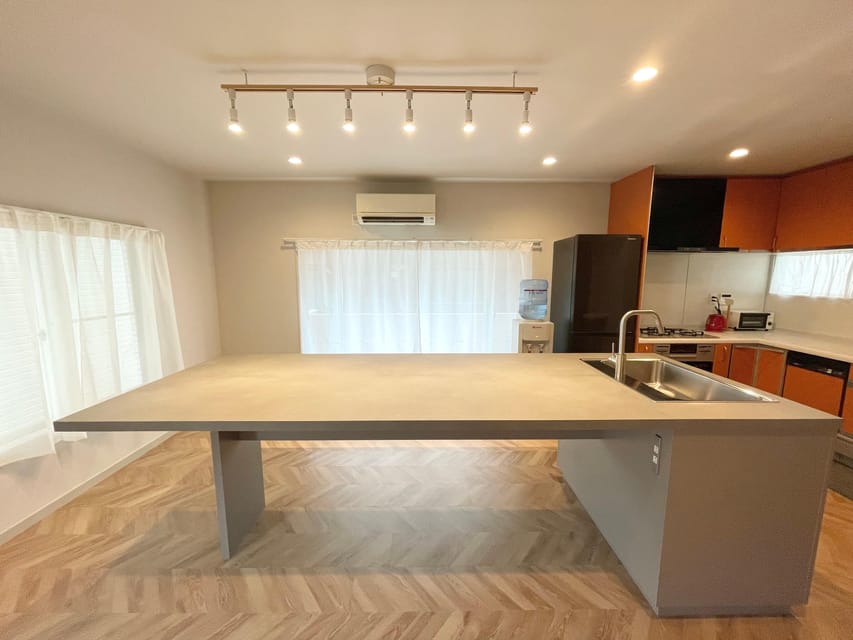
Cooking classes sometimes happen in cramped spaces that feel like they were designed for storage, not cooking. Here, the setup is modern and clean, and that shows in the experience.
A clean kitchen is not a small detail. It affects how comfortable you feel, how smoothly the class runs, and how safe you can be while you chop and mix. If you’re worried about being in the way or getting flustered, a well-run kitchen helps.
You also don’t need to bring utensils or home gear. All cooking ingredients and equipment are provided for class use. You’ll get a rental apron and towel, plus slippers for indoors.
The Value of $83: What You Really Get for the Money
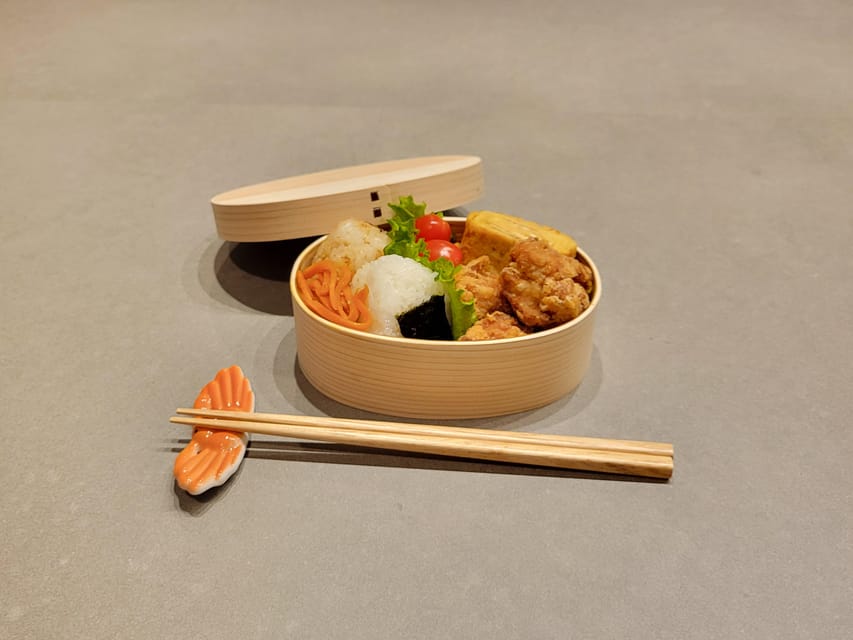
At $83 per person, you’re paying for more than a cooking session. You’re paying for a guided, small-group lesson plus the materials that make cooking possible without extra shopping.
Here’s the value breakdown:
- Hands-on instruction from an experienced instructor (not a demo)
- Cultural context about customs and the significance of dishes
- All ingredients and equipment for the session
- Detailed recipes to take home
- A Japanese souvenir included, with the contents described as a surprise
- Rental apron and towel so you can travel light
What’s not included is also important for your budgeting. Transportation isn’t included, and meals aren’t included beyond what you make in class. So plan your schedule accordingly. If your day is already packed, you may prefer to treat this as your meal stop rather than expecting it to cover lunch later too.
Is it “cheap”? No. But it’s priced in a way that makes sense for Tokyo: small group, English instruction, and everything you need to cook without prepping in advance.
Recipes That Stick: Why Take-Home Notes Matter
A lot of classes end with a full stomach and a few blurry photos. This one gives you detailed recipes designed for you to recreate what you learned.
That is where the class becomes practical value. If you’ve cooked from Japanese recipes online before, you know how easy it is to get stuck at the “how do I actually do this?” moment. When the class teaches the base dashi and then uses it in multiple dishes, your recipe use at home gets easier.
You’ll also have a clearer sense of Japanese home cooking priorities:
- flavor bases first
- balanced seasonings
- timing for texture
- tidy presentation habits (especially for bento)
Even if you never become a bento assembly robot, you’ll at least learn how to avoid common mistakes like rushing dashi or losing control of the oyako don egg texture.
When This Class Is a Great Fit (And When It Isn’t)
This experience is best for people who want real technique, not just a tasting.
You’ll probably love it if you:
- want a Tokyo cooking class in English with strong communication
- like hands-on learning where you can ask questions
- enjoy Japanese comfort food and want to make it at home
- want recipes you can use again, especially for dashi
You should skip it if you:
- are vegan or vegetarian (not suitable)
- have gluten intolerance or nut allergies (not suitable)
- have food allergies in general (it lists people with food allergies as not suitable)
- are dealing with a cold (not suitable)
- need wheelchair access (not suitable)
- are traveling with kids under 6 (not suitable)
- are under 120 cm height (not suitable)
- are over 80 years (not suitable)
That list can sound strict, but it’s also practical. Cooking classes involve shared workspaces and ingredients, and Japanese home cooking commonly uses non-vegetarian components. If your diet or health needs are complicated, checking first is the smart move.
Practical Tips for Your Visit
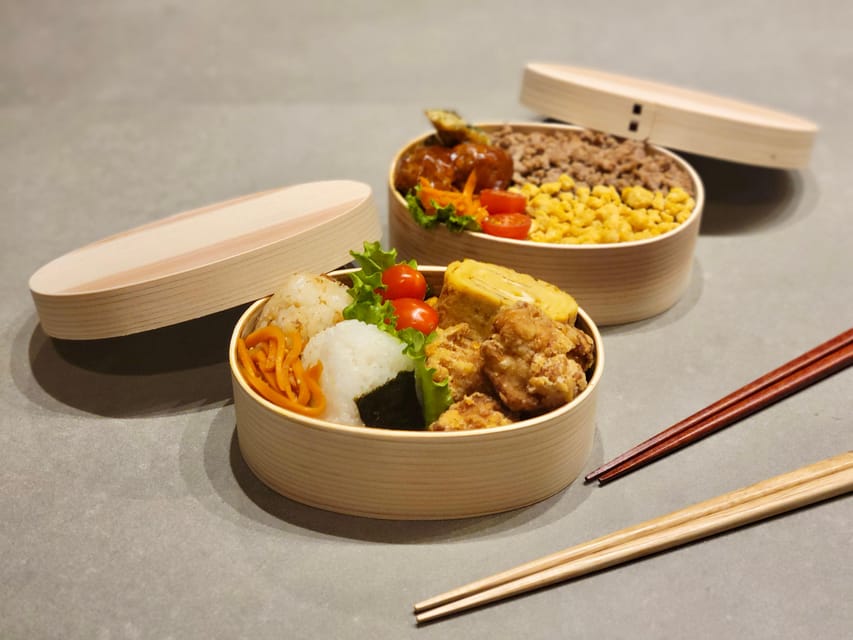
A few small things can make your experience smoother:
- Wear comfortable clothes. You’ll be in a working kitchen setting.
- Bring no special cooking gear. The class provides all ingredients and equipment, and you’ll get a rental apron and towel.
- No shoes indoors. Slippers are provided, so you can wear shoes that are easy to remove.
- Keep fragrances low. Strong fragrances aren’t allowed.
- The class language is English or Japanese (English is the default for most visitors), and Japanese lessons can be arranged upon request.
Also, if you’re doing this on a tight itinerary, remember that transportation isn’t included. Plan your route so you arrive calm, not sprinting through the alley at the last minute.
Should You Book This Tokyo Bento and Oyakodon Class?
Yes, if you want a compact, high-skill-value cooking lesson in Tokyo. This class earns its reputation with a simple formula: hands-on cooking, small group size, and a teacher who can explain the steps clearly in English. The highlight isn’t just what you eat. It’s how you learn the building blocks, especially dashi, and how it connects to both miso soup and oyako don.
Book it if you’ll actually use take-home recipes at home. If you cook regularly or want to start, the payoff is real.
Skip it if you’re vegetarian/vegan, have gluten or nut allergies, or need accessibility support the class can’t provide. In those cases, your best move is choosing a different class that matches your dietary needs.
If your goal is to leave Tokyo with a few dependable Japanese dishes you can recreate with confidence, this is one of the more straightforward ways to do it.
FAQ
How long is the cooking class?
The class lasts 2 hours.
How many people are in the group?
It’s a small group with a maximum of 6 participants.
What dishes will I learn to make?
You’ll learn Japanese home cooking focused on bento and oyakodon. People also mention learning miso soup and how to make dashi broth used for both dishes.
What languages are offered for the instructor?
Instruction is available in English or Japanese.
Where do I meet the instructor?
Meet at a four-story gray building in the alley on the right. Enter through the right-side door with the Alleyway Gourmet Lab sign, then go to the 2nd floor.
What is included in the price?
Hands-on cooking class, insights into Japanese culture and customs, personalized attention, detailed recipes to take home, all cooking ingredients and equipment, a Japanese souvenir (contents are a surprise), plus a rental apron and towel.
Are meals included beyond what you cook during the class?
No. Meals aren’t included outside of what’s prepared during the class.
Do I need to bring any cooking equipment?
No. Cooking equipment and ingredients are provided for the class, and you’ll be given a rental apron and towel.
What is the cancellation policy and can I pay later?
You can cancel up to 24 hours in advance for a full refund. You can also reserve now & pay later, meaning you can book your spot without paying immediately.