REVIEW · TOKYO
Tokyo:Tea ceremony experience at Komaba Warakuan
Book on GetYourGuide →Operated by Japanticket Inc. · Bookable on GetYourGuide
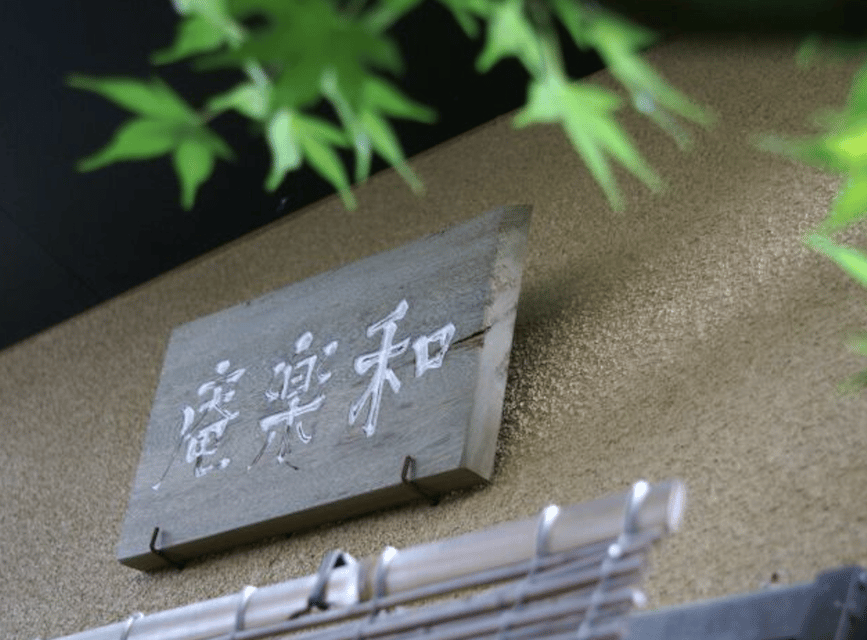
Tea in Japan is quiet, precise work. At Komaba Warakuan, you’ll do a full beginner-friendly ceremony in a small group, inside a school tied to the Kobori Enshu tradition and tea instruction for the third Tokugawa shogun.
What I like most is you can choose your vibe: Rich tea puts you in a hidden seat for a quieter, still mood, while Light tea puts you in the seat of the sun with brighter, more playful conversation.
One thing to consider: the lesson is taught in Japanese, so if your Japanese is limited, plan on following along by listening carefully and watching the instructor’s hands. Also, the location can take a little effort to find, so give yourself extra time.
In This Review
- Key things to know before you go
- Komaba Warakuan: a tea lesson rooted in real instruction, not theater
- Rich tea vs Light tea: pick the atmosphere you want
- Rich tea: quiet and composed
- Light tea: sun-seat energy and lively conversation
- Your 90 minutes to 2 hours: what happens, step by step
- 1) A clear walkthrough before you start
- 2) Change into tabi socks, then move toward the tea room
- 3) Learning the tea-making: guided, hands-on instruction
- 4) Tea and sweets as part of the full experience
- 5) The finish: you leave with something you can repeat
- The historical teaching angle: why it’s worth paying attention
- What you’ll taste: tea and traditional sweets
- Small group teaching: up close, not rushed
- Price and value: is $56 worth it?
- Getting there: the one practical risk you can control
- Who should book this tea ceremony?
- Should you book Komaba Warakuan?
- FAQ
- How long is the tea ceremony experience at Komaba Warakuan?
- What is the group size?
- Is this tea ceremony beginner-friendly?
- Can I choose between Rich tea and Light tea?
- What’s the difference between Rich tea and Light tea?
- What’s included in the price?
- Is the instruction in English?
- Will I need to bring tabi socks or are they provided?
- Are the Fukusa scissors tools provided?
- Is there free cancellation?
Key things to know before you go
- Rich tea vs Light tea: hidden, quiet seating for Rich; sunny, talk-friendlier seating for Light
- Small group of up to 4: more personal teaching when you’re learning the steps
- Tabi socks routine: you change into tabi socks right away, then move to the tea room
- Tools are part of the lesson: you’ll use folding fan–style items and other Fukusa scissors tools
- A school with big tea lineage: you’ll learn how the Kobori Enshu school link connects to this place
- Japanese-only instruction: you’ll rely on the instructor’s guidance and demonstration
Komaba Warakuan: a tea lesson rooted in real instruction, not theater
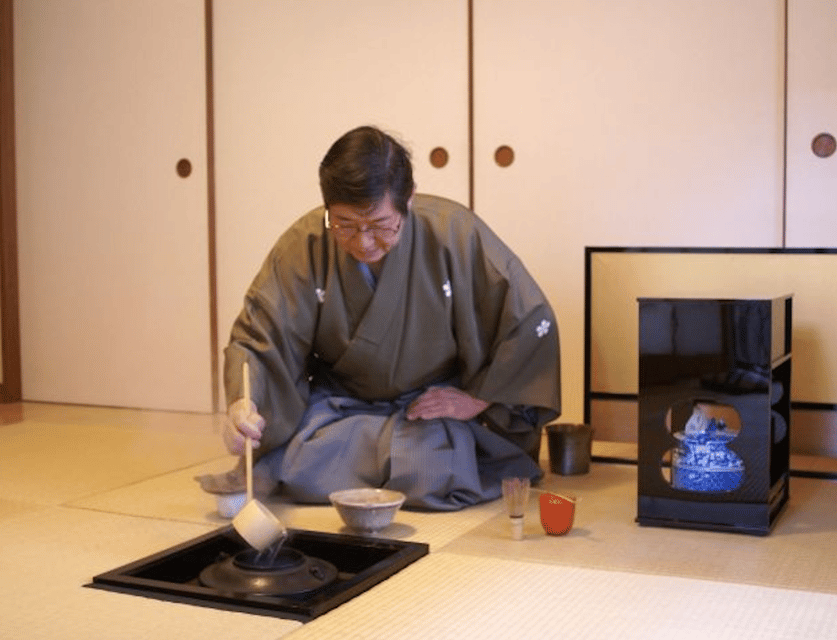
Komaba Warakuan isn’t a pop-up tea set for tourists. It’s a school with a long teaching tradition, and that matters because you’re not just tasting matcha—you’re learning how the process works inside a structured approach to tea.
The setting is built for focus. You’ll start with an explanation of what happens next, then move into the tea room area as part of the ritual. That flow turns the experience from a quick photo stop into a calm skill-building class—exactly what you want if you’re new to tea ceremony.
Another practical plus: this is a small-group experience limited to 4 participants. When you’re learning hand motions and timing, a crowded room is the enemy. Here, you can actually see what the instructor is doing and copy it without feeling rushed.
You can also read our reviews of more tours and experiences in Tokyo.



Rich tea vs Light tea: pick the atmosphere you want
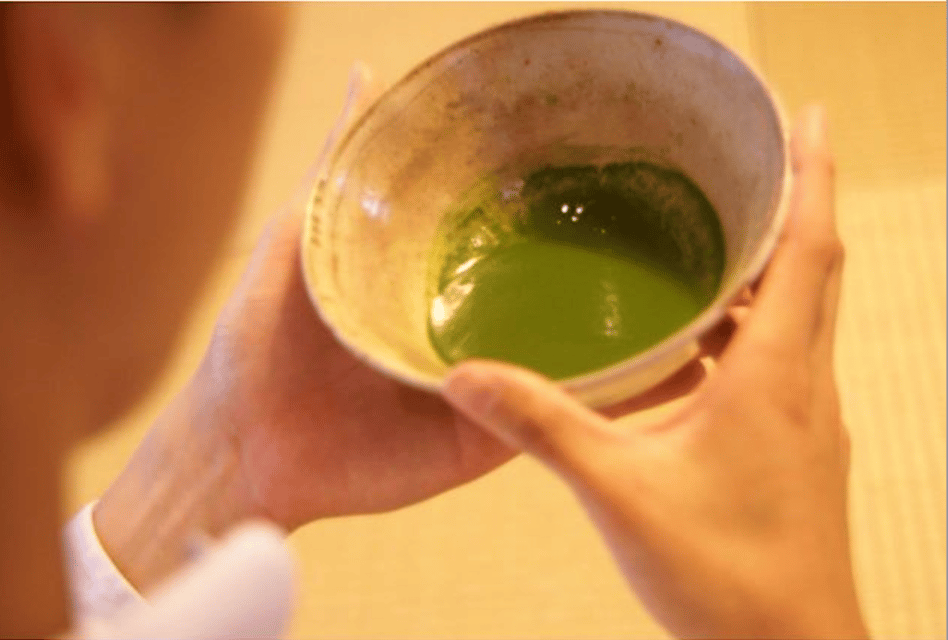
Before you go, decide what style fits your personality. The ceremony is offered in plans tied to Rich tea or Light tea, and the seating approach changes the mood.
Rich tea: quiet and composed
With Rich tea, you’ll sit in a hidden seat. The idea is simple: reduce visual distraction and help you face the tea quietly. If you like slow, reflective moments—or you want a calmer first-time tea ceremony—this plan is your best match.
Light tea: sun-seat energy and lively conversation
Light tea is the seat of the sun, and the structure invites brighter conversation. This doesn’t mean chaos. It means the tone is more energetic, with room for you to interact while still following the ceremony’s rules.
If you’re traveling with a friend and you’re not sure what you want, think like this:
- choose Rich tea for stillness and focus
- choose Light tea if you prefer a warmer, more social feel
Your 90 minutes to 2 hours: what happens, step by step
The ceremony runs about 90 minutes to 2 hours depending on the start time and how the class moves. Here’s the flow you should expect.



1) A clear walkthrough before you start
When you arrive, the instructor will explain the process and what to do next. This is helpful for first-timers. Tea ceremony can look complicated from the outside, but a simple roadmap reduces the stress fast.
2) Change into tabi socks, then move toward the tea room
You’ll change into tabi socks immediately. Tabi socks are provided, though you’re welcome to bring your own. After that, you’ll lead to the tea room through an open ground area.
This part is more than formality. It signals that you’re entering a different rhythm—slower steps, calmer posture, less “grab-and-go.” If you’re used to moving quickly through Japan’s cities, this tiny ritual reset is part of the charm.
3) Learning the tea-making: guided, hands-on instruction
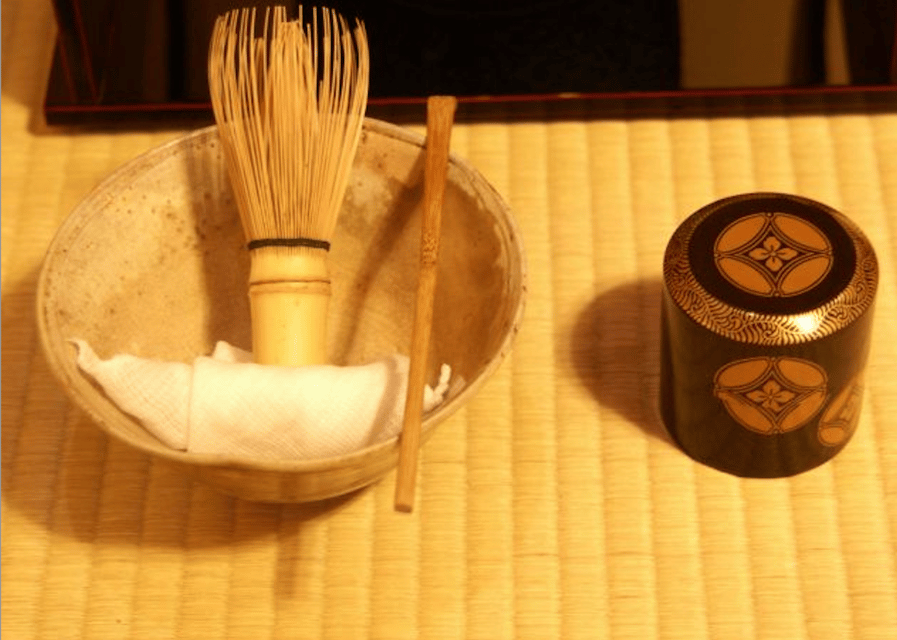
Once you’re seated, the instructor teaches you carefully how to make the tea. You’ll use tools associated with tea ceremony preparation. For example, Fukusa scissors are provided, and these can include folding fan–type items, paper items, toothpick-like tools, and more.
If you already have your own items, bring them—but you don’t need to. The class supplies what you need.
4) Tea and sweets as part of the full experience
All three course options are experiences that include Japanese tea and traditional sweets. That matters because the meal component keeps the ceremony grounded. You’re not just learning technique; you’re also tasting and experiencing tea in the way tea ceremony tradition treats it—food and drink working together.
5) The finish: you leave with something you can repeat
You’re not likely to master everything in one session, but you should walk away with a working understanding of how the ritual moves from start to finish. That’s the difference between a performance and an actual learning experience.
The historical teaching angle: why it’s worth paying attention
A big reason this class feels “authentic” is that it connects the ritual to a real place in Japan’s tea lineage.
Komaba Warakuan is described as a school that taught the Kobori Enshu tradition, and it also served as an instructor base for tea under the third Tokugawa shogun. You’ll learn about the operation in this historical school setting as part of the experience.
For you, that history isn’t extra trivia. It explains why the ceremony is structured the way it is—why the seating matters, why the movement matters, and why attention to details is the whole point. When you understand the logic behind the steps, tea ceremony becomes less mysterious and more satisfying to practice.
What you’ll taste: tea and traditional sweets
This experience includes Japanese tea and traditional sweets with every course option. That’s a key value point because tea ceremony isn’t only about the drink.
The sweets are traditionally served alongside the tea, and they help balance flavors and texture. If you’ve never had Japanese tea ceremony sweets before, you’ll likely notice they’re chosen to complement the tea rather than compete with it.
Small group teaching: up close, not rushed
Small group is not a marketing buzzword here. It changes what you can do during the class.
When the group is limited to 4 participants, you get:
- more time with the instructor while you learn motions
- less waiting for your turn
- a quieter atmosphere, which fits tea ceremony
Also, the instruction is led by a Japanese instructor and the languages listed are Japanese. That means you’ll be watching a lot. The benefit of a small group is that the instructor can correct your form without repeating everything for a bigger crowd.
If you’re the kind of person who likes to ask questions, you may find it easier to communicate even with limited Japanese because you’ll be focused on the exact step you’re doing.
Price and value: is $56 worth it?
At $56 per person, this isn’t the cheapest tea ceremony you’ll find, but it also isn’t trying to be. You’re paying for a few things that add real value:
- Small-group size (max 4)
- A beginner-friendly teaching structure
- Tools provided, including Fukusa scissors–type items
- Tea and traditional sweets included
- A setting tied to a historically connected school of instruction
So how do you decide?
If you want a quick tea tasting, you may feel $56 is too much. If you want to actually learn the process and leave with a stronger sense of how tea ceremony works, it becomes much easier to justify.
One practical tip: if you’re budget-conscious, compare value by looking at what’s included (tea, sweets, instruction style, group size), not just the headline price.
Getting there: the one practical risk you can control
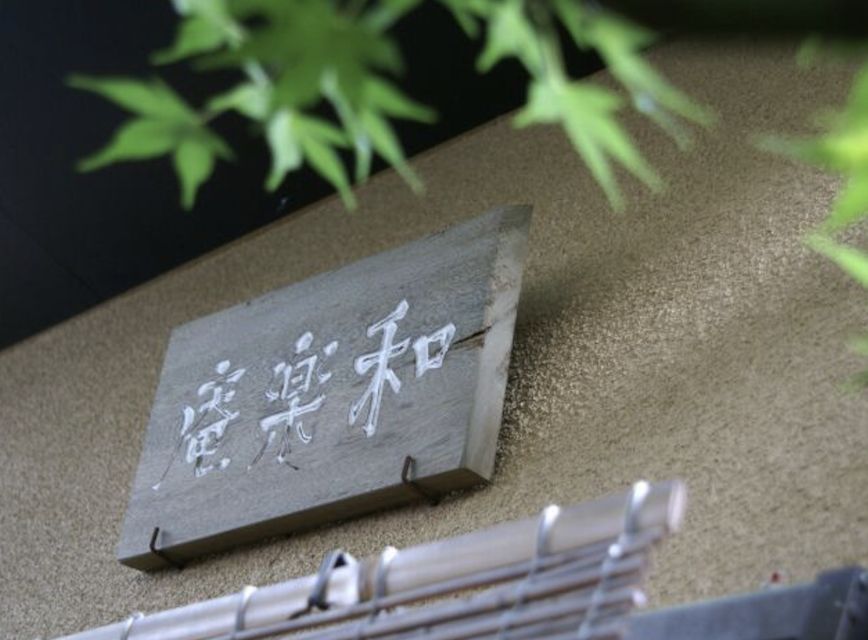
One of the most important things for your planning is simple: arrive early. Directions and images may not be enough for everyone to find the place quickly, and a slow start can eat into your calm mood before the ceremony begins.
Because the class is timed and you change into tabi socks right away, being late is extra annoying. Build in buffer time, and don’t treat this like a casual “drop in” activity.
Who should book this tea ceremony?
This is a great fit if you’re:
- new to Japanese tea ceremony and want structured instruction
- looking for a calmer, respectful cultural activity in Tokyo
- someone who prefers small-group attention over big tours
- curious about how tea ceremony links to schools and historical instruction
It also works well for people who like both learning and a break from constant sightseeing. The ceremony duration is short enough to fit into a day, and the tea-and-sweets pacing keeps it relaxed.
Should you book Komaba Warakuan?
I’d book it if you want a real teaching experience, not just a tasting. The combo of beginner-friendly guidance, small group size, and the option to choose between Rich (quiet, hidden seat) and Light (sun-seat energy) makes it feel tailored once you arrive.
Skip it—or at least think twice—if:
- you need English-only instruction
- you hate changing into tabi socks and walking to the tea room
- you’re extremely price-sensitive and only want the absolute cheapest experience
If you’re okay with following instructions mostly through watching (and taking your time), this tea ceremony is a thoughtful way to experience Japan with your full attention.
FAQ
How long is the tea ceremony experience at Komaba Warakuan?
The duration is listed as 90 minutes to 2 hours. Start times vary by availability.
What is the group size?
It’s a small group limited to 4 participants.
Is this tea ceremony beginner-friendly?
Yes. It’s described as beginner friendly.
Can I choose between Rich tea and Light tea?
Yes. You can choose between Rich tea or Light tea.
What’s the difference between Rich tea and Light tea?
Rich tea uses a hidden seat and is meant for quiet facing and calm concentration. Light tea uses the seat of the sun and is described as brighter, more fun, and conversation-friendly.
What’s included in the price?
The included items are the experience fee and tax. The courses also include Japanese tea and traditional sweets.
Is the instruction in English?
The language is listed as Japanese. The instructor is Japanese, and the materials listed do not indicate English instruction.
Will I need to bring tabi socks or are they provided?
Tabi socks are provided, and you’re also welcome to bring your own.
Are the Fukusa scissors tools provided?
Yes, Fukusa scissors (folding fan, paper, toothpick, etc.) are provided. If you have your own, you can bring them.
Is there free cancellation?
Yes. You can cancel up to 3 days in advance for a full refund.