REVIEW · TOKYO
Tokyo:Fuji-Kawagu Cable Car (Ticket Inc.) Shinkurayama&Panos
Book on GetYourGuide →Operated by JRT Group · Bookable on GetYourGuide
Mount Fuji looks close on this packed day trip. You start in Tokyo, ride out to Kawaguchiko, then use the cable car to get high views fast. The route also hits classic photo stops: Niikurayama Asama Park, Oshino Hakkai, and a fun Mount Fuji Lawson convenience store stop.
Two things I really like: the panoramic cable car gives you wide, unobstructed Fuji views without spending hours hiking. And Oshino Hakkai’s eight spring ponds feel calm and photogenic, with local snacks nearby to keep the day moving.
One thing to consider: this is a full day with queue time risk at the cable car, plus weather and traffic can shift the order and how long you stay.
In This Review
- Key highlights
- From Tokyo Station to Kawaguchiko: the ride that sets the mood
- Kawaguchiko Panoramic Cable Car: wide Fuji views with minimal effort
- Niikurayama Asama Park: the classic postcard frame
- Oshino Hakkai: eight ponds, clear water, and that Fuji backdrop
- The Lawson Mount Fuji stop: a silly photo moment that works
- Guide and driver support: smooth logistics, not just sightseeing
- Price and value: what $44 really covers
- Timing, crowds, and weather: how the day might shift
- Who should book this Fuji day trip
- Should you book this Tokyo–Fuji day trip?
- FAQ
- What is included in the Tokyo–Fuji day tour price?
- Where do I meet the guide?
- What should I bring for the day?
- Is food allowed during the bus ride?
- What happens if the cable car closes due to weather?
- Who is this tour not suitable for?
Key highlights
- Included panoramic cable car ticket, so you’re not hunting for tickets or timing on the ground
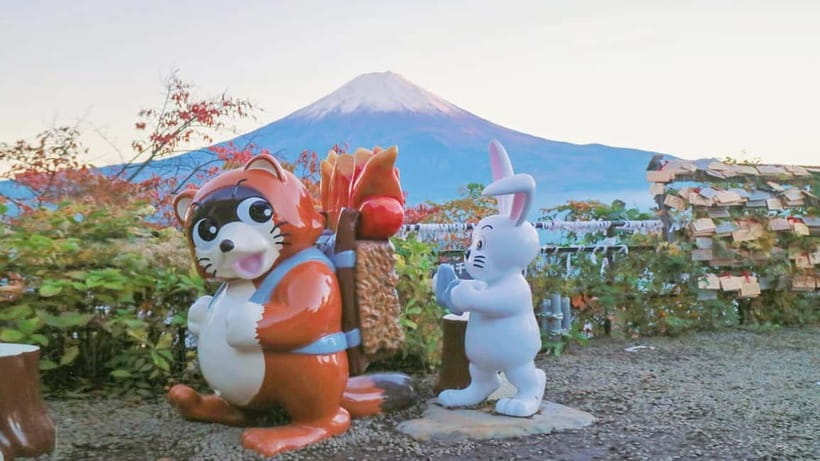
- Rabbit statue at the top at Tenjoyama area for a quick, cute photo moment
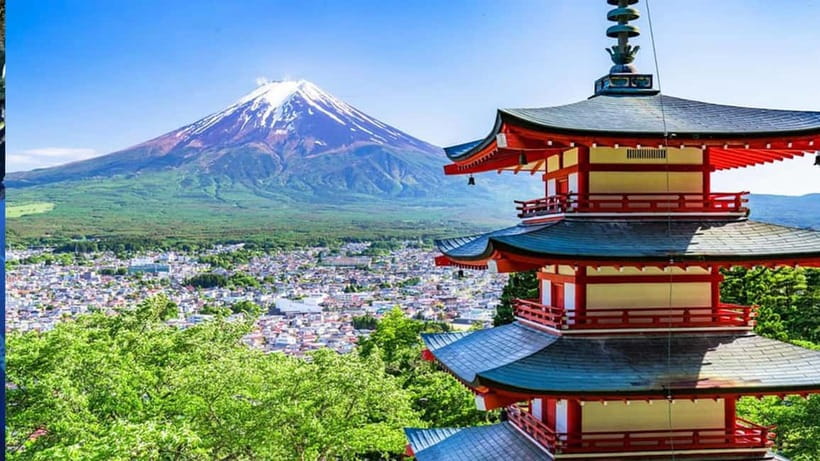
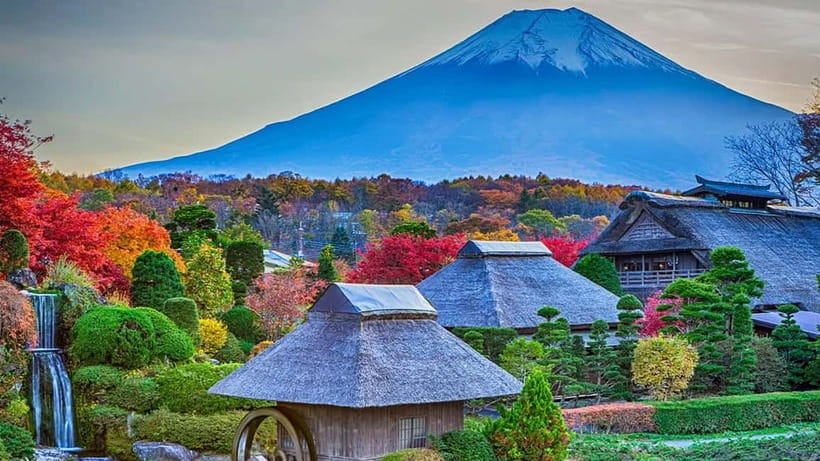
- Niikurayama Asama Park for Fuji with traditional-style buildings in the same frame
- Oshino Hakkai eight ponds for a distinctive Fuji-side scene beyond the main roadside viewpoints
- Lawson Mount Fuji photo stop with Fuji-limited snacks and drinks to break up the sightseeing
- Guide help all day with English/Chinese, plus smooth transport in an air-conditioned vehicle
From Tokyo Station to Kawaguchiko: the ride that sets the mood
This tour starts at Tokyo Station, then you get an air-conditioned bus ride out toward Mount Fuji. Once you’re out of the city, the scenery changes in a way that matters for your photos later: you start seeing more open valleys and calmer road views, and you don’t feel like you’re rushing straight from Tokyo life into Fuji life.
Bring a jacket even in warmer months. The temperature around the mountain can feel different from the city, and you’ll be outside at parks and viewpoints. Wear comfortable shoes too. Even if the walking isn’t extreme, you’ll still move between several viewpoints.
You’ll also want cash. Meals aren’t included, and most of the snacks and drinks happen at roadside shops or at the convenience-store stop later. One small rule that’s easy to miss: you can’t eat in the vehicle. If you bring snacks for the ride, you’ll need to save them for later.
You can also read our reviews of more tours and experiences in Tokyo
Kawaguchiko Panoramic Cable Car: wide Fuji views with minimal effort

The main showpiece is the Kawaguchiko Panoramic Cable Car with the ticket included. This is the part that makes the day trip feel worth it, because it lifts you up toward the Fuji view zone without making you do a long trek. Instead of fighting fatigue, you can focus on looking, photographing, and enjoying the changing angles.
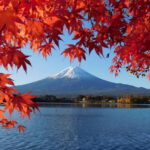
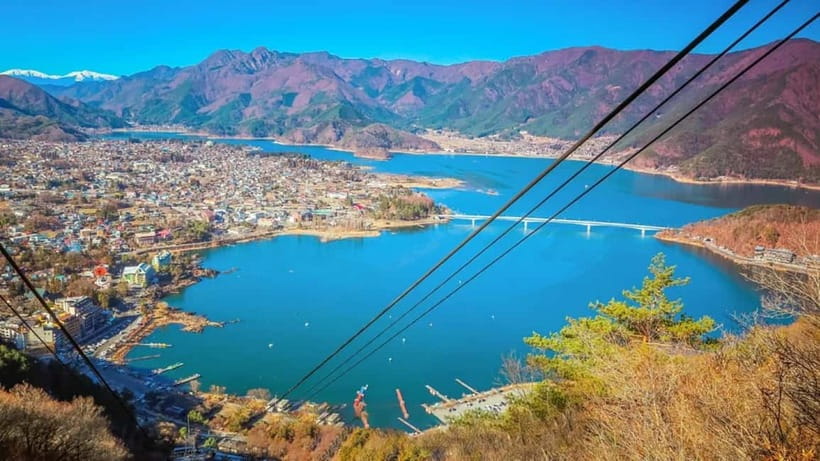
From the top, you’ll get panoramic views of Mount Fuji and Lake Kawaguchi. The seasonal timing can change what those views feel like. In spring, you might catch cherry blossoms. In autumn, maple leaves can frame the view. In winter, snow-capped Fuji becomes more dramatic.
There’s also a small but memorable detail at the summit area: a rabbit statue associated with happiness and good luck. It’s the kind of thing you’d never plan for, but it turns into an easy “quick photo, then back to the scenery” moment.
Practical reality check: the cable car needs queuing. On weekends and holidays, you can expect crowds and line time. If the cabin lines are long or the weather isn’t cooperating, the guide may adjust your schedule and shorten some stays. If you’re not a fan of heights, skip this tour—this is absolutely not the kind of experience to “tough out.”
Niikurayama Asama Park: the classic postcard frame
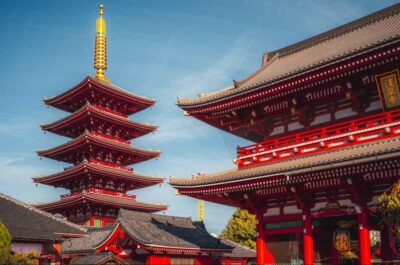
After the cable car, you head to Niikurayama Asama Park, one of the classic places where Fuji and traditional architecture are meant to show up in the same photo. This is where the tour becomes more than just views. It’s where you start to see why this area keeps getting photographed: the roofs and cultural details give the Fuji silhouette more story.
Plan to spend time taking pictures, but don’t freeze your feet in one spot. Fuji shifts behind cloud movement and light changes, and the best shots often come after you move a little—just a few steps can help.
If you’re traveling in peak season, the park can be busy. You’ll get the most out of it if you keep your focus on one or two angles rather than trying to see everything at once. This stop is also a good moment to regroup before the next longer walk around Oshino Hakkai.
Oshino Hakkai: eight ponds, clear water, and that Fuji backdrop
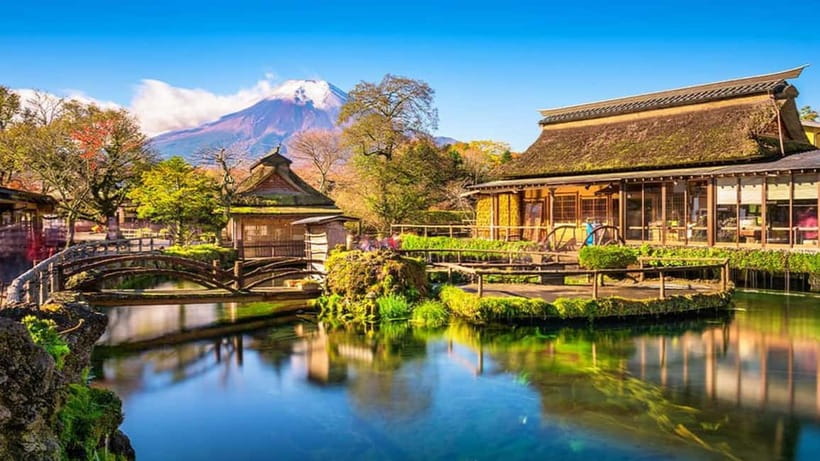
Next up is Oshino Hakkai, widely known as Japan’s Little Switzerland. The big draw here is the eight ponds fed by Fuji’s spring water. It’s a different mood than the parks. Instead of “big view, quick photos,” you get “slow look, walk, and repeat.”
What I like about Oshino Hakkai is how it slows the day down. You can stand near the ponds and watch the reflections, then drift toward the shops and snack stalls nearby. The tour also gives you time to grab local bites, which is helpful since meals and drinks aren’t included.
As you explore, keep your camera ready but also give yourself a chance to just look. The ponds are visually simple, which makes the Fuji backdrop feel more intense. If the weather turns, the water and reflections can still give you strong photos—you’re not dependent on a single perfect sky.
One more practical note: the tour order and timing can shift based on traffic and crowds. If you arrive and everything feels packed, don’t panic. Your guide is there to adjust the flow so you still get through the key spots.
The Lawson Mount Fuji stop: a silly photo moment that works
Yes, a convenience store stop sounds random. But the one here is specifically chosen for a reason. You’ll visit the Instagram-famous Lawson with a Mount Fuji setting, including the blue-and-white Lawson logo framed against the mountain.
This is a quick, fun break that also solves a real problem: you’ll likely want a cold drink or a snack during the long day. At this stop, you can pick up Fuji-limited snacks and drinks. Just don’t expect it to be a full meal. Think of it as a treat and a reset.
Also, because the tour doesn’t allow food in the vehicle, this is a smart time to buy something and eat it after you’re off the bus. It keeps you comfortable for the rest of the day and avoids any awkwardness about rules.
Guide and driver support: smooth logistics, not just sightseeing
A good day trip lives or dies by how the transport and timing feel. This one includes both a tour guide and a driver, and that matters because you’re doing multiple stops with changing crowds. The guide helps explain what you’re looking at and keeps you moving between locations.
I’ve seen praise for specific guide personalities, including people named Lee and Vivi, which fits the idea that the operation focuses on making the day feel understandable. The driver is also part of the experience in the sense that the driving is kept smooth.
One limitation to know: small daily groups may have the driver doubling as guide. That can mean limited English commentary, and there’s no commentary while the vehicle is driving. If you rely on constant explanations, plan to ask questions during stops.
Languages listed are Chinese and English, so you should be covered if you speak either of those. Multilingual services are mentioned for international guests, but it’s still wise to be ready for brief, stop-focused explanations rather than a constant narration.
Price and value: what $44 really covers
At about $44 per person, this tour isn’t trying to compete with a budget bus-only approach. It’s priced like a value day trip that bundles the hard part: transport out to the Fuji area and the cable car ticket.
Here’s what that price includes:
- Transportation in an air-conditioned vehicle
- A tour guide and driver
- The Kawaguchiko Panoramic Cable Car ticket
Not included:
- Meals and drinks
- Personal expenses
- Personal or accident insurance
To judge value, add up what you’d normally pay for cable car entry plus getting to the Fuji area with a planned route. If you’re traveling solo or don’t want to figure out local transit timing, this package can feel like a fair deal. If you’re comfortable building your own plan, the value becomes more about convenience than savings.
One practical tip that makes this tour feel better: plan your food shopping. There’s a useful mindset here—buy snacks and drinks during the day since you’re together for a while. The tour has places where food is available, but since meals aren’t included, you’ll want to budget time and money for it.
And remember the insurance note: this tour doesn’t include personal travel or accident insurance. If you want that protection, you’ll need to arrange it separately.
Timing, crowds, and weather: how the day might shift
This route is designed as a “best of” day, but it’s still subject to real-world conditions. Weekends and holidays bring crowd and traffic issues, and that can affect both your schedule and the time you spend at each stop. The order of attractions can be adjusted to keep things efficient.
Weather is another factor, especially for the cable car. If the cable cars close, the day can shift to other spots. Cable cars also require queuing, so delays can happen even on clear days.
For flower and foliage timing, your best bet is to accept that weather controls what you’ll see. Seasonal expectations like cherry blossoms or maple leaves depend on conditions, and there aren’t refunds for changes tied to weather.
Good to know: the meeting point is fixed on the day you depart, and changes require advance notice. Also, the tour ends back at the meeting point, so you don’t have to worry about getting back independently.
Who should book this Fuji day trip
This works especially well if:
- You want a Fuji highlights plan without planning every transfer
- You don’t want a long hike just to get above the crowds
- You like having a structured day with photo stops and time to breathe
- You enjoy traditional culture viewpoints paired with one iconic mountain view
It may not fit if:
- You’re afraid of heights (cable car exposure is part of the experience)
- You need wheelchair access or have mobility limitations (this tour isn’t suitable for wheelchair users or mobility impairments based on the provided conditions)
- You’re traveling with someone who can’t stand longer park stop walks
- You’re pregnant (not recommended)
- You’re over 70 (also not suitable under the provided guidance)
If you’re traveling as a couple, you can still enjoy it, but it’s also a fine solo option because the logistics are handled and the group movement keeps things simple.
Should you book this Tokyo–Fuji day trip?
Book it if you want an efficient day plan that delivers panoramic Fuji views thanks to the included cable car, plus the two big cultural scenery stops: Asama Park and Oshino Hakkai. The addition of the Lawson Mount Fuji photo moment also makes the day feel playful, not just scenic.
Skip it if you’re sensitive to heights, want total freedom over timing, or don’t want to deal with queue-and-crowd reality. Also consider that meals and drinks aren’t included, so your final spending will be more than the base price.
If you go in with the right expectations—comfortable shoes, a jacket, cash in hand, and patience for lines—this is a strong way to see a lot of Mount Fuji scenery without turning your day into a logistics project.
FAQ
What is included in the Tokyo–Fuji day tour price?
The price includes transportation in an air-conditioned vehicle, a tour guide and driver, and the Kawaguchiko Panoramic Cable Car ticket. Meals and drinks are not included.
Where do I meet the guide?
The start point may vary depending on the option booked, but the trip begins at Tokyo Station. The end of the activity returns you back to the meeting point.
What should I bring for the day?
Bring comfortable shoes, a jacket, comfortable clothes, and cash. Also note that food is not allowed in the vehicle.
Is food allowed during the bus ride?
No. Eating and drinking in the vehicle are not allowed, and stains can result in cleaning fees.
What happens if the cable car closes due to weather?
If the cable cars close, the tour schedule may shift to other spots. Cable cars also require queuing, so weather and crowds can affect timing.
Who is this tour not suitable for?
This tour is listed as not suitable for pregnant women, people with mobility impairments, wheelchair users, people afraid of heights, and people over 70.