REVIEW · TOKYO
Tokyo: Make Your Own Hanko Stamp — Unique Cultural Souvenir
Book on GetYourGuide →Operated by YURAGI - Japan Guide Tours - · Bookable on GetYourGuide
Tokyo has a lot of souvenirs. A hanko is different because it’s personal, carved by you, and used like identity on paper. In a longtime seal shop in central Tokyo, you’ll learn what these name stamps mean and then make one you can actually use.
I especially like the hands-on pace: you’re designing your name in kanji or katakana, then carving it with staff guiding your hands. Another strong point is the small group size (max four), which means you get real attention when choosing characters and a carving plan.
One thing to consider: at $154 per person it’s a pricier Tokyo activity than a quick shopping stop. If you’re visiting on a tight schedule, the 90 minutes can feel like “time away” from other sights.
In This Review
- Key Things I’d Watch for in This Workshop
- Finding The Shop: Otemachi Meet-Up and What the 90 Minutes Feels Like
- Why Hanko Still Matters in Japan (Even When You’re Just Visiting)
- Designing Your Name: Kanji vs Katakana (and the Meaning Behind Each Choice)
- Picking a Calligraphy Style That Actually Looks Like Something
- Carving Your Seal: Stone Work With Safety and Precision Help
- The First Stamp Moment: Traditional Red Ink and Photos
- Taking It Home: A Functional Hanko and a Protective Case
- Price and Value: Is $154 Reasonable for 90 Minutes?
- Who Should Book This Hanko Workshop (and Who Might Skip It)
- Practical Tips Before You Go
- Should You Book This Tokyo Hanko Workshop?
- FAQ
- How long is the hanko workshop?
- Where is the meeting point?
- How many people are in each workshop?
- What languages does the guide speak?
- Do I need experience carving a seal?
- What is included in the price?
- What is not included?
- Is the workshop wheelchair accessible and held indoors?
Key Things I’d Watch for in This Workshop
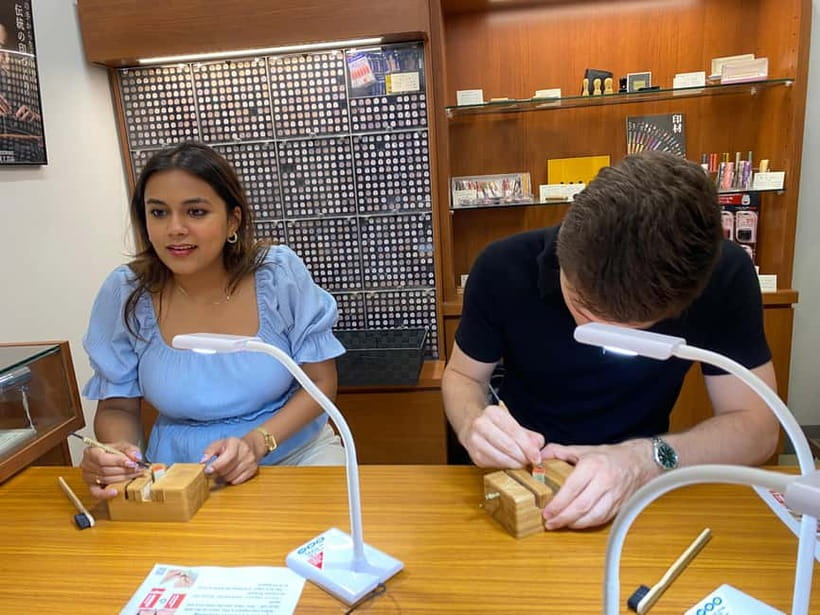
- A real local shop setting in central Tokyo, not a staged studio
- Design help for kanji/katakana choices, including meaning behind the characters
- Guided carving of a stone hanko, with staff supporting safety and precision
- A traditional red-ink stamp moment you’ll see immediately on paper
- A take-home seal case, so your finished stamp is protected and ready to use
Finding The Shop: Otemachi Meet-Up and What the 90 Minutes Feels Like
Your workshop starts at a simple, easy-to-pin meeting point: Lawson in front of Taihodo, at the Shin-Otemachi Building, 2-2-1 Otemachi, Chiyoda-ku, Tokyo. It’s a handy location if you’re already moving around central Tokyo, and it helps that the host will be there to greet you.
The whole experience is designed for a small private group with a maximum of four participants. That matters because this isn’t a “watch and wait” activity. In 90 minutes, you need enough attention to make decisions about your name and then carry the carving through to a clean, usable result.
Once you’re inside, the feel is calm and craft-focused. You’ll spend less time “touring,” more time doing. If you’ve been craving a Tokyo moment that’s not another photo stop, this is the kind of thing that scratches that itch.
You can also read our reviews of more tours and experiences in Tokyo.



Why Hanko Still Matters in Japan (Even When You’re Just Visiting)
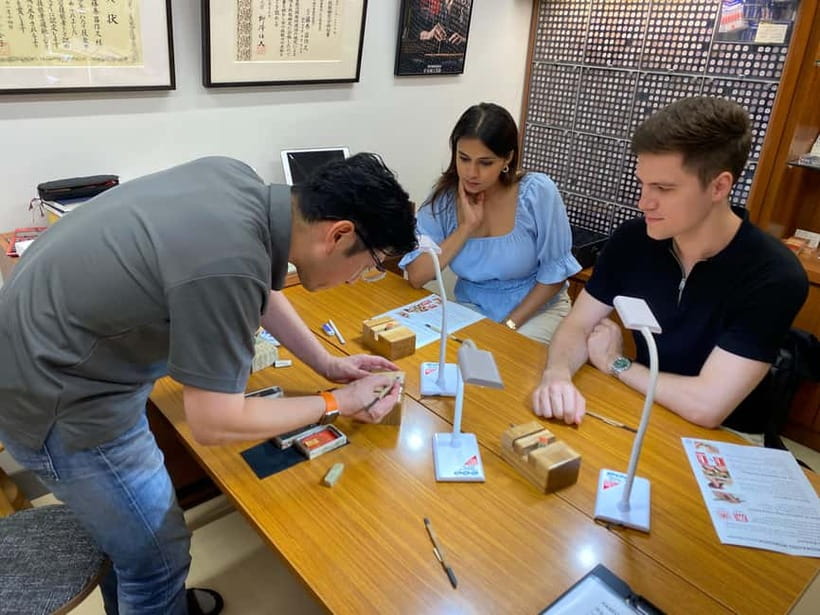
You’ll begin with a clear explanation of what hanko are and why they matter. The guide walks you through their role in Japanese life as symbols of identity and authenticity that have been used for centuries.
That historical context isn’t just trivia. It changes how you think about the stamp you’re making. When you understand that a hanko is more than decoration—more like a signature—you start treating the carving choices with care, not casual curiosity.
I also like that the explanation is practical. You’re not stuck memorizing definitions. You’re learning the meaning while you’re about to make something personal with your own name. That link between lesson and action makes the time feel worthwhile.
Designing Your Name: Kanji vs Katakana (and the Meaning Behind Each Choice)
Next comes the fun (and slightly decision-heavy) part: representing your name in kanji or katakana. The multilingual guide supports you in English, Spanish, French, Italian, or Chinese, depending on what you selected.
What helps is that you don’t just pick a random look-alike. You get guidance on what the characters mean and how they map to your name. The workshop shares “why this character, why this style” logic, so you understand what you’re carving—not just what it looks like.
If you’re unsure of how your name should be written, don’t panic. The staff helps you choose and refine the design. That’s exactly where a small group format becomes a plus: you get time to ask questions without feeling rushed.
One small reality check: you’re making design decisions inside a short workshop. If you arrive with zero thoughts about your name spelling, you’ll lean on the guide more. That’s fine, but it’s still a consideration if you prefer a super-fast, plug-and-play experience.
Picking a Calligraphy Style That Actually Looks Like Something
After your characters are chosen, you’ll move into style selection. You pick a calligraphy style, then you begin carving following that plan.
This stage is where a lot of craft workshops either become frustrating or pleasantly guided. Here, staff support your choices and guide the process. You’re not expected to be an artist first. You’re expected to cooperate with the craft steps, and the professionals handle the “make it precise” part.
I like this because it gives your seal an aesthetic identity, not just readable characters. A hanko is meant to be stamped, so the layout, thickness, and balance all matter. The style choice is what gives it that final “this is intentional” look.
Carving Your Seal: Stone Work With Safety and Precision Help
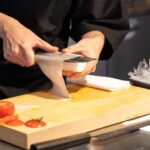
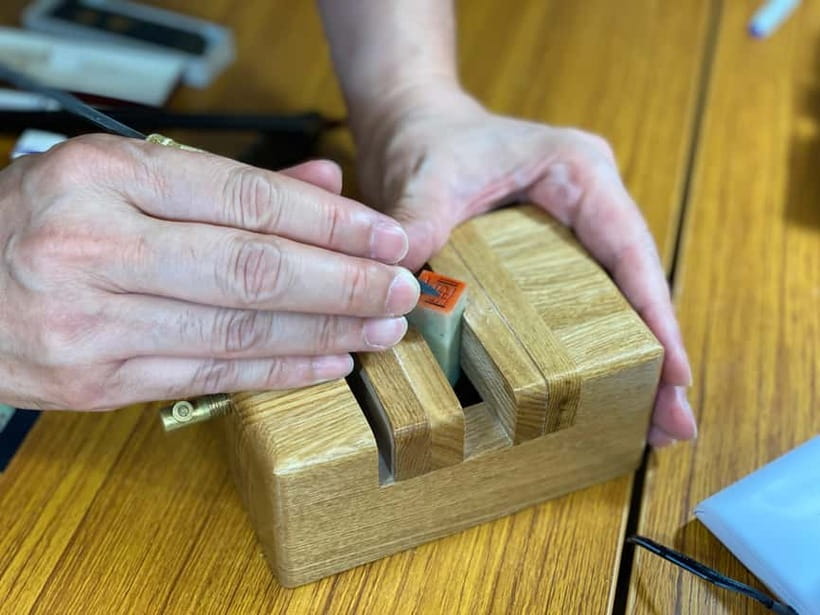
Now you’ll carve your personal seal. The workshop is hands-on, and you’ll work with experienced local staff who support you throughout the process.
From the experience descriptions, you’ll be carving a stone hanko, which makes the result feel more substantial than a craft made from paper or cheap imitation. You’re producing a real tool—something that will stamp clearly when inked and pressed.
Carving can be intimidating if you’ve never done it. The good news: staff are there for safety and precision. You don’t have to guess the right pressure or the right way to remove material.
If you’re the type who worries about ruining things, take comfort in the fact that you’re doing this with direct help. The goal is a finished seal that you can take home, not a “near miss” you’ll regret.
One more practical note: because the workshop is indoors and in a short window, you won’t spend forever on a single tiny detail. You’ll work steadily, guided by the tempo the shop uses for complete results within the 90 minutes.




The First Stamp Moment: Traditional Red Ink and Photos
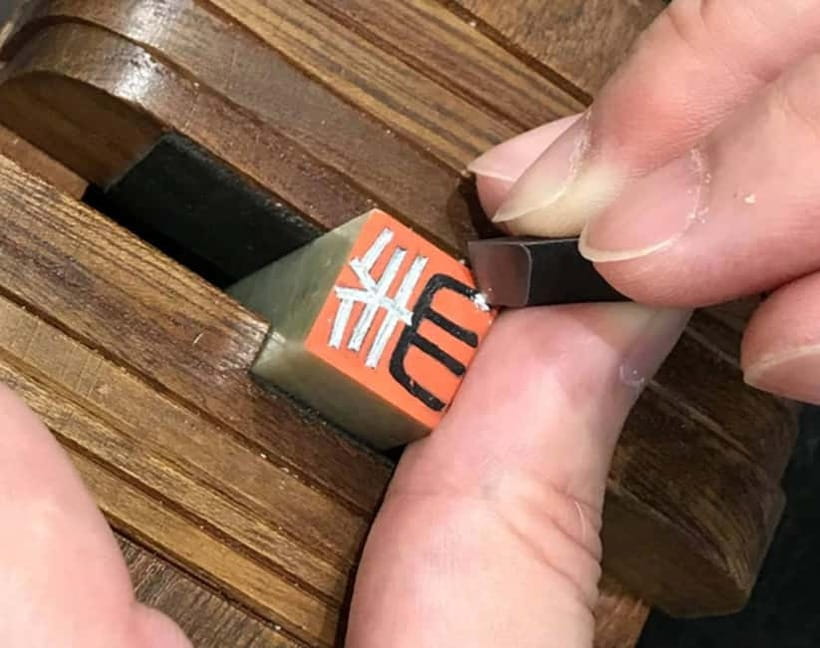
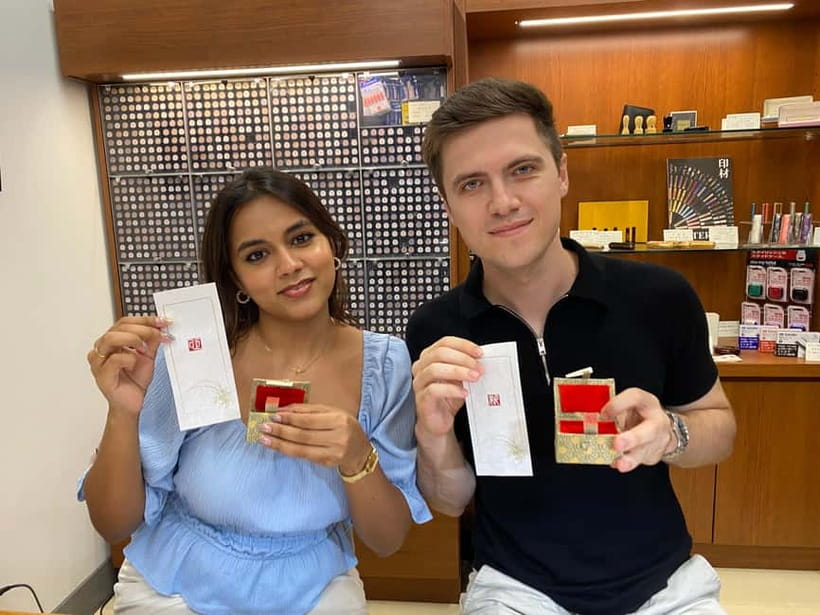
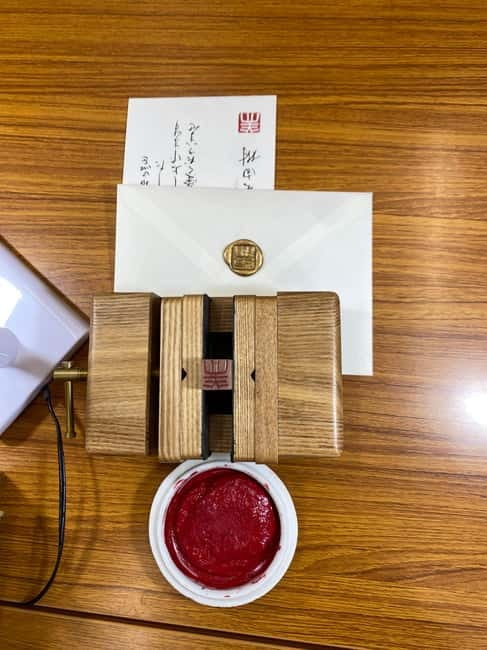
When your carving is done, you’ll stamp your seal with traditional red ink. This is the satisfying moment when your carved design becomes obvious and real on paper.
You’ll then get a chance to admire your first impression and take commemorative photos. It’s simple, but it matters. Many workshops finish with a “here you go,” but this one builds in a quick reveal moment so you can see your handiwork immediately.
Even if you’re not a “craft person,” this part turns your experience into a memory. You’ll leave with proof that your stamp actually works.
And since you made it for your own name, the results feel more personal than any postcard you could buy.
Taking It Home: A Functional Hanko and a Protective Case
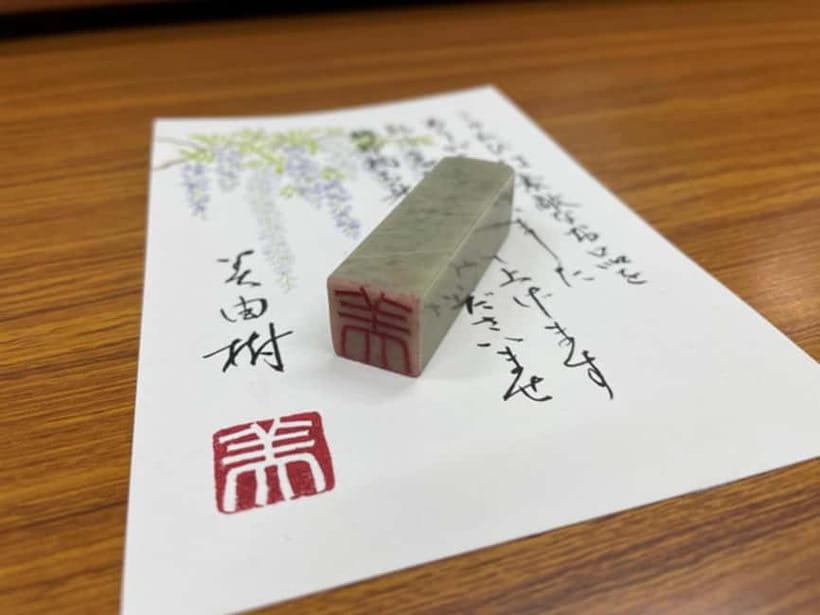
Your finished hanko comes in a protective case. That’s a big deal for practical value, not just presentation.
Souvenirs often become dust-catchers. This one is designed to be used and stored safely. The case helps keep your seal in good condition, which means you’re not just taking home a decorative item—you’re taking home a tool with meaning.
You’ll also take away something psychological: you created a Japanese identity object that people recognize as legitimate. It’s a souvenir that feels like you earned it, not just purchased it.
Price and Value: Is $154 Reasonable for 90 Minutes?
Let’s talk money in plain terms. $154 per person is not “cheap Tokyo.” But it also isn’t a generic tour price where you pay for walking time.
You’re paying for:
- A guided workshop at a real, long-established seal shop
- Help in choosing kanji/katakana and explaining character meanings
- Guided carving support (including safety and precision)
- The finished original hanko seal
- A seal case, plus the multilingual guide
That cost makes more sense if you treat this as a handcrafted, guided experience rather than a cultural show. You’re also limiting the group size to a maximum of four, which increases staff attention per person. In workshops, that ratio often affects quality a lot.
If your goal is to collect a stack of inexpensive souvenirs, this may not fit. But if you want a single item with real cultural weight and personal authorship, it’s strong value.
Who Should Book This Hanko Workshop (and Who Might Skip It)
You’ll probably love this if you:
- Like hands-on activities more than museum-style listening
- Enjoy calligraphy, lettering, or anything about names and writing
- Want a Tokyo souvenir that’s functional and meaningful, not just decorative
- Appreciate quiet, focused cultural experiences in local shops
You might want to think twice if you:
- Only have a short window in Tokyo and need to maximize sightseeing blocks
- Don’t want to spend time making design choices about spelling and characters
- Expect a super-fast “make it and run” experience
Also, if you’re traveling with young kids: children under 5 may join as observers, but they cannot carve. That’s good to know so you can plan the day without disappointment.
Practical Tips Before You Go
A few small things can make your workshop smoother.
First, arrive ready to discuss your name. If you have preferences for spelling, bring them in mind. The guide will help you with the options, but your clarity speeds things up.
Second, plan for focus time. This is not a “multi-task while doing craft” activity. Give yourself mental room to choose characters and work steadily with staff guidance.
Third, dress comfortably. Carving is careful work, and you’ll be seated and leaning in for much of the session.
Finally, because the workshop runs indoors, weather won’t hijack your plans. It’s the kind of Tokyo activity that stays reliable even when you get a surprise day of rain.
Should You Book This Tokyo Hanko Workshop?
If you want one experience that feels genuinely Japanese and you’re okay paying a bit more for real instruction, I’d book it. The combination of design help, carving support, and a finished take-home seal makes it more than a “nice story.” It’s a usable souvenir with real identity meaning.
If you’re on the fence, decide based on your style: do you like crafts and writing, or do you prefer big-ticket sightseeing? If crafts and writing are your thing, this workshop is a strong fit for central Tokyo.
FAQ
How long is the hanko workshop?
It lasts 90 minutes.
Where is the meeting point?
Meet at Lawson in front of Taihodo at the Shin-Otemachi Building, 2-2-1 Otemachi, Chiyoda-ku, Tokyo.
How many people are in each workshop?
It’s a small-group workshop with a maximum of four participants.
What languages does the guide speak?
The live guide support is available in English, French, Spanish, Italian, and Chinese.
Do I need experience carving a seal?
No prior experience is required. Staff provide support during the carving process.
What is included in the price?
Included: the original hanko seal, the carving fee, a seal case, and a multilingual guide.
What is not included?
Transportation costs and personal shopping fee are not included.
Is the workshop wheelchair accessible and held indoors?
Yes. The experience is wheelchair accessible, and it takes place indoors, so it runs in all weather conditions.