REVIEW · TOKYO
Seasonal Mt. Fuji Scenic Views, Fruit Picking and Ropeway!
Book on GetYourGuide →Operated by H.I.S. Co Ltd(TIC) · Bookable on GetYourGuide
Mount Fuji looks different every season. That is the whole point here, and it stays interesting from the first view to the last photo. You get seasonal scenery around Mt. Fuji plus a hands-on fruit picking stop in Yamanashi, and it is all done in a one-day format from Tokyo. I also like that the tour is designed to keep pace with the season, not just the same checklist every month.
Two things I especially liked: the Fujisan Panorama Ropeway ride for sweeping views, and the way the fruit plan matches the calendar (strawberries, cherries, peaches, grapes, and sometimes apples or oranges). One consideration: weather affects visibility, and if fog or heavy humidity rolls in, Mt. Fuji may not be visible even when you do everything right.
In This Review
- Key Things to Know Before You Go
- First Stop: How This One-Day Tour Actually Works from Tokyo
- Getting to the Meeting Point Near Shinjuku (No Stress Version)
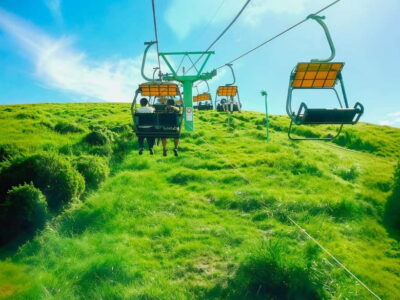
- Fujisan Panorama Ropeway: The 360-Degree View You Came For
- Oishi Park and the Seasonal View Plan (Why This Tour Changes by Month)
- Fruit Picking in Yamanashi: The Hands-On Part of the Day
- Lunch with Yamanashi Flavor: Houtou Noodles and Seasonal Veggies
- Price and Value: Is $90 Worth It?
- Guide and Day-Flow: Why the Human Touch Matters
- Weather Reality: How to Manage Expectations Without Getting Bummed
- Who This Tour Suits Best (And Who Might Want Something Else)
- Should You Book This Mt. Fuji Seasonal Ropeway and Fruit Picking Tour?
- FAQ
- What’s included in the tour price?
- Does the tour always include fruit picking?
- What happens if the ropeway doesn’t operate?
- Is Mt. Fuji guaranteed to be visible?
- What should I bring?
- How does the lunch work, and are there dietary options?
Key Things to Know Before You Go
- Ropeway first, views ready: You ride the gondola for a high, panoramic look over the Mt. Fuji area.
- Fruit picking follows the season: What you pick depends on the time of year, so you’re not stuck with the same orchard experience.
- Oishi Park is a seasonal anchor: Many dates route through Oishi Park and nearby scenic viewpoints, depending on the month.
- Planned seasonal replacements: If the ropeway does not operate, the day shifts to options like the Fuji Visitor Center or Oshino Hakkai.
- Lunch is included on the right option: You get a local Yamanashi meal with houtou noodles, plus pork and seasonal vegetables.
- Small-ish group feel: The tour runs with one English-speaking guide and a minimum of 10 passengers, which helps the day stay organized.
First Stop: How This One-Day Tour Actually Works from Tokyo
This is a straightforward Tokyo to Mt. Fuji day trip by air-conditioned bus. You meet at a HIS meeting point where the guide holds a blue HIS logo flag or meeting board, then the bus heads west toward the Fuji region.
The practical win is that you do not spend your day planning transit, parking, or timing between viewpoints. The day is built around scenic stops, a ropeway ride, and fruit picking, so you can focus on getting outside and enjoying the views.
One small detail that matters: this tour is for international tourists, and children up to age 0–2 can join free, but they do not get a bus seat or lunch unless you book them under the child rate.
You can also read our reviews of more tours and experiences in Tokyo.

Getting to the Meeting Point Near Shinjuku (No Stress Version)
The meeting point setup is simple, but Tokyo can still feel like a maze if you arrive late. From JR Shinjuku Station, walk from the West Exit (about 10 minutes). If you use the Tokyo Metro Marunouchi Line Nishi-Shinjuku Station, it is about 3 minutes from Exit E7.
You’ll likely want to arrive a little early so you can spot the blue flag and settle before boarding. The tour ends back at the same meeting point, so you get a clean day loop.
Bonus: the bus includes Wi-Fi service, which helps if you want to check train connections for later in the day or just keep your photos backed up.
Fujisan Panorama Ropeway: The 360-Degree View You Came For
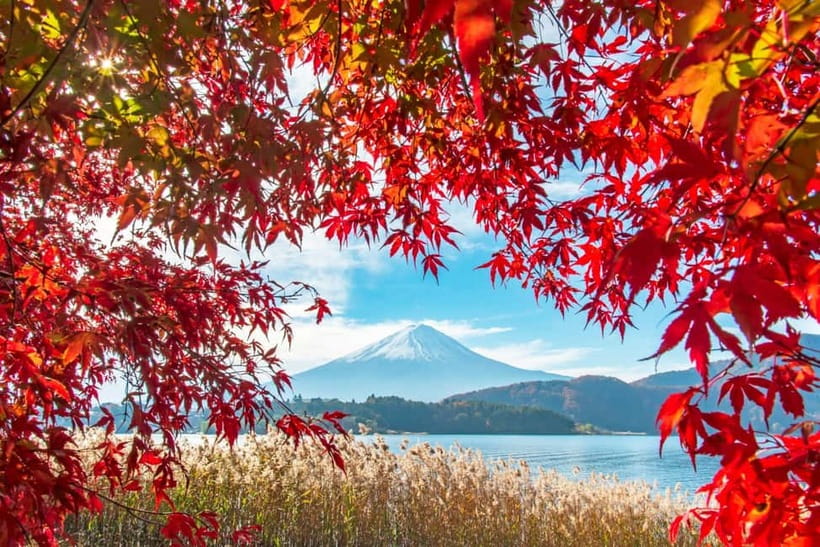
One of the main reasons to book this tour is the Mt. Fuji Panoramic Ropeway (gondola). The goal is a strong view from above, and it is timed as part of the main route, not a last-minute scramble.
The ride is a simple win: lift up, look around, take photos, and enjoy the scale of the area around Lake Kawaguchi and Mt. Fuji. If the day is clear, this is the moment where the whole trip clicks into place.
Important reality check: Mt. Fuji visibility can change fast. High humidity, heavy rain, and fog can cut the view. Even when the mountain is faint, the ride still gives you broad perspective of the Fuji area.
And there’s a smart backup plan. If the ropeway does not operate, the tour redirects to alternative destinations such as the Fuji Visitor Center or Oshino Hakkai. That means you still get a full day, not a canceled day.
Oishi Park and the Seasonal View Plan (Why This Tour Changes by Month)
This is not the same view stops every time. The tour is designed around seasonal Mt. Fuji scenery, and your exact scenic mix depends on the date.
Here’s how it is structured across the year, based on the seasonal highlights:
- Winter (late Dec–March): Saiko Iyashi no Sato Healing Village, a traditional village setting with Mt. Fuji views.
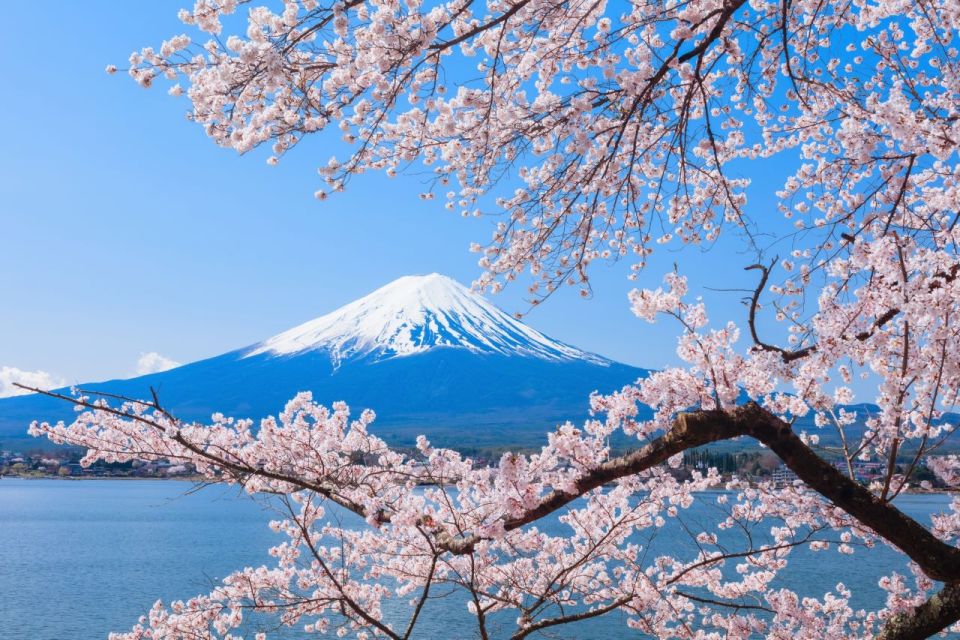
- Spring (April): Cherry blossoms at Kawaguchiko.
- Shibazakura season (late Apr–late May): Fuji Shibazakura Festival at Motosu Lake Resort, with pink moss phlox.
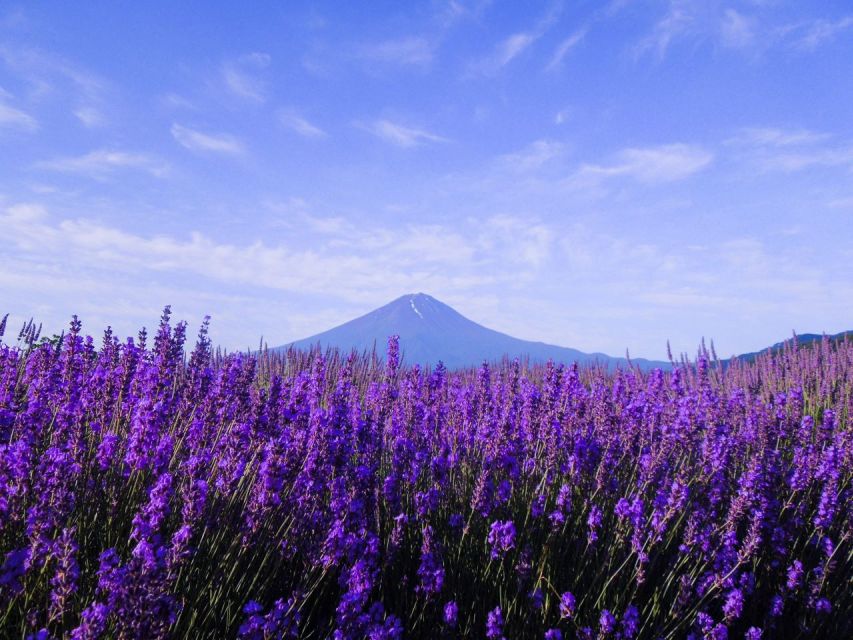
- Summer (June–July): Lavender fields at Oishi Park with Mt. Fuji as the backdrop.
- Late summer (August–September): Mt. Fuji 5th Station for close-up panoramic views.
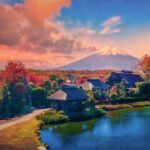
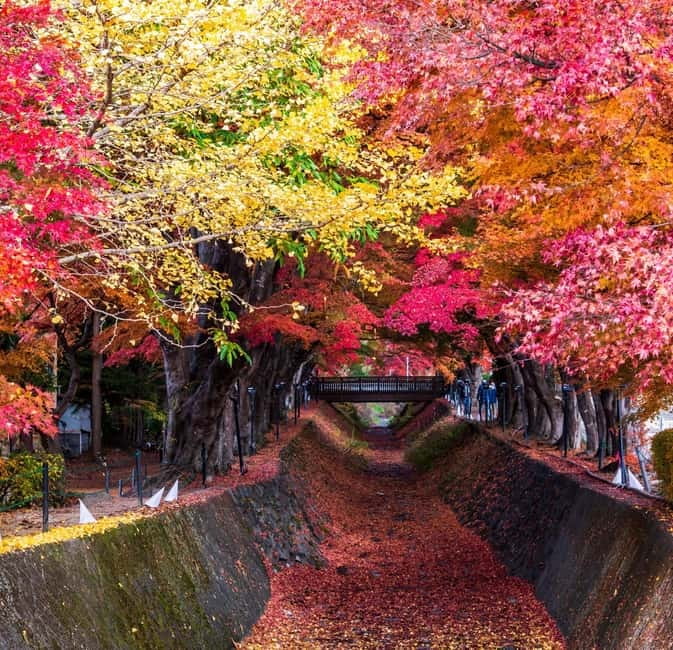
- Autumn (October–November): Autumn foliage at Oishi Park or the Momiji Corridor (Maple Leaf Tunnel).
So what does that mean for you? It means you can match the tour to the vibe you want. If you love flowers, go when the phlox or lavender is happening. If you want dramatic mountain proximity, the 5th Station timing is the big draw.
One thing to watch: the tour notes that it operates the original itinerary visiting Oishi Park and Mt. Fuji until May 10, and then from May 25, 2025 the route adjusts to give guests ample time to enjoy each destination in that season. That is good news if you hate rushing. It also hints that the operator is trying to reduce “see it, move on” time.
Fruit Picking in Yamanashi: The Hands-On Part of the Day
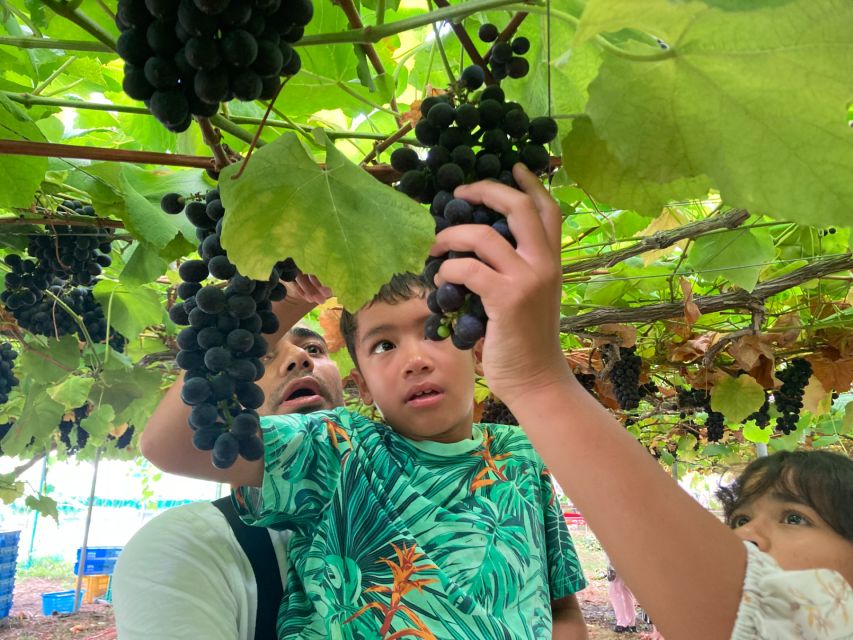
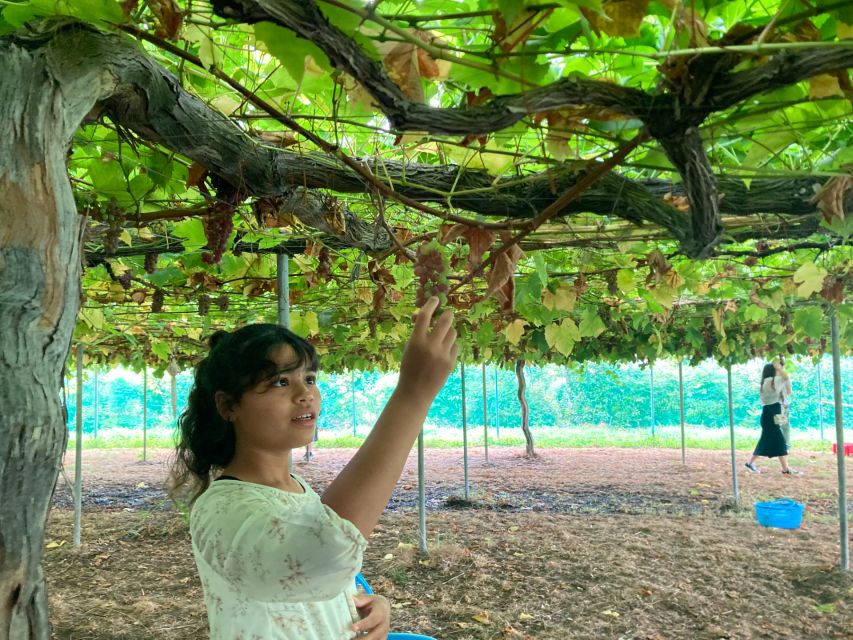
The other big half of the experience is fruit picking in a Yamanashi orchard. This is where the tour goes beyond photos and gives you an activity you can talk about later.
What you pick depends on the season. Here’s the schedule:
- Late December–early May: Sweet strawberries
- June: Japanese cherry picking
- July: Sweet peaches
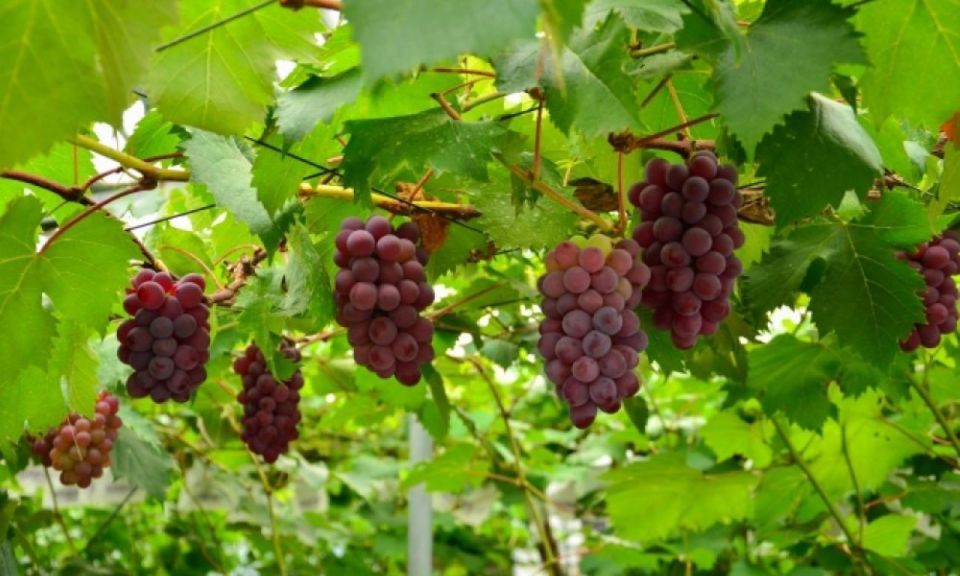
- August–late November: Various types of grapes
Depending on the season, you might also get the chance to pick apples or oranges.
This matters for value. Fruit picking usually turns a tour from passive viewing into something tactile. You get to see the fruit up close, and you eat something fresh that fits the season rather than something that could have been shipped from far away.
Practical tip: bring comfortable shoes. Orchards and scenic areas are usually uneven and require short walks between viewpoints and picking spots.
Lunch with Yamanashi Flavor: Houtou Noodles and Seasonal Veggies
Lunch is included if you select the option for lunch, and it is a local Yamanashi meal. The menu includes thick houtou noodles, pork, and fresh seasonal vegetables.
There is also a useful note for dietary needs: if you request a muslim friendly meal, the menu contents will be adjusted. The key word here is request—so if you have dietary requirements, make sure you do it during booking rather than expecting fixes at the table.
What I like about this lunch setup: it is not just a generic bento placed near Mt. Fuji. It is designed to taste like the region you’re visiting.
Drinks are not included, so it is smart to plan for water or other drinks during the day, especially if you’re in a warm month or doing outdoor walking.
Price and Value: Is $90 Worth It?
At $90 per person, this looks like a classic day-trip price tier. The real question is what you get for that money.
Here is the value math that makes sense:
- You get the bus transport from Tokyo.
- You get the ropeway ticket, which is often one of the most expensive components of Mt. Fuji area sightseeing.
- You get orchard admission for fruit picking.
- You get an English-speaking guide plus Wi-Fi on the bus.
- You get lunch if you selected the lunch option.
So you’re paying for logistics, timed access, and guided execution—not just scenery. If you were to plan this yourself, you’d likely spend time coordinating transport between the ropeway area and the orchard, and fruit picking adds its own ticketing and rules.
That said, your money is only as good as the visibility that day. Bad weather can limit Mt. Fuji views, and the tour also says there are no refunds for weather-related claims or schedule changes. The way to make this worth it is to treat the ropeway and seasonal stops as the main experience, not only the mountain’s peak.
Guide and Day-Flow: Why the Human Touch Matters
One standout detail from the experience is the guide support. In particular, Christy was described as accommodating, and the driver understood that people were eager to see the peak of Mt. Fuji and helped find a better spot for a good view.
That kind of responsiveness is more than nice. In Fuji areas, visibility and angles can change quickly as clouds shift. A guide who helps you position for the best possible view can turn a cloudy day into a still-good day.
It also helps that the tour has one guide and runs with a group size that starts at about 10 passengers. Smaller groups tend to move with less friction, especially when people are hopping between viewpoints.
Weather Reality: How to Manage Expectations Without Getting Bummed
This tour gives you a lot outdoors time, and Mt. Fuji is famously moody. The tour information flags it directly: Mt. Fuji may not be visible depending on weather like high humidity, heavy rain, and fog.
So plan your mindset like this:
- If it is clear, you get the wow factor, especially on the ropeway.
- If it is hazy, you still get a strong day with seasonal viewpoints, village scenery, flowers, and the orchard experience.
- If the ropeway is shut down, you still get an itinerary with alternatives like the Fuji Visitor Center or Oshino Hakkai.
This keeps the day from turning into disappointment.
Who This Tour Suits Best (And Who Might Want Something Else)
This is a great fit if:
- You want Mt. Fuji scenery that changes by season, not a one-size-fits-all day.
- You like active sightseeing like ropeway views and fruit picking.
- You prefer a guided plan from Tokyo with an English-speaking guide and built-in meal.
You might want a different plan if:
- You only care about seeing Mt. Fuji’s peak from one specific angle and hate backup options.
- You dislike orchards, picking, or hands-on activities.
- You want hotel pickup or a more flexible stop-by-stop custom schedule (this tour does not include hotel pickup/drop-off).
Should You Book This Mt. Fuji Seasonal Ropeway and Fruit Picking Tour?
If your goal is a one-day package that mixes iconic views with something you can physically do, this is a smart choice. The combination of the ropeway, a seasonal scenic route (often centered around Oishi Park), and fruit picking in Yamanashi is what makes it feel like more than a bus ride with photo stops.
I’d book it if:
- You’re traveling during the fruit season you want (strawberries, cherries, peaches, grapes, and sometimes apples or oranges).
- You value having a guide manage timing and viewpoints.
- You want lunch that tastes local, not just convenient.
I would think twice if Mt. Fuji visibility is your only metric for a perfect day. Weather is real here. But if you treat the day as seasonal sightseeing plus an orchard experience, you’re much more likely to leave happy—even when the mountain plays hard to see.
FAQ
What’s included in the tour price?
The tour includes an air-conditioned bus, a Mt. Fuji Panoramic Ropeway (gondola) ticket, orchard admission for fruit picking, an English-speaking guide, and Wi-Fi service. Lunch is included if you select the lunch option.
Does the tour always include fruit picking?
Fruit picking is part of the tour experience, but what you pick depends on the season. The schedule includes sweet strawberries (late Dec–early May), Japanese cherry picking (June), sweet peaches (July), various grapes (August–late November), and sometimes apples or oranges depending on the time of year.
What happens if the ropeway doesn’t operate?
If the Mt. Fuji Panoramic Ropeway does not operate, the tour will be redirected to an alternative destination such as the Fuji Visitor Center or Oshino Hakkai.
Is Mt. Fuji guaranteed to be visible?
No. The tour notes that visibility depends on weather conditions like high humidity, heavy rain, and fog, and Mt. Fuji may not be visible.
What should I bring?
Bring comfortable shoes. You’ll be on your feet for scenic stops and for fruit picking.
How does the lunch work, and are there dietary options?
Lunch is included as an option and features Yamanashi thick houtou noodles with pork and fresh seasonal vegetables. If you request a Muslim-friendly meal, the menu contents will be adjusted. Drinks are not included.