REVIEW · TOKYO
Tokyo: Japanese Archery (Kyudo) Experience
Book on GetYourGuide →Operated by Beautifuldaytours LLC. · Bookable on GetYourGuide
Kyudo feels like calm with a bow. What makes this one special is an official Kyudo hall and a real competition range, not a staged setup. I also like that you get coached in English by a DAN master, and you have enough time to shoot dozens of arrows instead of rushing through one try. The main drawback to plan around is simple: the session is strict about timing, and if you’re late you can’t join.
This is the kind of activity that turns your brain from tourism mode into focus mode. You’ll be in a small group (limited to 5), wearing a traditional uniform and using gear matched to your body, which makes the practice feel authentic and fair. Still, it’s not built for everyone: there’s no wheelchair access listed, and if you’re sick or under the influence, you won’t be admitted.
In This Review
- Key things I’d bet you’ll remember
- Kyudo in an actual Japanese hall and competition range
- What a 150-minute Kyudo session really looks like
- Why the timing works
- The uniform and bow fitting: small comfort details that affect accuracy
- Learning the shooting motion: instruction matters more than muscle
- How to approach the lesson mentally
- Shooting at the middle target: repetition, feedback, and expectations
- The part people miss: Kyudo is progress, not performance
- Price and value: $122 for a real hall, real range, and real repetition
- One extra cost scenario to know
- Getting there on time: the meeting point isn’t Tokyo Station
- Photo rules inside the facility
- Who should book Kyudo in Tokyo, and who should skip it
- People who should consider alternatives
- Should you book this Tokyo Kyudo experience?
- FAQ
- What is the duration of the Tokyo Kyudo experience?
- Where does the experience meet?
- Is the session beginner-friendly?
- How many people are in the group?
- What is included in the price?
- Are there limits on who can participate?
- Can I take photos or record video during the practice?
Key things I’d bet you’ll remember
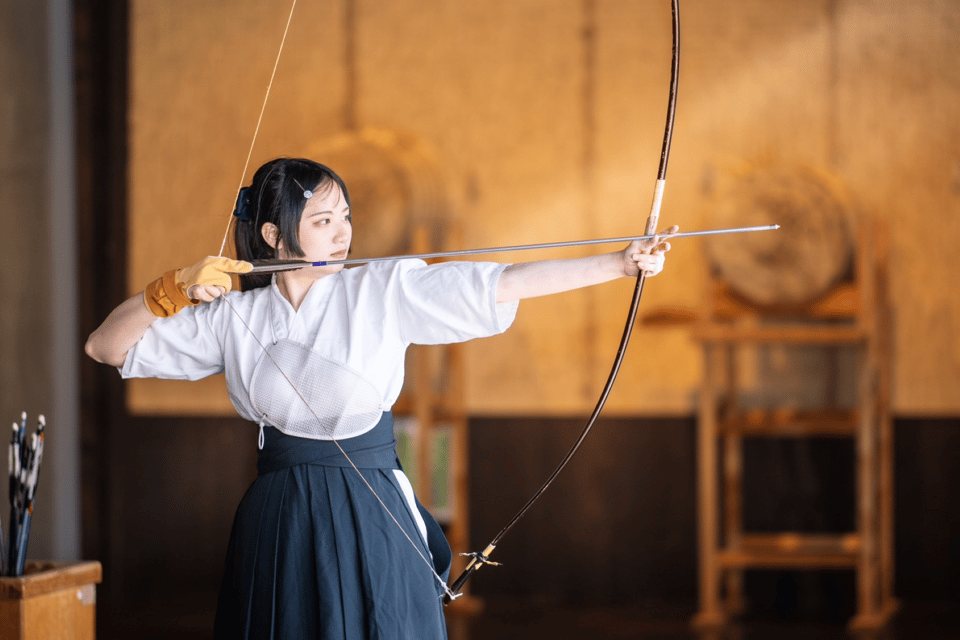
- Official Kyudo hall, real range: you’re practicing where Kyudo is actually done.
- Dozens of shooting chances: you’ll learn by repetition, not by one lucky shot.
- Traditional uniform included: you get dressed in a proper kyudo uniform, then practice with it.
- English instruction from a DAN master: the form is taught with care and clarity.
- Small group flow: limited to 5 participants, so you’re not lost in the shuffle.
Kyudo in an actual Japanese hall and competition range
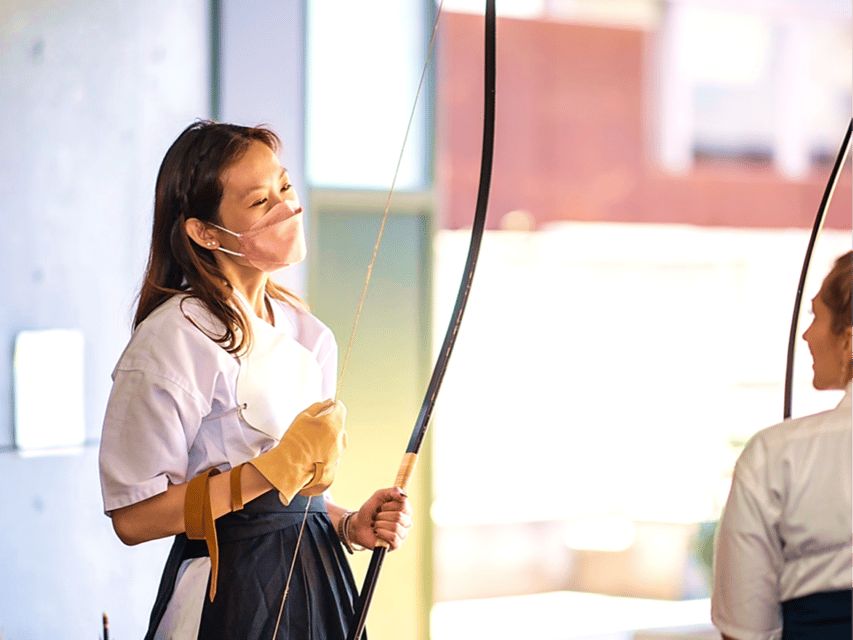
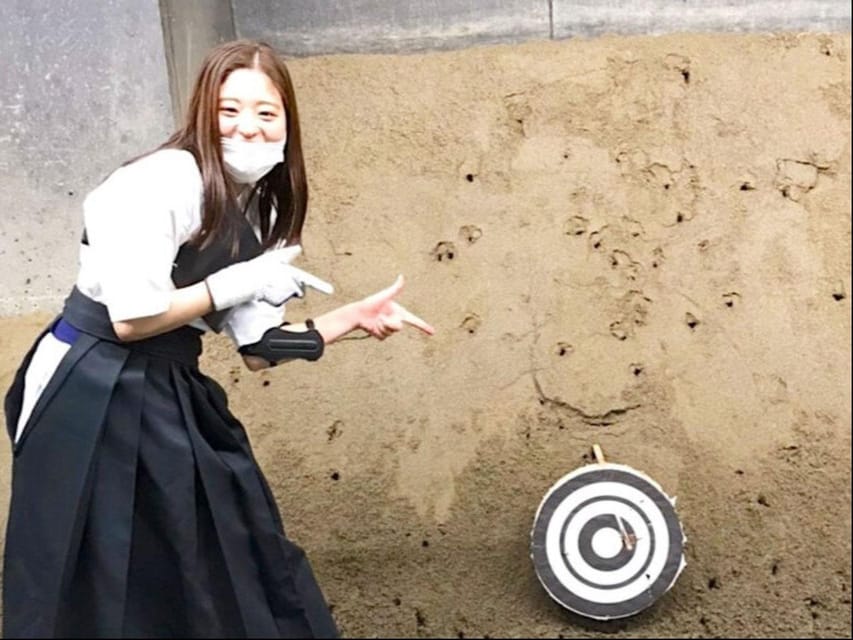
Kyudo is hard to fake. The rhythm, distance, and how the range is laid out all matter, and this experience is built around the real thing. You’re not shooting in some shortcut “try archery” corner; you’re in an official Kyudo venue with a competition-style range.
That difference is more than bragging rights. When you practice in the same kind of setting Kyudo practitioners use, your mind adjusts faster. You also avoid the common problem of learning a half-version of the motion because the space won’t support what the art is asking for.
Another value point: the program isn’t marketed as a totally foreign-only show. It’s described as a genuine experience where local Japanese people also participate when they take Kyudo seriously in the hall.
You can also read our reviews of more tours and experiences in Tokyo.



What a 150-minute Kyudo session really looks like
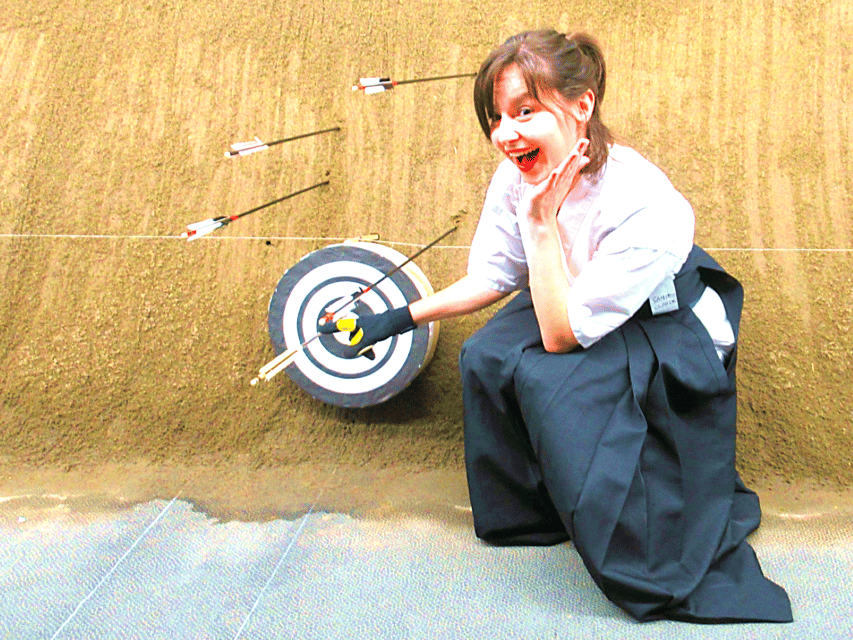
You’re in the hall for 150 minutes, which is long enough to learn and repeat. You’ll start by getting settled and then move into the core parts: uniform, equipment fitting, form instruction, and target practice.
Early on, expect the focus to be on your body and your setup. You’ll be matched with a bow and arrows for your body, which matters because Kyudo form is physical and precise, not just about strength.
Then comes the lesson portion from the English-speaking DAN master. The instructor explains the motion of shooting carefully, so you’re not guessing. After that, you’ll shift into practice mode with multiple chances to shoot, adjust, and try again.
Why the timing works
A lot of first-timer classes squeeze in only a few shots. Here, the session has time for dozens of attempts, so you can feel cause-and-effect. You’ll likely miss a few at first—often you’ll feel like everything is off—then make small corrections based on guidance.
The uniform and bow fitting: small comfort details that affect accuracy
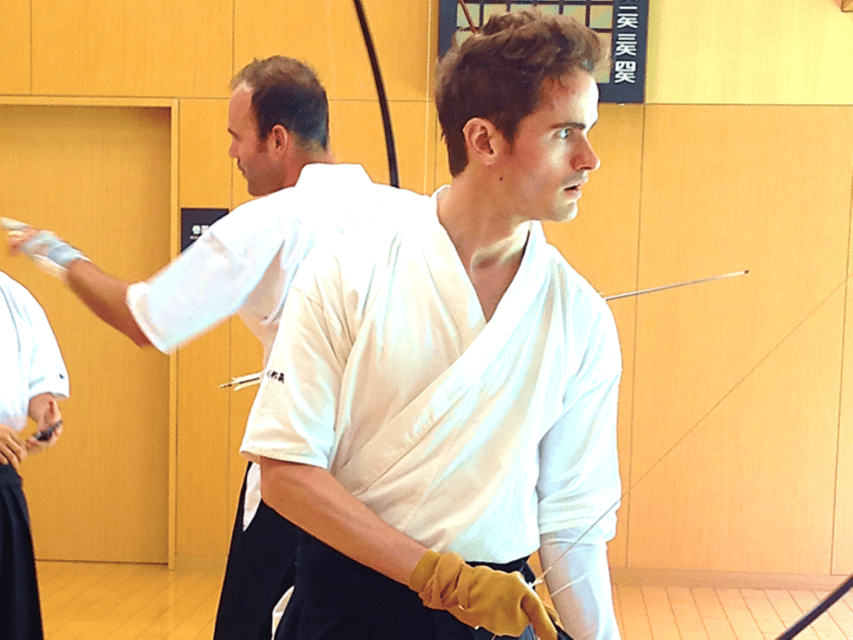
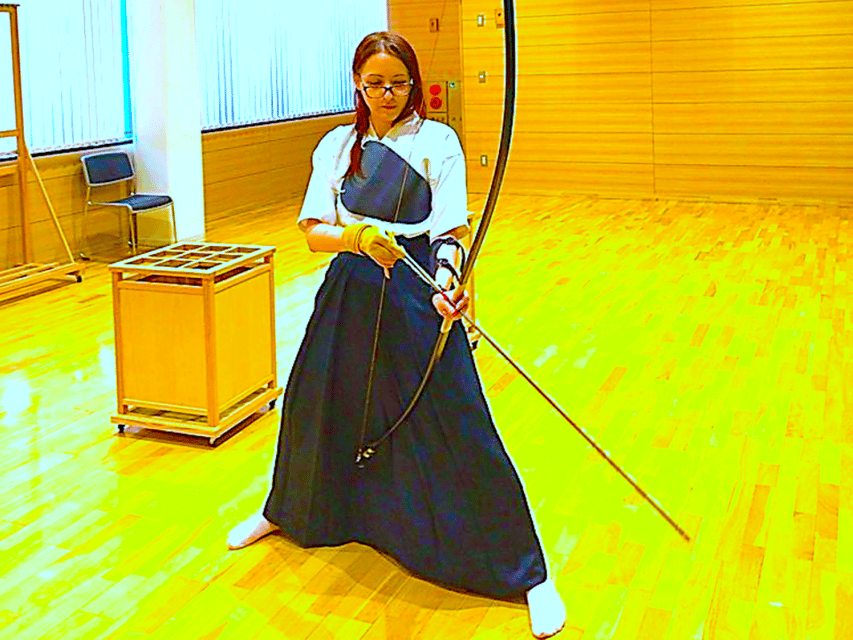
You’ll don a traditional Kyudo uniform (dōgi), and the gear is rented as a complete set. That means you’re practicing in what Kyudo is designed around, not in “whatever you can wear.”
Uniform fit is part of the accuracy story. The info notes that dōgi is designed for Japanese body types, and for people with larger arms or weight over 150 kg, the uniform might not fit. In that case, you may need to participate in regular clothing, and that’s worth taking seriously so you’re not distracted by constant adjustments.
Bow and arrow matching also reduces friction. If the bow and arrows aren’t sized reasonably for you, your form can collapse even when your mind is ready. The program explicitly includes being matched to your body, which is one reason beginners can still make progress quickly.
Learning the shooting motion: instruction matters more than muscle
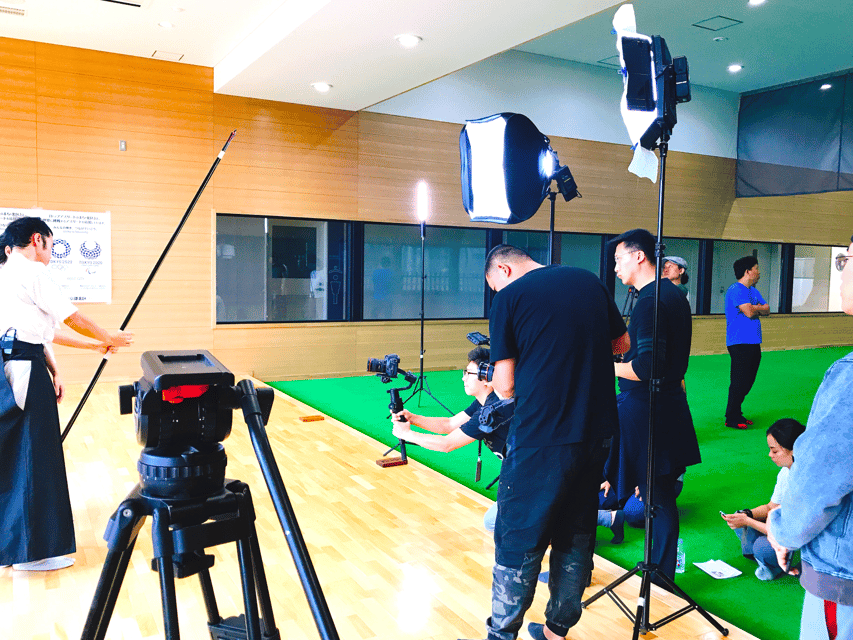
Kyudo is often described as a calm, disciplined practice, and the instruction here is built around motion. The key detail is that the instructor carefully explains the shooting sequence, with the goal of helping you understand what you’re doing—not just copy a “pose.”
This is where you’ll feel the difference between casual archery and Kyudo. Kyudo aims for a consistent process from posture through release, and that takes coaching. With the DAN master teaching, you’re getting the form logic behind the movement.
If you get instructor Jun (the name appears in recent feedback), you can expect a very attentive, motivating teaching style. One review specifically notes that even when people didn’t catch everything in English, the instructor’s energy helped keep learning moving forward.





How to approach the lesson mentally
Your job is to stay quiet inside the process. Focus on what the instructor asks you to change—often small things like how you set your stance or how you move through the shot. Then let your next try be the experiment.
You don’t need to be strong. You need to be consistent, and the repeated shooting rounds give you a chance to build that consistency.
Shooting at the middle target: repetition, feedback, and expectations
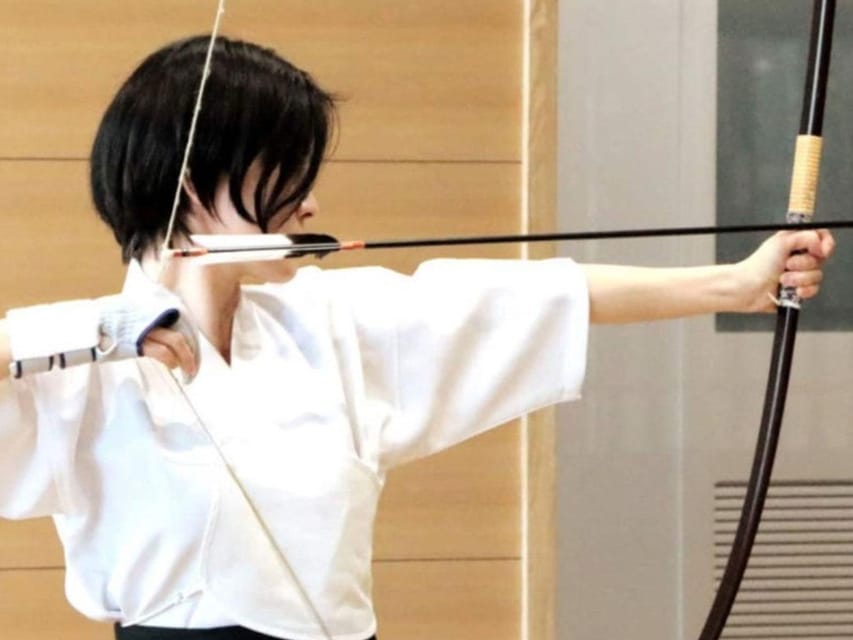
The program frames the goal for first-timers as shooting toward the middle of the target. That’s a smart approach: it teaches you the practical direction of Kyudo without pretending you’ll nail perfection on day one.
And yes, you might not hit the center immediately. The program even warns that you may miss on your first day, though you might also get lucky and sink one in early.
What’s especially good for beginners is the feedback loop. Since you shoot many times, you’re not stuck with only one attempt to “figure it out.” You can adjust your movement and then test the adjustment right away.
The part people miss: Kyudo is progress, not performance
I’d treat this like a form-training day. Even if you don’t hit the center every time, you’ll come away with a clearer sense of how the sequence should feel. That makes it much more likely you’ll want to keep practicing, because you have a real starting point.
Price and value: $122 for a real hall, real range, and real repetition
At $122 per person for 150 minutes, this isn’t a cheap “shoot once” activity. But the value comes from what’s included and what you’re actually doing.
You’re paying for:
- the experience fee and facility usage
- the rental fee for a complete set of Kyudo tools
- a small group format (limited to 5)
- instruction in English from a DAN master
- lots of practice time (dozens of shots)
That combination matters. Many similar activities look affordable until you count what you’d pay separately for gear, range time, and a true coaching session. Here, the program includes the pieces you’d otherwise need to hunt down.
Also, the venue is described as a genuine Kyudo hall with a real range. If you’re going to spend time and money in Tokyo, that authenticity is part of the value equation.
One extra cost scenario to know
If you want to watch but not participate, the info says you’d need to pay an additional fee, requested at the time you choose that option. It also notes you won’t be admitted without that payment.
Getting there on time: the meeting point isn’t Tokyo Station
Here’s where planning can make or break your day: the meeting point is not at Tokyo Station. The program uses different facilities on different days, and you get the exact meeting place a few days before the event.
Because the experience departs on time, late arrivals can’t join (and no refund is mentioned for late entry). So build in buffer time, and don’t assume you can walk in casually once you arrive.
Photo rules inside the facility
Photography and video recording inside the archery facility are restricted. You’ll want to follow the guide’s instructions, even if you’re used to filming everything while traveling.
Who should book Kyudo in Tokyo, and who should skip it
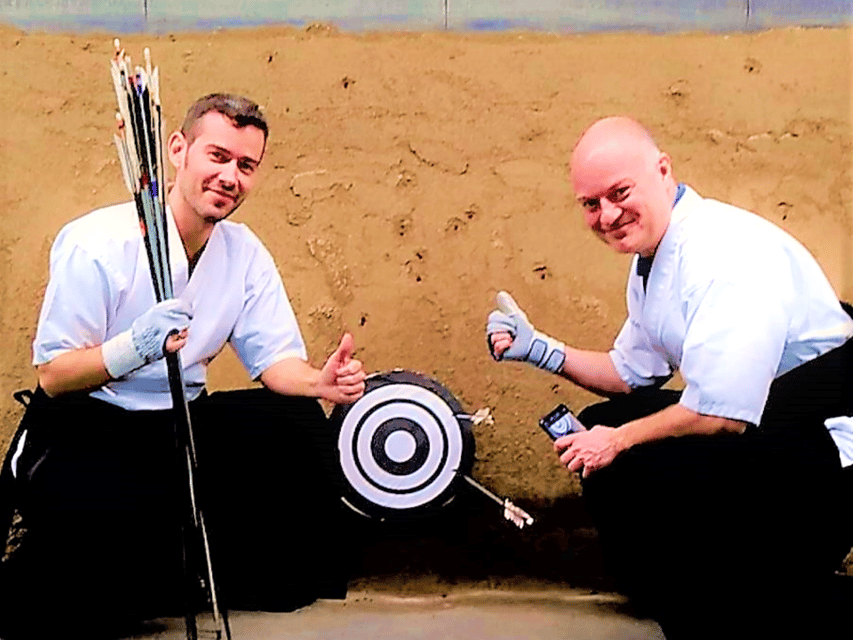
This experience is best for people who want something real, not a quick gadget attraction. You’ll likely enjoy it if you like disciplined activities, want hands-on instruction, and appreciate Japanese cultural practice beyond just sightseeing.
It’s also beginner-friendly in teaching style, with patience and encouragement noted in feedback. Multiple participants mention that everyone could shoot straighter with tips, and that the class kept a good energy level in the group.
People who should consider alternatives
You should skip this if you:
- need wheelchair access (wheelchair users are listed as not suitable)
- are under 13 years old (minimum age is 13)
- are currently unwell, since people who are sick may be denied entry
- plan to show up intoxicated (intoxication isn’t allowed)
Also pay attention if you’re over 150 kg or have larger arms, because the uniform may not fit and you may end up in regular clothing.
Should you book this Tokyo Kyudo experience?
If you want a Tokyo activity that feels like a real Japanese skill practice, this is an easy yes. The big reasons are the official hall, the real competition range, the DAN master instruction, and the fact that you’ll shoot many times instead of burning through the session too fast.
If you’re the kind of traveler who hates strict timing rules, you might find the “no late entry” setup stressful. And if you mainly want sightseeing photos, the filming restrictions may limit what you can capture.
But if you want the satisfaction of learning a precise movement, wearing the uniform, and getting repeated coaching, this is the kind of experience that stays with you longer than the average Tokyo hour.
FAQ
What is the duration of the Tokyo Kyudo experience?
The experience lasts 150 minutes.
Where does the experience meet?
The meeting point is not Tokyo Station. The exact location is shared after reservation a few days before the event because different facilities are used on different days.
Is the session beginner-friendly?
Yes. The program is designed so beginners can enjoy it, including careful instruction from a DAN master and enough time to practice repeatedly.
How many people are in the group?
The group is small, limited to 5 participants.
What is included in the price?
The price includes the experience fee, facility usage fee, and rental fee for a complete set of tools. A traditional Kyudo uniform is also part of the experience.
Are there limits on who can participate?
Participants must be at least 13 years old. People who are unwell or under the influence of alcohol will not be permitted to participate.
Can I take photos or record video during the practice?
Photography and video recording in the archery facility are restricted, so you’ll need to follow the guide’s instructions.