REVIEW · HAKONE
Hakone Hachiri: Old Tokaido Highway Hiking Half-day tour
Book on GetYourGuide →Operated by Coconuts Hike Japan · Bookable on GetYourGuide
Cobbles, cedar, and a Fuji-sized maybe. This half-day hike turns the old Old Tōkaidō Highway into something you walk, especially the Amasake Tea House with its 400-year history and the Edo-era Hakone Checkpoint area. The one downside to plan around: the Mt Fuji view at Lake Ashi depends on weather.
I like how beginner-friendly it is. You cover about 4 km on gentle slopes and cobbled sections, with short rides to skip the harshest Hakone mountain stretches. It also leans into shinrin-yoku (forest bathing), so you’re not just rushing for photos.
You start at Hakone-Yumoto Station, move by taxi/foot/bus between stops, and finish around 12:30 at Hakone Checkpoint. It’s the kind of outing that leaves you tired in a good way, with history that actually sticks.
In This Review
- Key highlights worth getting excited about
- Why the Old Tōkaidō in Hakone feels different
- Hachiri means 32 km of hard mountain walking (and how this tour handles it)
- Getting started at Hakone-Yumoto Station and the short taxi hop
- Sukumo River hiking: where the forest-bathing idea starts to make sense
- Hatajuku: wood carving village vibes and old-road shopping time
- Amasake Tea House: your 400-year reset for the road
- Cobblestones on the Old Tōkaidō: the walking workout you actually want
- Lake Ashi: Torii photos, postcard views, and Mt Fuji odds
- Cedar avenue and the route’s “Edo feel” in the same frame
- Hakone Checkpoint: how Edo-era traffic control shaped travel
- Price and value: what $112 buys you (and what it doesn’t)
- What to bring and how to make the cobbles feel easy
- After the tour: good ways to use your remaining half day
- Who should book this Hakone Hachiri hike
- FAQ
- FAQ
- How long is the Hakone Hachiri tour, and how far do I hike?
- Where does the tour start, and where does it finish?
- Is Mt Fuji guaranteed during the tour?
- What’s included in the price?
- Are there extra transportation costs?
- What should I bring?
- Should you book this tour?
Key highlights worth getting excited about
- Amasake at a 400-year tea house with Japanese snacks to reset your energy
- Hakone Checkpoint where Edo rules controlled traveler traffic between Kyoto and Edo
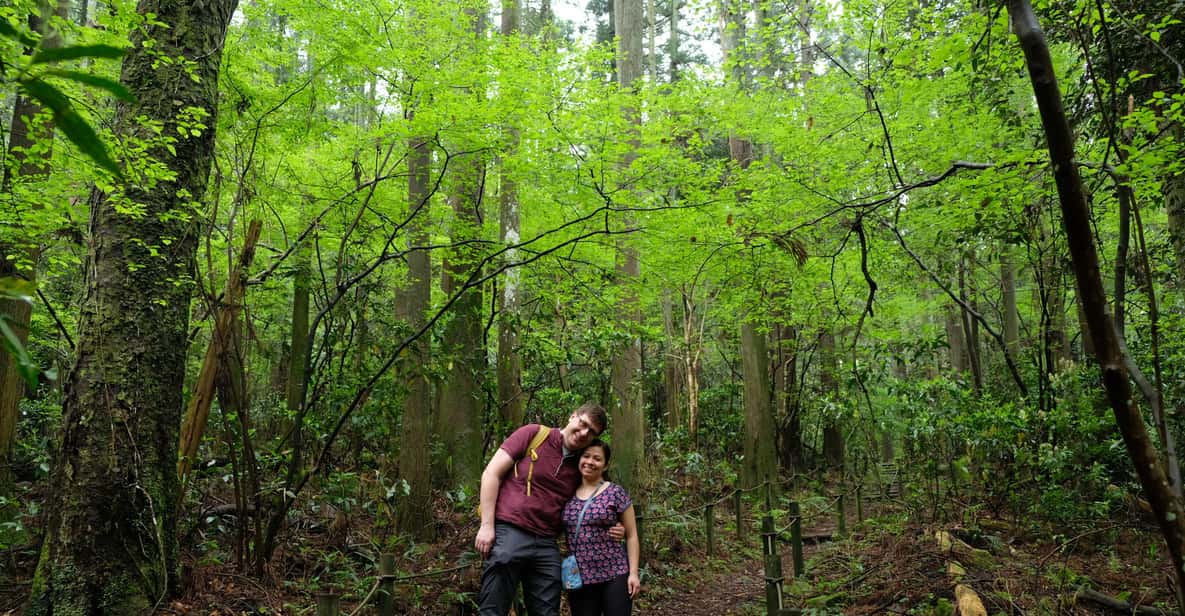
- Shinrin-yoku forest bathing done while you walk, not as a lecture
- Old Tōkaidō cobbles and cedar avenue including trees said to be over 400 years old
- Lake Ashi photo moments with a Torii view and a chance at Mt Fuji
- Small group (up to 6), so your English guide can answer questions as you go
Why the Old Tōkaidō in Hakone feels different
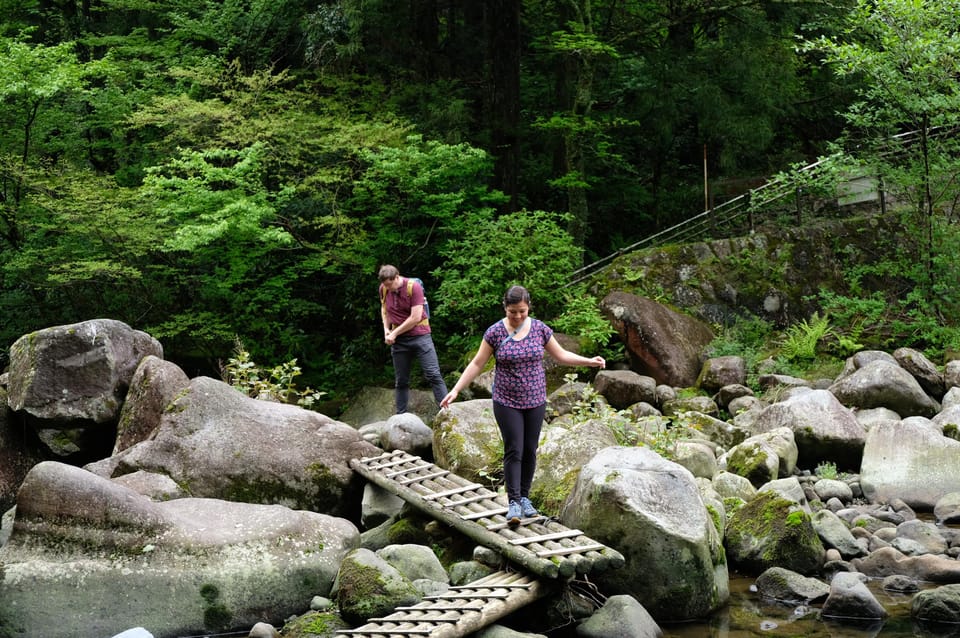
Hakone isn’t just “scenery with a viewpoint.” This route follows the same corridor travelers used when moving between Kyoto and Edo (today’s Tokyo). When you walk those sections, you feel the rhythm of the trip: stop, rest, trade stories, and keep moving over uneven ground.
What makes this tour special is that it’s not only about looking at the past. You’re physically covering a short slice of the classic journey, so the history isn’t floating in the air. It lands in your legs, your pace, and the way the path curves through mountain terrain.
If you like nature walks but also want context, this hits both. You get forest time, plus concrete wayfinding to landmarks like Hakone Checkpoint and the cedar avenue.
You can also read our reviews of more hiking tours in Hakone

Hachiri means 32 km of hard mountain walking (and how this tour handles it)
“Hachiri” is built around distance and hardship. In plain terms, it refers to eight ri, where a ri is roughly 4 km—so that’s about 32 km of difficult mountain path travelers once had to face. The modern version of this tour doesn’t force you to do the full ordeal.
Instead, you hike only part of that corridor and skip the steepest pieces by using local transport. That matters because Hakone’s terrain can wear you down fast. Here, you get the flavor of the route without turning your day into a survival challenge.
You’ll still walk cobbles and gentle slopes, and you’ll still feel like you’re moving through an Edo-era travel story. Just with smart shortcuts that keep the outing enjoyable for beginners.
Getting started at Hakone-Yumoto Station and the short taxi hop
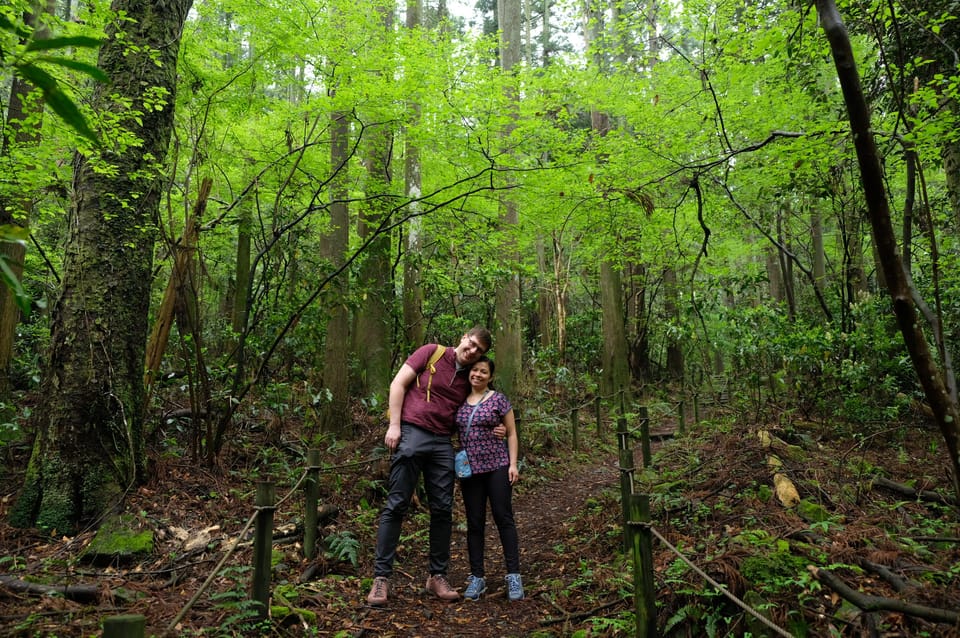
The tour meets at the ticket gate of Hakone-Yumoto Station. From there, you take a shared taxi (sometimes described as a black cab) to the trailhead area, then you begin the hike.
This shared ride is practical. It trims the time you’d otherwise spend figuring out local routes, and it places you on the hiking path without turning the morning into logistics.
A small extra cost can apply here: the shared taxi is listed as about 2000 yen to split among the group. The way the tour is planned, you’re not paying a bunch of separate transfers—just the one necessary hop at the start.
Sukumo River hiking: where the forest-bathing idea starts to make sense
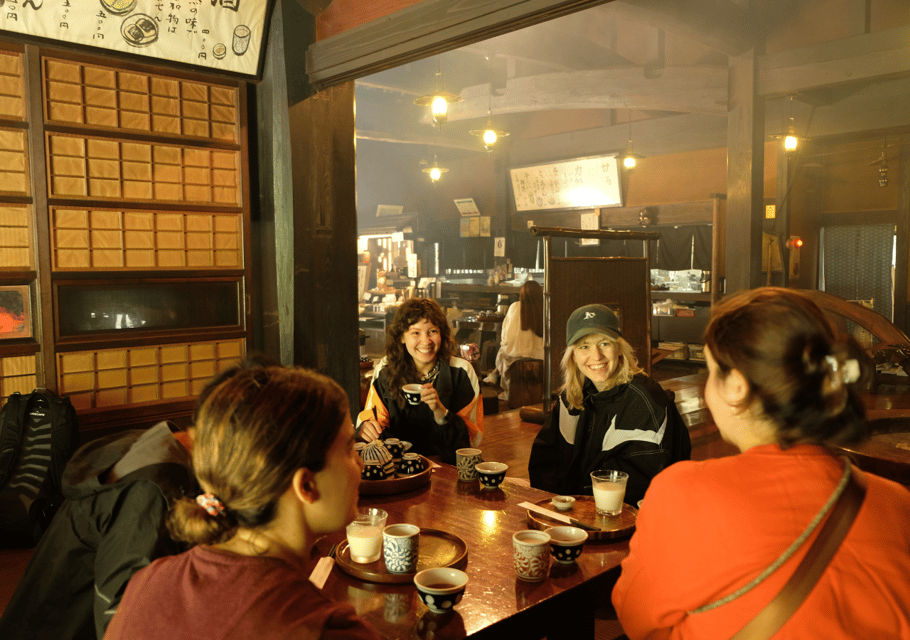
Your first real walking time is along the Sukumo River. The goal isn’t power-walking. It’s a calm start that gets you into the motion of the trail.
This is where shinrin-yoku becomes more than a buzzword. In practice, it’s slower attention: noticing the sound of water, the shade patterns under trees, and the steady rhythm of steps on uneven ground. You’re taught the concept by doing it, while the mountain air and greenery make the point feel obvious.
You’ll hike here for about an hour, which is a good length to settle in. Long enough to feel like a hike. Not so long that everyone arrives at the next stop completely cooked.
Hatajuku: wood carving village vibes and old-road shopping time
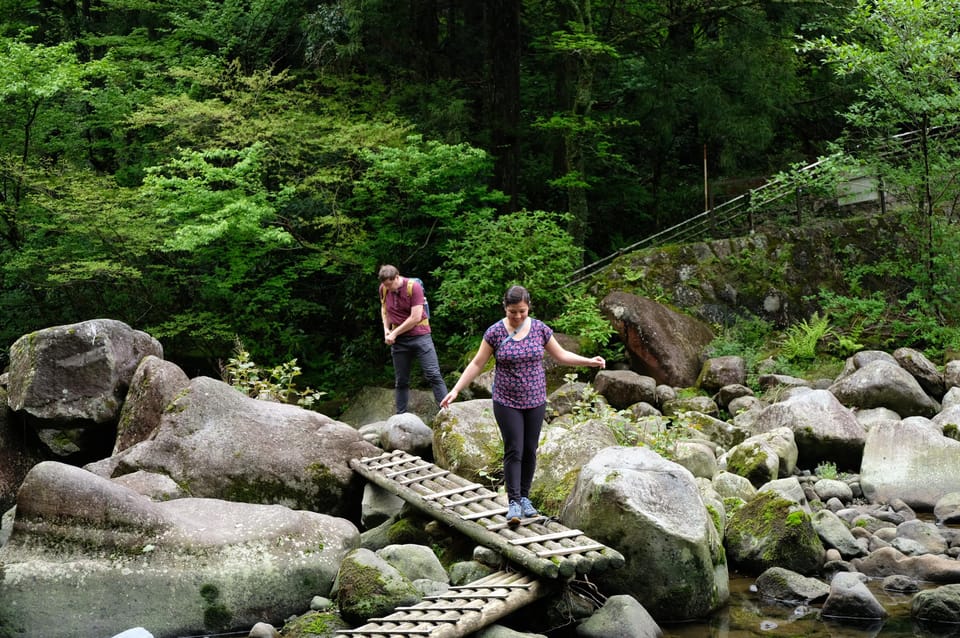
Next comes Hakone-Hatajuku, a stopping point tied to the old Tōkaidō tradition. This is the part where the tour becomes more “people and place” than just “nature and distance.”
You get time to visit and shop, and you’ll pass by the wood carving village atmosphere around Hatajuku. If you like small regional crafts or want an easy souvenir that actually connects to the location, this is usually a good moment to slow down.
You also get built-in browsing time so you’re not forced to choose between rest and exploring. The stop is listed around 30 minutes, which feels realistic: long enough for snacks or a quick look, short enough to keep the tour moving.
You can also read our reviews of more tours and experiences in Hakone

Amasake Tea House: your 400-year reset for the road
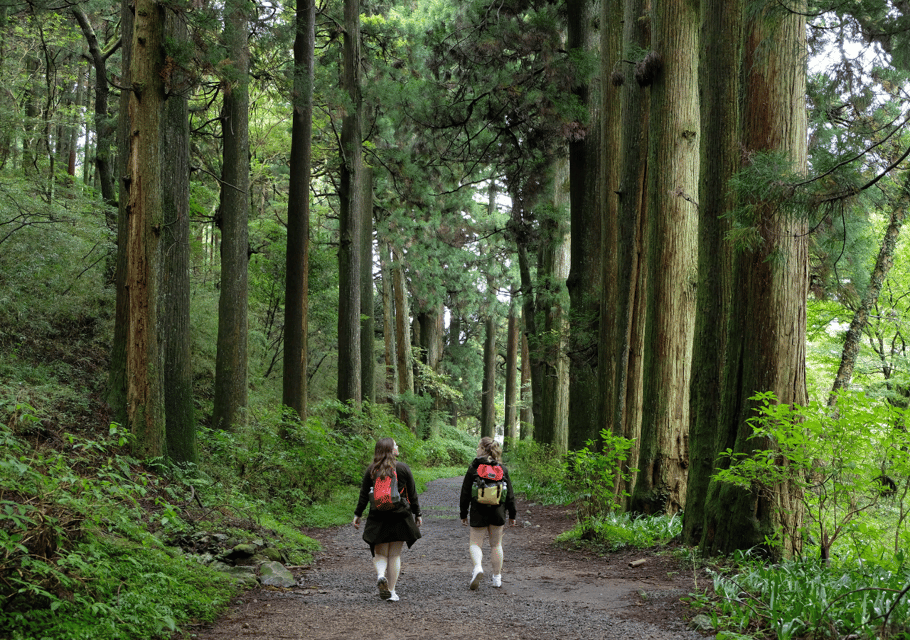
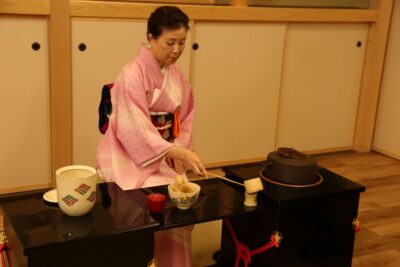
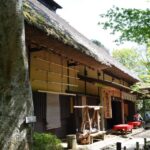
The highlight stop for many people is the Amasake Tea House. This is tied directly to the old Tōkaidō route experience, and the tour notes its history as about 400 years old.
What you get isn’t just a drink. You also have Japanese snacks along with a cup of energizing amasake—a sweet fermented rice drink served warm in many places. It’s exactly the kind of mid-morning fuel that makes cobbles and walking feel easier afterward.
There’s also a small practical note: a bus fee to the tea house is listed as less than 400 yen. If you’re budgeting tightly, that’s still minor, but it’s good to know it’s not purely included.
One more thing: this is a sheltered, human pause. Even if the weather is fine, you’ll appreciate the break from sun, wind, or just the steady forward motion.
Cobblestones on the Old Tōkaidō: the walking workout you actually want
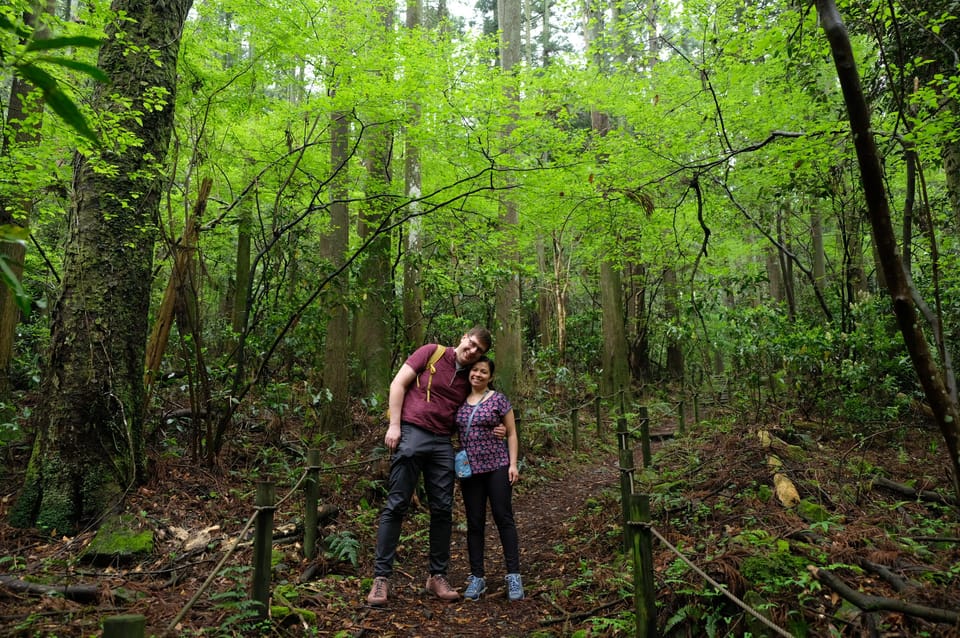
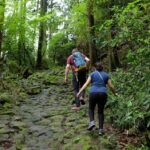
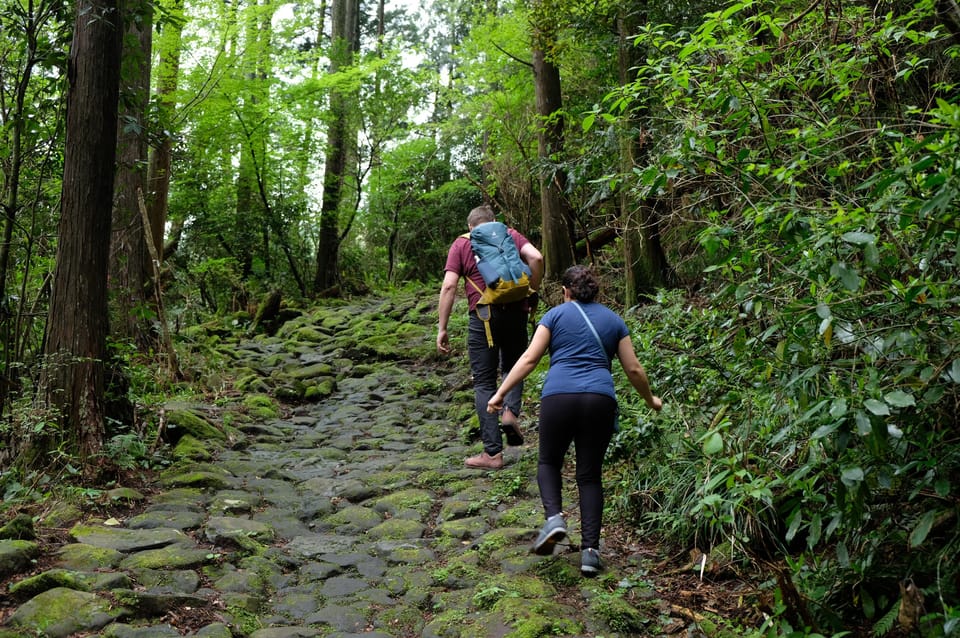
After the tea-house break, you head onto cobbled sections along the Old Tōkaidō Highway. The distance here is short—about 45 minutes of hiking—but it’s the kind of walking that makes your feet pay attention.
Cobbles can be tricky if your shoes are slick or worn out. The tour is designed for beginners, and the slopes are described as gentle overall, but cobbles still require steady footing.
This is where the “good walking workout” part shows up in a satisfying way. You’re not sprinting. You’re not hiking for hours. Yet you leave feeling like you did something real.
Bring a camera, because cobbled stretches plus mountain air often create that perfect “I’m in Japan, not a postcard” feeling.
Lake Ashi: Torii photos, postcard views, and Mt Fuji odds
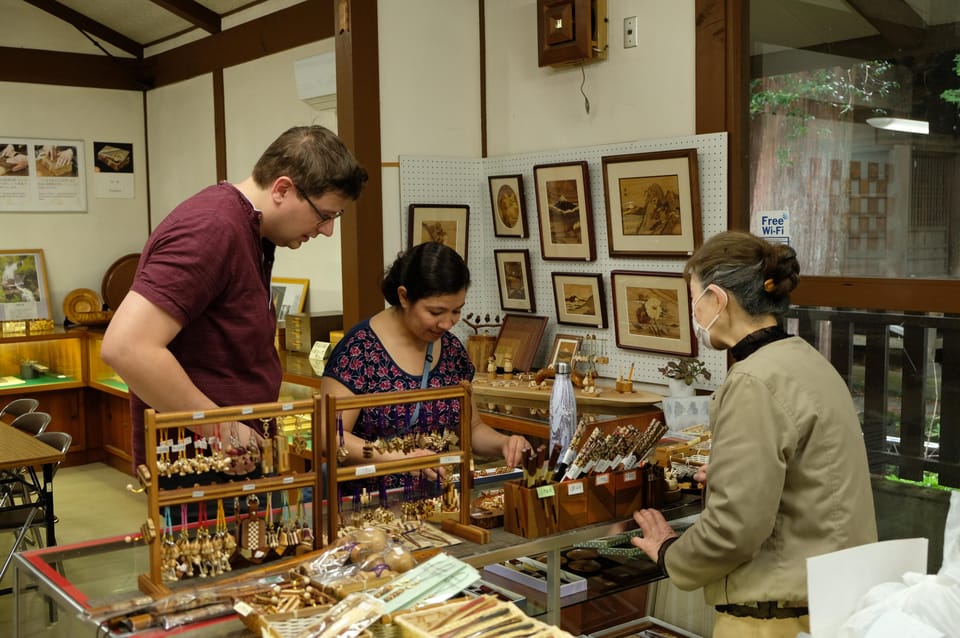
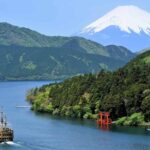
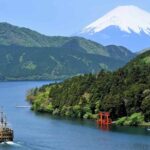
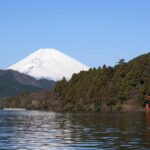
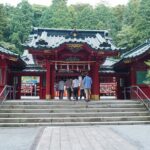
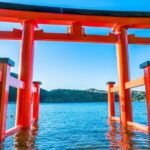
Then comes Lake Ashi, with a photo stop and a short walk along the waterfront. The tour specifically notes the Torii gate of Hakone Shrine, a classic postcard element people recognize immediately.
This stop is where you’ll look outward, not just at the path. Lake air changes the mood of the walk. Even if you’re not taking a long break, the view gives your brain a breather.
As for Mt Fuji: the tour says you may see it if weather permits. That’s your key planning point. Don’t count on it as a guarantee, and don’t let cloud cover ruin the day. The lake and shrine scenery still hold up even when Fuji hides.
If you’re traveling with someone who cares deeply about Fuji photos, I’d treat this as your best chance of the day, not a certainty. Your guide can often help you find the best angles during the stop.
Cedar avenue and the route’s “Edo feel” in the same frame
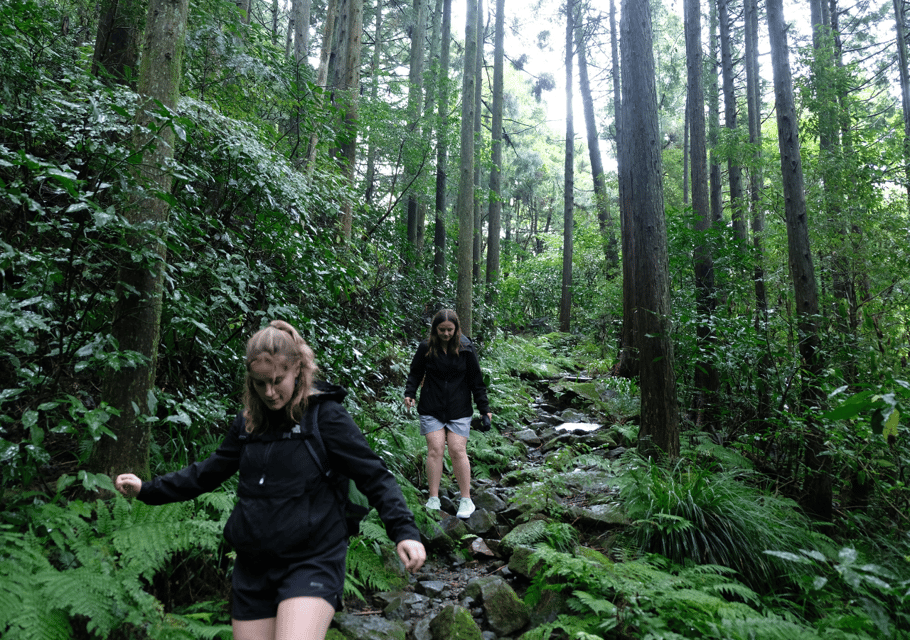
After Lake Ashi, you move into the Old Tōkaidō Road Ancient Cedar Avenue area, including an east-end section noted for cedar trees said to be over 400 years old.
This stretch is one of the best places to slow down. Tall cedars create a natural tunnel effect, which supports the tour’s shinrin-yoku theme in a practical way: shade, scent, and soft light help you tune out the clock.
You’ll have a short photo/walk/pass-by segment here (about 15 minutes). It’s not long, but it’s enough to take pictures and enjoy the atmosphere without dragging the schedule.
Hakone Checkpoint: how Edo-era traffic control shaped travel
Finally, you reach Hakone Checkpoint by Lake Ashi. This is described as the gate where the Edo government controlled traveler traffic.
Standing at checkpoint territory puts the whole journey into focus. You stop thinking of the walk as “scenic hiking” and start understanding it as a regulated corridor. People moved with rules. Papers mattered. Movement was monitored.
That context is why this tour feels more educational than a standard nature walk. You’re not just ticking off landmarks—you’re learning how travel worked when Japan’s capital-to-capital routes were still defining daily life.
The tour finishes around 12:30 at the Hakone Checkpoint area. That timing is nice because it leaves you options for lunch and extra sightseeing later.
Price and value: what $112 buys you (and what it doesn’t)
At $112 per person for about 210 minutes, the core value is the guided experience. The tour includes a Certified National Mountain Guide, which matters on a route that mixes river walking, cobbles, and historical stops.
You’ll also notice that the tour doesn’t include every transportation cost. The shared taxi to the trailhead is listed at about 2000 yen to share, and there can be a small bus fee to the tea house (under 400 yen). That’s typical for half-day tours in Japan, but it’s worth factoring in so there are no surprises.
Is it worth it? If you want to understand the old road’s meaning while walking it—and you prefer not to spend your time mapping local transit—you’re paying for interpretation plus pacing. You’re also paying for someone to keep the group together safely.
If you’re the type who loves solo navigation and has strong route confidence, you could DIY parts of the area. But you’d be missing the specific “why this place, why this checkpoint, why this path” guidance that makes the walk click.
What to bring and how to make the cobbles feel easy
You’ll want comfortable shoes with grip. Cobbles are part of the route, and the day is short, so your gear needs to work immediately.
Bring a hat and sunscreen—Hakone mornings can still get bright, and the tour includes exposed stretches. A camera helps, because Lake Ashi and the cedar avenue are built for photos.
If you’re sensitive to uneven ground, take the suitability notes seriously. The tour is not suitable for people with back problems, and it also isn’t set up for children under 9 or for pregnant women.
This isn’t about being dramatic. It’s about matching the day to your body so you can enjoy the history instead of fighting discomfort.
After the tour: good ways to use your remaining half day
Because you finish around 12:30 at Hakone Checkpoint, you’ll likely have time for lunch nearby. The area by Lake Ashi also gives you easy options for a low-effort afternoon.
The tour data points out a few choices in the general area, like Hakone Shrine and the pirate ship on the lake. If you want to extend the Edo-to-modern contrast, this is a solid way to do it without planning more complicated transport.
You’ll be close enough to keep the day relaxing rather than turning it into another race across town.
Who should book this Hakone Hachiri hike
Book it if you want a short, beginner-friendly hike that also teaches you how travel worked in Edo Japan. You’ll get nature time, a guided explanation of shinrin-yoku, and a clear story tied to the Old Tōkaidō route.
It’s especially good for people who:
- love cultural walking tours but don’t want steep climbs
- want Lake Ashi scenery plus historical context in one morning
- enjoy small-group attention (it’s limited to 6 participants)
Skip it if you:
- have back issues (listed as not suitable)
- are traveling with children under 9
- are pregnant and need a different walking plan
- are looking for a long, strenuous mountain trek (this tour is shorter, around 4 km of hiking)
FAQ
FAQ
How long is the Hakone Hachiri tour, and how far do I hike?
The tour runs about 210 minutes, and you’ll hike around 4 km total. Most of the hiking is on gentle slopes or cobbled paths.
Where does the tour start, and where does it finish?
You meet at the ticket gate of Hakone-Yumoto Station. The tour finishes around 12:30 pm at Hakone Checkpoint near Lake Ashi.
Is Mt Fuji guaranteed during the tour?
No. You’ll see Mt Fuji only if weather permits during the Lake Ashi photo stop.
What’s included in the price?
The tour includes a certified National Mountain Guide.
Are there extra transportation costs?
You may have extra costs for the shared taxi to the trailhead (about 2000 yen shared among the group) and a bus fee to the teahouse (listed as less than 400 yen).
What should I bring?
Wear comfortable shoes, and bring a hat, sunscreen, and a camera.
Should you book this tour?
Yes, if you want a half-day that feels like walking through Edo-era travel while still being manageable for beginners. The mix of Amasake Tea House, Old Tōkaidō cobbles, cedar avenue, and Hakone Checkpoint makes it more than a scenic stroll.
If Mt Fuji is your main goal, treat it as a bonus, not a promise. And if you deal with back problems, pick a different Hakone option—this one includes cobbled walking and uneven terrain.