REVIEW · BUNKYO CITY
Tokyo: Tea Ceremony & Japanese Traditional Sweets
Book on GetYourGuide →Operated by Local Guide Stars · Bookable on GetYourGuide
One-hour tea ceremonies in Tokyo have a way of slowing your day down. You’ll learn the motions behind otemae while making and tasting your own matcha, plus crafting seasonal nerikiri sweets.
I like this experience because it’s hands-on, not just watching. I also like that you work with a tea master who brings real practice, then you get English support from an expert host so you’re not guessing what you’re doing.
One possible drawback: the experience is English only, so if you prefer Japanese (or want bilingual depth), you’ll want to plan for that.
In This Review
- Key highlights worth marking on your Tokyo map
- One hour in Tokyo: what you do during the tea ceremony
- Matcha making steps: from teacher cues to your own bowl
- Watching the otemae demonstration: why the choreography matters
- Nerikiri sweets: shaping seasonal artistry you can eat
- English guidance in a small group: how the host keeps it smooth
- Price and value for a $27 matcha + sweets session
- Where to go near Hakusan Station (and how not to waste time)
- What to wear and bring for a comfortable session
- Who should book this Tokyo tea ceremony experience
- Should you book this one-hour matcha and nerikiri session?
- FAQ
- How long is the Tokyo tea ceremony and Japanese sweets experience?
- How much does the experience cost?
- What will I do during the class?
- Is the tour guided in English?
- Is this a small group activity?
- What is the meeting point location?
- What should I bring or wear?
- Is the experience wheelchair accessible?
- What is the cancellation policy?
- Do I need to pay immediately?
Key highlights worth marking on your Tokyo map
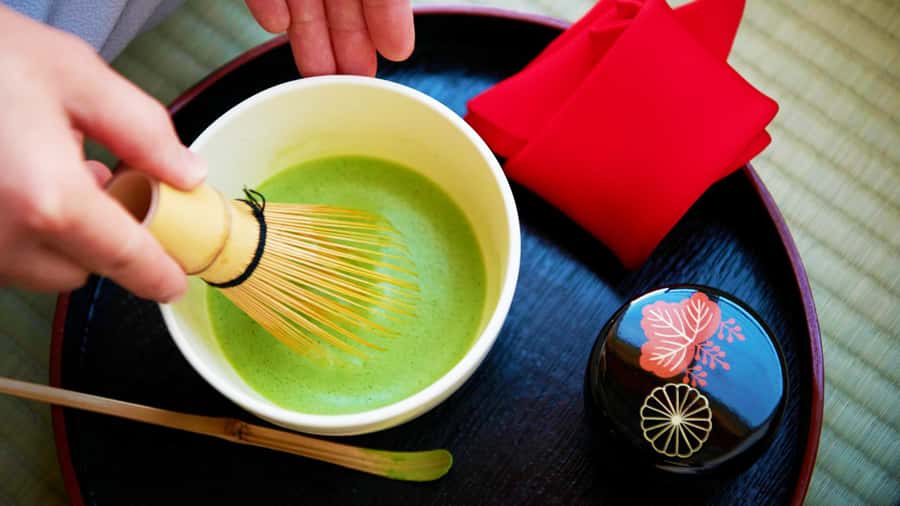
- Make matcha yourself and compare what you whisk versus what you learned to aim for
- Watch otemae in action, the calm, practiced sequence that shapes the entire ceremony
- Shape seasonal nerikiri sweets that reflect the time of year in their motifs
- Small group (max 10) so your questions don’t get lost in the crowd
- English guidance throughout, designed for first-timers without watering anything down
One hour in Tokyo: what you do during the tea ceremony
This is a focused, one-hour session designed to teach the basics properly. You’ll start with the tea master’s instruction, then you’ll move into doing—whisking matcha and shaping nerikiri—so you leave with more than a few photos.
The pace is exactly what I look for when I’m in Tokyo. Instead of stacking another long attraction onto a packed day, you get a quiet, skill-based break that’s still active and satisfying.
Matcha making steps: from teacher cues to your own bowl
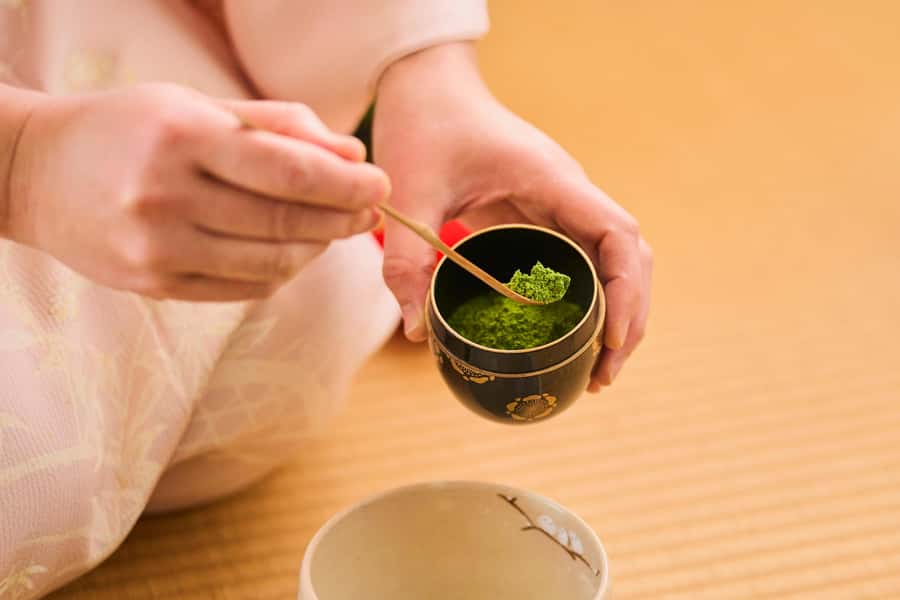
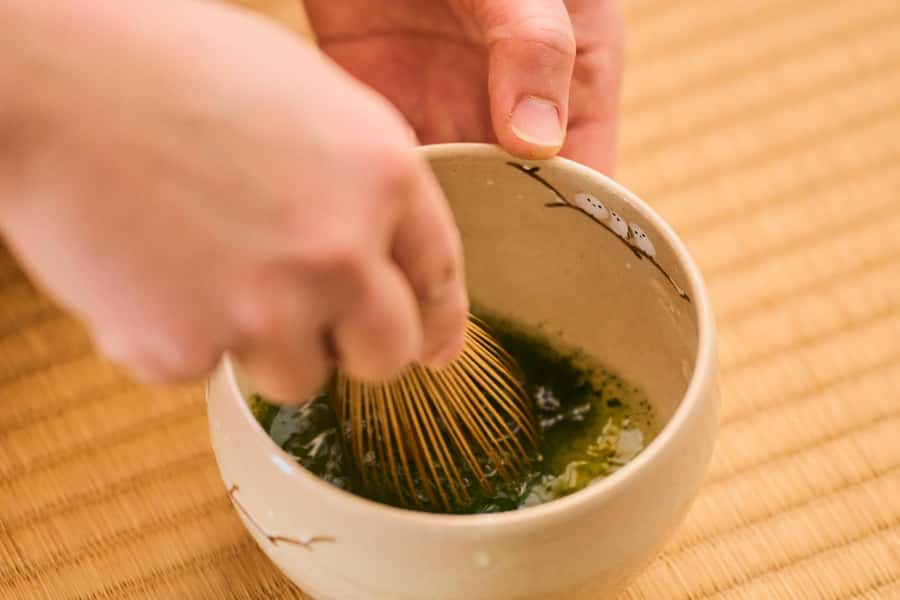
You’ll learn how to prepare matcha from a licensed tea master, including what to pay attention to as you whisk. The goal isn’t just to make tea; it’s to understand how technique changes the experience in your cup.
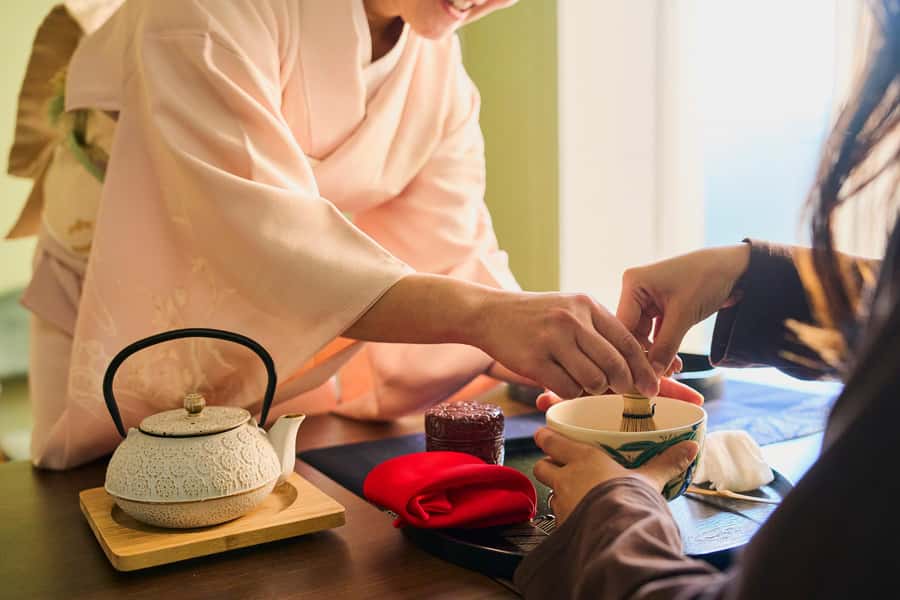
When you do the whisking yourself, you’ll notice how quickly matcha can go from flat to frothy when you’re using the right method. And when you taste your own bowl, the difference is obvious: you’re not relying on someone else’s perfect pour—you’re tasting your results.
Tip that helps: keep your hands steady and your pace consistent. Tea tools are small, the motions are precise, and rushing is usually where beginners run into trouble.
Watching the otemae demonstration: why the choreography matters
Before you take over completely, you’ll watch the otemae demonstration. Think of otemae as the ritual choreography: a practiced order of movements that helps the tea ceremony feel calm, intentional, and repeatable.
This part matters because it gives context to what you’re doing next. If you only learned whisking steps without seeing the full sequence, you’d miss the point: the ceremony is designed to guide attention, not just to produce a drink.
I also like that it’s taught in a way that stays accessible. You’re not expected to know etiquette ahead of time, because the experience is built for first-timers while still honoring the form.
Nerikiri sweets: shaping seasonal artistry you can eat
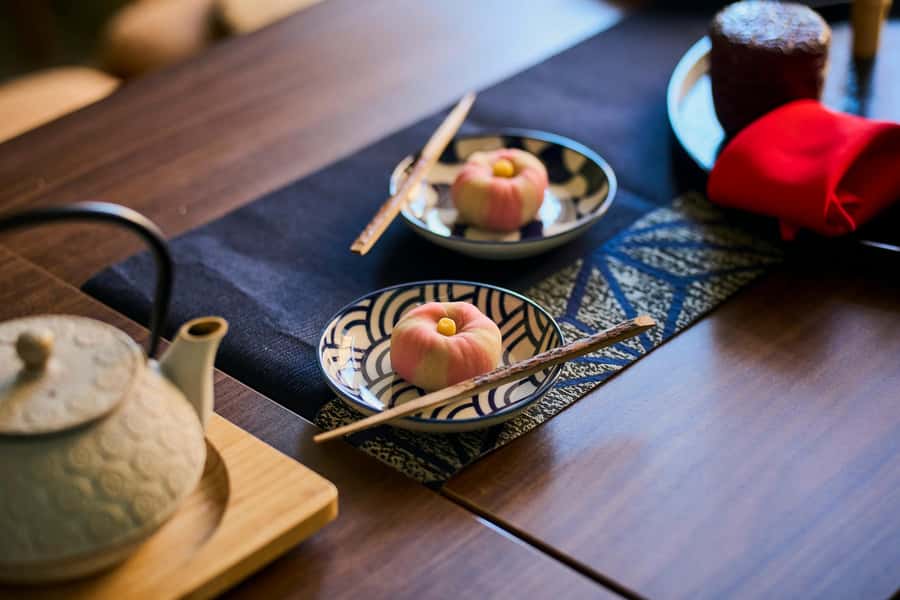
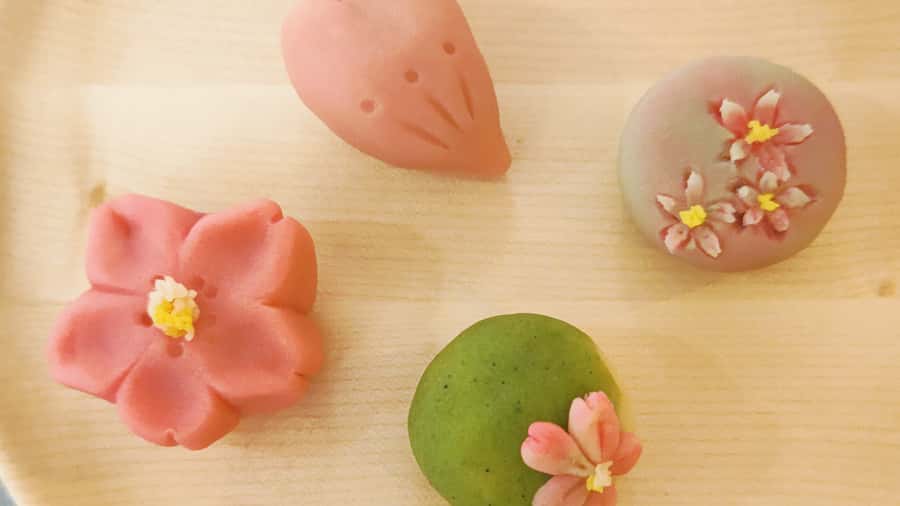
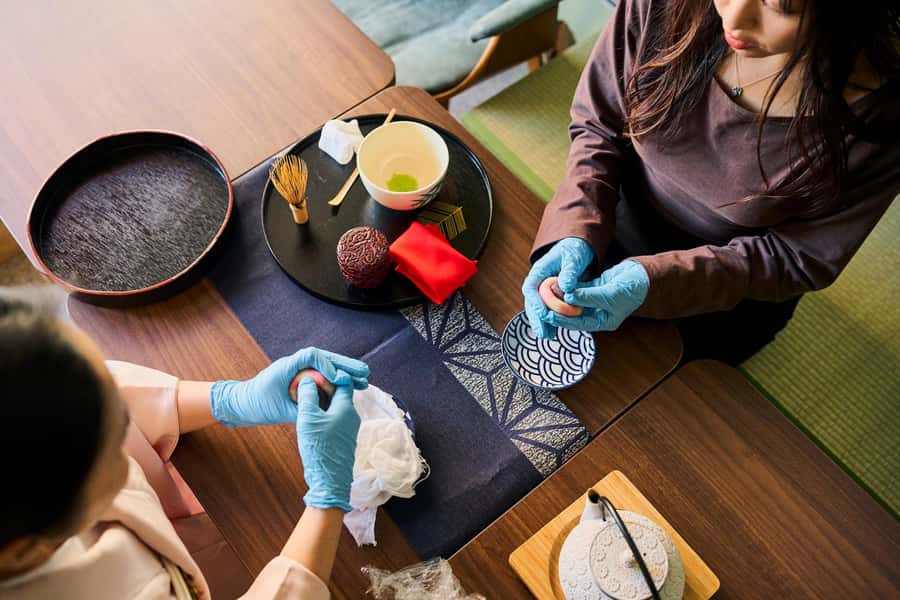
After matcha, you’ll craft Japanese traditional sweets called nerikiri. These are seasonal confections, made with bright colors and delicate shapes that reflect flowers and motifs tied to the time of year.
What makes this more than a simple snack-making stunt is the detail of the design. You’ll work on nerikiri yourself, so you understand how the shape matters and why it’s treated like edible art.
And yes, you get that sweet-and-tea pairing. Your handmade nerikiri is meant to go with your freshly prepared matcha, so the flavors and textures are part of the experience, not an afterthought.
If you’re the type who usually skips desserts because you’re “not a sweets person,” this can convert you. Nerikiri isn’t heavy in the way some Western-style sweets can be, and the matcha pairing helps everything feel balanced.
English guidance in a small group: how the host keeps it smooth
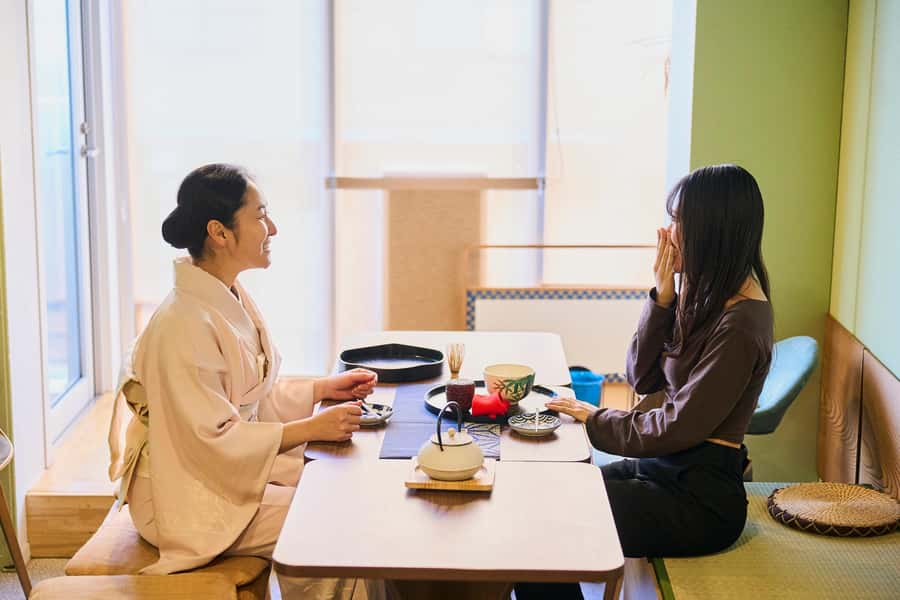
This is conducted in English, and the host is there to explain clearly as you go. That matters because tea ceremonies can feel intimidating if you don’t understand what each step is for.
The group is limited to 10 participants, which changes the whole vibe. You’ll have more room to focus, and you’re more likely to get help when you need it—especially when your hands are trying to do something new.
From the tone I’ve seen in similar hands-on cultural classes, the best ones don’t just translate. They help you connect the steps to the purpose, so the ceremony stops being a performance and becomes something you understand.
Price and value for a $27 matcha + sweets session
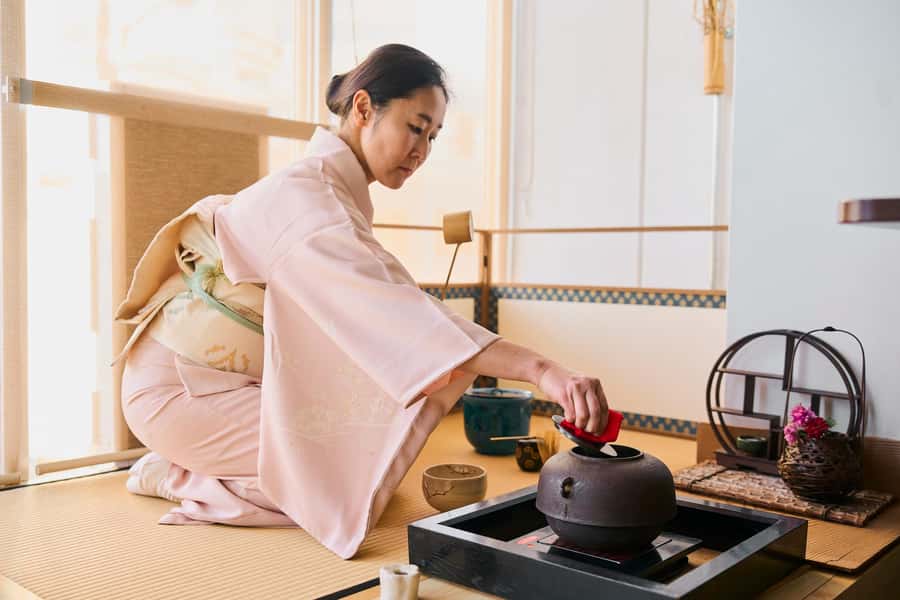
At $27 per person for one hour, this is priced like a serious cultural workshop. You’re not just paying for tea. You’re paying for instruction from a tea master, the demonstration, and the materials and time to make matcha and nerikiri yourself.
Here’s the value logic I’d use: if you usually spend money on Tokyo experiences that are mostly passive, this is the better deal because your hands are involved the whole time. Your ticket covers both the learning and the tasting, so there’s less disappointment and more closure—no wondering what you got out of it at the end.
Also, you get the small-group feel. In a city where many activities can feel rushed, a one-hour class with a hard cap on participants helps you actually finish the experience with confidence.
Where to go near Hakusan Station (and how not to waste time)
The meeting point is about a 5-minute walk from Toei Mita Line Hakusan Station. Plan to arrive a few minutes early and head to the 2nd floor, following what’s shown on Google Maps for Phil Park Hakusan Hills.
Address:
2nd Floor, Phil Park Hakusan Hills, 1-26-17 Hakusan, Bunkyo-ku, Tokyo
If you’re navigating Japan’s entrances and stairways, this is one of those moments where being early saves stress. You’ll want time to find the exact floor before class starts.
What to wear and bring for a comfortable session
This experience is simple in what you need. You only need comfortable clothes—nothing fancy, nothing technical.
I’d also suggest wearing shoes you can stay in comfortably, since you’ll be walking to the meeting spot. The ceremony itself is usually calmer, but you don’t want your whole day to feel like an outfit you regret.
For the rest: there’s no special gear list provided, so come with a curious mindset and the willingness to follow instructions closely. You’ll get better results when you treat it like a guided practice rather than a performance you’re trying to ace.
Who should book this Tokyo tea ceremony experience
This is a strong fit if you want an authentic Tokyo cultural activity that doesn’t demand hours of your schedule. It’s especially good for first-timers who want a clear introduction to matcha and the meaning behind the otemae sequence.
I’d also recommend it if you’re the type who likes “calm breaks” in between busier sightseeing days. A hands-on tea session can reset your pace fast, so you can return to the rest of Tokyo without feeling drained.
Finally, it works well for travelers who like structured learning. You’ll see the pattern first, then do it yourself, then taste the results. That loop makes the hour feel productive.
You might skip it if you’re looking for a long, multi-hour immersion with lots of wandering and extra stops. This is a focused workshop, and the tradeoff is that it doesn’t turn into a full-day itinerary.
Should you book this one-hour matcha and nerikiri session?
I think you should book it if you want a Tokyo experience that’s both gentle and hands-on. The combination of making matcha yourself, watching otemae, and shaping seasonal nerikiri gives you a real skill-based memory, not just a photo.
It’s also a good value choice for $27 because you’re paying for instruction and participation, not passive entry. Add in the small group size and English explanations, and it becomes a rare thing in Tokyo: an authentic cultural activity that still feels easy to do correctly.
If English-only is a dealbreaker for you, then skip it. Otherwise, it’s a smart, low-stress way to understand tea culture through your own hands.
FAQ
How long is the Tokyo tea ceremony and Japanese sweets experience?
It lasts 1 hour.
How much does the experience cost?
The price is $27 per person.
What will I do during the class?
You’ll prepare and whisk your own matcha, watch the otemae demonstration, and make traditional Japanese sweets (nerikiri).
Is the tour guided in English?
Yes, the experience is conducted in English only.
Is this a small group activity?
Yes. It’s limited to 10 participants.
What is the meeting point location?
It’s about a 5-minute walk from Toei Mita Line Hakusan Station, and you should go to the 2nd floor at Phil Park Hakusan Hills (1-26-17 Hakusan, Bunkyo-ku, Tokyo). Coordinates are 35.7201985, 139.7538703.
What should I bring or wear?
Wear comfortable clothes.
Is the experience wheelchair accessible?
Yes, it’s wheelchair accessible.
What is the cancellation policy?
You can cancel up to 24 hours in advance for a full refund.
Do I need to pay immediately?
No. You can reserve now and pay later.